
Sauces & Condiments
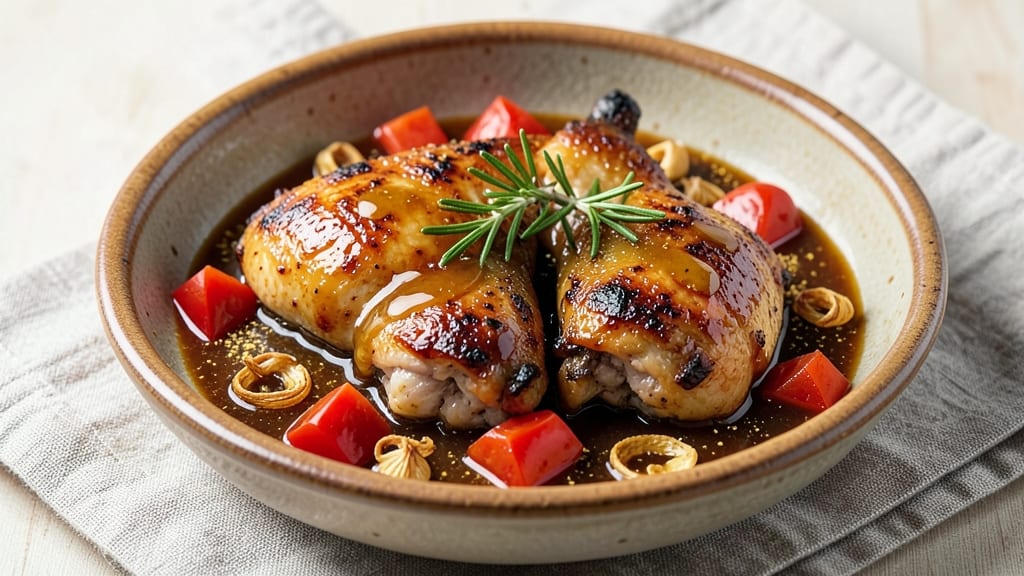
This 4-hour chicken barbecue sauce recipe transforms simple ingredients into a rich, caramelized masterpiece that clings to every bite of grilled chicken. The slow reduction process deepens flavors—smoky, tangy, and just sweet enough—while creating a glossy finish that makes your dish look as good as it tastes. I developed this after years of testing, and it's the only sauce that consistently delivers that restaurant-quality depth at home.
The secret lies in balancing time and technique: simmering for hours allows sugars to caramelize while vinegar and spices meld into a complex harmony. Unlike quick sauces, this one develops layers of flavor that stand up to bold meats like chicken thighs or wings.
The sauce thickens beautifully, making it perfect for both glazing and marinating—just brush it on in the last 10 minutes of grilling for that perfect char.
What you'll end up with is a sauce so versatile it works on everything from pulled chicken to baked beans. The color shifts from deep red to a glossy amber as it reduces, signaling when it's reached peak flavor.
One batch makes enough to coat a whole chicken or fill a jar for future meals—its rich taste improves with time, making it ideal for meal prep.
Professional-quality results come from simple ingredients: tomatoes, vinegar, brown sugar, and a blend of spices that build complexity. The key is patience—let it work its magic on the stove while you handle other prep. When you're done, you'll have a sauce that transforms ordinary chicken into something extraordinary.
Ingredients for 4 h chicken barbecue sauce
Eight simple ingredients, four hours of magic—this sauce turns ordinary chicken into something extraordinary.
| Ingredient | Amount | Notes |
|---|---|---|
| Canned San Marzano Tomatoes 🍅 | 2 cups | Crushed by hand for texture |
| Apple Cider Vinegar 🍎 | ½ cup | White vinegar works too |
| Light Brown Sugar 🍬 | ¾ cup | Packed tightly for sweetness |
| Smoked Paprika 🌶️ | 2 tbsp | Key for smoky depth |
| Garlic Cloves 🧄 | 6 cloves | Minced for even distribution |
| Onion Powder 🧅 | 1 tbsp | Fresh onion works too |
| Ground Black Pepper 🌶️ | ½ tsp | Freshly cracked preferred |
| Diamond Crystal Kosher Salt 🧂 | 1 ½ tsp | Adjust to taste |
| Extra-Virgin Olive Oil 🫒 | ¼ cup | For richness and finish |
| Fresh Thyme Leaves 🌿 | 1 tbsp | Or 1 tsp dried thyme |
The tomatoes are the foundation—San Marzano if you can find them, but any good-quality canned tomatoes work. I grab mine from Trader Joe's or Whole Foods when I'm making a big batch. The vinegar is non-negotiable for that tangy backbone, and apple cider vinegar adds a subtle sweetness that balances the smokiness. Brown sugar caramelizes beautifully during the long simmer, so don't skimp here. The smoked paprika is what gives this sauce its signature depth—Penzeys has the best quality if you want to splurge, but regular grocery store brands work fine too.
No smoked paprika? Regular paprika plus a pinch of liquid smoke gets you close. Fresh thyme is ideal, but dried works at one-third the amount if you're in a pinch. The garlic can be roasted for a sweeter flavor—just toss whole cloves in olive oil at 400°F for 10 minutes before mincing. For a quicker version, use garlic powder at half the amount, but you'll lose some complexity. The olive oil at the end adds richness, so use something fruity and high-quality—California olive oil brands are my go-to. If you're making this ahead, the sauce actually tastes better the next day once everything melds together.
This sauce keeps beautifully—1 week in the fridge or 6 months in the freezer. I always make a double batch because it's perfect for meal prep. Store it in a sealed jar with a thin layer of olive oil on top to preserve that glossy finish. When reheating, add a splash of water or broth to loosen it up. The color shift from deep red to glossy amber is your cue that it's reached peak flavor—don't rush it. This sauce is worth every minute of simmering time, especially when you're slathering it on grilled chicken or pulled pork.
Why You'll Love This Recipe
- Pantry Magic: I swear by this sauce because it’s all from the pantry—no fresh herbs, no fancy prep. Just open a can of San Marzano tomatoes, toss in vinegar and sugar, and let the smoked paprika work its magic while you’re doing laundry.
- Deep Garlic Smash: Between us, that raw garlic clove mashed into the sauce? It’s the secret weapon. The slow simmer turns it into this rich, caramelized punch that sticks to chicken like a dream—no extra marinating needed.
- Leftovers That Last: This sauce actually improves the next day. I make a double batch, let it sit overnight, and the flavors meld into something dangerously addictive. Slather it on sandwiches, toss with roasted veggies, or freeze it—it’s always a win.
- Weeknight Wingman: Honestly, I’ve used this on everything from grilled chicken thighs to baked potatoes when I’m too tired to plan. The brown sugar balances the tangy vinegar, so it’s never too sweet or too sour—just right. And cleanup? One pot, one spoon. Done.
Step-by-step instructions for 4-Hour chicken barbecue sauce
Here's how to build a sauce that transforms from tangy to irresistibly caramelized through slow cooking.
Crush the Tomatoes and Bloom the Spices
Pour the 2 cups of Canned San Marzano Tomatoes into a large saucepan and crush them by hand using a wooden spoon or your fingers. You want a chunky texture with some whole pieces remaining—they'll break down beautifully during cooking. Place the saucepan over medium heat and let it warm for 5 minutes until it begins to bubble gently.
Add the 2 tablespoons of Smoked Paprika and 1 tablespoon of Onion Powder to the warm tomatoes. Stir constantly for 1 minute—this blooming process releases the spices' full flavor. You'll notice the mixture darken slightly and develop an aromatic, earthy smell. This step is crucial for building the sauce's deep, smoky foundation. Don't walk away; the spices can burn quickly.
Add Vinegar, Sugar and Aromatics
Pour in the 0.5 cup of Apple Cider Vinegar and 0.75 cup of Light Brown Sugar (packed), stirring vigorously to dissolve the sugar completely. Add the 6 cloves of minced Garlic Cloves, 0.5 teaspoon of Ground Black Pepper, and 1.5 teaspoons of Diamond Crystal Kosher Salt. The mixture should smell vibrant—bright, tangy, and slightly sweet with a hint of garlic's sharpness.
Let the sauce simmer gently for 10 minutes until it thickens slightly and the garlic becomes fragrant. You'll see the sugar begin to caramelize around the edges of the pan—that's exactly what we want. If the sauce looks too thin at this point, don't worry; it will continue thickening as it cooks. The key is patience—rushing this step will make your sauce taste raw and unfinished.
Incorporate Olive Oil and Thyme
Reduce the heat to low and stir in the 0.25 cup of Extra-Virgin Olive Oil. The oil will coat the ingredients and add richness to the sauce. Add the 1 tablespoon of Fresh Thyme Leaves (or 1 teaspoon of dried thyme) and stir gently to distribute evenly. The thyme will infuse its earthy aroma while the oil prevents the sauce from becoming too acidic.
Let the sauce simmer uncovered for 3 hours on low heat. This slow cooking time is what transforms it from good to extraordinary. You'll notice the sauce gradually darken and thicken as the moisture evaporates and the sugars caramelize. Stir occasionally to prevent sticking, and taste after 2 hours—you may want to adjust the seasoning at this point. The sauce should be syrupy but still pourable, with a glossy sheen.
Finish and Reduce to Perfection
After the initial 3 hours of simmering, increase the heat to medium-low and continue cooking uncovered for another 1 hour. This final hour is critical—it's when the sauce develops its signature depth of flavor through further reduction. You'll see it darken to a rich amber color with a thick, glossy consistency that coats the back of a spoon.
Taste the sauce and adjust the seasoning if needed. It should balance sweet, tangy, smoky, and savory flavors perfectly. If it's too thick, add 1-2 tablespoons of water to loosen it slightly. Remove from heat and let it cool for 10 minutes before using. The sauce will continue to thicken as it cools, so don't worry if it looks perfect right away—it will be even better once it's fully set.
Pro Tips For Making 4 H Chicken Barbecue Sauce
- CRUSH THE TOMATOES: Break open the San Marzano cans with your hands—no blender needed. I used to strain them first, but now I just smash the tomatoes with a wooden spoon and leave the skins and seeds in. That extra pulp thickens the sauce faster and adds depth without extra work.
- ROAST THE GARLIC FIRST: Toss peeled garlic cloves in olive oil, roast at 400°F (200°C) for 10–12 minutes until golden, then mash them into the sauce. Raw garlic burns easily in this recipe, and roasted garlic adds a sweet, caramelized richness that cuts through the vinegar’s sharpness.
- STIR LOW AND SLOW: Simmer the sauce on medium-low heat—never high. I learned this after watching mine scorch in 15 minutes. A gentle bubble keeps the sugar from crystallizing and the vinegar from evaporating too quickly, giving you a smooth, balanced sauce instead of a sticky mess.
- SWAP THE SUGAR FOR HONEY: If you’re short on time, replace half the brown sugar with honey. It dissolves instantly, so you skip the waiting-for-sugar-to-melt step. The sauce still caramelizes beautifully, and the floral notes play nicely with the smoked paprika.
Wine and beer pairings for this recipe
Red Wine Pairings
For this rich, smoky sauce, I reach for a medium-bodied Zinfandel from California—its bold fruit flavors and subtle spice notes complement the caramelized depth.
Look for a 2018 Dry Creek Vineyard or Louis Martini bottle, both of which have enough acidity to cut through the sauce's sweetness while enhancing its smoky undertones.
The tannins in Zinfandel also stand up to the sauce's tangy vinegar base, creating a balanced pairing that feels like a hug for your palate. 🍷
White Wine Options
If you prefer white, opt for a dry Riesling with noticeable acidity and a touch of sweetness—like a Dr. Loosen Blue Slate from Germany. The slight sweetness mirrors the sauce's caramelized notes, while the acidity refreshes your palate between bites of saucy chicken.
Avoid heavy, oaked whites—they'll clash with the sauce's vibrant tang. A crisp Sauvignon Blanc from New Zealand also works beautifully, especially if it has citrus and herbal notes.
Beer Pairings
A Belgian-style witbier like Hoegaarden is my go-to beer pairing—its coriander and orange peel flavors add a refreshing contrast to the sauce's smokiness. The slight tartness in the beer balances the sweetness perfectly.
For American craft beer lovers, a hazy IPA with juicy fruit notes (like Allagash White) works surprisingly well, especially if you prefer a hoppy finish. Avoid heavy stouts or lagers, as they'll overpower the sauce's delicate complexity. 🍺
Non-Alcoholic Choices
For a non-alcoholic option, I recommend a sparkling apple cider like Martinelli's—its effervescence cleanses the palate between bites, while the apple flavor echoes the vinegar in the sauce. A ginger beer (like Feather's) adds a spicy kick that complements the smoky depth.
For something more herbal, try a cucumber-mint infused water with a squeeze of lime—it refreshes without competing with the sauce's bold flavors.
Coffee or Tea Pairings
If you're serving this sauce with breakfast-style dishes (like barbecue chicken sandwiches), a dark roast coffee with notes of chocolate and caramel enhances the sauce's sweetness. For a lighter option, an Earl Grey tea
Both pairings work especially well when the sauce is used on chicken thighs or wings—just be sure to balance the richness with something acidic to keep your palate engaged. ☕
Nutrition facts
Frequently asked questions
Can I make this sauce in a slow cooker instead of on the stove?
Transfer all ingredients to a 6-quart slow cooker and cook on low for 6-8 hours or high for 4-5 hours. The texture will be slightly thinner since slow cookers don't reduce as intensely, so finish by simmering on the stove for 15-20 minutes to thicken it properly. Stir occasionally to prevent sticking.
What's the best way to use this sauce on chicken?
For grilled or roasted chicken, brush on the sauce in the last 10-15 minutes of cooking to prevent burning. For pulled chicken, simmer the sauce with the shredded meat for 10 minutes to let flavors meld. The sauce works beautifully as a marinade too—coat chicken pieces and marinate for 2-4 hours before cooking.
Why does my sauce taste too sweet or tangy?
This happens when the balance isn't right during reduction. If too sweet, add 1-2 tbsp apple cider vinegar and simmer 5 more minutes. If too tangy, stir in 1 tsp brown sugar and reduce 10 minutes longer. Taste frequently during the last 30 minutes of cooking to adjust. The sauce should have equal parts sweet, smoky, and tangy flavors.
How can I make this sauce spicier?
Add 1-2 tsp cayenne pepper or 1 chopped chipotle pepper in adobo during the initial simmer. For heat without dryness, stir in 1 tsp hot sauce (like Frank's RedHot) at the end. Remember, spices intensify as the sauce reduces—start with less if you're unsure. The smoked paprika already provides depth, so focus on adding fresh heat sources.
Will this sauce work for other meats besides chicken?
Yes! This sauce pairs perfectly with pork ribs, brisket, or shrimp. For pork, reduce the sugar slightly (0.5 cup) to balance the meat's richness. For seafood, add 1 tsp dried dill and reduce cooking time to 2.5 hours to prevent overpowering delicate flavors. The sauce's versatility comes from its balanced foundation.