
Main Courses
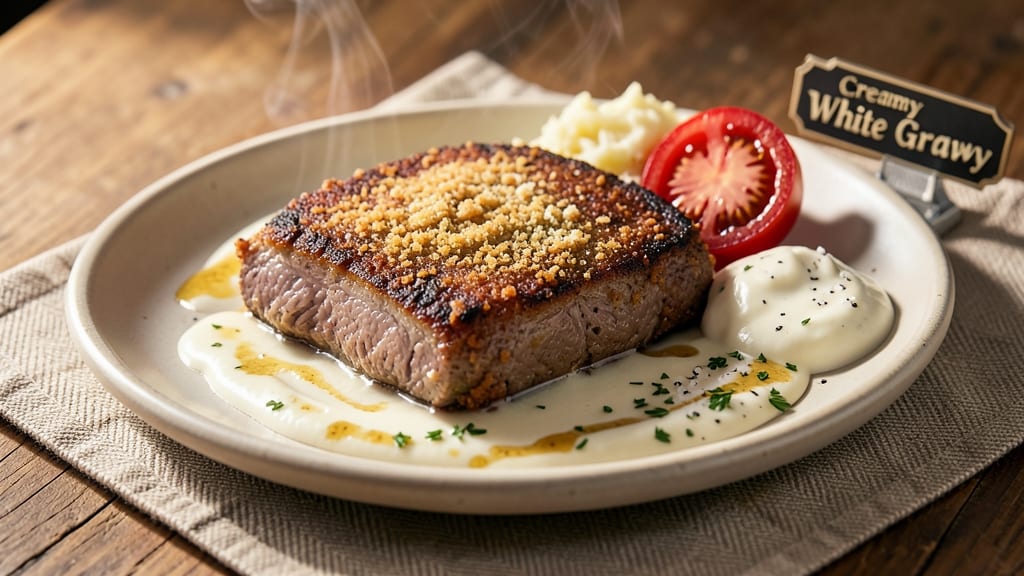
Alton Brown's chicken fried steak recipe transforms simple ingredients into a restaurant-worthy masterpiece with its signature buttermilk brine and crispy parmesan-panko crust. This isn't your grandmother's version—it's a carefully balanced dish where tender, flavorful beef meets a golden, crunchy exterior that shatters at every bite.
The secret lies in the buttermilk brine, which ensures juicy meat, and the precise frying technique that delivers perfect doneness without drying out the cutlet.
What sets this recipe apart is Alton Brown's attention to detail—from the exact ratio of buttermilk to water in the brine to the specific temperature for frying (350°F, no higher). The parmesan-panko crust isn't just for crunch; it's a flavor amplifier that adds depth with each crispy bite.
And let's not forget the gravy—a velvety, savory sauce that ties everything together, made from the pan drippings and a simple roux that thickens just enough to coat every forkful.
By the time you're done, you'll have a dish that's tender inside, crispy outside, and swimming in rich gravy—exactly how it should be. The buttermilk brine keeps the meat impossibly juicy, while the parmesan-panko crust delivers that satisfying crunch that makes every bite worth it.
This is comfort food elevated to a new level, with techniques that ensure success every time.
Serve it with classic sides like creamy mashed potatoes and buttery green beans for the full Southern experience. The gravy will soak into every bite, making this a meal that feels like a hug on a plate.
Ready to master this technique? Let's get started with the ingredients and steps that bring Alton Brown's vision to your kitchen.
Ingredients for alton brown chicken fried steak
The perfect balance of tender beef, crispy crust, and velvety gravy starts with these carefully chosen ingredients.
| Ingredient | Amount | Notes |
|---|---|---|
| Beef Round Steak 🥩 | 1 ½ lb | Cut into 1/2-inch thick slices |
| Buttermilk 🥛 | 1 cup | Full-fat preferred for richness |
| Water 💧 | 1 cup | For buttermilk brine |
| All-Purpose Flour 🌾 | 1 cup | For dredging |
| Panko Breadcrumbs 🍞 | 1 cup | Japanese-style preferred |
| Parmesan Cheese 🧀 | ½ cup | Freshly grated from block |
| Large Eggs 🥚 | 2 whole | Beaten for egg wash |
| Vegetable Oil 🫒 | 3 cups | For frying, 350°F |
| Unsalted Butter 🧈 | 2 tbsp | For gravy roux |
| All-Purpose Flour 🌾 | ¼ cup | For gravy roux |
| Beef Broth 🍲 | 1 cup | Low-sodium preferred |
| Salt 🧂 | 1 ½ tsp | Kosher or sea salt |
| Black Pepper 🌶️ | ½ tsp | Freshly ground |
| Garlic Powder 🧄 | ½ tsp | For gravy seasoning |
| Onion Powder 🧅 | ½ tsp | For gravy seasoning |
The beef round steak is non-negotiable—it's the star of this dish. Ask your butcher for 1/2-inch thick slices or cut them yourself for even cooking. Costco and Whole Foods often carry pre-sliced options, but check for good marbling. The buttermilk brine transforms tougher cuts into melt-in-your-mouth perfection, so don't skip this step. For the buttermilk, full-fat works best—it adds richness that low-fat versions can't match. If you're short on time, substitute with 1 cup milk plus 1 tablespoon vinegar, but the flavor won't be identical.
The crust relies on three key components: flour, panko, and Parmesan. Japanese-style panko is essential for that signature crunch—regular breadcrumbs won't cut it. For the Parmesan, grate it yourself from a block—pre-grated cheese contains anti-caking agents that prevent proper browning. Need a shortcut? Trader Joe's sells pre-grated Parmesan in a jar, but add an extra tablespoon to compensate for moisture loss. The gravy's secret lies in the roux—use unsalted butter for better flavor control, and cook it low and slow to avoid burning. For the beef broth, low-sodium options prevent over-salting, but adjust seasoning to taste.
Store the beef in the coldest part of your fridge until ready to use—it keeps for 3-4 days when sliced. The buttermilk brine can be made up to 24 hours ahead and stored in the refrigerator. Once fried, the steaks reheat beautifully—just warm in a 200°F oven for 10-15 minutes to restore crispiness. The gravy thickens as it cools, so reheat gently with a splash of water if it becomes too stiff. Portion leftovers into airtight containers for 4-5 days of fridge storage, or freeze for 3 months.
Why You'll Love This Recipe
- Pound It Flat: The buttermilk marinade does half the work while you watch TV—just slap that steak between two sheets of plastic and let it tenderize. No fancy knife skills required, and honestly? The flattening part is oddly satisfying, like giving the meat a little pep talk before it hits the pan.
- Crispy-Creamy Magic: That panko crust isn’t just crunch—it’s a textural hug. The flour dip keeps it light, but the panko? Oh, it clings like a golden shield, while the inside stays juicy enough to make you forget it’s a budget cut. (Yes, even my picky husband asks for seconds.)
- Weeknight to Dinner Party: Same recipe, different vibes. Toss it on a sheet pan for a lazy Tuesday, or dress it up with gravy and mashed potatoes for Sunday supper. I’ve served it at potlucks—no one ever guesses it’s just round steak with a fancy name.
- Budget Wins Again: Round steak + pantry staples = a meal that feeds four for less than takeout. The buttermilk marinade stretches thin, and panko keeps the cost low without sacrificing that restaurant-quality crunch. My wallet and my taste buds high-five every time.
Step-by-step instructions for Alton Brown's chicken fried steak
Here's the precise method for tender, golden steak with a crisp parmesan-panko crust.
Prepare the Buttermilk Brine
In a shallow dish, combine the 1 cup buttermilk and 1 cup water. Whisk in the 1.5 teaspoons salt until fully dissolved. This brine tenderizes the beef while adding moisture and depth of flavor. Place the 1.5 lb beef round steak slices in the brine, ensuring each piece is fully submerged. Cover and refrigerate for at least 4 hours, or preferably overnight. The acid in the buttermilk will begin breaking down the muscle fibers, resulting in a more tender final product.
I always use a zip-top bag for this step to ensure the steak stays fully immersed. The longer it brines, the more tender it becomes, but even 4 hours makes a noticeable difference. Remove the steak from the brine just before cooking and pat it very dry with paper towels—this step is critical for achieving a good crust. Wet surfaces won't brown properly, so take your time here.
Create the Breading Station
Set up three shallow dishes. In the first, place the 1 cup all-purpose flour mixed with the 0.5 teaspoon black pepper. In the second, beat the 2 whole large eggs until smooth. In the third, combine the 1 cup panko breadcrumbs with the 0.5 cup freshly grated parmesan cheese. This three-step breading process creates the signature crispy, flavorful crust that sets this dish apart.
I like to use a wire rack over a baking sheet for drying the steak between each breading step. This prevents soggy breading and ensures maximum crispiness. The parmesan adds a savory depth that complements the rich beef perfectly. Make sure all your ingredients are at room temperature before starting—cold ingredients can make the breading process more difficult and less effective.
Fry to Golden Perfection
Heat the 3 cups vegetable oil in a deep skillet to 350°F. Use a thermometer to monitor the temperature—it should stay steady at this heat. Working in batches if needed, carefully place the breaded steak slices into the hot oil. Fry for 3-4 minutes per side until golden brown and reaching an internal temperature of 160°F. The breading should be crisp and the steak should release easily from the pan when ready.
Don't overcrowd the pan—this will lower the oil temperature and result in greasy, soggy breading. I use tongs to carefully turn each piece, being mindful not to disturb the breading. As each piece finishes, transfer it to a wire rack set over a paper towel-lined plate to drain excess oil. The steak will continue cooking slightly from the residual heat, so it's important not to overcook it in the oil.
Prepare the Creamy Gravy
In the same skillet (with any remaining oil), melt the 2 tablespoons unsalted butter over medium heat. Whisk in the 0.25 cup all-purpose flour to form a roux, cooking for 1-2 minutes until lightly golden. Slowly pour in the 1 cup beef broth, whisking constantly to prevent lumps from forming. Add the 0.5 teaspoon garlic powder and 0.5 teaspoon onion powder, then simmer for 5-7 minutes until the gravy has thickened to your desired consistency.
The key to good gravy is patience—rushing this step will result in a grainy texture. If the gravy thickens too quickly, you can thin it with a splash of beef broth. Season with additional salt and pepper if needed. This rich gravy should coat the back of a spoon and complement the crispy steak perfectly. Keep the gravy warm until ready to serve over the steak.
Pro Tips For Making Alton Brown Chicken Fried Steak
- Pound Steaks Thin: The round steak is tough—you’re fighting it, not the other way around. Aim for ¼-inch thickness after pounding; any thicker and the crust won’t crisp properly, no matter how much flour you throw at it. Use a meat mallet or rolling pin, but don’t go full sledgehammer—just enough to even out the edges.
- Soak Panko First: Skip the dry breadcrumbs in the mix. Toss your panko in 1–2 tablespoons of buttermilk (the same you’re marinating the steak in) for 5 minutes before coating. This keeps the crumb from turning to dust in the hot oil and gives you that shatteringly crisp crust Alton’s after.
- Fry in Batches: Crowding the pan is how you get soggy steaks and greasy oil splatter. Fry two at a time max, and don’t rush—let the first one sear for 2–3 minutes undisturbed before flipping. The oil should be hot enough to sizzle like a drive-in diner’s, not simmer like a sad soup.
- Rest Before Dredging: That buttermilk marinade is doing double duty—tenderizing and pre-cooking the edges. Let the steaks sit in the fridge for at least 4 hours (overnight is better), then pat them bone-dry before dredging. Wet flour = gluey crust; dry flour = golden, lacy perfection. Trust me, the 30-second wipe with a paper towel saves you from regret.
Regional styles of this dish
Southern Classic Roots
This dish traces back to 19th-century America, where resourceful cooks transformed tough beef cuts into tender meals using buttermilk brines—a technique borrowed from Scandinavian settlers. The "chicken fried steak" name comes from its resemblance to fried chicken, though it's made with beef.
Texas and Oklahoma claim it as their own, with each region adding subtle twists—Oklahoma often includes a touch of cayenne in the gravy, while Texas versions lean heavier on the parmesan crust. 🗺️
Midwest Twist
In the Midwest, particularly in states like Missouri and Illinois, the dish often features a thicker, creamier gravy made with a splash of milk or cream. The breading might include crushed cornflakes for extra crunch, and some cooks add a pinch of paprika for color.
Alton Brown's version keeps the Southern roots but adds his signature precision—like using a thermometer for frying and freshly grated parmesan for that perfect crust. This regional adaptation makes it feel both nostalgic and modern.
Texas-Style Crunch
Texans take their chicken fried steak seriously, often using a double-dredge method with extra flour and egg wash for an ultra-crispy crust. The gravy is typically lighter, allowing the beef's flavor to shine. Many Texas recipes call for a "Texas toast" side—thick-cut, buttered bread that soaks up the gravy beautifully.
Alton Brown's version aligns with this tradition but simplifies the breading process for home cooks while keeping that signature crunch. 🌶️
Modern Fusion Adaptations
For a contemporary twist, swap the beef round steak for flank steak or sirloin, which cooks faster and stays tender. Some chefs add smoked paprika or chili powder to the breading for a subtle kick.
You can also make it gluten-free by using gluten-free panko and a gluten-free flour blend—just ensure the panko is labeled safe for frying. The gravy can be elevated with a splash of white wine or beer for depth, though Alton's classic version remains foolproof.
Gravy Variations
While the traditional gravy is rich and savory, some regional styles get creative. In the Appalachians, cooks sometimes add a dash of hot sauce or horseradish for heat.
For a lighter option, try a white wine gravy by deglazing the pan with ¼ cup dry white wine instead of beef broth.
Alton Brown's method uses a simple roux, but you can experiment with cornstarch slurry for a quicker thickener—just whisk 1 tablespoon cornstarch with 2 tablespoons cold water and stir it into the simmering gravy at the end. 🍷
Nutrition facts
Frequently asked questions
Can I use a different cut of beef besides round steak?
Yes, but choose wisely! Sirloin or flank steak work well since they're more tender and cook faster. Avoid lean cuts like top round—they lack enough fat for flavor. For best results, stick to 1/2-inch thick slices and adjust cooking time by 30 seconds per side for thinner cuts. The buttermilk brine will still tenderize them beautifully.
How do I keep the breading from getting soggy?
Pat the steak completely dry after brining—this is non-negotiable! Use a wire rack over a baking sheet between breading steps to let air circulate. Also, fry at 350°F (not higher) and don't overcrowd the pan. If your kitchen is humid, chill the breaded steaks for 15 minutes before frying to help them crisp up better.
What's the best way to reheat leftover chicken fried steak?
For crispy results, reheat in a 400°F oven for 8-10 minutes on a wire rack. To restore gravy consistency, add 1 tablespoon beef broth per cup of gravy and warm gently on the stove. Microwaving works in a pinch, but it'll make the crust soggy. For extra crunch, broil for 1-2 minutes at the end.
Can I make the gravy ahead of time?
Gravy reheats beautifully. Store it in an airtight container in the fridge for up to 4 days or freeze for 3 months. To reheat, warm over low heat and stir in 1 teaspoon cold water per cup if it thickens too much. For the best texture, make it fresh when possible—it develops deeper flavor when made from pan drippings.
Why did my steak turn out greasy instead of crispy?
This usually happens from one of three issues: oil temperature too low (use a thermometer!), overcrowding the pan (fry in batches), or wet breading (pat dry thoroughly). Also, if your oil is too old, it can't create steam for crispiness. For best results, use fresh vegetable oil and maintain 350°F throughout frying.