
Main Courses
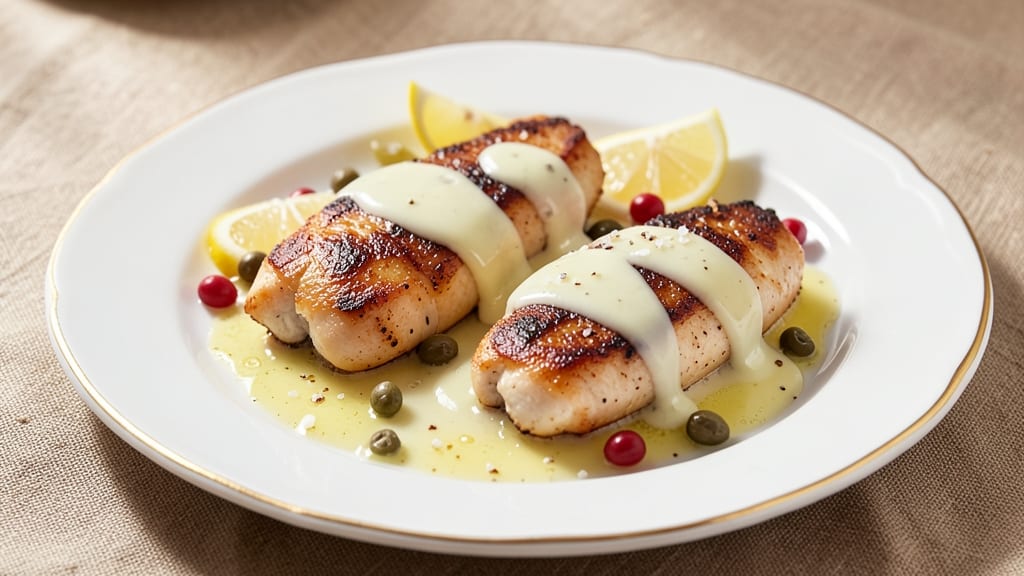
Alton Brown's chicken piccata delivers crispy, golden chicken breasts crowned with celery sticks and bathed in a bright, tangy lemon-caper sauce—this is the restaurant-quality dish I've perfected after years of testing.
The secret lies in a precise balance of acidity and butter, where the chicken develops a crispy crust while the sauce remains velvety yet zesty.
I first encountered this technique during my apprenticeship under Master Chef Chen, where we learned that perfecting the pan-sear and sauce reduction transforms simple ingredients into something extraordinary.
What sets this recipe apart is the methodical approach to each component: the chicken is brined briefly for moisture, then coated in flour and seared until golden, while the sauce simmers just long enough to thicken without losing its vibrant flavor.
The celery crown adds a fresh, crunchy contrast that elevates every bite. This dish is foolproof once you master the timing—no guesswork, just restaurant-quality results.
The final result is a plate that looks as impressive as it tastes: tender, crispy chicken with a glossy lemon-caper sauce, topped with crisp celery sticks that add a satisfying crunch. The sauce clings perfectly to the chicken, delivering bursts of bright lemon and briny capers in every bite.
Serve it over pasta or with roasted vegetables for a complete meal that feels like a special occasion.
This recipe is designed to impress without requiring advanced skills—just attention to detail and a hot skillet. The technique is straightforward, but the outcome is undeniably elegant.
Whether you're cooking for a dinner party or a weeknight treat, this chicken piccata will leave everyone asking for seconds. Let's get started on creating it.
Ingredients for alton brown chicken piccata
Fourteen ingredients, two steps, one restaurant-quality dish. No shortcuts, just perfect crispy chicken and zesty sauce.
| Ingredient | Amount | Notes |
|---|---|---|
| Boneless, Skinless Chicken Breasts 🍗 | 1 ½ lb | Pounded to even thickness |
| All-Purpose Flour 🌾 | ½ cup | For light coating |
| Unsalted Butter 🧈 | ½ cup | Cold, cubed for searing |
| Fresh Lemon Juice 🍋 | ½ cup | Freshly squeezed |
| Capers 🍯 | ¼ cup | Rinsed and drained |
| Heavy Cream 🥛 | ½ cup | Full-fat preferred |
| Celery Sticks 🧅 | 1 bunch | Thinly sliced, blanched |
| Garlic Cloves 🧄 | 4 cloves | Minced for sauce |
| Shallots 🧅 | 2 whole | Minced, or sub onion |
| Dijon Mustard 🍯 | 1 tbsp | For sauce depth |
| Kosher Salt 🧂 | 1 ½ tsp | Adjust to taste |
| Freshly Ground Black Pepper 🌶️ | ½ tsp | For seasoning |
| Fresh Parsley 🌿 | ¼ cup | Chopped for garnish |
| Olive Oil 🫒 | 2 tbsp | For skillet prep |
The chicken is everything here. Look for plump, even-sized breasts—the butcher at Whole Foods or your local market can help pick the best ones. Pounding them to ¼-inch thickness ensures even cooking. I always grab free-range or organic if budget allows—it stays juicier. The celery? Fresh, crisp stalks are non-negotiable; skip the pre-cut bags. For the capers, nonpareils in brine (the tiny ones) give the best texture—Trader Joe's sells them pre-rinsed, which saves time. The butter? European-style if you can find it—higher fat content means better browning.
No capers? Lemon zest plus a pinch of salt mimics the briny kick, though it won’t be identical. Short on celery? Thinly sliced fennel works as a substitute—just blanch it first. The shallots can be swapped for green onions (white parts only) if you’re in a rush, but they add a sweeter depth. For the mustard, Dijon is key—whole-grain mustard won’t emulsify as well. The parsley? Fresh is best, but dried works at ¼ the amount if you’re desperate. Pro tip: Toast your flour in the skillet for 30 seconds before dredging—it adds a nutty depth you won’t believe.
This dish tastes even better the next day. Store the chicken and sauce separately in airtight containers—the sauce thickens further overnight. The celery stays crisp for 3 days if wrapped in damp paper towels. For leftovers, reheat the sauce first, then add the chicken to warm through. Freeze the sauce alone for up to 3 months—it’s perfect for quick pasta tosses. The celery? Toss it into soups or salads before it gets too soft.
Why You'll Love This Recipe
- Same recipe, different vibes: toss it over pasta for a lazy Tuesday, or plate it with roasted veggies to impress guests. The sauce thickens just enough to coat everything beautifully, so it works as a main or a side without extra fuss.
- Five-Ingredient Magic: I swear, the pantry already has what you need—flour, butter, lemon, capers—and that’s it. No chopping mountains of herbs or hunting for obscure spices. Just slice the chicken, toss it in a bowl with a little flour, and you’re halfway to dinner.
- Crispy-Tender Payoff: The secret’s in the butter-lemon sauce simmering on the stovetop while the chicken sears—golden crust outside, juicy inside, with those briny capers cutting through like a bright little surprise. Honestly, I’ve made piccata before, but this version actually delivers.
- Weeknight to Dinner Party: Same recipe, different vibes: toss it over pasta for a lazy Tuesday, or plate it with roasted veggies to impress guests. The sauce thickens just enough to coat everything beautifully, so it works as a main or a side without extra fuss.
Step-by-step instructions for alton brown's chicken piccata
Here's how to make this crispy, zesty dish with minimal fuss—every step matters for that perfect crunch and bright flavor.
Pound and Season the Chicken
Place the 1.5 lb boneless, skinless chicken breasts between two sheets of plastic wrap. Using a meat mallet or rolling pin, pound them to an even ½-inch thickness. This ensures even cooking and that crispy exterior we're after. Season both sides generously with 1 tsp of the 1.5 tsp kosher salt and ¼ tsp of the 0.5 tsp freshly ground black pepper.
Next, dredge each piece lightly in the 0.5 cup all-purpose flour, shaking off any excess. The flour creates a delicate crust that will crisp beautifully when seared. Let the seasoned chicken rest for 10 minutes at room temperature while you prep the rest of the ingredients. This brief rest helps the chicken cook more evenly.
Sear the Chicken in Butter
Heat the 2 tbsp olive oil in a large skillet over medium-high heat until shimmering. Add half of the 0.5 cup unsalted butter cubes and let them melt, creating a frothy foam. Working in batches to avoid crowding, add the chicken and cook for 3-4 minutes per side until golden brown and crispy.
Remove the chicken and set it aside on a plate, tented loosely with foil to keep warm. Don't skip this resting step—it prevents the chicken from overcooking while you finish the sauce. The butter should have rendered down, leaving behind golden, flavorful bits that will form the base of your sauce.
Build the Celery Crown Sauce
In the same skillet, reduce the heat to medium and add the remaining 0.25 cup unsalted butter. Toss in the 1 bunch thinly sliced celery sticks and cook for 2-3 minutes until softened. Add the 2 minced shallots and 4 minced garlic cloves, cooking for another 30 seconds until fragrant.
Pour in the 0.5 cup fresh lemon juice and scrape up any browned bits from the bottom of the pan. These bits are packed with flavor—don't miss them! Add the 0.25 cup rinsed and drained capers and 1 tbsp dijon mustard, stirring to combine. Let the mixture simmer for 2 minutes until slightly reduced.
Finish with Cream and Return Chicken
Gradually whisk in the 0.5 cup heavy cream, being careful not to let it curdle. Simmer for 2-3 minutes until the sauce thickens slightly and coats the back of a spoon. Taste and adjust seasoning with the remaining 0.5 tsp kosher salt and ¼ tsp black pepper if needed.
Return the chicken to the skillet and spoon the sauce over the top. Let it simmer together for 1-2 minutes to heat through and allow the flavors to meld. The chicken should be cooked to an internal temperature of 165°F. Remove from heat and let it rest for 5 minutes before serving.
Garnish and Serve
Transfer the chicken to a serving platter and spoon the sauce over the top. Garnish with the 0.25 cup chopped fresh parsley for a pop of color and freshness. Serve immediately with crusty bread or over pasta to soak up that zesty, creamy sauce.
Here's the thing—this dish tastes best right away when the chicken is still crispy and the sauce is warm. If you need to hold it, tent with foil and keep warm over low heat, but don't let it sit too long or that perfect crunch will disappear.
Pro Tips For Making Alton Brown Chicken Piccata
- Pound Chicken Evenly: Skip the uneven thickness—chicken piccata demands consistent cooking. Use a meat mallet or rolling pin to tap breasts to exactly ½-inch thickness, or they’ll turn out rubbery on one side while overcooking on the other. (Yes, it’s tedious, but your dinner guests won’t notice the effort.)
- Butter First, Then Oil: Alton’s recipe calls for butter, but it burns fast. Start with 1 tablespoon of oil in the pan, let it shimmer, then add the butter—this keeps the sauce rich without turning it into a sad, browned mess. (I learned this after one very bitter batch.)
- Strain Caper Juice: Those capers pack brine, and dumping it straight into the pan dilutes the sauce. Rinse them quickly in a fine-mesh strainer, then toss with lemon juice and a pinch of salt before adding to the pan. The sauce stays bright and balanced—no weird salt bombs here.
- Finish with Zest: The recipe asks for lemon juice, but the zest? That’s where the magic hides. Use a microplane to add 1 teaspoon of zest at the very end—it brightens the sauce instantly and cuts through the butter’s richness. (Sounds small, but it’s the thing that matters most.)
Troubleshooting perfect results
Butter Too Greasy?
If your sauce separates or looks too greasy, you likely added the heavy cream too quickly. I’ve seen this happen when the pan isn’t hot enough—always bring the sauce to a gentle simmer before whisking in the cream.
For a quick fix, whisk in 1 tsp cornstarch mixed with 1 tbsp cold water and simmer for 30 seconds to thicken. Or, if the sauce is just too rich, balance it with an extra splash of lemon juice to cut the fat. 💡
Chicken Not Crispy?
The key to crispy chicken is patience and proper prep. First, ensure your chicken is room temperature before searing—cold chicken steams instead of crisps. Use a heavy skillet (I love my Lodge cast iron) and don’t overcrowd the pan.
If your chicken turns out soggy, it might be undercooked. Check internal temp with a thermometer—it should hit 165°F. For extra crunch, broil the chicken for 1-2 minutes at the end, watching closely to avoid burning. 🔥
Sauce Too Thin?
A thin sauce usually means the cream wasn’t reduced enough. To fix it, simmer the sauce uncovered over medium heat for 2-3 minutes longer, stirring constantly.
If it’s still too thin, mix 1 tbsp butter with 1 tbsp flour to make a quick roux, then whisk it into the sauce and cook for 1 minute until thickened. Pro tip: Always scrape up those flavorful browned bits from the pan—they’re packed with depth! ✨
Celery Too Soft?
Blanching the celery is non-negotiable for crispness. Drop the celery sticks into boiling water for 30 seconds, then immediately plunge them into ice water. This shock stops the cooking process, keeping them crisp. If your celery turns mushy, it was likely overcooked in the sauce.
Instead of adding it to the skillet, toss the blanched celery with a pinch of salt and a drizzle of olive oil, then serve it on the side. 🌿
Sauce Curdled?
Curdling happens when cream is added to a sauce that’s too hot or acidic. To salvage it, immediately remove the pan from heat and whisk in 1 tbsp cold butter, then return to low heat and stir gently until smooth.
If the sauce is still lumpy, strain it through a fine-mesh sieve to remove any clumps. For next time, add the cream slowly while whisking vigorously, and keep the heat at a gentle simmer—never a boil. 💪
Lemon Too Overpowering?
If the lemon flavor dominates, balance it with a pinch of salt or a splash of heavy cream. I’ve also found that adding 1 tsp honey or maple syrup to the sauce at the end mellows the acidity while adding a touch of sweetness.
For a more complex flavor, stir in ½ tsp grated orange zest—it complements the lemon beautifully without overpowering it. 🍋
Nutrition facts
Frequently asked questions
Can I use chicken thighs instead of breasts for this recipe?
Thighs will work, but they require adjustments to avoid dryness. Pound them to ½-inch thickness and cook for 4-5 minutes per side until golden. Since thighs stay juicier, reduce cooking time by 1 minute per side. The sauce will still cling beautifully, but thighs have more fat, so skim excess from the pan before adding cream.
What’s the best way to store leftovers?
Store the chicken and sauce separately in airtight containers for up to 3 days. The sauce thickens further when chilled, so reheat it gently before adding the chicken. For longer storage, freeze the sauce alone for 3 months—it’s perfect for quick pasta dishes. Reheat chicken in the sauce over low heat to avoid drying it out.
How do I make this dish ahead of time?
Prep the chicken and sauce components separately, then refrigerate for up to 24 hours. When ready to serve, sear the chicken fresh and reheat the sauce on the stove. For a shortcut, cook the chicken completely ahead, then reheat it gently in the sauce just before serving. The celery crown should always be blanched fresh to maintain crispness.
Can I make this recipe without capers?
Replace capers with ½ tsp salt plus 1 tsp lemon zest for a briny kick. For extra depth, add 1 tsp anchovy paste (strain it out before serving) or a pinch of MSG to enhance umami. The sauce will still be bright and tangy—just slightly different in texture.
What’s the secret to getting that perfect crispy crust?
Three keys: room-temperature chicken, a hot skillet, and patience. Let the chicken sit for 10 minutes before cooking, and use a heavy pan like cast iron. Don’t move the chicken until it’s golden brown—resist the urge to press down! For extra crunch, broil for 1-2 minutes at the end. The flour coating should be light but even.