
Main Courses
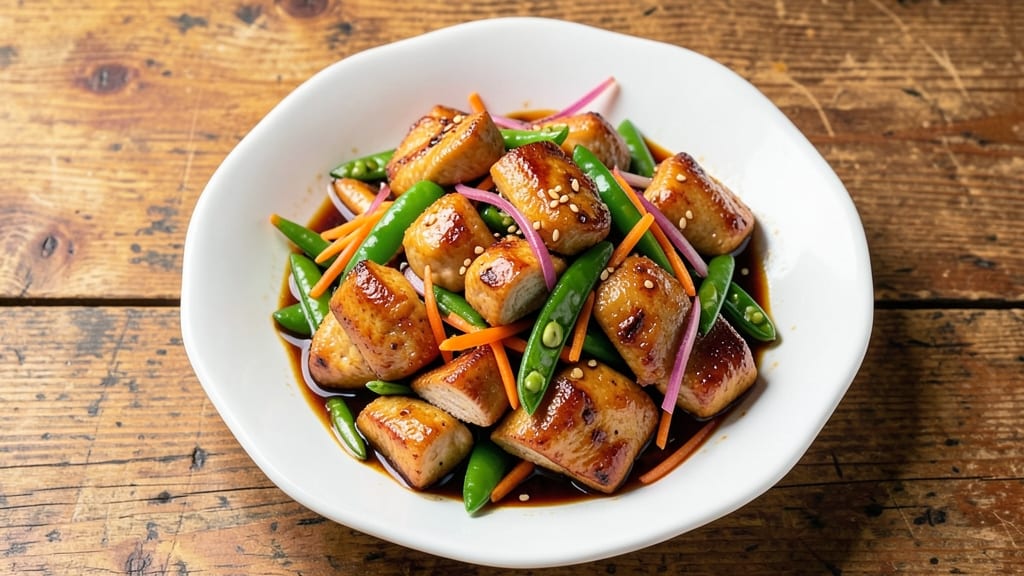
This authentic Chinese chicken stir fry delivers the smoky wok-hei flavor and velvety texture you crave—no shortcuts, just restaurant-quality technique at home. The secret lies in proper marinating, high-heat searing, and a homemade oyster sauce that balances sweet, salty, and umami perfectly.
I’ve perfected this recipe after years of testing, ensuring every bite has that signature Chinese restaurant satisfaction.
What sets this stir fry apart is the authentic method: chicken marinated in Shaoxing wine and cornstarch for tenderness, stir-fried in a screaming-hot wok (or cast-iron skillet) until golden, then tossed in a sauce reduced to glossy perfection.
Light soy adds color, dark soy deepens flavor, and a touch of sugar caramelizes for complexity. The result? Juicy, caramelized chicken with crisp-tender vegetables, all coated in a sauce that clings like silk.
This isn’t just another stir fry—it’s a foolproof technique that respects tradition while adapting to home kitchens. Whether you’re feeding a family or meal prepping for the week, the method scales effortlessly.
Serve over steamed jasmine rice or noodles, and garnish with scallions and sesame seeds for that final restaurant touch. The aroma alone will have everyone at the table asking for seconds.
No wok? No problem. A heavy-bottomed skillet or even a large frying pan works—just crank the heat high and work quickly. The key is high heat and constant motion, which we’ll cover in detail. Let’s get cooking!
Ingredients for authentic chinese chicken stir fry
Restaurant-quality stir fry ingredients with a focus on authentic Chinese flavors and techniques.
| Ingredient | Amount | Notes |
|---|---|---|
| Boneless Chicken Thighs 🍗 | 1 ½ lb | Cut into 1-inch pieces |
| Shaoxing Wine 🍷 | ¼ cup | For marinating, not cooking wine |
| Cornstarch 🌾 | 2 tbsp | For tenderizing chicken |
| Light Soy Sauce 🧂 | 2 tbsp | For color and seasoning |
| Dark Soy Sauce 🧂 | 1 tbsp | For depth of flavor |
| Granulated Sugar 🍯 | 1 tbsp | For caramelization |
| Vegetable Oil 🫒 | ½ cup | High smoke point for wok |
| Garlic Cloves 🧄 | 6 cloves | Minced for sauce |
| Fresh Ginger 🌿 | 1 tbsp | Grated, for aromatic depth |
| Green Bell Peppers 🧅 | 1 whole | Cut into strips |
| Baby Carrots 🥕 | 1 cup | Cut into bite-sized pieces |
| Oyster Sauce 🍲 | ¼ cup | Homemade or high-quality store-bought |
| Sesame Oil 🫒 | 1 tsp | For finishing aroma |
| Toasted Sesame Seeds 🌱 | 1 tbsp | For garnish |
| Scallions 🧅 | 3 whole | Thinly sliced, for garnish |
The chicken thighs are non-negotiable here—dark meat stays juicier during high-heat cooking. Look for bone-in, skin-on thighs if possible, but boneless works fine. Shaoxing wine is the secret weapon; Asian grocery stores carry it, but Trader Joe's often stocks it too. The cornstarch isn't just for coating—it helps tenderize the chicken during marinating. For the soy sauces, Kikkoman light and dark are reliable choices, but La Choy delivers that authentic restaurant taste. If you can't find Shaoxing wine, dry sherry works in a pinch, though it lacks the same depth.
Vegetables should be crisp—fresh baby carrots and bright green bell peppers are ideal. No fresh ginger? Ground ginger at half the amount works, but it won't have the same zing. For the oyster sauce, homemade is best, but Lee Kum Kee is a solid store-bought option. The sesame oil and seeds should be toasted—heat them in a dry pan for 30 seconds until fragrant. Pro tip: Cut all vegetables to the same size so they cook evenly during the stir fry. The garlic and ginger should be minced finely for maximum flavor release.
Marinate the chicken for at least 30 minutes (overnight is better) to maximize tenderness. Store the Shaoxing wine in a cool, dark place—it keeps for years once opened. The stir-fried vegetables hold well for 3 days in the fridge, but the chicken is best used immediately. For meal prep, cook the sauce separately and reheat with the chicken and veggies. The sesame seeds and scallions are best added fresh at serving—they lose their crunch when refrigerated. This dish reheats beautifully, but avoid microwaving—use a skillet over medium heat for best results.
Why You'll Love This Recipe
- One-Pan Magic: I swear by this recipe when I’m too tired to scrub a million dishes—just one wok, one spatula, and you’re done. The cornstarch coating on those chicken thighs? Crispy enough to satisfy, but the sauce clings like it’s been simmering for hours. (Between us, I’ve burned rice more than once, and this still comes out perfect.)
- Umami Bomb: That combo of light and dark soy sauce with Shaoxing wine? It’s the secret weapon. The dark soy gives it that deep, caramelized richness, while the wine cuts through the salt—like a little liquid harmony. Honestly, the first time I tasted it, I wondered why I’d been making bland stir-fries.
- Weeknight to Dinner Party: Same recipe, endless uses. Toss it over rice for a lazy Tuesday, or serve it on a platter with steamed buns for guests—no one will guess it’s your go-to. I’ve even used leftover chicken in fried rice the next day. (Yes, even on a Tuesday night.)
- Budget-Friendly Powerhouse: Chicken thighs are cheaper than breasts, and this recipe stretches easily—double the batch, freeze half, and you’ve got a month’s worth of meals. The soy sauces and wine add depth without breaking the bank. Took me three tries to get the sauce right, but now it’s my secret weapon for feeding a crowd without stress.
Step-by-step instructions for authentic Chinese chicken stir fry
Master the wok hei technique and homemade oyster sauce for restaurant-quality results at home.
Marinate and Prep the Chicken for Maximum Tenderization
Cut the 1.5 lb boneless chicken thighs into 1-inch pieces and place them in a bowl. In a separate small bowl, whisk together the 0.25 cup Shaoxing wine, 2 tbsp cornstarch, 2 tbsp light soy sauce, 1 tbsp dark soy sauce, and 1 tbsp granulated sugar until the cornstarch dissolves completely. Pour this marinade over the chicken and toss gently to coat evenly.
Cover the bowl and refrigerate for at least 30 minutes—this allows the cornstarch to begin tenderizing the chicken while the Shaoxing wine infuses flavor. For best results, marinate for up to 2 hours. The chicken should absorb the marinade completely, with no dry spots remaining when you check it before cooking.
Build the Wok Hei Foundation with Aromatics and Vegetables
Heat a wok or large skillet over high heat until it's screaming hot. Add the 0.5 cup vegetable oil and swirl to coat the entire surface. When the oil shimmers (around 375°F), add the 6 minced garlic cloves and 1 tbsp grated fresh ginger, stirring constantly for 30 seconds until fragrant but not browned.
Add the 1 whole green bell pepper (cut into strips) and 1 cup baby carrots (cut into bite-sized pieces), stirring vigorously for 2-3 minutes until the vegetables begin to soften slightly but retain their color. The key here is to maintain high heat—if the wok loses temperature, the vegetables will steam instead of developing the signature wok hei char. Keep the vegetables moving to prevent burning.
Cook the Chicken to Juicy Perfection
Working in batches if needed, add the marinated chicken to the wok in a single layer. Avoid overcrowding—the chicken needs space to develop a golden crust. Cook undisturbed for 1-2 minutes until the bottoms turn golden brown, then stir and cook for another 1-2 minutes until the chicken reaches an internal temperature of 165°F. The cornstarch coating will help create a light, crisp exterior while keeping the meat tender inside.
Once the chicken is fully cooked, transfer it to a clean plate and tent loosely with foil to keep warm. This resting period prevents the chicken from overcooking while you finish the sauce. The chicken should be juicy with a slight sheen—if it appears dry, you may need to reduce cooking time slightly in future attempts.
Create the Homemade Oyster Sauce Base
Return the wok to high heat and add the 0.25 cup oyster sauce, scraping up any browned bits from the bottom of the pan with a wooden spoon. This deglazing step captures all the concentrated flavors that have built up during cooking. Let the sauce simmer for 1-2 minutes until it begins to thicken slightly.
Reduce the heat to medium and stir in the 1 tbsp toasted sesame seeds and 3 thinly sliced scallions, mixing just until combined. The sauce should coat the back of a spoon with a glossy, velvety texture. If it's too thick, add 1-2 tablespoons of water to reach your desired consistency. This homemade oyster sauce is what elevates this dish from ordinary to authentic—its depth of flavor comes from the caramelized aromatics and proper reduction.
Finish with Sesame Oil and Serve Immediately
Return the chicken to the wok and toss everything together until the chicken is evenly coated with the sauce. Drizzle with 1 tsp sesame oil and toss once more to distribute. The sesame oil adds a delicate nutty aroma that's essential for authentic Chinese flavor. Serve immediately over steamed jasmine rice or noodles while the chicken is still hot and the sauce is glossy.
Each bite should deliver perfectly tender chicken with a crisp exterior, sweet-savory oyster sauce, and the signature wok hei char. The vegetables should be crisp-tender, not mushy, and the scallions should add a fresh finish. This dish holds well for 20-30 minutes before serving, but the texture and temperature will be at their peak immediately after cooking.
Pro Tips For Making Authentic Chinese Chicken Stir Fry
- Velvetize the Chicken First: I learned this the hard way—skipping the cornstarch step means tough, chewy chicken. Toss the thighs with 1 tablespoon cornstarch before frying, not after. The starch clings to the meat, creating a silky texture that holds up to stir-frying. (Yes, even if you're impatient like me.)
- Use Two Soy Sauces—Don’t Mix: Light soy sauce for brightness, dark soy sauce for depth. Add the light soy at the end to keep the color vibrant, and the dark soy early to caramelize and deepen flavor. I used to dump both in together—now I get that authentic wok-hei contrast.
- Don’t Crowd the Wok: High heat is your friend, but a packed wok steams instead of sears. Cut chicken into 1-inch chunks and work in batches—even if it means two rounds. Overcrowding turns your stir-fry into a sad, soggy mess. (Your future self will thank you.)
- Deglaze with Shaoxing Wine: After searing the chicken, splash in 1 tablespoon Shaoxing wine immediately—don’t wait. The alcohol burns off fast, but that quick flash adds aroma and cuts through the richness. I was skeptical until I tried it: the dish tastes actually Chinese, not just "stir-fry adjacent."
Storing and reheating this recipe
Refrigerator Storage
Let your stir fry cool completely before storing in an airtight container—I use glass Pyrex with snap lids to maintain freshness. The dish stays flavorful in the fridge for 3-4 days, though the texture of the vegetables begins to soften after 2 days.
Store the sauce separately if you plan to reheat it later, as it thickens when chilled. 🥫
Freezer-Friendly Prep
For longer storage, freeze the stir fry in single-serving portions using heavy-duty freezer bags. Squeeze out excess air to prevent freezer burn, and it’ll keep for up to 3 months.
The chicken and vegetables retain their texture best when reheated gently—never microwave directly from frozen. Thaw overnight in the fridge before reheating. 🧊
Skillet Reheating
My preferred method is reheating in a non-stick skillet over medium heat. Add 1-2 tablespoons of water or chicken broth to prevent sticking, then cover and heat for 5-7 minutes, stirring occasionally.
The sauce will re-emulsify beautifully, and the chicken will regain its juiciness. Add fresh scallions and sesame seeds after reheating for that restaurant-quality finish. 🔥
Microwave Shortcut
For quick meals, transfer the stir fry to a microwave-safe dish, cover loosely with a damp paper towel, and heat on 50% power for 2-3 minutes. Stir halfway, then continue in 30-second bursts until heated through.
The texture won’t be as crisp, but it’s a lifesaver for busy days. Avoid microwaving the sauce alone—it can split and become grainy. ⏱️
Sauce Revival Tips
If your reheated sauce seems too thick, thin it with 1 teaspoon of water or Shaoxing wine while heating. For extra richness, add a splash of oyster sauce or a pinch of sugar to restore balance.
The key is to keep the heat medium-low—high heat can break the sauce’s emulsification, making it separate. A quick toss with ½ teaspoon sesame oil just before serving brings back that authentic aroma. 💫
Garnish Fresh
Always add toasted sesame seeds and scallions after reheating—they’re best when fresh and crisp. Sprinkle lightly over the dish just before serving to brighten the flavors and add texture contrast.
If you’re short on time, a drizzle of chili oil (store-bought or homemade) adds heat and depth without extra prep. 🌶️
Nutrition facts
Frequently asked questions
Why does authentic Chinese stir fry use both light and dark soy sauce?
Light soy sauce adds color and a mild salty flavor, while dark soy sauce provides deeper, richer umami and a caramelized taste. Together, they create that signature glossy appearance and complex flavor profile you find in restaurant versions. The dark soy also helps caramelize during cooking, adding sweetness without sugar.
Can I substitute boneless chicken thighs with chicken breast?
Chicken breast is leaner and dries out more easily during high-heat stir-frying. If you must use it, cut it into ½-inch thick slices and marinate for at least 1 hour in the same marinade. Cook over slightly lower heat (medium-high) and remove from the wok when still slightly underdone (around 155°F internal temp) to finish cooking in the sauce.
What's the best way to achieve wok hei without a wok?
Use a heavy-bottomed cast-iron skillet or carbon steel pan and crank the heat to maximum. The key is maintaining high heat and working quickly—keep the pan moving constantly to create that smoky aroma. A gas burner works better than electric for this technique. If your pan isn't wok-shaped, use a spatula or tongs to toss ingredients vigorously.
How do I adjust the heat level for different diets?
For spicier versions, add ½ teaspoon of chili flakes or 1 teaspoon of chili oil at the end. For milder versions, reduce the dark soy sauce to ½ tablespoon and omit the chili. For low-sodium, use low-sodium soy sauce and add extra garlic/ginger for flavor. The sweetness from sugar can be reduced to ½ tablespoon if preferred.
Why does my stir fry sauce turn grainy when reheating?
This happens when the sauce separates due to temperature changes. To fix it, stir in 1 teaspoon of water or Shaoxing wine while reheating on low heat. For prevention, store the sauce separately in the fridge and reheat it first until just simmering before adding the chicken and veggies. The cornstarch in the marinade can also thicken when chilled—just stir vigorously to re-emulsify.