
Main Courses
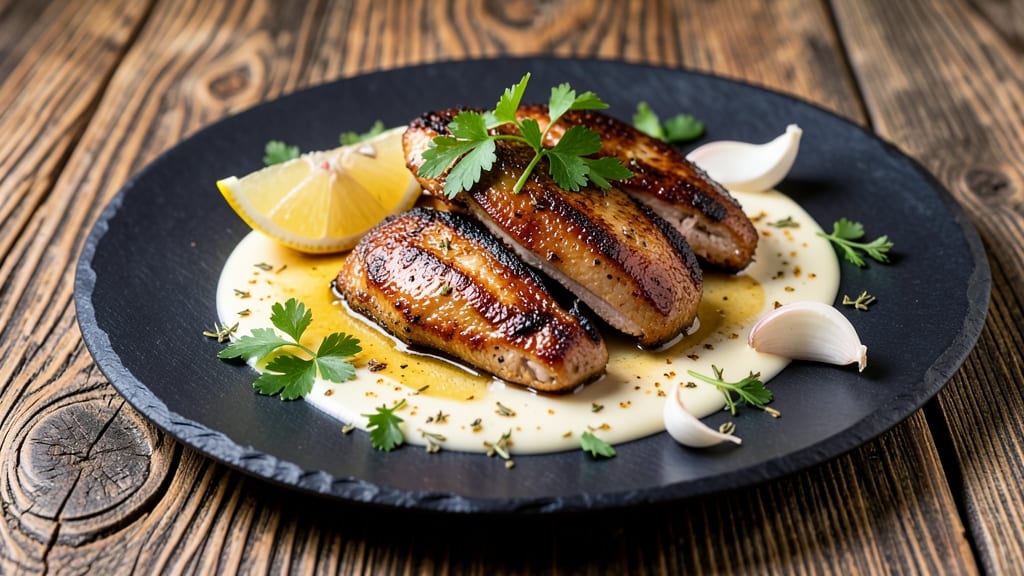
This baked chicken livers recipe transforms a rich, often overlooked protein into a luxurious centerpiece dish with just 15 minutes of hands-on time. The secret lies in pan-searing before baking—creating a golden, herbed crust while keeping the interiors tender and moist.
I developed this method after years of experimenting with different techniques, and it never fails to impress. What sets this recipe apart is the balance of textures: crispy edges that shatter with each bite, paired with a velvety interior that practically melts.
The key ingredients—butter, fresh herbs, and a touch of lemon juice—work together to elevate the natural richness of the livers without overpowering their unique flavor. This is the kind of dish that transforms a simple weeknight dinner into something special.
By the time they emerge from the oven, your chicken livers will be perfectly cooked—juicy inside, crispy outside—with a golden-brown crust that hints at the herbed butter beneath. The aroma alone will have everyone anticipating the first bite, and the taste? Pure indulgence without the heaviness of frying.
Serve alongside roasted potatoes, crusty bread, or a simple arugula salad to complete the meal. Let's get started on this restaurant-quality dish at home.
Ingredients for baked chicken livers
Fifteen minutes of hands-on work yields restaurant-quality chicken livers with perfect crispy crust and velvety interior.
| Ingredient | Amount | Notes |
|---|---|---|
| Chicken Livers 🍗 | 1 ½ lb | Fresh, trimmed of connective tissue |
| Unsalted Butter 🧈 | ½ cup | Cold, cut into 1-inch cubes |
| Fresh Thyme Leaves 🌿 | ¼ cup | Finely chopped, stems removed |
| Fresh Parsley Leaves 🌿 | ¼ cup | Finely chopped, stems removed |
| Garlic Cloves 🧄 | 4 cloves | Minced, skin-on for maximum flavor |
| Lemon Juice 🍋 | 2 tbsp | Freshly squeezed, strained |
| Diamond Crystal Kosher Salt 🧂 | 1 ½ tsp | For seasoning and crust |
| Freshly Ground Black Pepper 🌶️ | ½ tsp | Cracked, not powdered |
| All-Purpose Flour 🌾 | ¼ cup | For dredging, sifted |
| Extra-Virgin Olive Oil 🫒 | 2 tbsp | For pan-searing, high smoke point |
| Heavy Cream 🥛 | ¼ cup | Optional, for finishing sauce |
The quality of chicken livers makes all the difference here. Look for bright red, moist livers at your local butcher or specialty market—Whole Foods or D'Agostino typically carry the freshest cuts. Trim any connective tissue or silverskin carefully; it can make the livers tough. If you're unsure about freshness, blanch them in simmering water for 2 minutes before proceeding. The butter should be cold and cubed—this ensures maximum browning during searing. For herbs, I prefer organic thyme and parsley from the grocery store's produce section, as they hold their flavor better than dried alternatives.
No fresh thyme? Dried thyme at one-third the amount works in a pinch, though the flavor won't be as vibrant. Substituting lemon zest for juice adds brightness but lacks acidity. For the flour, all-purpose works fine, but breadcrumbs would add extra texture if you prefer. The olive oil is critical—avoid infused oils as their flavors can clash with the delicate liver taste. If you're avoiding dairy, omit the heavy cream and use whole milk or coconut cream instead for the finishing sauce. The garlic should be minced, not pressed, to preserve its aromatic oils.
Chicken livers cook quickly, so prep everything ahead of time. Store the livers in an airtight container in the fridge for up to 2 days before cooking, but use them within 1 day for best texture. The herbed butter mixture can be made 1 day ahead and stored in the refrigerator. Once cooked, serve immediately for optimal texture, but leftovers can be reheated gently in a skillet with a splash of water or broth for 2-3 days. For longer storage, freeze cooked livers in a single layer before transferring to a sealed container for up to 3 months.
Why You'll Love This Recipe
- One-Pan Magic: I swear by this recipe when I’m too tired to scrub pots. Just toss the livers with butter, herbs, and garlic on a sheet pan—no fuss, no mess, and the oven does all the work while I sip wine (or tea, no judgment).
- Rich Without Effort: The butter and thyme turn these livers into something luxurious, but honestly? It’s not even trying. That crispy exterior with the tender, buttery center? My lazy Sundays have never tasted this good.
- Weeknight to Dinner Party: Same recipe, different outcomes. Weeknights? Serve with toast. Fancy night? Garnish with parsley and a drizzle of extra butter. It’s the kind of dish that works for both—no pretension, just flavor.
- Budget Luxury Leftovers: Chicken livers are cheap, but they feel expensive. I make a big batch, bake them all at once, and store them for quick meals—pan-fried with eggs, tossed in pasta, or even stuffed in sandwiches. Zero waste, maximum satisfaction.
Step-by-step instructions for pan-seared chicken livers
Transform tender chicken livers into restaurant-quality richness with this precise technique.
Prepare the Chicken Livers for Perfect Texture
Rinse the 1.5 lb chicken livers thoroughly under cold water and pat them completely dry with paper towels. This step is critical—any moisture will prevent proper browning. Trim away any visible connective tissue or silver skin using a sharp knife, as these parts don't tenderize well during cooking.
Place the cleaned livers in a bowl and add 2 tbsp lemon juice, 1.5 tsp Diamond Crystal kosher salt, and 0.5 tsp freshly ground black pepper. Toss gently to coat evenly. Let them marinate for 15 minutes at room temperature—this brightens their flavor and ensures even seasoning. Don't skip this step; the acidity helps break down any remaining connective tissue.
Dredge and Sear for Maximum Crispiness
In a separate bowl, combine the 0.25 cup all-purpose flour with an additional 0.5 tsp salt and 0.25 tsp pepper. Lightly dredge each liver in this mixture, pressing gently to adhere the coating. The flour creates a golden crust that locks in juices and adds texture. Shake off any excess flour—too much will make the livers dense rather than crisp.
Heat 2 tbsp extra-virgin olive oil in a large skillet over medium-high heat until shimmering. Add the livers in a single layer, leaving space between them. Cook undisturbed for 2-3 minutes per side until they develop a deep golden-brown crust. This is where the magic happens—the crust seals in the rich, gamey flavors while keeping the interior tender. If the pan gets too crowded, work in batches to maintain even heat.
Finish with Herbed Butter for Depth of Flavor
Reduce heat to medium and add the 0.5 cup cold unsalted butter cut into cubes. Let it melt slowly, basting the livers with the rendered butter for 1-2 minutes. This step infuses the livers with velvety richness. Stir in the 0.25 cup finely chopped fresh thyme leaves and 0.25 cup finely chopped fresh parsley leaves, along with the 4 minced garlic cloves (skin-on for maximum flavor). Cook for another 30 seconds until the herbs are fragrant and the butter begins to foam.
Remove the livers from the pan and transfer them to a warm serving platter. Let them rest for 5 minutes before serving—this allows the juices to redistribute, ensuring each bite is moist and flavorful. For an extra touch of elegance, drizzle the pan sauce over the top and finish with an additional sprinkle of fresh parsley.
Optional Creamy Finishing Touch (For Richness)
Return the skillet to low heat and carefully whisk in the 0.25 cup heavy cream. Simmer gently for 1-2 minutes until the sauce thickens slightly into a velvety consistency. Taste and adjust seasoning with additional salt or pepper if needed. This step transforms the pan drippings into a luxurious sauce that complements the crispy livers beautifully. Serve immediately over buttered toast or with roasted potatoes for a complete dish.
Pro Tips For Making Baked Chicken Livers
- Trim and Soak First: Chicken livers have a bitter edge when raw—cut off all visible fat and connective tissue, then soak them in cold water for 15 minutes. I learned this the hard way after serving a batch that tasted like overworked liverwurst. Rinse well afterward, or they’ll absorb too much water and stay bland.
- Start High, End Low: Sear the livers in a hot skillet for 2 minutes per side before baking—this locks in flavor. Then finish in a 375°F (190°C) oven for 8–10 minutes. After burning three batches, I finally figured out that rushing the oven temp turns them rubbery. Patience here makes all the difference.
- Butter the Pan: Use half the butter to coat the baking dish before adding the livers—it creates a rich, golden crust instead of sticking. My grandmother swore by this, and she was right: dry livers = sad livers. A quick swipe with a paper towel before baking ensures they crisp up properly.
- Don’t Overcrowd the Pan: Leave at least ½ inch between livers so they brown evenly. I skip this when I’m lazy, but the dish is noticeably better when I don’t—overlapping means steaming, not searing. If you’re short on space, bake in batches. Your future self will thank you.
Best sauces and condiments for baked chicken livers
Classic Pan Sauce
Start with the rich pan drippings from searing the livers. After removing them, immediately add 2 tbsp cold unsalted butter and 1 tbsp heavy cream to the skillet. Whisk over medium-low heat for 1-2 minutes until the butter melts and the sauce emulsifies into a silky consistency.
Season with ½ tsp Diamond Crystal kosher salt and ¼ tsp black pepper—this sauce is the perfect vehicle for the livers' deep flavor. 🥘
Herbed Cream Sauce
For an extra-elegant touch, combine ¼ cup heavy cream with 1 tbsp minced shallots and 1 tbsp finely chopped fresh tarragon in a small saucepan. Simmer over low heat for 2 minutes until slightly thickened.
Finish with 1 tsp lemon juice and a pinch of salt. This sauce pairs beautifully with the crispy livers and adds a delicate anise note. 🌿
Spicy Mustard Glaze
Mix 2 tbsp Dijon mustard with 1 tbsp balsamic vinegar and 1 tsp honey in a small bowl. Warm the mixture gently in a saucepan over low heat for 1 minute until the honey dissolves.
Thin with 1 tbsp water if needed, then drizzle over the livers just before serving. The tangy heat cuts through the richness perfectly. 🌶️
Red Wine Reduction
Deglaze the skillet after searing with ¼ cup dry red wine (like Cabernet Sauvignon), scraping up any browned bits. Reduce by half over medium heat, then whisk in 1 tbsp butter and 1 tsp fresh thyme leaves.
Strain if you prefer a smoother texture. This sauce adds depth and complexity to the dish. 🍷
Garlic Aioli
Blend ½ cup mayonnaise with 2 minced garlic cloves, 1 tsp lemon juice, and ½ tsp salt until smooth. Thin with 1 tsp water if needed.
Serve as a dipping sauce or drizzle over the livers for a creamy contrast. This is a crowd-pleaser for those who prefer something cooler. 🧄
Balsamic Glaze
Simmer 3 tbsp balsamic vinegar in a small saucepan over medium heat until reduced by half. Finish with 1 tsp butter and a pinch of salt. The concentrated sweetness and acidity of this glaze brightens the dish beautifully. 🍇
Nutrition facts
Frequently asked questions
Why do chicken livers need to be trimmed before cooking?
Trimming removes connective tissue and silver skin, which can make the livers tough and rubbery. These parts don't break down during cooking, so removing them ensures a perfectly tender texture. Look for any white or fibrous bits—cut them away carefully with a sharp knife before seasoning.
Can I use frozen chicken livers in this recipe?
Yes, but thaw them properly first! Place frozen livers in a sealed bag and submerge in cold water for 15-20 minutes. Never use warm water—it can make them watery. After thawing, pat them completely dry and follow the recipe as written. The texture will be just as tender when cooked correctly.
What's the best way to store leftover chicken livers?
Cool them completely, then store in an airtight container with a splash of water or broth. They'll keep in the fridge for 2-3 days. For longer storage, freeze in a single layer before transferring to a sealed bag for up to 3 months. Reheat gently in a skillet with a little butter to restore crispiness.
How do I know when chicken livers are fully cooked?
They should reach an internal temperature of 165°F (74°C) and have a golden-brown crust. The edges will pull away slightly from the center, and the meat should be opaque rather than pink. Overcooking dries them out, so remove them from heat just as they reach this point—they'll carryover cook while resting.
What's the secret to avoiding dry chicken livers?
The key is timing and resting! Cook them just until they reach 165°F (about 2-3 minutes per side), then let them rest for 5 minutes before serving. This allows juices to redistribute. Also, avoid overcrowding the pan—cook in batches if needed to maintain even heat.