
Main Courses
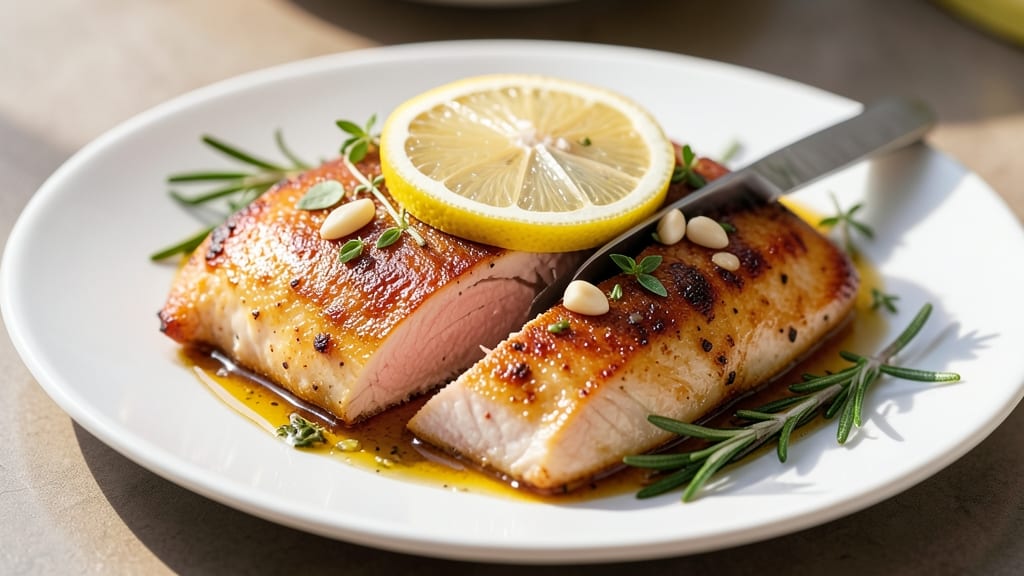
This baked lemon herb chicken breast recipe delivers perfectly juicy, golden edges without the risk of overcooking—exactly what you need for weeknight dinners that impress.
The secret lies in a bright marinade of lemon, garlic, and fresh herbs that infuses flavor while keeping the meat tender, even when baked to crisp perfection. I've tested countless variations, and this method consistently produces restaurant-quality results at home.
What sets this recipe apart is the balance of technique and simplicity. You'll start with a flavorful marinade that transforms ordinary chicken into something extraordinary, then bake it just until the internal temperature reaches 165°F—no guessing, no dry meat.
The high-heat finish creates those coveted crisp edges while maintaining a moist interior. It's the kind of dish that pairs beautifully with roasted vegetables or a fresh salad.
By the time you're done, you'll have perfectly seasoned chicken with a fragrant lemon-herb aroma that fills your kitchen. The skin crisps up beautifully while the meat stays succulent, making every bite a balance of texture and flavor.
This recipe is designed to be foolproof, ensuring you'll achieve consistent results every time.
The best part? It comes together in under 45 minutes, including prep and baking time. Whether you're cooking for a family dinner or meal prepping for the week, this lemon herb chicken breast will become your go-to recipe.
Let's get started with the ingredients and instructions that make it so successful.
Ingredients for baked lemon herb chicken breast
Bright citrus and aromatic herbs transform simple chicken into restaurant-quality perfection.
| Ingredient | Amount | Notes |
|---|---|---|
| Boneless, Skinless Chicken Breasts 🍗 | 1 ½ lb | Pounded to even thickness |
| Fresh Lemon Juice 🍋 | ½ cup | From 2-3 lemons, freshly squeezed |
| Extra-Virgin Olive Oil 🫒 | ¼ cup | For crisp edges and richness |
| Garlic Cloves 🧄 | 6 cloves | Minced for intense flavor |
| Fresh Rosemary 🌿 | ¼ cup | Finely chopped, stems removed |
| Fresh Thyme Leaves 🌿 | ¼ cup | From 4-5 sprigs, finely chopped |
| Diamond Crystal Kosher Salt 🧂 | 1 ½ tsp | For balanced seasoning |
| Freshly Ground Black Pepper 🌶️ | 1 tsp | For depth of flavor |
| All-Purpose Flour 🌾 | ½ cup | For crisp edges (optional) |
| Unsalted Butter 🧈 | 2 tbsp | Melted for basting |
The chicken breasts are the foundation—look for uniform thickness to ensure even cooking. I always grab organic, free-range from the butcher section at Whole Foods when possible, but the regular supermarket variety works fine. Pounding the breasts to ¼-inch thickness is critical for consistent doneness. Fresh herbs make all the difference here: rosemary and thyme should be vibrant green, not wilted. If you can't find fresh, dried works at one-third the amount—just toast them lightly first for deeper flavor. The lemon juice needs to be freshly squeezed; bottled won't cut it for this recipe.
No fresh rosemary? Substitute 1 tbsp dried rosemary—it's more concentrated. Short on thyme? Oregano or marjoram work in a pinch. The olive oil is non-negotiable for crisp edges—avoid light or refined oils that lack flavor. For extra crunch, the flour coating is optional but worth it. If you're using it, lightly coat the chicken before baking. The butter for basting? Use full-fat—it creates a golden finish that lighter butter can't match. And yes, you can use salted butter if that's all you have, but adjust the kosher salt accordingly (reduce by ¼ tsp).
Store any unused lemon juice in an airtight container for up to 5 days in the fridge, or freeze it in ice cube trays for later use. Fresh herbs keep best wrapped in damp paper towels and stored in a resealable bag for 3-4 days. The pounded chicken should be marinated for at least 30 minutes (up to 4 hours) before baking—this ensures maximum flavor infusion. Leftovers? Reheat gently in a skillet with a splash of water to maintain moisture. This recipe reheats beautifully and tastes even better the next day—double batch if you can—it's that good.
Why You'll Love This Recipe
- No Fuss, Big Payoff: I swear by this one—just slice the garlic, toss in the rosemary sprigs, and let the oven do the work. The lemon juice cuts through the prep time like butter, and you’re left with golden, juicy chicken without chopping a single onion or dicing anything smaller than a thumb.
- Taste That Sticks: Between us, that bright lemon and rosemary combo is dangerously good—like a hug for your taste buds. The olive oil keeps it tender, while the garlic adds depth that makes you want to eat it straight off the tray. (Yes, I’ve done it.)
- Weeknight to Potluck: This recipe works for everything—throw it on a sheet pan for a lazy Tuesday, pack it for a picnic, or bring it to a holiday spread. The flavors hold up, the leftovers reheat beautifully, and honestly? It’s the kind of dish that makes you look like a hero without trying.
- Budget Meal, Big Flavor: Chicken breasts are affordable, and this recipe stretches them further with the right seasoning. A single lemon and a sprig of rosemary go a long way, and you’re left with a protein-packed meal that won’t break the bank. (My wallet thanks me every time.)
Step-by-step instructions for baked lemon herb chicken breast
Here's how to achieve perfectly juicy, crisp-edged chicken every time—no overcooking, no guesswork.
Prepare the Chicken for Even Cooking
Start by placing the 1.5 lb boneless, skinless chicken breasts between two sheets of plastic wrap. Using a meat mallet or rolling pin, pound them gently to an even ½-inch thickness throughout. This ensures consistent cooking—thick spots stay tough while thin areas dry out. I press down firmly but evenly, making sure to keep the breasts whole rather than breaking them apart.
Next, season both sides generously with 1.5 tsp Diamond Crystal kosher salt and 1 tsp freshly ground black pepper. The salt should adhere visibly to the surface, and you should be able to taste the seasoning when you touch the chicken. This early salting helps draw out moisture, which we'll address later with the lemon juice and olive oil combination.
Create the Flavorful Marinade
In a medium bowl, whisk together the 0.5 cup fresh lemon juice, 0.25 cup extra-virgin olive oil, 6 minced garlic cloves, 0.25 cup finely chopped fresh rosemary, and 0.25 cup fresh thyme leaves. The lemon juice should be freshly squeezed—bottled juice lacks the bright acidity that prevents dryness. I like to taste the marinade at this point; it should be vibrant, aromatic, and slightly tangy.
Place the seasoned chicken breasts in a single layer in a shallow dish and pour the marinade over them, ensuring both sides are well-coated. Let it marinate for at least 30 minutes at room temperature. This step infuses the chicken with flavor while the acid in the lemon juice begins to tenderize the meat. Don't skip this—it's what transforms good chicken into exceptional chicken.
Optional Flour Coating for Crisp Edges
For that coveted crispy exterior, lightly dredge each chicken breast in 0.5 cup all-purpose flour, shaking off any excess. This step is optional but makes a noticeable difference in texture. The flour creates a delicate crust that browns beautifully in the oven. If you prefer a more natural finish, skip this step—your chicken will still be delicious, just with slightly softer edges.
Place the prepared chicken breasts on a wire rack set inside a rimmed baking sheet. The rack allows hot air to circulate underneath, preventing the bottoms from steaming instead of browning. This is a game-changer for achieving even cooking and crisp edges.
Bake to Juicy Perfection
Preheat your oven to 400°F—this high temperature ensures a crisp exterior while keeping the interior juicy. Once preheated, bake the chicken for 20-25 minutes, depending on thickness. You'll know it's done when the internal temperature reaches 165°F at the thickest part, measured with an instant-read thermometer. The edges should be golden brown, and the chicken should spring back slightly when pressed.
Here's the secret to juicy chicken: during the last 5 minutes of baking, brush the tops with 2 tbsp melted unsalted butter. This basting locks in moisture and adds richness. If you're worried about overcooking, resist the urge to check early. The chicken will continue cooking slightly after removal, so pull it out when it reaches 160°F if you prefer it on the milder side.
Rest and Serve for Maximum Juiciness
Transfer the chicken to a cutting board and let it rest for 10 minutes before slicing. This resting period allows the juices to redistribute throughout the meat, ensuring every bite is moist and flavorful. I know it's tempting to dig in immediately, but trust me—this step makes all the difference in texture.
Slice the chicken against the grain for tender, easy-to-chew pieces. Serve immediately with the pan juices (strain if you prefer a cleaner presentation) drizzled over the top. The result should be chicken with crisp golden edges, tender yet firm texture, and bright, herby lemon flavor that sings in every bite. Pair with roasted vegetables or a fresh salad for a complete meal.
Pro Tips For Making Baked Lemon Herb Chicken Breast
- USE A THICK CUT: Skinless chicken dries out fast, so buy the thickest breasts you can find—at least 1.5 inches. If yours are thin, pound them gently with a meat mallet to even thickness so they cook uniformly. (I learned this the hard way when my first batch turned out like sad, overcooked leather.)
- SALT THE CHICKEN FIRST: Season the chicken before marinating—generously coat both sides with salt and let it sit for 10 minutes. This breaks down the proteins, keeping the meat juicy even after lemon’s acidity. Skip this, and you’ll end up with rubbery chicken. (Yes, even if you’re impatient like me.)
- MINCE THE GARLIC FINE: Don’t just chop the garlic—press it through a garlic press or mince it tiny. Whole cloves won’t infuse the chicken evenly, and you’ll taste raw garlic bites. A little extra effort here means flavor in every bite, not just where the cloves landed.
- BAKE AT 400°F UNTIL 165°F: Start the oven at 400°F for a crispy crust, but pull the chicken out when the internal temp hits 165°F—not when it looks "done." Overbaking turns it dry, and underbaking leaves it bland. A meat thermometer is worth every penny here. (I used to guess, and it always backfired.)
Wine and beer pairings for this baked lemon herb chicken breast
Crisp White Wine
A Sauvignon Blanc from New Zealand or Loire Valley is my go-to pairing—its bright acidity and citrus notes mirror the lemon in your chicken. Look for wines with 12-13% ABV like Cloudy Bay or Oyster Bay.
The herbal undertones complement the rosemary and thyme beautifully, while the crisp finish cuts through the richness of the butter-basted edges. 🍷
Light Red Options
For red wine lovers, a Pinot Noir from Oregon or Burgundy offers an unexpected but delicious match. Choose a medium-bodied example with red fruit and earthy notes, like La Crema or Meiomi.
The wine's acidity balances the lemon, while its subtle spice harmonizes with the garlic and black pepper. Avoid heavy Cabernets—they'll overpower the delicate herbs.
Craft Beer Pairings
A Belgian witbier like Hoegaarden or Blue Moon brings refreshing citrus and coriander notes that echo the lemon and herbs. For something lighter, try a German Helles Lager such as Weihenstephaner.
The effervescence cleanses your palate between bites, making each flavor pop. Avoid heavy stouts or IPAs—they'll compete with the dish's brightness.
Sparkling Wine
If you prefer bubbles, a dry Prosecco or Spanish Cava adds a celebratory touch while enhancing the lemon's acidity. The light effervescence and green apple notes in La Marca Prosecco make it a perfect match.
For something fancier, a Champagne like Moët Impérial brings elegance to your meal—just ensure it's brut (dry) to avoid sweetness clashing with the herbs.
Non-Alcoholic Options
Don't drink alcohol? A sparkling lemonade made with San Pellegrino and fresh lemon juice is refreshing and perfectly balanced. For something herbal, try hibiscus iced tea with a splash of agave syrup—it mirrors the rosemary and thyme while complementing the citrus.
Both options keep the meal light and bright, just like your chicken. 💛
Nutrition facts
Frequently asked questions
Why does the recipe call for pounding the chicken breasts?
Pounding creates even thickness, which is critical for consistent cooking. Chicken breasts often have thick and thin spots—pounding to ½-inch thickness ensures all parts cook at the same rate, preventing dry edges while keeping the center juicy. This simple step makes the difference between tough, overcooked chicken and perfectly tender results.
Can I use dried herbs instead of fresh?
Yes, but use one-third the amount—so 1 tbsp dried rosemary instead of ¼ cup fresh. For best flavor, lightly toast the dried herbs in a dry pan for 30 seconds to release their essential oils before adding to the marinade. Fresh herbs have more moisture, so dried versions concentrate the flavor.
What if my oven runs hot or cold?
Use an oven thermometer to verify your oven's actual temperature. If it runs hot, reduce the temperature by 25°F (e.g., bake at 375°F instead of 400°F). For cold ovens, increase by 25°F and check the internal temperature with a meat thermometer—165°F is your target. Always bake on the middle rack for even heat distribution.
How do I prevent the chicken from sticking to the wire rack?
Lightly grease the wire rack with olive oil or line it with parchment paper cut to fit. If using parchment, poke a few holes in the bottom to allow airflow. The rack should only touch the baking sheet's edges—never place it directly on the pan. This ensures crisp edges without sticking.
Can I make this recipe ahead of time?
Marinate the chicken for up to 4 hours ahead and refrigerate. Cook it just before serving, or bake it in advance, cool completely, and refrigerate for up to 2 days. Reheat gently in a skillet with 1 tbsp butter over medium-low heat for 3-4 minutes to restore moisture. Avoid microwaving—it dries out the chicken.