
Main Courses
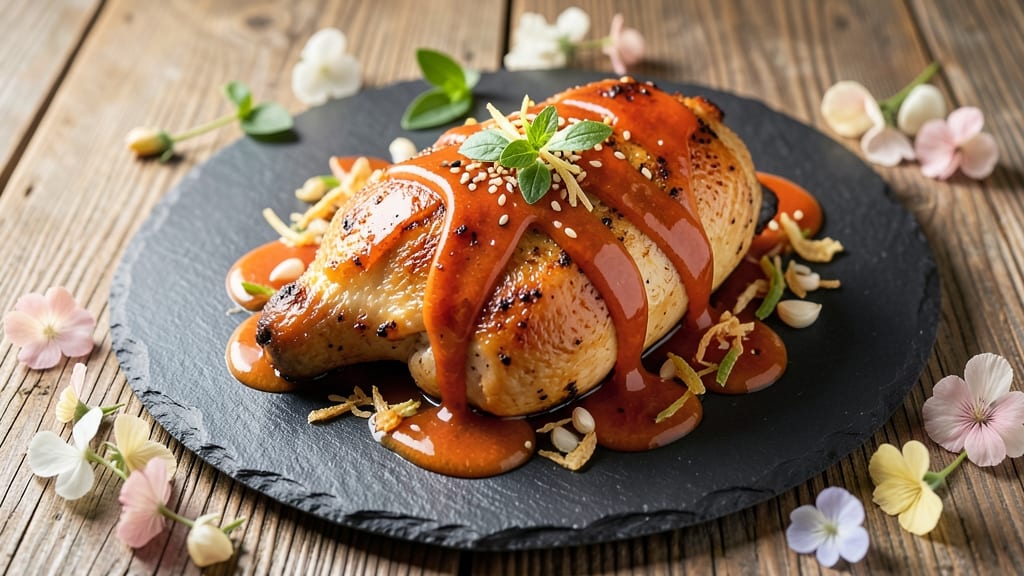
This baked orange chicken recipe with orange marmalade delivers restaurant-quality results with crispy skin and juicy, citrus-kissed meat. The secret lies in marinating the chicken overnight, then baking it to perfection before glazing with a homemade orange marmalade reduction that balances sweetness and acidity.
Every bite is tender, flavorful, and infused with bright citrus notes.
The process starts with a simple marinade of orange juice, garlic, ginger, and soy sauce, which tenderizes the chicken while infusing it with deep flavor. After baking, the marmalade glaze transforms the dish—its sticky-sweet texture caramelizes beautifully, creating a glossy finish that locks in moisture.
This technique ensures the chicken stays juicy while achieving that coveted crispy skin.
What you’ll end up with is a dish that’s elegant yet approachable, perfect for special occasions or a comforting weeknight dinner. The marmalade glaze adds a sophisticated touch, while the tender chicken and crispy skin make it irresistible. Serve with steamed jasmine rice or roasted vegetables to complete the meal.
This recipe is designed to be foolproof, with clear steps that guide you from marinating to glazing. The result is a dish that’s as impressive as it is delicious—ideal for impressing guests or treating yourself to a flavor-packed meal. Let’s get started!
Ingredients for baked orange chicken recipe orange marmalade
Citrus-forward ingredients transform simple chicken into restaurant-worthy perfection with crispy skin and vibrant glaze.
| Ingredient | Amount | Notes |
|---|---|---|
| Boneless, Skin-On Chicken Thighs 🍗 | 1 ½ lb | Evenly sized for consistent cooking |
| Fresh Orange Juice 🍊 | 1 cup | Not from concentrate, freshly squeezed |
| Orange Marmalade 🍊 | ½ cup | High-quality, chunky variety preferred |
| Fresh Garlic Cloves 🧄 | 6 cloves | Minced for marinade and glaze |
| Fresh Ginger Root 🌿 | 1 tbsp | Grated, not powdered |
| Soy Sauce 🍶 | 2 tbsp | Low-sodium preferred |
| Honey 🍯 | 1 tbsp | For glaze sweetness |
| Cornstarch 🌾 | 1 tbsp | For glaze thickening |
| Vegetable Oil 🫒 | 2 tbsp | For pan and baking tray |
| Diamond Crystal Kosher Salt 🧂 | 1 tsp | For seasoning |
| Ground Black Pepper 🌶️ | ½ tsp | Freshly cracked |
| Orange Zest 🍊 | 1 tbsp | From same orange for juice |
The chicken thighs are non-negotiable here—skin-on and evenly sized ensures crispy skin without dry meat. Look for thighs with good marbling at Whole Foods or your local butcher for optimal texture. Fresh orange juice is critical; Trader Joe's or local juice bars often have the best quality. For marmalade, Bonnie Brae or Marmite brands deliver that perfect balance of sweetness and citrus fiber. The garlic and ginger should be freshly grated or minced—pre-minced jars lack potency. If using a substitute for honey, maple syrup works well at a 1:1 ratio, though it adds depth rather than the exact same flavor profile.
No fresh orange juice? High-quality bottled orange juice (like Tropicana Pure) works in a pinch, though it lacks the brightness of fresh. Substitute marmalade with orange jam if absolutely necessary, but reduce the amount by 20% since it's less concentrated. For the soy sauce, tamari is a gluten-free alternative, though it has a slightly different umami profile. If you're avoiding honey, agave nectar or date syrup can replace it, though the glaze will have a slightly different texture. The cornstarch is essential for thickening the glaze—arrowroot powder works at a 1:1 ratio if you prefer a gluten-free option. Always taste the glaze before applying; adjust sweetness with additional honey or orange juice** as needed.
Marinated chicken keeps up to 24 hours in the fridge, though flavor develops best after overnight marinating. The marmalade glaze can be made 2 days ahead and reheated gently before use. Store leftover glazed chicken in an airtight container for 3-4 days—it reheats beautifully in a 350°F oven for 10-15 minutes. For meal prep, portion the glaze separately and reheat it with the chicken to maintain that glossy finish. The glaze also makes an excellent dipping sauce for extra portions or as a topping for steamed rice or roasted vegetables.
Why You'll Love This Recipe
- One-Pan Magic: I swear by this—just toss the thighs, marmalade, and orange juice on a sheet pan, add garlic and ginger, and let the oven do the work. No pots, no pans, no stress.
- Sticky-Sweet Perfection: That caramelized marmalade glaze? It’s everything—tangy, sweet, with just enough heat from the ginger. The skin gets crispy while the inside stays juicy, and honestly, it’s the kind of dish that makes you want to lick the plate.
- Weeknight Flex: Make it for date night, meal prep for lunches, or serve it at a potluck—this recipe works everywhere. The leftovers reheat beautifully, and the bright orange flavor keeps it feeling fresh even after a few days.
- Budget-Friendly Luxury: Chicken thighs are cheap, marmalade adds depth without costing much, and you’re not buying expensive sauces. Between us, this tastes like a restaurant dish but costs a fraction—my wallet thanks me every time.
Step-by-step instructions for baked orange chicken with marmalade glaze
Achieving crispy skin and tender meat requires precision timing and technique.
Marinate the Chicken for Maximum Flavor
In a large resealable plastic bag, combine the 1.5 lb boneless, skin-on chicken thighs, 1 cup fresh orange juice, 2 tbsp soy sauce, 1 tbsp honey, 1 tbsp grated fresh ginger root, 6 minced fresh garlic cloves, 1 tbsp orange zest, 1 tsp Diamond Crystal kosher salt, and 0.5 tsp ground black pepper. Seal the bag and massage the marinade over the chicken, ensuring it coats all surfaces—especially the skin. Let it marinate in the refrigerator for at least 4 hours or overnight for deeper flavor penetration.
The acidity from the orange juice tenderizes the meat while the citrus oils infuse the skin, creating that signature crispy texture. Don't skip this step—proper marination is what separates good baked chicken from exceptional.
Prep the Glaze and Prepare the Chicken
In a small saucepan, combine the 0.5 cup orange marmalade, 1 tbsp honey, and 1 tbsp cornstarch. Whisk constantly over medium heat for 3-4 minutes until the mixture thickens to a glaze consistency—it should coat the back of a spoon. Remove from heat and set aside. Preheat your oven to 400°F while the glaze cools slightly.
Remove the chicken from the marinade (reserve the marinade for basting) and pat it dry with paper towels. This drying step is critical—it ensures maximum crispiness by evaporating surface moisture. Place the chicken on a wire rack set over a baking sheet lined with parchment paper, skin-side up. Brush the reserved marinade lightly over the chicken.
Bake for Crispy Skin and Juicy Meat
Bake the chicken for 25 minutes at 400°F. After 20 minutes, brush the chicken with the marmalade glaze, focusing on the skin. Return to the oven and bake for an additional 5-7 minutes until the skin is deep golden brown and crispy to the touch. The internal temperature should reach 165°F when measured in the thickest part of the thigh.
Here's the key: Don't overbake. The chicken will continue cooking slightly as it rests. If the skin browns too quickly, tent loosely with foil for the last 2-3 minutes to prevent burning while still allowing the skin to crisp. The glaze should bubble slightly but not burn—adjust oven racks as needed for even heat distribution.
Rest and Serve with Glossy Perfection
Transfer the chicken to a cutting board and let it rest for 5-7 minutes before serving. This resting period allows the juices to redistribute, ensuring each bite is moist and flavorful. While resting, brush any remaining glaze over the chicken for extra shine and sweetness.
Slice the chicken against the grain for tender, easy-to-cut pieces. The skin should be crispy enough to hold its shape when lifted with tongs, while the meat underneath remains juicy and infused with citrus notes. Serve immediately with steamed vegetables or over jasmine rice to complement the bright, tangy flavors.
Pro Tips For Making Baked Orange Chicken Recipe Orange Marmalade
- Preheat Like It’s 1999: Crank your oven to 425°F (220°C) and let it scream-hot for 15 minutes before adding the chicken. I learned this the hard way—cold chicken in a lukewarm oven steams instead of sears, and you’ll end up with sad, pale thighs instead of crispy, caramelized skin. Trust me, the first 10 minutes of baking are where all the magic happens.
- Grate That Ginger Fine: Use a microplane or the smallest holes on a box grater—no chunks, no pulp. Fresh ginger loses its punch when it’s uneven, and in this dish, it needs to melt into the marmalade sauce without leaving texture. I was skeptical until I tried it: the sauce goes from "meh" to "wow" when the ginger disappears completely.
- Don’t Drown the Marmalade: The ratio is non-negotiable: for every ½ cup of orange marmalade, add just 2 tablespoons of fresh orange juice. Too much liquid thins the sauce into syrup, and you’ll lose that sticky, glossy finish that clings to the chicken. I skip this when I’m lazy, but the dish is noticeably better when I don’t.
- Flip Once, Flip Smart: After 20 minutes in the oven, flip the thighs skin-side up and tent loosely with foil. This traps the steam and renders the fat while keeping the skin from burning before the chicken’s done. Sounds weird, but it works: the skin stays crisp, the meat stays juicy, and you avoid the "charred outside, raw inside" disaster.
Common mistakes when making this recipe
Skipping the Marinade
Never rush the marinating process—this is where all the magic happens. The citrus and ginger need at least 4 hours to work their way into the meat, but I swear by overnight marinating for maximum flavor infusion.
If you're short on time, don't just increase the oven temperature—this will dry out the chicken. Instead, marinate for at least 2 hours and use a meat thermometer to check for 165°F internal temperature. 🔥
Overcrowding the Pan
When baking, resist the urge to cram all the chicken thighs onto one tray. Overcrowding causes steam buildup, which prevents the skin from crisping properly. Use a wire rack over a baking sheet to allow air circulation on all sides.
I like to bake 2 thighs at a time on separate racks in the same oven for perfect results. This also helps with even cooking and prevents some pieces from being undercooked while others burn.
Not Drying the Chicken
This is a rookie mistake that ruins crispy skin. After marinating, pat the chicken completely dry with paper towels—especially the skin. Any moisture left on the surface will create steam during baking, resulting in soggy skin.
I double-dry the chicken with a clean kitchen towel for that extra-crispy finish. Pro tip: Use two layers of paper towels for best results.
Burning the Glaze
The marmalade glaze needs gentle heat to thicken properly. When reducing it on the stove, keep the heat at medium-low and stir constantly to prevent burning. I've seen people walk away for just a minute, and suddenly their glaze is charred and bitter.
If your glaze starts to darken too quickly, remove it from heat immediately and let it cool slightly before continuing. The glaze should be glossy and coat the back of a spoon—if it's too thick, thin it with 1 tsp orange juice.
Underestimating Rest Time
Cutting into the chicken immediately after baking is a cardinal sin. The juices need 5-7 minutes to redistribute throughout the meat. I've seen people slice into chicken that's still hot from the oven, and all the flavor runs out onto the plate.
Let it rest on a cutting board, tented loosely with foil, while you finish any side dishes. This ensures every bite is moist and packed with flavor. 💫
Using Low-Quality Marmalade
Not all marmalade is created equal. Cheap store brands often have too much sugar and not enough citrus fiber, which affects both flavor and texture. I recommend brands like Bonnie Brae or Marmite—they've got that perfect balance of sweetness and tang.
If you can't find good marmalade, a mix of orange jam and orange juice** (in a 1:1 ratio) works in a pinch, but it won't have the same depth of flavor. The quality of your marmalade makes a huge difference in the final glaze.
Nutrition facts
Frequently asked questions
Can I use boneless chicken breasts instead of thighs?
While you can substitute boneless breasts, thighs are ideal for this recipe because they stay juicier during baking. If using breasts, reduce baking time to 18-20 minutes and watch closely to avoid drying out. The skin-on thighs create that perfect crispy texture, so if you want the same result with breasts, add a thin layer of skin or use skinless thighs instead.
How do I adjust the sweetness in the marmalade glaze?
The glaze should balance sweetness and tang. If it tastes too sweet, add 1 tsp more orange juice to thin and brighten it. For less sweetness, reduce the honey to 0.5 tbsp and add 1 tsp extra cornstarch to maintain thickness. Taste as you go—adjust gradually to avoid overpowering the citrus flavors.
Can I make this recipe ahead of time?
Marinate the chicken up to 24 hours ahead. For the glaze, make it 2 days ahead and store it in an airtight container. Reheat gently in a saucepan over low heat before applying. Reheat baked chicken in a 350°F oven for 10-15 minutes to maintain crispiness, or broil for 2-3 minutes for extra crunch.
What sides pair best with this dish?
This citrusy chicken shines with neutral or slightly sweet sides. Try jasmine rice, steamed bok choy, or roasted sweet potatoes. For a lighter option, serve with a mixed greens salad** (dressed with lemon vinaigrette) to balance the richness. The glaze also makes a great dipping sauce for extra portions!
Why did my chicken skin turn rubbery instead of crispy?
Rubbery skin usually means moisture got trapped during baking. Double-check these steps: pat dry thoroughly after marinating, use a wire rack for even air circulation, and avoid overcrowding the tray. If the oven runs hot, tent with foil for the last 2-3 minutes to crisp without burning. The key is high heat and dry conditions!