
Main Courses
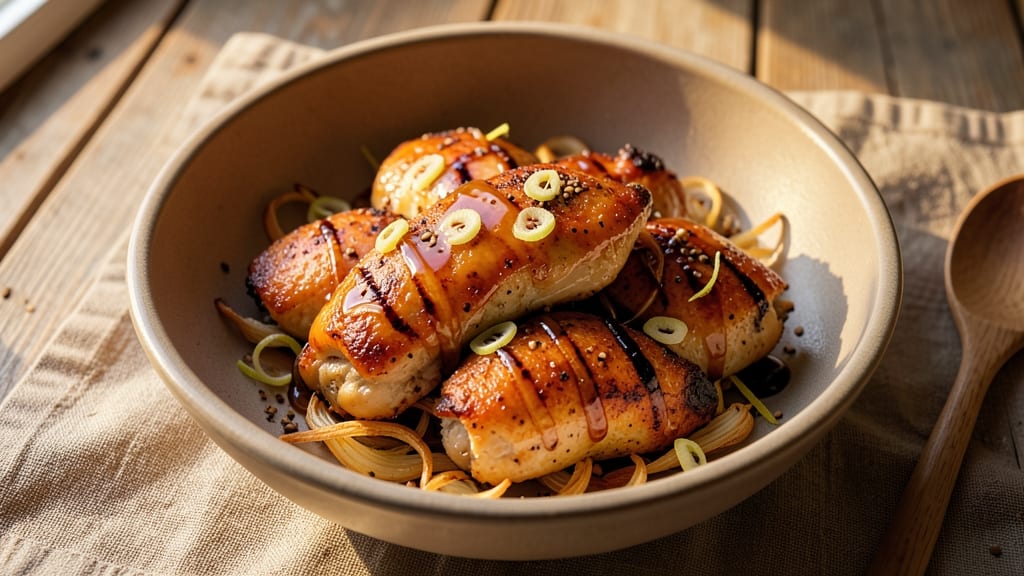
This baked orange chicken thighs recipe delivers crispy skin and juicy, citrus-infused meat that rivals takeout—without the grease. The secret lies in a balanced marinade of honey, orange juice, and ginger that tenderizes while creating a sticky, caramelized glaze during baking.
I developed this method after years of perfecting the balance between crispy edges and moist centers, ensuring every bite is both satisfying and restaurant-worthy.
The process is straightforward: chicken thighs marinate for at least 30 minutes (or overnight for deeper flavor), then bake at 400°F until the skin turns golden and the internal temperature reaches 165°F.
The result is a dish where the crispy exterior gives way to tender, flavorful meat infused with bright orange and aromatic ginger notes. This technique transforms a simple protein into a showstopper that pairs beautifully with steamed rice or roasted vegetables.
What sets this recipe apart is the glaze—sweet, tangy, and slightly sticky—that clings to the chicken without overwhelming its natural flavor. The combination of honey and orange juice creates a perfect balance of sweetness and acidity, while the ginger adds a subtle warmth that enhances every bite.
Unlike deep-frying, this method delivers the same satisfying texture with far less mess and healthier results.
Serve these baked orange chicken thighs as a main course with your favorite sides, or turn them into a meal-prep favorite by storing leftovers in the fridge for up to four days.
The glaze keeps the chicken moist and flavorful even when reheated, making it ideal for busy weeknights or meal prep Sundays. Ready to elevate your weeknight dinners?
Ingredients for baked orange chicken thighs
Balanced citrus and aromatic spices create the perfect glaze for crispy, juicy chicken thighs.
| Ingredient | Amount | Notes |
|---|---|---|
| Chicken Thighs, Bone-In 🍗 | 1 ½ lb | Skin-on, similar size for even cooking |
| Fresh Orange Juice 🍊 | ½ cup | Freshly squeezed, no pulp |
| Honey 🍯 | ¼ cup | Wildflower or clover preferred |
| Fresh Ginger 🌿 | 1 tbsp | Grated, aromatic variety |
| Olive Oil 🫒 | 2 tbsp | Extra-virgin for richness |
| Soy Sauce 🍶 | 1 tbsp | Low-sodium preferred |
| Garlic Cloves 🧄 | 4 cloves | Minced for marinade |
| Brown Sugar 🍚 | 1 tbsp | Light or dark variety |
| Salt 🧂 | 1 tsp | Kosher or sea salt |
| Black Pepper 🌶️ | ½ tsp | Freshly ground preferred |
| Cornstarch 🌾 | 1 tbsp | For crispy skin coating |
| Orange Zest 🍊 | 1 tsp | From 1 organic orange |
| Sesame Oil 🫒 | ½ tsp | Optional for aroma |
The chicken thighs are the foundation—bone-in, skin-on for that signature crispy texture. Most grocery stores carry them pre-boned, but if you find whole thighs, remove the bone yourself for better control. Look for thighs with good marbling (white streaks of fat) for extra juiciness. I always grab organic free-range when possible—Trader Joe's or Whole Foods carry reliable options. The skin should be unbroken and golden, not pale or slimy. For best results, pat them dry with paper towels before marinating to help the glaze adhere.
Fresh orange juice is non-negotiable here—bottled juice lacks the bright acidity needed for that perfect balance. If you can't find fresh, frozen concentrated orange juice (thawed and diluted) works in a pinch. The honey should be real honey, not corn syrup—look for local varieties at farmers markets for deeper flavor. No ginger on hand? Ground ginger at half the amount works, but fresh is ideal. The soy sauce adds umami depth—low-sodium versions let you control the saltiness better. For the crispy skin, the cornstarch coating is key—it creates a light, crunchy barrier that caramelizes beautifully in the oven.
Marinated chicken keeps in the fridge for up to 24 hours, but the flavor deepens overnight. The glaze can be made ahead and stored in an airtight container for 5 days—just reheat gently before using. Leftovers reheat beautifully in a 350°F oven for 15 minutes or microwave for 1 minute. The skin stays crispy if you cover loosely with foil. For meal prep, portion into single-serving containers with rice—it reheats perfectly for quick weeknight meals.
Why You'll Love This Recipe
- One-Pan Magic: Honestly, I swear by this recipe because it’s that simple—just toss the thighs, glaze, and bake. No flipping, no frying, no mess. The bone-in stays juicy while the skin gets crispy from the orange-ginger marinade, and I’m left with one pan to scrub. (Yes, even on a Tuesday night.)
- Sweet-Savory Balance: That honey-orange glaze? It’s the real star. The ginger adds a little kick, the orange cuts through the richness, and the bone-in thighs stay tender. It’s the kind of dish where every bite feels like a little vacation—bright, sticky, and satisfying without being heavy.
- Meal Prep MVP: I make a double batch on Sundays because these reheat like a dream. The glaze caramelizes just enough to stay flavorful, and the thighs hold up perfectly for lunchboxes or quick dinners. (My kids actually eat their veggies when this is on the table—don’t ask me why.)
- Budget-Friendly Luxury: Bone-in thighs are cheaper than breasts, and this recipe uses pantry staples plus a few fresh ingredients. The orange juice and ginger make it feel special, but the cost adds up to less than takeout. Plus, leftovers? They’re even better the second day—crispier, stickier, and just as crave-worthy.
Step-by-step instructions for baked orange chicken thighs
Here's how to achieve perfectly crispy skin and tender meat with a sticky citrus glaze.
Prepare the Chicken Thighs
Pat the 1.5 lb chicken thighs, bone-in completely dry with paper towels. This step is crucial—any moisture on the skin will prevent proper browning. I like to press firmly to remove all traces of water, especially around the edges where crispiness forms.
Place the thighs skin-side up on a wire rack set over a baking sheet. This allows hot air to circulate underneath, ensuring even cooking and crispy skin all around. Let them sit at room temperature for 30 minutes before baking—this ensures even cooking from edge to center.
Make the Citrus Glaze
In a small bowl, whisk together the 0.5 cup fresh orange juice, 0.25 cup honey, 1 tbsp fresh ginger, 1 tbsp soy sauce, 1 tbsp brown sugar, 1 tsp salt, and 0.5 tsp black pepper. The mixture should be smooth with no visible ginger fibers—strain it if needed for a refined texture.
In a separate small bowl, mix the 1 tbsp cornstarch with 1 tsp orange zest and 0.5 tsp sesame oil. This dry mixture will create a crispy coating on the chicken skin while adding aromatic depth. The cornstarch is key—it creates that beautiful caramelized crust when baked.
Coat and Bake the Chicken
Preheat your oven to 400°F. In a large bowl, combine the wet glaze ingredients and the dry cornstarch mixture. Add the 2 tbsp olive oil and stir until fully incorporated. The glaze should be thick enough to coat the back of a spoon but still pourable.
Place the chicken thighs in a single layer on a parchment-lined baking sheet. Brush or spoon the glaze generously over each piece, making sure to coat both sides and the edges. The skin should be fully covered with the glaze—this ensures maximum crispiness and flavor transfer.
Bake to Crispy Perfection
Bake the chicken thighs for 35-40 minutes, flipping them once halfway through at the 20-minute mark. The skin should become deep golden brown and crispy, while the internal temperature reaches 165°F when measured in the thickest part of the thigh.
For the final 5 minutes, increase the oven temperature to 425°F to intensify the caramelization. Watch closely during this time—the glaze will bubble and darken rapidly. Remove from the oven when the skin is deeply golden and the juices run clear when pierced with a meat thermometer.
Rest and Serve
Transfer the chicken thighs to a cutting board and let them rest for 10 minutes before serving. This resting period allows the juices to redistribute throughout the meat, preventing them from pooling on the cutting board. The skin will remain crispy while the meat stays juicy and tender.
Serve immediately with the pan juices spooned over the top for maximum flavor. Each bite should deliver crispy, caramelized skin with tender, juicy meat and a bright citrus glaze that balances the richness of the chicken. The combination of honey and orange creates a perfect sweet-savory contrast that's hard to resist.
Pro Tips For Making Baked Orange Chicken Thighs
- Sear First, Bake Later: Hit the thighs with a quick sear in a screaming-hot pan—3 minutes per side—before baking. That golden crust locks in the juices and makes the orange glaze stick like glue. (Yes, even if you’re impatient like me, resist the urge to skip this.)
- Zest Before Juicing: Finely grate the ginger and orange zest into the marinade—don’t just juice. The zest adds a bright, citrusy bite that cuts through the sweetness, and the ginger’s heat balances the honey. (I learned this the hard way after a batch tasted one-note.)
- Don’t Overcrowd the Pan: Use two pans if needed—thighs need space to brown and crisp. Piling them on steams the skin and turns the glaze into a sad, sticky mess. (Your future self will thank you when the skin stays crispy.)
- Baste Mid-Bake: Every 20 minutes, spoon that sticky orange-honey mixture over the thighs. It caramelizes into a glossy finish and keeps the meat from drying out. (Sounds weird, but it works—like a science experiment you actually want to eat.)
Common mistakes when making this recipe
Skipping the Rest
I can't stress this enough—skipping the 10-minute rest after baking is one of the biggest mistakes. When you cut into chicken immediately, all those delicious juices rush out, leaving you with dry, tough meat. That crispy skin stays perfect, but the inside suffers.
Let the thighs rest on a cutting board or plate, tented loosely with foil if worried about cooling too fast. Trust me, those 10 minutes make all the difference between "good" and "restaurant-quality." 💡
Uneven Glaze Application
Sloppily coating the chicken with glaze leads to patchy crispiness and uneven flavor. Don't just drizzle—use a spoon or brush to ensure every inch of skin gets an even layer, especially those tricky edges. I like to flip the thighs after coating the first side to get full coverage.
The glaze should look glossy and sticky, not dry or clumpy. This step is what creates that professional-looking caramelized crust. 🍊
Overcrowding the Pan
Piling chicken thighs too close together causes them to steam instead of crisp. Leave at least 1 inch of space between each piece for proper air circulation. I've learned this the hard way—when thighs touch, they develop soggy skin instead of the crispy texture we want.
Use a wire rack over a baking sheet if your pan is crowded, or bake in batches if needed. The extra 5 minutes of baking time is worth the perfect result. ⚡
Ignoring the Cornstarch
Omitting the cornstarch coating is a recipe for disappointment. This isn't just about crispiness—it's about creating that beautiful caramelized crust. The cornstarch creates a light, crunchy barrier that browns beautifully while keeping the meat moist.
If you skip it, you'll get a shiny but soft skin instead of the satisfying crunch. Trust the science—it's what makes this dish special! 🌾
Using Bottled Orange Juice
Bottled juice lacks the bright acidity and freshness that makes this glaze sing. The pasteurization process dulls the flavor, and you might find your chicken tasting flat or slightly metallic. For best results, always use freshly squeezed orange juice—the difference is night and day.
If you're in a pinch, frozen concentrated orange juice works better than bottled, but nothing beats the real thing. Your taste buds will thank you. 🍊
Skipping the Room Temp Step
Cold chicken takes longer to cook evenly, leading to dry edges before the center is done. Let the thighs sit at room temperature for at least 30 minutes before baking. This ensures they cook through evenly without overcooking the outside.
I know it's tempting to pop them straight in the oven, but this small step prevents rubbery meat. Think of it as giving your chicken a head start! ⏱️
Nutrition facts
Frequently asked questions
Can I use chicken breasts instead of thighs?
Chicken breasts will work, but they cook faster and are more prone to drying out. If you use them, reduce the baking time to 25-30 minutes and increase the oven temperature to 425°F for the last 5 minutes. Pound the breasts to an even thickness (1/2-inch) for consistent cooking. The glaze will still work, but thighs are ideal for their juiciness and crispy skin potential.
How do I make this dish spicier?
Add 1/2 teaspoon of red pepper flakes or 1 tablespoon of sriracha to the glaze for a mild kick. For serious heat, increase to 1 teaspoon of cayenne pepper or 1 chopped fresh chili. Balance the heat by adding a pinch more honey to the glaze. Always taste the sauce before applying to the chicken to avoid overwhelming the dish.
Can I make this recipe ahead of time?
Marinate the chicken for up to 24 hours in the fridge for deeper flavor. For meal prep, bake the thighs fully, then store them in an airtight container with the glaze. Reheat at 350°F for 15 minutes or microwave for 1 minute (covered loosely) to maintain crispiness. The glaze can be made 5 days ahead—just reheat gently before using.
Why did my chicken turn out dry?
Overcooking or skipping the 10-minute rest are the most common causes. Use a meat thermometer to check for 165°F internal temperature—never guess! Also ensure your thighs are bone-in (they stay juicier) and don't overcrowd the pan. For extra moisture, brush with a little more glaze during the last 5 minutes of baking.
What's the best way to serve these chicken thighs?
Pair with steamed jasmine rice and stir-fried bok choy for a classic combo. For extra flair, serve over coconut rice with a side of quick-pickled cucumbers. The citrus glaze also works beautifully with roasted sweet potatoes or a simple arugula salad. Garnish with fresh cilantro or sesame seeds for presentation.