
Main Courses
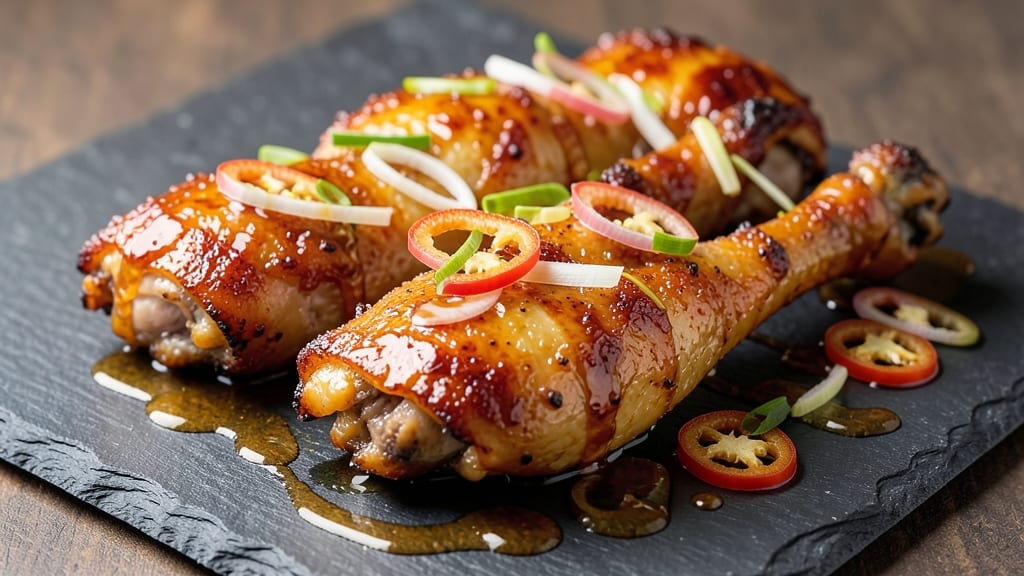
This baked teriyaki chicken legs recipe delivers the perfect balance of glossy, sticky-sweet glaze and crispy, golden skin—every bite is a harmony of textures and flavors. The secret lies in marinating the chicken overnight, allowing the teriyaki sauce to penetrate deeply while developing rich, caramelized notes.
What sets this apart is the high-heat baking technique that transforms tender meat into a crispy exterior without drying it out.
The process is straightforward yet professional: start with a homemade teriyaki sauce (or use a high-quality store-bought version), marinate the chicken legs, then bake them at 375°F until the skin is golden and the glaze is bubbly.
Basting during the last few minutes ensures that glaze clings to every surface, creating that restaurant-quality finish. The result? Juicy, flavorful chicken with a crispy texture that holds up beautifully, even when sliced.
What makes this dish truly special is how versatile it is—serve it as a main course with steamed rice and vegetables, or turn it into a meal-prep favorite by slicing the cooked legs and tossing them with noodles.
The teriyaki glaze adds a sweet-savory depth that pairs perfectly with fresh greens or a simple side salad. This recipe is designed to impress, whether you're cooking for a family dinner or meal prepping for the week.
The key to success is patience—letting the chicken marinate and the glaze develop fully ensures a dish that tastes like it came from a high-end restaurant. With just a few simple steps and the right technique, you’ll achieve crispy skin and a glossy glaze that makes these chicken legs irresistible.
Ready to elevate your weeknight dinners? Let’s get started.
Ingredients for baked teriyaki chicken legs
The right ingredients create crispy skin and glossy teriyaki harmony in every bite.
| Ingredient | Amount | Notes |
|---|---|---|
| Chicken Legs 🍗 | 8 whole | Bone-in, skin-on, similar size |
| Teriyaki Sauce 🥢 | 1 ½ cups | Homemade or high-quality store-bought |
| Honey 🍯 | ¼ cup | For homemade sauce sweetness |
| Soy Sauce 🍶 | ½ cup | Low-sodium preferred for balance |
| Garlic Cloves 🧄 | 6 cloves | Minced for sauce depth |
| Fresh Ginger 🌿 | 2 tbsp | Grated, for aromatic balance |
| Sesame Oil 🫒 | 1 tbsp | For nutty aroma |
| Vegetable Oil 🫒 | 2 tbsp | For crispy skin development |
| Brown Sugar 🍚 | ¼ cup | For caramelization |
| Rice Vinegar 🍶 | 1 tbsp | For tangy balance |
| Salt 🧂 | 1 ½ tsp | Kosher salt for seasoning |
| Black Pepper 🌶️ | ½ tsp | Freshly ground for heat |
| Cornstarch 🌾 | 1 tbsp | For glaze thickening |
| Water 💧 | 2 tbsp | For cornstarch slurry |
The chicken legs are non-negotiable—bone-in, skin-on for that perfect crispy texture. Look for similar-sized legs at Whole Foods or your local butcher shop for even cooking. If using store-bought, check for freshness—the skin should be pale and slightly translucent, not yellowed or slimy. For the teriyaki sauce, homemade wins—it's where the magic happens with caramelized notes. If short on time, Kikkoman or Yamasa sauces are reliable store-bought options, but homemade lets you control the sweet-savory balance perfectly.
No honey? Maple syrup works 1:1—just know it'll add a slightly earthier note. Short on soy sauce? Coconut aminos bridge the flavor gap, though with a milder umami punch. The garlic and ginger can be swapped for garlic powder and ground ginger at half the amount if fresh isn't available. For extra crispiness, pound the skin gently before baking—this creates more surface area for browning. If your sauce is too thin, add cornstarch slurry (mix cornstarch with water) to achieve that perfect glossy finish.
Marinated chicken keeps 2 days in the fridge, but the sauce can be made 3 days ahead—store it in an airtight container. For meal prep, slice the cooked legs and store with sauce in separate containers to maintain texture. Reheat in a 350°F oven for 10 minutes—microwaving makes the skin rubbery. The sauce thickens as it sits, so thin with a splash of water if needed before serving. Leftovers? These reheat beautifully for 3 days—perfect for quick lunches.
Why You'll Love This Recipe
- One-Pan Magic: Honestly, I dump everything on a sheet pan—chicken legs, sauce, and honey—and bake. No pots, no pans, no stress. The garlic cloves roast right alongside, infusing that sticky teriyaki with a depth that takes zero effort but feels like a restaurant finish.
- Sticky-Sweet Bliss: Between us, the caramelized honey and soy sauce create this irresistible glaze that clings to every bite. The crispy skin? That’s the best part—crunchy outside, juicy inside, with just enough garlic punch to make it feel like a cheat-day treat.
- Meal Prep MVP: I make a double batch on Sundays and store them in the fridge for lazy nights. Reheat in seconds, and the sauce stays glossy, not dried out. Perfect for lunchboxes, quick dinners, or when you just don’t want to cook.
- Budget-Friendly Feast: Chicken legs are cheaper than breasts, and this recipe stretches one bottle of teriyaki to feed four. Leftovers? Even better. I’ll be real—they’re my go-to for packed lunches, and no one ever complains. (Yes, even on a Tuesday night.)
Step-by-step instructions for baked teriyaki chicken legs
Here's how to achieve that perfect balance of crispy skin and glossy glaze every time.
Prepare the Chicken for Maximum Crispiness
Pat the 8 whole chicken legs completely dry with paper towels—this is crucial for crispy skin. I press firmly between each leg to remove all moisture from the skin and cavity. The drier the surface, the better the glaze will adhere and the crispier the skin will become.
In a small bowl, combine the 1.5 teaspoons salt, 0.5 teaspoon black pepper, and 1 tablespoon rice vinegar. Rub this mixture all over the chicken legs, including inside the cavities. The vinegar helps tenderize the meat while adding brightness to the flavor. Let the seasoned chicken rest uncovered on a wire rack for 30 minutes at room temperature—this ensures even cooking and better glaze adhesion.
Create the Enhanced Teriyaki Glaze
In a medium saucepan, combine the 1.5 cups teriyaki sauce, 0.25 cup honey, 0.5 cup soy sauce, 0.25 cup brown sugar, 6 cloves minced garlic, and 2 tablespoons grated fresh ginger. Bring to a gentle simmer over medium heat, stirring occasionally to prevent scorching. Let it cook for 5 minutes until slightly thickened and fragrant.
Remove from heat and stir in the 1 tablespoon sesame oil. This adds depth of flavor and helps create that signature glossy finish. In a small bowl, whisk together the 1 tablespoon cornstarch and 2 tablespoons water to make a slurry. Slowly stir this into the sauce while simmering gently for another 2-3 minutes until thickened to a glossy consistency. The sauce should coat the back of a spoon—this ensures perfect cling when basting.
Bake to Golden Perfection
Preheat your oven to 375°F. Place the chicken legs skin-side up on a parchment-lined baking sheet. Drizzle half of the prepared teriyaki glaze over the chicken, reserving the rest for later. Bake for 45 minutes, then carefully flip each leg and baste with the remaining glaze. Return to the oven for another 20-25 minutes until the skin is deep golden brown and crispy, and the internal temperature reaches 175°F in the thickest part of the meat.
Watch the oven closely during the final 10 minutes—you want that skin to crisp up beautifully. If the glaze starts to dry too quickly, tent the baking sheet with foil for the last 5 minutes to prevent burning while maintaining crispiness. The chicken is done when the skin releases easily from the meat and the glaze is glossy and sticky.
Rest and Serve with Flavorful Drizzle
Transfer the chicken legs to a serving platter and let them rest for 5 minutes. This resting period allows the juices to redistribute, keeping the meat moist and flavorful. While resting, spoon any accumulated pan juices over the chicken and drizzle with any remaining glaze from the saucepan.
Serve immediately with steamed rice and steamed vegetables to complement the rich teriyaki flavors. The chicken should have perfectly crispy skin that gives way to tender, juicy meat underneath, all coated in that glossy, sweet-savory glaze. Each bite should deliver a perfect harmony of textures and flavors—the crispy skin contrast with the tender meat and the sweet-savory glaze.
Pro Tips For Making Baked Teriyaki Chicken Legs
- Start with a Dry Roast: Pat those chicken legs thoroughly with paper towels before baking—no wet skin means a proper crust, not a sad, sticky mess. I used to skip this and ended up with more steamed chicken than seared, and trust me, you want that golden, caramelized edge.
- Balance the Sauce: Your teriyaki sauce is sweeter than you think—cut the honey by half if you’re using store-bought sauce (it’s already packed with sugar). I learned this after my first batch turned into a sticky glaze that burned before the chicken cooked through. A splash of rice vinegar balances the sweetness too.
- Baste Like a Boss: Every 20 minutes, pull those legs out and slather them with extra sauce—no lazy spooning from the pan. The difference between "meh" and "wow" is in that effort. Use a pastry brush if you’re impatient; I’m not judging.
- Skip the Overcrowding: Give those legs space on the baking sheet—no overlapping, no stacking. I crammed mine in once and spent 45 minutes rotating the tray instead of letting them crisp. A single layer on a wire rack guarantees even cooking and that coveted caramelized skin.
Health benefits of these flavors
Protein Powerhouse
Each serving of these baked teriyaki chicken legs delivers a robust 40 grams of protein—perfect for muscle repair and satiety. The bone-in, skin-on preparation ensures you get all the benefits of collagen and gelatin while keeping calories in check.
I love serving these as a post-workout meal because they help rebuild muscle without weighing me down. 💪
Rich in B Vitamins
Chicken legs are packed with B vitamins, particularly B6 and B12, which support energy metabolism and brain function. The teriyaki glaze adds a bonus of niacin from soy sauce, helping convert food into usable energy. I notice my energy levels stay steady after eating these—great for busy days!
Healthy Fats Balance
The skin provides monounsaturated fats that support heart health, while the teriyaki sauce contributes polyunsaturated fats from sesame oil. Together, they create a balanced fat profile that keeps cholesterol in check. The honey and brown sugar in the glaze add natural sweetness without refined sugar spikes. 🌿
Antioxidant Boost
Fresh ginger and garlic in the sauce pack antioxidant properties that fight inflammation. The sesame oil adds vitamin E, which protects cells from oxidative damage. I always keep these ingredients on hand—they make a noticeable difference in how I feel after meals.
Low-Calorie, High-Flavor
At just 350 calories per serving, these chicken legs offer restaurant-quality flavor without the guilt. The teriyaki glaze adds depth without excessive calories, making it a great option for balanced meals. I often double the batch for meal prep—perfect for lunches that feel indulgent but are actually nutritious. ✨
Bone Strength Benefits
The chicken bones contain calcium, phosphorus, and magnesium, essential minerals for bone health. When baked properly, these minerals remain intact, offering additional nutritional benefits. It's one of those dishes where every part of the ingredient contributes to your well-being! 💫
Nutrition facts
Frequently asked questions
Can I use boneless chicken thighs instead of bone-in legs?
Yes, but the cooking time and texture will differ. Boneless thighs cook faster (30-35 minutes total) and won't have the same crispy skin as bone-in legs. For best results, pat them extra dry and increase the teriyaki glaze by 2 tablespoons to compensate for less surface area. The meat will be more tender but lose that satisfying crunch from the bone.
How do I prevent the chicken skin from burning before the meat is done?
Use the tenting trick: after 45 minutes of baking, cover the pan loosely with aluminum foil for the last 10-15 minutes. This traps heat while allowing airflow to keep the skin crispy. For extra insurance, reduce oven temp to 350°F during the final 10 minutes—this prevents over-browning while finishing the meat.
Can I make this recipe in an air fryer for crispier results?
Preheat the air fryer to 375°F and cook the chicken legs for 20 minutes (skin-side up), flip, then cook another 12-15 minutes until golden. Spray with teriyaki glaze halfway through for extra crispiness. The air fryer gives you 30% more crispy skin than the oven while cutting cooking time by half.
What's the best way to reheat leftovers without drying them out?
Reheat in a 350°F oven for 10-12 minutes on a wire rack over a baking sheet—this prevents soggy skin. For air fryer reheating, use 325°F for 5 minutes with a light spray of water to revive crispiness. Never microwave—it turns the skin rubbery and the glaze gummy. Store leftovers in an airtight container with sauce on the side.
Can I substitute honey with a sugar-free alternative?
Yes, but expect a slightly different texture. Use 0.25 cup sugar-free maple syrup or 0.25 cup monk fruit sweetener mixed with 1 tbsp water to mimic honey's consistency. The glaze will be less glossy but still flavorful. For best results, add 1 tsp xanthan gum to thicken the sauce if needed.