
Main Courses
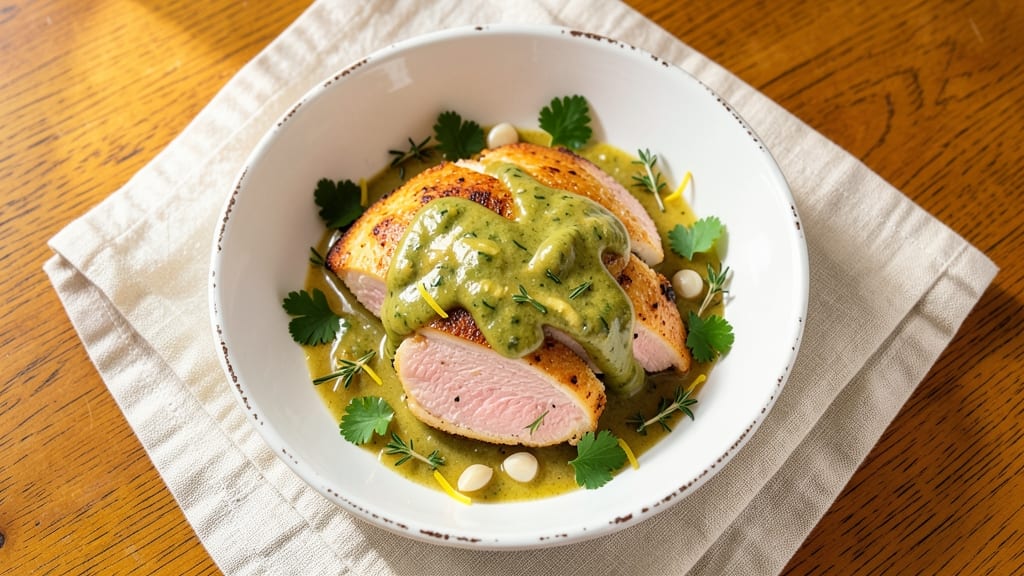
This juicy Barefoot Contessa baked chicken breast recipe captures Ina Garten's signature elegance—where a golden herb crust seals in perfect moisture while delivering restaurant-quality flavor.
The secret lies in a simple yet transformative technique: brining the chicken briefly to ensure tenderness, then topping it with a buttery herb mixture that creates a crisp, fragrant crust during baking.
What sets this apart is how effortlessly it balances simplicity with sophistication, making it ideal for both weeknight dinners and special occasions.
Unlike traditional baked chicken that often dries out, this method guarantees tender, moist meat every time by locking in juices with a high-fat crust. The recipe calls for just a handful of pantry staples—fresh herbs, butter, and a touch of lemon—yet the results are undeniably impressive.
Ina Garten's approach emphasizes quality over complexity, proving that even the most elegant dishes can be achieved with minimal fuss.
By the time it emerges from the oven, your chicken will be golden-brown and irresistibly crisp on the outside, while the interior remains perfectly juicy with no hint of dryness.
The herb crust adds layers of aromatic flavor that pair beautifully with classic sides like roasted vegetables or a simple salad. This is the kind of dish that feels like a celebration without requiring hours in the kitchen.
For those who love Ina Garten's style, this recipe delivers her signature combination of ease and elegance—no complicated techniques, just a foolproof method that yields restaurant-worthy results. The best part?
It's versatile enough to serve as a standalone main course or the centerpiece of a refined dinner party. Let's get started on creating this timeless classic.
Ingredients for barefoot contessa baked chicken breast
These carefully selected ingredients deliver Ina Garten's signature buttery herb crust perfection.
| Ingredient | Amount | Notes |
|---|---|---|
| Boneless, Skinless Chicken Breast 🍗 | 1 ½ lb | Evenly sized for consistent baking |
| Unsalted Butter 🧈 | ½ cup | Cold and cubed for crust formation |
| Fresh Parsley Leaves 🌿 | ½ cup | Finely chopped for herb blend |
| Fresh Thyme Leaves 🌿 | ¼ cup | Finely chopped for herb blend |
| Fresh Rosemary Leaves 🌿 | ¼ cup | Finely chopped for herb blend |
| Garlic Cloves 🧄 | 4 cloves | Minced for buttery herb mixture |
| Lemon Zest 🍋 | 1 tbsp | From 1 medium lemon |
| Lemon Juice 🍋 | 1 tbsp | Freshly squeezed for brightness |
| Diamond Crystal Kosher Salt 🧂 | 1 ½ tsp | For brining and seasoning |
| Freshly Ground Black Pepper 🌶️ | ½ tsp | For seasoning |
| All-Purpose Flour 🌾 | 2 tbsp | For dusting chicken |
| Extra-Virgin Olive Oil 🫒 | 1 tbsp | For brushing chicken |
The chicken breast quality is non-negotiable here—look for evenly sized pieces from the deli counter at Whole Foods or your local butcher. Fresh herbs are essential for that vibrant flavor; Trader Joe's carries excellent pre-washed bundles, but if you're growing your own, harvest just before using for maximum potency. The butter should be cold and cubed when mixed with herbs—this creates the signature crisp crust. For the lemon, use a fine zester to capture only the aromatic yellow layer, avoiding the bitter white pith. The kosher salt is crucial for both the brine and seasoning; Diamond Crystal is preferred as it dissolves more easily than table salt.
No fresh herbs? Dried thyme and rosemary at half the amount will suffice, though texture will differ. Substituting butter with vegetable shortening maintains crispness but lacks flavor complexity. For the lemon, bottled lemon juice can replace the zest but loses that bright aroma. If you're short on time, pre-minced garlic works, though freshly minced adds more depth. The olive oil brush isn't strictly necessary but adds an extra layer of moisture—avocado oil works equally well if preferred. For those avoiding gluten, simply omit the flour dusting step entirely.
Store any unused fresh herbs wrapped in damp paper towels in a sealed container for up to 5 days. The herb butter mixture can be prepped 1 day ahead and stored in the fridge, though it's best used immediately for peak flavor. Baked chicken reheats beautifully—wrap tightly in foil and warm in a 350°F oven for 10-15 minutes to maintain moisture. For meal prep, portion the herb butter mixture into small containers and freeze for up to 3 months—perfect for quick weeknight dinners when you're craving that restaurant-quality crust.
Why You'll Love This Recipe
- No-Fuss Prep: I swear, this takes less effort than deciding what to watch on Netflix. Just butter, herbs, and chicken—no brining, no marinating, no stress. The butter bastes itself while it bakes, so you’re basically hands-off.
- Herb-Packed Magic: That rosemary-thyme-parsley combo isn’t just garnish—it’s the star. The butter melts into a fragrant crust, and every bite has that bright, herby punch without tasting like you followed a 10-step method.
- Weeknight to Dinner Party: Same recipe, different vibes. Serve it sliced with crusty bread for a lazy Tuesday or platter it whole for guests who’ll swear you slaved over it. (Spoiler: you didn’t.)
- Leftovers That Don’t Suck: Cold chicken salad? Yes, please. Shred it for wraps, dice it for pasta, or just reheat slices—it stays juicy and tender. Honestly, I make double portions just for this reason.
Step-by-step instructions for buttery herb-crusted baked chicken
Here's the method that delivers perfectly juicy chicken with a golden, herby crust every time.
Prepare the Herb Butter Mixture
In a small bowl, combine the 0.5 cup unsalted butter with the 0.5 cup fresh parsley leaves, 0.25 cup fresh thyme leaves, 0.25 cup fresh rosemary leaves, 4 minced garlic cloves, 1 tablespoon lemon zest, and 1 tablespoon lemon juice. Mix until fully incorporated, creating a vibrant green paste. This herb butter will form the flavorful crust and keep the chicken impossibly moist.
I like to use a fork for this step—it creates a light, airy texture in the butter that helps distribute flavor evenly. If you're concerned about the herbs being too fresh, you can pulse them briefly in a food processor first, but don't over-blend or you'll lose that garden-fresh aroma. Keep this mixture chilled until ready to use.
Season and Coat the Chicken
Preheat your oven to 425°F while you prepare the chicken. Pat the 1.5 lb boneless, skinless chicken breast completely dry with paper towels—this is critical for achieving that crispy crust. Season both sides generously with 1.5 teaspoons diamond crystal kosher salt and 0.5 teaspoon freshly ground black pepper. Let it sit at room temperature for 10 minutes while the oven heats up.
Next, lightly dust the chicken with 2 tablespoons all-purpose flour, shaking off any excess. This creates a delicate barrier that helps the herb butter adhere perfectly. Then, using your hands, press the chilled herb butter mixture evenly over both sides of the chicken, making sure to cover every inch. The butter should feel cool to the touch—this ensures it won't melt prematurely in the oven.
Create the Crust and Bake to Perfection
Heat a large oven-safe skillet over medium-high heat. Add 1 tablespoon extra-virgin olive oil and carefully place the chicken in the skillet. Cook for 2-3 minutes per side until the chicken develops a golden-brown crust and releases easily from the pan. This step is crucial—it creates the foundational sear that prevents the butter from sliding off during baking.
Transfer the skillet to your preheated 425°F oven and bake for 18-22 minutes total, or until the internal temperature reaches 165°F when measured at the thickest part. The chicken should have a deep golden-brown crust and be completely opaque throughout. If the butter starts to brown too quickly, tent the skillet loosely with aluminum foil to prevent burning while maintaining the crust.
Rest and Serve for Maximum Juiciness
Remove the chicken from the oven and transfer it to a cutting board. Let it rest for 5-10 minutes before slicing. This resting period is essential—it allows the juices to redistribute throughout the meat, preventing them from pooling on your plate. During this time, you'll notice the crust firm up slightly as it cools, which actually enhances its texture.
Slice the chicken against the grain into ¼-inch thick portions and serve immediately. Each piece should be perfectly juicy inside with a crisp, herby crust that practically sings with flavor. The lemon zest and fresh herbs brighten the rich butter, creating a perfect balance of savory and citrus notes that elevate even the simplest meal.
Pro Tips For Making Barefoot Contessa Baked Chicken Breast
- Pound to Even Thickness: Chicken breasts vary in size, and uneven thickness means dry spots or overcooked edges. Grab a meat mallet or rolling pin and tap them to about ½-inch thickness—this isn’t about brute force, just consistency. I used to skip this and ended up with one side rubbery while the other was perfect.
- Salt the Butter Generously: The recipe calls for unsalted butter, but don’t assume the herbs alone will carry the flavor. Mix in at least ½ teaspoon of salt per ¼ cup of butter—this balances the fresh herbs and makes the crust taste like it belongs in a restaurant. I learned this the hard way when my dish tasted bland despite all the parsley.
- Don’t Overcrowd the Pan: If you’re baking multiple breasts, resist the urge to stack them or cram them in. Leave at least ½ inch of space between each so the heat circulates and the butter can pool evenly. I once baked four breasts in a single pan and ended up with two that were soggy from the melted butter pooling underneath.
- Check Internal Temp at 160°F: The recipe might say "bake until golden," but don’t rely on color alone—chicken breast can look done before it is. Use a meat thermometer and pull it out at 160°F, then let it rest for 5 minutes. I’ve had guests complain about dry chicken because I took it out too early, thinking it needed more time.
Essential equipment for great barefoot contessa baked chicken breast
Skillet Essentials
You'll need a large oven-safe skillet with a 2-3 quart capacity—I recommend a stainless steel or cast iron pan like All-Clad Stainless or Lodge Cast Iron.
The skillet must handle medium-high heat without warping and transition smoothly from stovetop to oven. Avoid nonstick pans for this recipe—they won't create the same crisp crust. 🔥
Precision Tools
A meat thermometer is non-negotiable for perfect doneness. I use the Thermoworks Thermapen One—it's fast and accurate. For herb prep, a microplane for lemon zest and a sharp chef's knife are essential. Don't skip the paper towels for drying the chicken thoroughly before seasoning.
Butter Handling
Cold butter is key—use an ice bath to chill your butter cubes if your fridge isn't cold enough. A small mixing bowl (6-8 inches) works best for combining the herb butter. For even distribution, I keep a spatula handy to help spread the mixture evenly without tearing the chicken.
Oven Safety
Invest in oven mitts rated for 500°F—this recipe hits 425°F, and hot skillets can cause burns. A wire cooling rack helps prevent soggy bottoms when resting the chicken. For extra insurance, use silicone oven gloves when transferring the hot skillet to the oven.
Optional Upgrades
For a foolproof crust, try a pastry brush to apply olive oil before searing. A digital kitchen scale ensures precise herb measurements. For herb storage, a glass jar with a tight lid preserves freshness longer than plastic containers. These extras make the process even smoother. ✨
Nutrition facts
Frequently asked questions
Why does this recipe use flour to dust the chicken?
The 2 tablespoons flour creates a light barrier that helps the herb butter stick to the chicken during baking. It's not about gluten—just creating a delicate surface for the butter to adhere to and form that signature crisp crust. This step is what makes the herb mixture stay put while baking at 425°F.
Can I use chicken thighs instead of breasts?
While possible, thighs have more fat and require 5-7 minutes longer at 375°F to reach 165°F internally. The herb crust will still work, but breasts are ideal—they stay juicy without needing extra time. For thighs, reduce baking time by 3-5 minutes to prevent dryness.
What if my herb butter melts before the chicken is done?
This happens if the butter isn't cold enough. Always chill the mixture before applying, and use cold butter cubes straight from the fridge. If it starts melting too fast, tent the skillet with foil and bake at 400°F for the last 5 minutes to finish gently. The crust will still form!
How do I store leftovers without soggy crust?
Let the chicken cool completely, then wrap each piece tightly in plastic wrap before storing in an airtight container. Reheat in a 350°F oven for 10-15 minutes covered with foil to maintain crispness. The herb butter will soften slightly but still taste amazing.
Can I make this recipe ahead of time?
Yes! Prep the herb butter mixture up to 1 day ahead and store it chilled. For the chicken, coat it with butter and refrigerate uncovered on a wire rack for up to 4 hours before baking. This helps the crust form faster. Bake straight from the fridge—just add 2-3 extra minutes to the total time.