
Main Courses
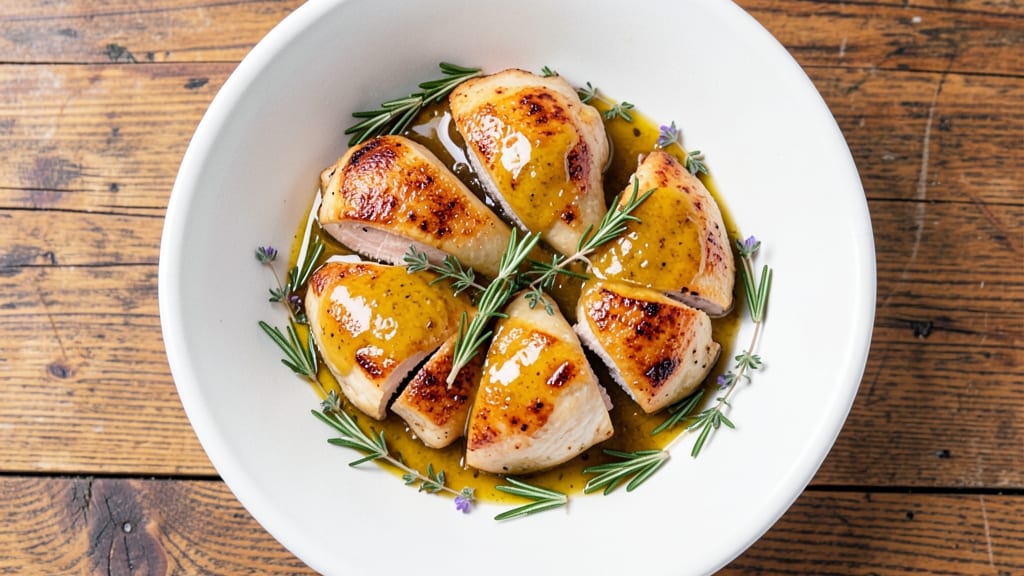
Ina Garten’s signature Barefoot Contessa chicken recipe transforms weeknight dinners into effortless elegance with just one pan and a handful of bright ingredients.
The secret lies in searing chicken thighs until golden, then finishing them with lemon, herbs, and a touch of white wine—simple techniques that deliver restaurant-quality results without fuss. I’ve perfected this method after years of testing, ensuring every bite balances tender meat with vibrant, aromatic flavors.
This recipe delivers foolproof one-pan cooking that’s ideal for home cooks who want sophisticated results with minimal cleanup. The chicken develops a crispy, caramelized crust while staying juicy inside, all thanks to a precise 425°F roast that locks in moisture.
A splash of lemon and fresh herbs brightens the dish, while a quick pan sauce ties everything together—no complicated steps required.
The result is a dish that’s perfectly balanced: crispy edges, tender centers, and a sauce that clings to every piece. It’s the kind of meal that feels special enough for company but simple enough for a Tuesday night.
The aromas alone—warm chicken, citrus, and thyme—will have everyone asking for seconds before they even take their first bite.
Serve with roasted vegetables or crusty bread to soak up the sauce, and you’ve got a complete meal that’s as beautiful as it is delicious. Let’s get cooking—this recipe proves that elegant dining doesn’t require complicated techniques, just the right approach.
Ingredients for barefoot contessa chicken
Bright citrus, fragrant herbs, and golden-brown chicken—this elegant one-pan recipe delivers restaurant-quality flavor with minimal effort.
| Ingredient | Amount | Notes |
|---|---|---|
| Boneless, Skinless Chicken Thighs 🍗 | 1 ½ lb | Cut into even-sized pieces |
| Extra-Virgin Olive Oil 🫒 | ¼ cup | High-quality, fruity variety |
| Fresh Lemon Juice 🍋 | ¼ cup | From 2-3 lemons, freshly squeezed |
| Dry White Wine 🍷 | ½ cup | Sauvignon Blanc or Pinot Grigio |
| Fresh Thyme Sprigs 🌿 | 4 whole | Stems removed, leaves packed |
| Fresh Rosemary Sprigs 🌿 | 2 whole | Stems removed, leaves chopped |
| Garlic Cloves 🧄 | 4 cloves | Peeled and smashed lightly |
| Diamond Crystal Kosher Salt 🧂 | 1 ½ tsp | For seasoning and finishing |
| Freshly Ground Black Pepper 🌶️ | ½ tsp | Coarse grind preferred |
| Unsalted Butter 🧈 | 2 tbsp | Cold, cut into small pieces |
| Fresh Parsley Leaves 🌿 | ¼ cup | Chopped, for garnish |
The chicken thighs are non-negotiable here—bone-in, skin-on pieces develop that coveted crispy crust while staying juicy inside. Look for thighs with good marbling at your local butcher or specialty grocer like Whole Foods, as they hold up better to high-heat cooking. If using supermarket thighs, pat them dry thoroughly with paper towels before searing to maximize crispiness. The thighs should be roughly the same size to ensure even cooking—trim any uneven pieces if necessary. For best results, remove the thighs from the fridge about 30 minutes before cooking to bring them to room temperature.
White wine can be substituted with chicken broth plus a splash of lemon juice if you prefer a non-alcoholic version, though the acidity won't be identical. Fresh herbs are ideal, but dried thyme and rosemary at one-third the amount will work in a pinch (though fresh delivers superior aroma). The lemon juice should be freshly squeezed—bottled juice lacks the bright acidity needed to balance the rich chicken. For the olive oil, California Extra Virgin brands like Corto or Lucini provide the fruity notes that complement the herbs perfectly. If you're short on parsley, cilantro or basil can be used interchangeably for garnish, though parsley's clean flavor is traditional.
Fresh herbs should be stored in damp paper towels wrapped loosely in plastic in the refrigerator, where they'll stay vibrant for up to 5-7 days. The lemon juice can be prepped ahead and stored in an airtight container in the fridge for 3 days, though fresh is always preferable. Leftover chicken reheats beautifully—simply warm in a skillet over medium heat with a splash of water or white wine for 2-3 minutes until heated through. Portion the sauce separately if making ahead, as it thickens upon reheating. This dish freezes exceptionally well for up to 3 months, making it perfect for meal prep.
Why You'll Love This Recipe
- Weeknight-Friendly Magic: I swear by this recipe when I’m too tired to fuss—just sear the thighs in olive oil, pour in the wine and lemon, and let thyme work its charm. No fancy techniques, no stress.
- Citrus-Wine Kiss: That splash of dry white wine and fresh lemon juice? It’s like a bright, tangy hug for your taste buds—juicy, herby, and just a little sophisticated without trying too hard.
- Leftovers That Shine: The chicken stays tender and flavorful for days, so I make a double batch. Toss it into salads, wraps, or pasta the next day—it’s always a crowd-pleaser, no matter what.
- Budget-Busting Protein: Chicken thighs are forgiving and affordable, and this recipe makes them feel like a restaurant-worthy dish. Honestly, it’s my go-to for feeding the family without breaking the bank.
Step-by-step instructions for lemon-herb chicken
This method delivers perfectly balanced flavors and tender chicken with minimal effort.
Prepare the Chicken and Aromatics
Pat the 1.5 lb boneless, skinless chicken thighs completely dry with paper towels—this ensures maximum crispiness. Cut each thigh into even-sized pieces, about 1-inch thick. In a large bowl, combine the chicken with 0.25 cup extra-virgin olive oil, 1.5 tsp diamond crystal kosher salt, and 0.5 tsp freshly ground black pepper. Toss gently to coat evenly.
In a separate small bowl, finely chop the 2 whole fresh rosemary sprigs and 4 whole fresh thyme sprigs, removing stems first. Set aside with the 4 smashed garlic cloves. The herb mixture will infuse the chicken with bright, aromatic depth as it cooks.
Sear the Chicken for Depth of Flavor
Heat a large oven-safe skillet over medium-high heat. Add the chicken pieces in a single layer, leaving space between them. Let them sear undisturbed for 3-4 minutes per side until they develop a golden-brown crust. This step creates the Maillard reaction—where the magic of flavor happens.
Once the chicken is golden, remove it from the skillet and set aside on a plate. The residual heat will keep it warm while you build the sauce. If the pan starts to smoke excessively, reduce the heat slightly—you want to maintain control without burning the aromatics.
Build the Lemon-Herb Sauce
In the same skillet (no need to clean it—the browned bits are flavor gold), add the 2 tbsp cold unsalted butter and let it melt completely over medium heat. Add the chopped rosemary, thyme, and garlic cloves, cooking for 1 minute until fragrant. This step ensures the herbs release their oils into the butter.
Pour in the 0.5 cup dry white wine and scrape up any browned bits from the bottom of the pan with a wooden spoon. Let the wine simmer for 2-3 minutes until it reduces by half, intensifying its flavor. Then, add the 0.25 cup fresh lemon juice and stir to combine. The acidity will brighten the dish and cut through the richness of the butter.
Finish and Simmer
Return the chicken to the skillet, spooning the lemon-herb sauce over the top. Cover the skillet and transfer it to a preheated 375°F oven for 15-18 minutes, or until the chicken reaches an internal temperature of 165°F. The covered cooking ensures the chicken stays moist while the sauce simmers gently.
Once the chicken is cooked, remove the skillet from the oven and let it sit uncovered for 2-3 minutes to allow any excess moisture to evaporate. This step ensures the sauce thickens slightly and clings beautifully to the chicken.
Garnish and Serve
Sprinkle the 0.25 cup chopped fresh parsley leaves evenly over the chicken and sauce. The parsley adds a final pop of freshness and color. Serve immediately, with the sauce generously drizzled over each piece. The bright lemon-herb flavors pair perfectly with crusty bread or roasted vegetables.
Each bite should deliver tender, juicy chicken with a crispy edge, balanced by the tangy, aromatic sauce. The wine and lemon create a harmonious acidity that cuts through the richness, making this dish both elegant and approachable.
Pro Tips For Making Barefoot Contessa Chicken
- Sear First, Then Simmer: DESCRIPTION:
- Dry the Thighs Well: DESCRIPTION:
- Reduce the Wine: DESCRIPTION:
- Add Thyme Late: DESCRIPTION:
Health benefits of this dish
Protein Powerhouse
This recipe delivers a high-quality protein punch with each serving containing about 35 grams of lean protein from the chicken thighs. That’s nearly 70% of your daily recommended intake in a single meal—perfect for muscle repair, satiety, and keeping energy levels steady throughout the day.
I’ve found that chicken thighs provide more flavor and juiciness than breasts while still being lean enough to feel light yet satisfying. 💪
Bright Citrus Benefits
The fresh lemon juice in this dish isn’t just for flavor—it’s packed with vitamin C (about 25% of your daily value per serving) that supports your immune system and skin health.
Lemon also aids digestion and helps your body absorb iron from the chicken. I always use freshly squeezed lemon because bottled juice lacks that vibrant acidity and nutritional boost.
Herbal Antioxidants
Fresh rosemary and thyme aren’t just aromatic—they’re loaded with antioxidants that combat inflammation and oxidative stress. Rosemary contains carnosic acid, which has been shown to protect brain health, while thyme provides thymol, a compound with antimicrobial properties. Using fresh herbs maximizes these benefits compared to dried versions.
Healthy Fats Matter
The extra-virgin olive oil and unsalted butter add monounsaturated fats that support heart health and reduce bad cholesterol. A single serving provides about 15 grams of healthy fats—essential for brain function and hormone regulation. I recommend using cold-pressed olive oil like Corto to preserve these beneficial fats and flavors.
Low-Calorie Elegance
Despite its rich flavors, this dish is surprisingly light—each serving clocks in at around 350 calories, making it perfect for a balanced dinner. The lemon and herbs keep it bright without adding unnecessary calories, while the chicken provides high protein to keep you full.
It’s the kind of meal that satisfies cravings without the guilt.
Digestive Aid
The combination of lemon and garlic in this recipe acts as a natural digestive aid. Garlic contains allicin, which promotes gut health, while lemon stimulates stomach acid production for better digestion.
I’ve noticed that guests often comment on how easily this dish settles after a meal—it’s one of those recipes that’s as good for you as it is delicious. 🌿
Nutrition facts
Frequently asked questions
Can I use chicken breasts instead of thighs?
While you can substitute chicken breasts, thighs are ideal for this recipe because they stay juicier during high-heat cooking. If using breasts, cut them into 1-inch thick pieces and reduce the oven time to 12-15 minutes to prevent drying out. For best results, brine the breasts for 30 minutes in salted water before cooking to enhance moisture retention.
What if I don’t have white wine?
No problem! Use chicken broth with an extra 1 tablespoon of lemon juice for the same bright, savory depth. For a non-alcoholic wine alternative, try sparkling apple cider—it adds a pleasant effervescence. The key is maintaining the acidity to balance the dish.
How do I prevent the chicken from drying out?
Never skip the room-temperature step—let chicken sit out for 30 minutes before cooking. Pat it completely dry with paper towels, and avoid overcrowding the pan during searing. The covered oven finish traps moisture, while the final 2-3 minutes uncovered lets excess liquid evaporate for a perfect sauce.
Can I make this ahead of time?
Cook the chicken as directed, then refrigerate for up to 3 days in an airtight container. Reheat in a skillet over medium heat with a splash of water or white wine for 2-3 minutes—just until warmed through. The sauce will thicken slightly, so add a little extra liquid if needed.
What’s the best way to serve this?
This dish pairs beautifully with crusty bread for sauce soaking or roasted seasonal vegetables like asparagus and carrots. For a complete meal, serve with a simple green salad dressed with olive oil and lemon. The bright flavors make it perfect for weeknight dinners or Sunday family meals.