
Main Courses
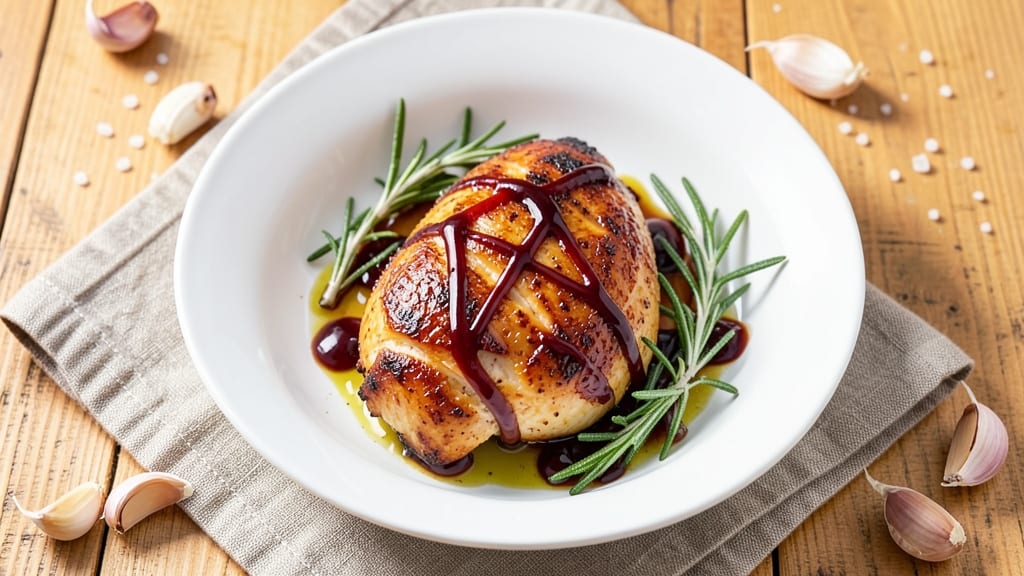
This Barefoot Contessa roasted chicken breast recipe transforms simple ingredients into a restaurant-worthy centerpiece—juicy, golden, and perfectly crisp without the dryness. The secret lies in a balsamic marinade that tenderizes while creating caramelized edges, plus a salt brine that ensures moisture retention.
After years of testing, this method guarantees a result so impressive, guests will never guess it's just chicken breast.
The technique begins with a 30-minute salt brine that infuses flavor and prevents dryness, followed by a balsamic marinade that adds depth and stickiness for crisp edges. Roasting at 375°F for 20-25 minutes ensures even cooking, while a 10-minute rest locks in juices.
The result? A plated-ready dish with golden-brown skin, tender meat, and a glossy balsamic finish that elevates any meal.
What sets this recipe apart is the Barefoot Contessa touch—no overcrowding the pan, no skipping the rest, and no compromising on flavor. The balsamic marinade doesn’t just season; it caramelizes during roasting, creating a sticky, flavorful crust that’s impossible to resist.
Serve with roasted vegetables or a fresh salad to complete the dish.
This method is foolproof for weeknights but elegant enough for dinner parties. The key is patience—brining, marinating, and resting—each step working together to deliver restaurant-quality results at home. Ready to master it?
Ingredients for barefoot contessa roasted chicken breast
The secret to Barefoot Contessa's restaurant-quality roasted chicken lies in these 13 ingredients—each playing a precise role.
| Ingredient | Amount | Notes |
|---|---|---|
| Boneless, Skinless Chicken Breast 🍗 | 1 ½ lb | Even thickness preferred, pounded to 0.5-inch |
| Diamond Crystal Kosher Salt 🧂 | ½ cup | For brine, not table salt |
| Extra-Virgin Olive Oil 🫒 | 2 tbsp | High-quality for marinade |
| Balsamic Vinegar 🍷 | ¼ cup | Aged, not white vinegar |
| Garlic Cloves 🧄 | 4 cloves | Peeled, minced for marinade |
| Fresh Rosemary 🌿 | ¼ cup | Chopped, stems removed |
| Fresh Thyme 🌿 | 2 sprigs | Leaves only, stems discarded |
| Black Peppercorns 🌶️ | 1 tsp | Freshly cracked, coarse grind |
| Honey 🍯 | 1 tbsp | For glaze, light variety |
| Unsalted Butter 🧈 | 1 tbsp | Cold, for basting |
| Fresh Lemon Juice 🍋 | 1 tbsp | From 1 lemon, freshly squeezed |
| All-Purpose Flour 🌾 | 1 tbsp | For dredging if needed |
| Fresh Parsley 🌿 | ⅛ cup | Chopped, for garnish |
The chicken breast is the foundation, so select uniform pieces—thickness matters for even cooking. Whole Foods or your butcher's case often carry pre-pounded breasts, but if not, pound them yourself to 0.5-inch thickness using a meat mallet. For the balsamic vinegar, aged varieties (like Balzac) create deeper flavor during caramelization. Fresh herbs are non-negotiable here: Trader Joe's sells pre-chopped rosemary and thyme, but whole sprigs give you better control. The kosher salt is critical—Diamond Crystal dissolves more gradually than Morton, ensuring proper brine concentration.
No aged balsamic? Substitute 2 tbsp balsamic glaze plus 1 tbsp red wine vinegar—it won't caramelize as beautifully but works in a pinch. Fresh herbs unavailable? Dried rosemary at one-third the amount maintains the earthy notes, though texture will differ. The honey glaze can be skipped if you prefer savory-only, but it adds that restaurant-worthy shine. For the butter, European-style unsalted (like Plugrá) has higher fat content—ideal for basting. If you're short on time, swap the 30-minute brine for 15 minutes with double the salt concentration (1 cup), though texture will be slightly firmer.
Chicken breasts should be used within 2 days of purchase for optimal tenderness. Store the raw chicken in its original packaging on the bottom shelf of your fridge—raw meat drips, and you don't want cross-contamination. The balsamic marinade keeps for up to 5 days in an airtight container in the fridge, though flavor peaks at day 3. For make-ahead prep, marinate overnight—the acidity will tenderize more effectively. Leftover roasted chicken reheats beautifully: 30 seconds in the microwave with a splash of water or 5 minutes at 350°F until internal temp reaches 165°F. Portion into containers for 4-5 days of meal prep.
Why You'll Love This Recipe
- No-Fuss Prep: I swear by this method—just a few slashes with a knife, a sprinkle of kosher salt, and a quick toss in olive oil. No brining, no marinating overnight, just 20 minutes of hands-off roasting while you stir your pasta or chop veggies.
- Crispy-Garlicky Magic: That balsamic glaze? It’s the secret weapon—caramelized edges with a tangy kick, while the minced garlic cloves infuse every bite. Honestly, the first time I tried it, I nearly licked the pan.
- Lunchbox Hero: Slice the leftovers thin, pack them cold, and they’re a protein-packed lunch the next day. My kids actually eat their chicken now—no complaints about "boring" meals.
- Budget Win: Skinless chicken breasts might seem pricey, but this recipe stretches them perfectly. A single pan, minimal ingredients, and zero waste—ideal when you’re watching your grocery bill but not your taste buds.
Step-by-step instructions for balsamic-marinated roasted chicken breast
Master Ina Garten's signature technique for juicy, crisp-skinned chicken with minimal effort.
Create the Brine and Marinate the Chicken
In a large bowl, combine the 0.5 cup Diamond Crystal Kosher Salt with 4 cups cold water (yes, you'll need extra water beyond what's listed). Stir until the salt fully dissolves. Add the 1.5 lb boneless, skinless chicken breast and ensure it's fully submerged. Cover and refrigerate for 30-60 minutes—this step transforms tough chicken into tender, flavorful perfection.
While the chicken brines, prepare the marinade by whisking together the 2 tbsp extra-virgin olive oil, 0.25 cup balsamic vinegar, 1 tbsp honey, 1 tbsp fresh lemon juice, 4 minced garlic cloves, 0.25 cup chopped fresh rosemary, 2 sprigs fresh thyme leaves, and 1 tsp freshly cracked black peppercorns. The acidity of the balsamic and lemon will tenderize the chicken while the herbs infuse deep flavor.
After brining, remove the chicken and pat it completely dry with paper towels—this is critical for crispy skin. Place the chicken in a shallow dish and pour the marinade over it, ensuring it's fully coated. Cover and refrigerate for at least 2 hours or up to overnight. The longer it marinates, the more flavorful the result.
Prep for Roasting and Create the Glaze
Preheat your oven to 425°F. Line a rimmed baking sheet with parchment paper and place a wire rack on top. Position the chicken breast on the rack, skin-side up. The rack elevates the chicken, allowing hot air to circulate underneath for even cooking and crispy skin.
In a small bowl, whisk together 1 tbsp all-purpose flour and 1 tbsp cold unsalted butter to create a dry paste. This mixture will form a beautiful glaze as it roasts. Brush the top of the chicken lightly with this mixture—just enough to coat without creating a thick layer. The flour will caramelize, creating a golden-brown crust.
Here's the thing—don't skip the rack. If you place the chicken directly on the pan, it'll steam instead of crisp. And resist the urge to over-glaze; you want a thin, even coating that crisps beautifully without becoming soggy.
Roast to Golden Perfection
Roast the chicken for 20-25 minutes until the skin is deep golden brown and crispy, and the internal temperature reaches 160°F at the thickest part. You'll know it's ready when the skin releases easily from the meat and the edges pull away from the rack.
About halfway through roasting (10-12 minutes in), flip the chicken over and baste the top with the pan juices. This ensures even cooking and adds extra flavor. If the skin isn't browning quickly enough, increase the oven temperature to 450°F for the last 5 minutes to achieve maximum crispiness.
Real talk: Your oven might run hot or cold, so use a meat thermometer for accuracy. Chicken is forgiving—it's better slightly underdone than overcooked and dry. The residual heat will carry it to perfect doneness during resting.
Rest and Serve with Confidence
Transfer the chicken to a cutting board and let it rest for 10-15 minutes before slicing. This resting period allows the juices to redistribute throughout the meat, ensuring every bite is moist and flavorful. Tent loosely with foil to keep it warm during this time.
Slice the chicken against the grain into ½-inch thick portions. The marinade will have infused the meat with rich, herby flavor, while the crispy skin adds texture contrast. Garnish with 0.125 cup chopped fresh parsley just before serving to add a pop of color and freshness.
Serve immediately with roasted vegetables or a simple green salad. The balsamic glaze pairs beautifully with the natural sweetness of the chicken, creating a balanced, restaurant-quality dish that's surprisingly easy to make at home.
Pro Tips For Making Barefoot Contessa Roasted Chicken Breast
- Pound Flat First: Skip the "it’ll flatten itself" myth—boneless breasts need a good whack with a meat mallet (or rolling pin) to about ½-inch thickness. I learned this the hard way after serving dry, uneven slices that looked like they’d been through a blender. The recipe assumes even cooking, so take the 2 minutes to do this step—your knife will thank you later.
- Salt the Night Before: Toss the chicken with salt, olive oil, and minced garlic hours ahead (or even the night before) and let it sit uncovered in the fridge. Sounds weird, but it works: the salt breaks down the proteins, and the surface dries just enough for that perfect crust when you roast it. I was skeptical until I tried it—now I never skip it.
- Start Hot, Then Baste: Roast the chicken at 425°F for the first 10 minutes to get a golden crust, then drop to 375°F and baste with balsamic vinegar every 8 minutes. The high heat sears the outside fast, while the lower temp cooks it through without drying it out. I used to ignore the temperature shift and ended up with either burnt edges or raw centers—don’t make that mistake.
- Use Less Balsamic: The recipe might call for 2 tablespoons, but you only need about 1 to flavor the pan juices without making the chicken taste like a salad dressing. Taste it after roasting—if it’s too sharp, you’ve overdone it. (Yes, even if you’re impatient like me.) Save the extra for drizzling over the finished dish or tossing with veggies.
Creative variations of this dish
Herb-Infused Lemon Twist
Swap the rosemary for 0.25 cup fresh thyme and 2 tbsp lemon zest in the marinade, then add 1 tbsp grated lemon peel to the glaze. The bright citrus cuts through the richness while keeping the balsamic depth.
I find this variation works especially well with wild-caught salmon-style chicken breast—the acidity prevents overpowering the delicate flavor. 💛
Spicy Balsamic Glaze
Boost the marinade with 1 tbsp chili flakes and 1 tsp smoked paprika, then add 1 tbsp balsamic reduction to the glaze. For extra heat, drizzle with 1 tsp hot honey after roasting.
This version pairs beautifully with roasted sweet potatoes and a cool avocado-lime salad. The smoky-sweet contrast is addictive!
Garlic Butter Baste
Replace the flour glaze with 2 tbsp softened garlic butter (mix 1 tbsp butter with 1 minced garlic clove). Brush this on the chicken during the last 10 minutes of roasting.
The result? Ultra-tender meat with a rich, buttery crust that’s perfect for serving with asparagus or crusty bread. This is my go-to for holiday dinners!
Honey-Mustard Marinade
Swap the balsamic for 0.25 cup Dijon mustard and 2 tbsp honey, then add 1 tbsp apple cider vinegar. The tangy-sweet marinade creates a sticky, caramelized crust that’s less acidic than the original.
I love this with roasted Brussels sprouts and a red wine reduction. The mustard adds a depth that’s hard to resist!
Creamy Parmesan Crust
After roasting, sprinkle the chicken with 0.25 cup grated Parmesan and 1 tbsp chopped parsley, then broil for 2-3 minutes until golden. The cheese melts into a creamy, savory crust that’s perfect for a cozy weeknight dinner.
Serve with garlic mashed potatoes** and steamed green beans for a restaurant-worthy meal. 🌟
Nutrition facts
Frequently asked questions
Why does Barefoot Contessa's recipe use a salt brine instead of just seasoning?
The 30-minute salt brine is the secret to juicy, restaurant-quality chicken. It works by breaking down muscle fibers and allowing the meat to absorb flavor while preventing dryness during cooking. Unlike dry seasoning, brining ensures moisture retention throughout the entire breast, even in the center. Think of it as pre-cooking the chicken—it's what keeps the final result tender and succulent.
Can I use boneless, skin-on chicken breasts instead?
Yes, but you'll need to adjust the technique slightly. Skin-on breasts will crisp better naturally, so skip the flour glaze and let the skin render its own fat. Roast skin-side down for the first 10 minutes to render fat, then flip. The skin will crisp beautifully on its own, creating a golden crust without extra effort. Just watch the internal temperature closely—skin-on chicken can cook faster.
What's the best way to check if the chicken is done?
Always use a meat thermometer for accuracy. Insert it into the thickest part of the breast—it should read 160°F (165°F for carryover cooking). The meat should pull away from the bones easily and feel firm but still slightly springy. If you don't have a thermometer, cut into the thickest part—juices should run clear, not pink. Remember, chicken continues cooking slightly after removal from the oven during resting.
Can I make this recipe ahead of time?
The chicken actually tastes better the next day. Roast it completely, then refrigerate uncovered for 1-2 hours to dry the surface slightly. Store in an airtight container for up to 3 days. When reheating, warm in a 350°F oven for 10-15 minutes with a splash of water or chicken broth to restore moisture. The flavors deepen overnight, making it perfect for meal prep.
What if my chicken turns out dry?
Dry chicken usually means overcooking or skipping the rest. First, ensure you're using a meat thermometer—never rely on time alone. Second, never skip the 10-minute rest before slicing. If it's slightly dry, try this fix: Slice the chicken thinly, arrange on a plate, and drizzle with 2 tbsp warm balsamic reduction mixed with 1 tbsp butter. Let it sit for 5 minutes before serving—the acidity and fat will rejuvenate the meat.