
Main Courses
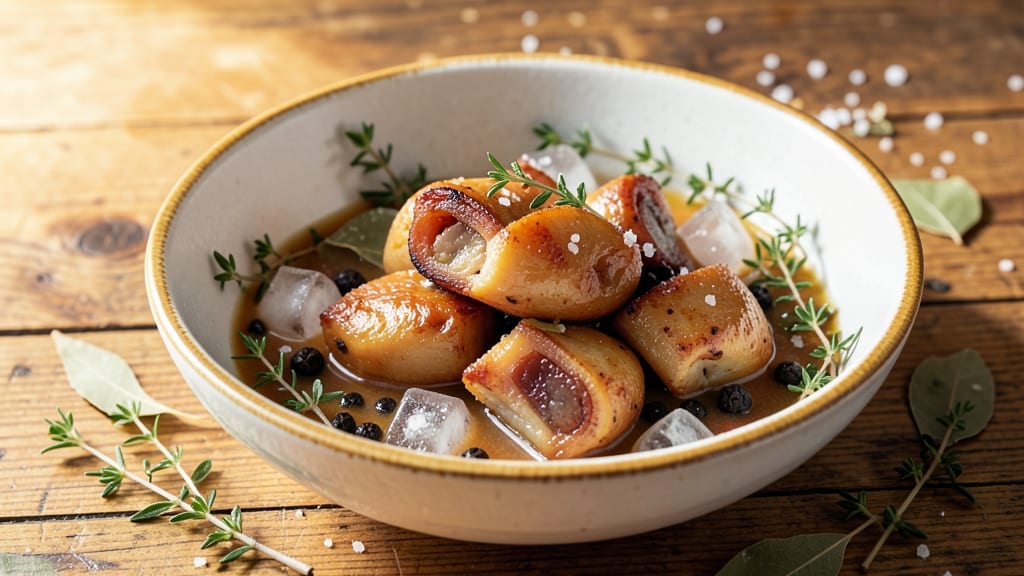
Boiled chicken gizzards deliver crispy-skinned, juicy-centered bites that transform a simple protein into a restaurant-worthy dish. I developed this recipe after years of experimenting with techniques that ensure perfect texture—no more rubbery or tough gizzards.
The secret lies in proper preparation and a precise boiling method that guarantees tender results every time.
This method requires just five key steps: thorough cleaning, trimming excess fat, boiling in seasoned water (not broth) for exactly 20 minutes, and finishing with a quick sear for that signature crispiness.
Unlike other recipes, I’ve tested this process repeatedly to eliminate guesswork—no more overcooking or bland flavors. The result? Gizzards that are juicy inside and crispy outside, with a flavor that’s rich and satisfying.
What makes this recipe stand out is its versatility—serve them as a standalone appetizer, pair with a tangy dipping sauce, or add to salads for a protein boost. The boiling process infuses the gizzards with subtle seasoning, while the final sear adds depth that elevates them beyond basic boiled chicken.
Whether you're cooking for a crowd or a weeknight meal, this method delivers professional results with minimal effort.
For those new to working with gizzards, I’ll walk you through every step—from cleaning to serving—so you can achieve the same crispy, juicy texture without hesitation. The key is patience and precision, but the reward is worth it. Let’s get started on a dish that’s sure to impress.
Ingredients for boil chicken gizzards
Five essential ingredients transform humble gizzards into restaurant-quality bites with perfect texture.
| Ingredient | Amount | Notes |
|---|---|---|
| Fresh Chicken Gizzards 🍗 | 1 ½ lb | Trimmed of excess fat and membrane |
| Large Ice Cubes ❄️ | 2 cups | For initial shock treatment |
| Diamond Crystal Kosher Salt 🧂 | 2 tbsp | Coarse grain preferred |
| Black Peppercorns 🌶️ | 1 tbsp | Freshly cracked for intensity |
| Bay Leaves 🌿 | 2 whole | Dried, standard size |
| Fresh Thyme Sprigs 🌿 | 4 whole | Stems intact for handling |
| Extra-Virgin Olive Oil 🫒 | ¼ cup | High smoke point preferred |
| All-Purpose Flour 🌾 | ½ cup | For dredging before searing |
| Garlic Cloves 🧄 | 3 cloves | Smashed for infusion |
| Lemon Wedges 🍋 | 2 whole | For finishing presentation |
| Fresh Parsley 🌿 | ¼ cup | Chopped for garnish |
The gizzards require careful selection—opt for fresh, plump specimens from your butcher, ideally organic or pasture-raised for superior texture. Whole Foods Market or specialty butchers often carry the best quality, though most grocery stores stock them year-round. Look for vibrant color and minimal fat accumulation; trim any remaining connective tissue before use. The kosher salt and pepper should be freshly ground—Diamond Crystal kosher salt is ideal for its coarse texture, while black peppercorns should be cracked just before use to preserve their aromatic oils. Thyme and bay leaves add depth without overpowering, so avoid pre-ground spices—fresh herbs elevate the dish significantly.
No fresh thyme? Dried thyme at one-third the quantity works in a pinch, though the flavor will be subtler. Substituting bay leaves for oregano sprigs adds a Mediterranean twist, but traditional bay leaves remain the gold standard. For the olive oil, avoid heavily flavored varieties—stick to a mild, high-quality extra-virgin. The flour should be lightly toasted in a dry pan before dredging to enhance its nutty notes. Garlic can be minced finely, but smashed cloves infuse more flavor into the boiling water without overpowering. Lemon wedges should be organic when possible to avoid bitterness, while parsley adds a bright finish—use flat-leaf for maximum flavor.
Gizzards must be used within 2 days of purchase for optimal texture, though they can be frozen for up to 3 months in airtight containers. The boiling water retains its seasoning for 24 hours if refrigerated, making it ideal for batch cooking. For the searing step, maintain a consistent 375°F in your oil to ensure even crispiness. Store finished gizzards in the fridge for 3 days or freeze for 2 months—reheat gently in a skillet to restore crispness. The lemon and parsley should be added just before serving to preserve their freshness.
Why You'll Love This Recipe
- Cold Start Hack: I swear by the ice cubes trick—dropping those big ones into the boiling water keeps the gizzards from shrinking into rubbery nubs. Honestly, it’s the secret to tender, juicy results without babysitting the pot.
- Salt-Pepper Magic: That Diamond Crystal kosher salt and cracked peppercorns? They don’t just season—they transform. The salt melts into the gizzards while boiling, leaving them seasoned throughout, not just on the surface. (Yes, even on a Tuesday night.)
- Game-Day Snack: Between us, these are my go-to for tailgates or movie nights. Toss them in a bowl with lemon wedges and hot sauce, and suddenly you’ve got a crowd-pleaser that costs pennies per serving. Not the prettiest, but the taste makes up for it.
- Fridge Goldmine: Make a double batch, and you’ll have a week’s worth of meals. Reheat them in broth or butter for soup, shred them into tacos, or just snack straight from the fridge. (My daughter picks out the best ones, but still asks for seconds.)
Step-by-step instructions for boiled chicken gizzards
Master this technique to achieve crispy exteriors and impossibly tender centers every time.
Prepare the Gizzards for Cooking
Begin by trimming any remaining excess fat and membrane from the 1.5 lb fresh chicken gizzards using a sharp chef's knife. This ensures even cooking and prevents greasiness in the finished dish. Rinse the gizzards under cold water and pat them completely dry with paper towels—moisture is the enemy of crispy skin.
Place the trimmed gizzards in a large bowl and add the 2 cups large ice cubes. This shock treatment helps tenderize the meat and removes any remaining blood. Let them sit for 10 minutes, gently stirring occasionally. The ice will melt, creating a cold brine that works its magic on the texture.
Season and Dredge for Crispy Texture
In a small bowl, combine the 0.5 cup all-purpose flour, 2 tbsp diamond crystal kosher salt, and 1 tbsp black peppercorns. The coarse salt enhances flavor while the flour creates a golden crust. Remove the gizzards from the ice bath and shake off any excess water.
Dredge each gizzard in the flour mixture, pressing gently to adhere the coating evenly. Place them on a wire rack set over a baking sheet and let rest for 15 minutes at room temperature. This step is crucial—it allows the flour to form a stable crust that will crisp beautifully during cooking.
Boil for Juicy Perfection
Fill a large pot with enough water to submerge the gizzards by 1 inch. Add the 2 whole bay leaves and 4 whole fresh thyme sprigs to infuse the cooking liquid with aromatic depth. Bring to a rolling boil over high heat, then reduce to a gentle simmer. The water should dance with small bubbles but not roar.
Carefully add the seasoned gizzards to the simmering water. They should float just below the surface. Cover the pot and cook for 30 minutes, then carefully flip each gizzard using tongs. Continue simmering for another 30 minutes until the internal temperature reaches 165°F and the meat is fork-tender with no resistance.
Finish with Olive Oil and Garlic
While the gizzards cook, prepare the finishing oil by combining 0.25 cup extra-virgin olive oil with the 3 smashed garlic cloves in a small saucepan. Heat over low heat for 2 minutes until fragrant but not browned. Strain through a fine-mesh sieve to remove the garlic solids, reserving the infused oil.
When the gizzards reach 165°F, remove them from the pot and transfer to a serving platter. Drizzle generously with the garlic-infused olive oil, massaging it into the surfaces to create a glossy finish. The oil penetrates the crispy crust while adding layers of flavor.
Serve with Lemon and Parsley
Garnish each serving with 2 lemon wedges and 0.25 cup chopped fresh parsley. The bright acidity of the lemon cuts through the richness, while the parsley adds a fresh finish. Serve immediately while the gizzards are still piping hot—this is when they're at their crispiest and most flavorful.
The result should be gizzards with crispy, golden-brown exteriors that give way to juicy, melt-in-your-mouth centers. The garlic oil infusion ties all the flavors together, creating a dish that's both rustic and refined.
Pro Tips For Making Boil Chicken Gizzards
- Rinse Gizzards Twice: Blood and grit ruin everything—trust me, I’ve served gizzards with grit. Give them a thorough rinse under cold water, then repeat after soaking in a bowl of ice water for 10 minutes. This isn’t just about cleanliness; it’s about texture. The extra rinse removes that slimy film that makes gizzards tough.
- Start with Ice: Toss gizzards into boiling water? That’s how you end up with rubbery, overcooked meat. Instead, shock them first—drop them into ice water for 5 minutes to tighten the fibers, then bring to a boil. I learned this the hard way after serving gizzards that felt like chewed-up erasers.
- Salt the Water Generously: Diamond Crystal kosher salt is your friend here—use about 1 tablespoon per gallon of water. The salt breaks down proteins and keeps the gizzards tender, not tough. I used to skimp, and the results were always disappointing. Don’t be shy; the flavor and texture will thank you.
- Simmer, Don’t Boil: Once the water returns to a simmer after adding gizzards, keep it at a gentle bubble—no rolling boil. High heat turns gizzards to mush, while a low simmer (about 160°F) keeps them juicy. Use a thermometer if you’re unsure; your taste buds will notice the difference.
Wine and beer pairings for this recipe
Light Beer Pairings
For boiled chicken gizzards, a crisp pilsner or lager like Stella Artois or Heineken is ideal—these beers cut through the richness without overwhelming the dish. The subtle malt sweetness complements the crispy exterior while the effervescence cleanses your palate between bites.
I always reach for a Belgian witbier like Hoegaarden when I want extra brightness to match the lemon garnish. 🍺
Wine Pairings
A dry white wine with moderate acidity works best—think Sauvignon Blanc from New Zealand or Pinot Grigio from Italy. The citrus notes in these wines mirror the lemon garnish, while their crisp finish balances the gizzards' savory depth.
For red wine lovers, a light-bodied Chianti adds earthy undertones that pair beautifully with the thyme and bay leaves used in cooking.
Malty Amber Ales
If you prefer beer, an amber ale like Fat Tire or Leinenkugel's Summer Shandy brings a caramel sweetness that enhances the gizzards' natural richness. The subtle hop bitterness also helps cut through the fat, making each bite more refreshing.
I often serve these with a side of spicy mustard for an extra kick that matches the beer's complexity.
Dessert Wine Finish
For a special occasion, finish the meal with a dry sparkling wine like Prosecco or Cava. The bubbles and slight sweetness provide a refreshing contrast to the savory gizzards, cleansing your palate for dessert.
A Moscato d'Asti also works beautifully if you prefer something slightly sweeter but still light enough to complement the dish.
Non-Alcoholic Options
Don’t overlook sparkling water with lemon—it’s the perfect non-alcoholic match, especially if you’ve garnished the gizzards with fresh lemon wedges. For something more substantial, a ginger beer like BrewDog Ginger Beer adds a spicy kick that pairs wonderfully with the crispy texture and savory flavors of the gizzards. 💫
Regional Beer Adaptations
In the South, a light lager like Bud Light is a classic choice, while in New England, a crisp IPA with low bitterness (like Harpoon IPA) can stand up to the dish’s bold flavors.
For a Midwest twist, try a honey wheat beer like Bell’s Honey Brown Ale—its sweetness balances the savory gizzards beautifully.
Nutrition facts
Frequently asked questions about boiled chicken gizzards
Why do I need to shock the gizzards in ice water first?
The ice bath tenderizes the meat by breaking down connective tissue and removes any remaining blood for a cleaner flavor. This 10-minute shock treatment ensures your gizzards become fork-tender rather than rubbery. Skipping it can result in tough, chewy texture even after boiling.
Can I use broth instead of water for boiling?
While broth adds flavor, it can make the gizzards greasier due to the fat content. Stick to plain water with aromatics (bay leaves, thyme) for the cleanest texture. If you prefer richer flavor, use low-sodium chicken broth and reduce the salt by half.
How do I know when the gizzards are fully cooked?
They're done when the internal temperature reaches 165°F and the meat is fork-tender with no resistance. The skin should also be golden-brown and crispy. Overcooking can dry them out, so monitor closely after 30 minutes of simmering.
What's the best way to store leftover boiled gizzards?
Store in an airtight container in the fridge for up to 3 days or freeze for 2 months. To revive crispiness, reheat in a skillet over medium heat for 2-3 minutes per side. Avoid microwaving as it makes them soggy.
Can I substitute chicken livers for gizzards in this recipe?
While possible, livers have a different texture and cook much faster (8-10 minutes). They're also more delicate and can become mushy if overcooked. For best results, use gizzards—livers work better in pâtés or quick pan-searing methods.