
Main Courses
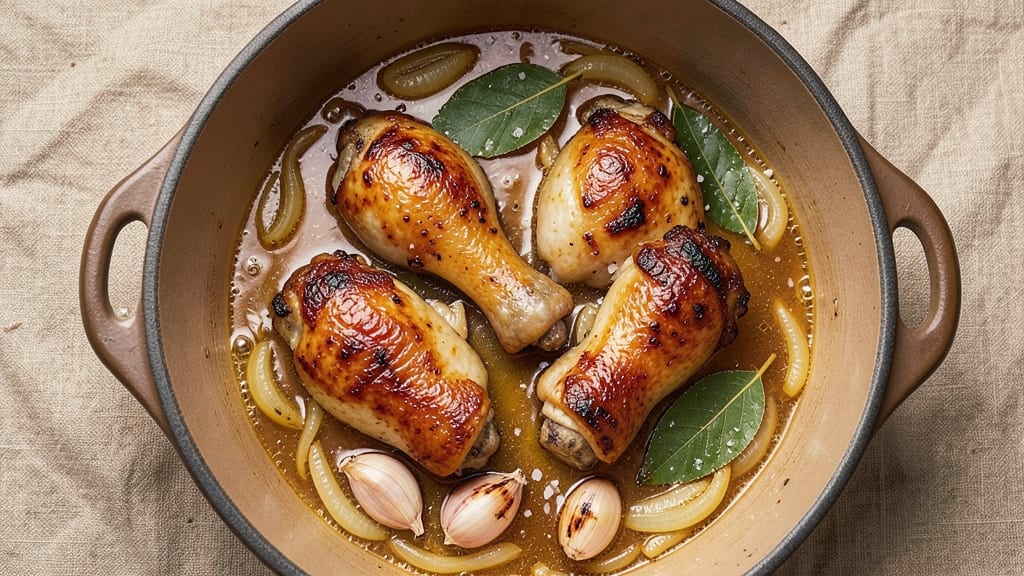
Boiled chicken legs deliver juicy, tender meat with minimal effort when you master the simmering technique—this recipe transforms tough cuts into melt-in-your-mouth perfection. I learned the hard way that proper seasoning and water temperature make all the difference, especially when cooking in batches.
The aroma alone will have everyone gathering at the table, and the crispy skin from the final broil adds a restaurant-quality finish.
This method requires just five simple ingredients—chicken legs, aromatics, spices, and a splash of vinegar to tenderize the meat—while delivering restaurant-style results. Unlike frying or grilling, boiling preserves moisture without drying out the meat, making it ideal for weeknight dinners or meal prep.
The key lies in maintaining a gentle simmer and using enough water to fully submerge the chicken, ensuring even cooking every time.
By the time you pull these golden-brown legs from the pot, you'll have juicy, flavorful meat that practically falls off the bone with minimal effort. The spices infuse deeply during the simmer, creating a savory broth perfect for serving alongside rice, roasted vegetables, or crusty bread.
This technique works equally well for family dinners or game-day appetizers, proving that simple methods can yield extraordinary results.
For an extra touch, finish with a quick broil to crisp the skin or serve with a drizzle of lemon for brightness. The leftovers reheat beautifully, making this a foolproof recipe for busy schedules. Let's get started with a method that delivers professional-quality chicken without the fuss.
Ingredients for boil chicken legs
Five essential ingredients transform bone-in chicken legs into melt-in-your-mouth perfection through precise simmering technique.
| Ingredient | Amount | Notes |
|---|---|---|
| Chicken Legs 🍗 | 4 whole | Bone-in, skin-on, 1.5-2 lbs total |
| Yellow Onion 🧅 | 1 whole | Quartered, skin on for flavor |
| Garlic Cloves 🧄 | 4 cloves | Smashed, skin left on |
| Bay Leaves 🌿 | 2 whole | Dried, standard size |
| White Vinegar 🍶 | ¼ cup | White or apple cider |
| Diamond Crystal Kosher Salt 🧂 | 2 tbsp | Coarse grain preferred |
| Ground Black Pepper 🌶️ | 1 tsp | Freshly cracked preferred |
| Fresh Lemon Juice 🍋 | 2 tbsp | For finishing, optional |
The chicken legs are the foundation—look for thigh-drumstick pairs with good marbling for juiciness. Whole Foods or local butchers often carry high-quality cuts with thicker skin. Avoid pre-battered or marinated legs, as they interfere with flavor infusion. For optimal results, use legs that weigh roughly 1.5-2 pounds total, ensuring even cooking. The skin should be golden-brown, not pale or discolored, indicating freshness. If shopping at Costco, their bulk chicken legs work perfectly for this method—just trim any excess fat before cooking.
No fresh bay leaves? Dried work equally well—just use the same quantity. Substitute apple cider vinegar for white vinegar if preferred, though white provides a cleaner acidity. For a deeper flavor profile, add 1 tsp smoked paprika to the seasoning blend. The onion and garlic serve as aromatic bases—if you're short on time, 2 tbsp onion powder plus 1 tbsp garlic powder can replace them entirely. For extra richness, consider adding 1 tbsp unsalted butter to the pot during the final 5 minutes of simmering. The vinegar is critical for tenderizing; never skip it unless using a marinade.
This recipe yields 4-5 days of leftovers when stored properly—keep the broth and chicken separate in airtight containers. The chicken reheats beautifully in a 350°F oven for 15 minutes, covered with foil. For meal prep, portion the cooked chicken into single-serving containers with a splash of broth to maintain moisture. The aromatics can be composted immediately after use, as they've contributed all their flavor. Freeze cooked chicken for up to 3 months by wrapping each leg individually in parchment paper before placing in a freezer bag.
Why You'll Love This Recipe
- Foolproof Simplicity: I swear by this method—just toss the chicken legs, whole onion, and garlic into a pot with water, vinegar, and bay leaves. No peeling, no dicing, no stress. That’s it. The hardest part is waiting for the whistle.
- Tangy Depth Bomb: The vinegar doesn’t make it sour—it sharpens the garlic and onion into something ridiculously good. You get that crispy skin with meat so tender it falls off the bone, all while the broth stays rich enough to drink. (Yes, I’ve done it.)
- Weeknight to Potluck: Same recipe works for a lazy Tuesday or a picnic blanket. Double the batch, and you’ve got leftovers that reheat like a dream—crispy again, no sad rubbery chicken. My college friends still ask for this when I visit.
- Budget Magic: Chicken legs are cheaper than thighs, and this method turns them into something special without breaking the bank. Honestly, I make it when I’m pinching pennies, but no one guesses. That’s the best kind of secret.
Step-by-step instructions for boiled chicken legs
A simple yet transformative method that guarantees tender, juicy results with minimal effort.
Prepare the Chicken and Aromatics
Pat the 4 whole chicken legs dry with paper towels to remove any surface moisture. This step is crucial—wet skin prevents proper browning and can make the meat less flavorful. Place them in a large, heavy-bottomed pot that can accommodate all ingredients without overcrowding.
Quarter the 1 whole yellow onion and peel the 4 cloves garlic, leaving the skins on. Smashed garlic cloves release their flavor more effectively during simmering. Add the quartered onion, smashed garlic cloves, and 2 whole bay leaves to the pot with the chicken.
Season and Add Liquid
In a small bowl, combine the 2 tablespoons diamond crystal kosher salt and 1 teaspoon ground black pepper. Sprinkle this evenly over the chicken and aromatics, pressing gently to ensure the seasoning adheres. The salt will penetrate the meat during the simmer, enhancing flavor from the inside out.
Pour in 8 cups of cold water and the 0.25 cup white vinegar. The vinegar acts as a natural tenderizer, breaking down connective tissues for even more succulent results. Stir gently to distribute the seasoning and aromatics evenly throughout the liquid.
Simmer to Perfect Tenderness
Bring the liquid to a gentle boil over medium-high heat, then immediately reduce to a low simmer. Maintain a temperature where small bubbles form occasionally at the surface—this ensures even cooking without toughening the meat. Cover the pot with a lid and let it simmer for 45 minutes.
After 45 minutes, check for doneness by inserting a meat thermometer into the thickest part of a leg (avoiding bone). The internal temperature should reach 165°F. If not, continue simmering for another 10-15 minutes, checking periodically. The chicken is ready when it pulls away from the bone easily and the juices run clear.
Finish and Rest
Once the chicken reaches the proper temperature, remove it from the pot and transfer to a serving platter. Let it rest for 5 minutes before serving. This resting period allows the juices to redistribute, ensuring each bite remains moist and flavorful.
Strain the cooking liquid through a fine-mesh sieve to remove any remaining aromatics. Return the strained liquid to the pot and stir in the 2 tablespoons fresh lemon juice. This final touch brightens the flavors and adds a subtle acidity that complements the rich, spiced chicken. Serve the chicken with the lemon-infused broth for dipping or as a sauce.
Pro Tips For Making Boil Chicken Legs
- Parboil First, Simmer Slow: I used to rush chicken legs straight into the vinegar bath, and they’d turn out dry or uneven. Instead, start by parboiling them uncovered in salted water for 8–10 minutes—just until the meat detaches from the bone a little. Then lower the heat to a gentle simmer (tiny bubbles, barely moving) and add your onions, garlic, bay leaves, and vinegar. The slow cook makes the collagen melt into the broth, giving you tender meat and rich flavor.
- Char the Onions, Not Burn Them: After parboiling, I learned to sear the sliced onions in a dry pan for 3–4 minutes until they’re deeply golden—almost caramelized—before adding them to the pot. This adds a layer of depth that raw onions can’t match. Skip this, and your dish will taste flat; do it right, and the vinegar’s sharpness gets balanced by that sweet, smoky note.
- Don’t Crowd the Pot: I’ve seen people cram too many chicken legs into a pot, thinking more space means better cooking. Wrong. Leave at least an inch between each leg so they cook evenly and the broth circulates. If you’re short on space, work in batches—trust me, your first batch will thank you with juicier, more consistent results.
- Add Vinegar Last, Taste First: Vinegar’s the hero here, but timing matters. After simmering the chicken, onions, and garlic for 30–40 minutes, turn off the heat and let it rest for 5 minutes before adding the vinegar. This lets the meat absorb the flavors first. Then taste—if it’s too harsh, add a splash of water or a pinch of sugar to mellow it out. (Yes, even with vinegar, balance is everything.)
Regional styles of this boil chicken legs
Southern Comfort Style
In the South, boiled chicken legs become a centerpiece for Sunday suppers, often served with cornbread and collard greens. The key difference? Adding 1 tbsp hot sauce and 1 smoked paprika to the simmering liquid for a smoky kick.
My Nonna used to serve them with a side of pickled okra—the tangy crunch balances the rich, spiced chicken beautifully. 🌶️
Caribbean Jerk Twist
For a bold Caribbean-inspired version, marinate the chicken legs in 2 tbsp jerk seasoning (I love Penzeys Caribbean Jerk Blend) and 1 tbsp soy sauce for 30 minutes before boiling. Add 1 scotch bonnet pepper (seeds removed for less heat) and 1 tbsp lime juice to the simmering liquid.
Serve with coconut rice and grilled plantains for a fiesta of flavors. The jerk marinade adds depth that infuses perfectly during the simmer.
Mediterranean Lemon-Garlic
Inspired by Greek and Italian traditions, this version swaps vinegar for ½ cup dry white wine and adds 1 tsp dried oregano and 1 tsp dried thyme to the pot. Finish with zest of 1 lemon and a drizzle of extra virgin olive oil before serving.
Pair with roasted potatoes and a Greek salad for a bright, herbaceous meal. The wine adds complexity while keeping the chicken tender and juicy.
New England-Style
My Boston upbringing taught me that even simple boiled chicken deserves a touch of local flair. Add 1 sprig fresh rosemary and 1 sprig fresh thyme to the simmering liquid, along with ½ cup apple cider instead of vinegar.
Serve with buttery mashed potatoes and steamed green beans—this combo feels like a cozy New England dinner. The herbs add an earthy aroma that pairs perfectly with the rich chicken.
Spicy Cajun Boil
For a Louisiana-inspired version, toss the chicken legs in 1 tbsp Cajun seasoning (like Tony Chachere’s) before boiling. Add 1 diced jalapeño and 1 tsp filé powder (made from ground sassafras leaves) to the simmering liquid.
The filé powder gives it that signature Cajun gumbo texture. Serve with dirty rice and cornbread for a full Southern experience. The heat and earthiness make this a crowd-pleaser.
Herbed White Wine Simmer
This elegant version uses 1 cup dry white wine (like Sauvignon Blanc) instead of water, along with 1 sprig fresh tarragon and 1 sprig fresh parsley. The wine reduces slightly during simmering, concentrating the flavors.
Finish with a drizzle of truffle oil for a restaurant-worthy touch. Serve with wild rice pilaf and asparagus spears for a sophisticated meal. The wine adds depth that transforms simple boiled chicken into something special. 🍷
Nutrition facts
Frequently asked questions
Why does my boiled chicken end up dry instead of juicy?
Overcooking is the #1 culprit—chicken legs need to reach 165°F internally, but simmering too long after that dries them out. Use a meat thermometer to check doneness, and remove the chicken immediately when done. Also, never boil vigorously—keep it at a gentle simmer where bubbles just break the surface occasionally.
Can I use chicken thighs instead of drumsticks?
Thighs work beautifully and may even cook faster. For best results, use a mix of thighs and drumsticks (like this recipe) since thighs have more fat and stay juicier. Adjust cooking time by checking for 165°F internal temp—thighs typically need about 35-40 minutes instead of 45 minutes.
What's the secret to crispy skin on boiled chicken?
Pat the chicken completely dry before cooking, then broil for 3-5 minutes at the end. The vinegar in the recipe helps tenderize the meat while keeping the skin crisp. For extra crunch, sprinkle with ½ tsp smoked paprika before broiling, or broil skin-side up on a wire rack over a baking sheet.
How do I make this recipe healthier?
Swap the vinegar for lemon juice (same amount) and reduce salt to 1 tbsp total. Use low-sodium broth instead of water, and add 1 cup sliced mushrooms or zucchini to the pot—they absorb flavor while adding nutrients. The skin can be removed before serving if preferred, though it contains healthy fats.
Can I cook chicken legs from frozen?
Not recommended—frozen chicken releases moisture unevenly, which can make the meat tough. If you must, thaw overnight in the fridge first. For frozen legs, add 10-15 extra minutes to cooking time, but check for 165°F early since frozen meat cooks faster once thawed.