
Soups & Stews
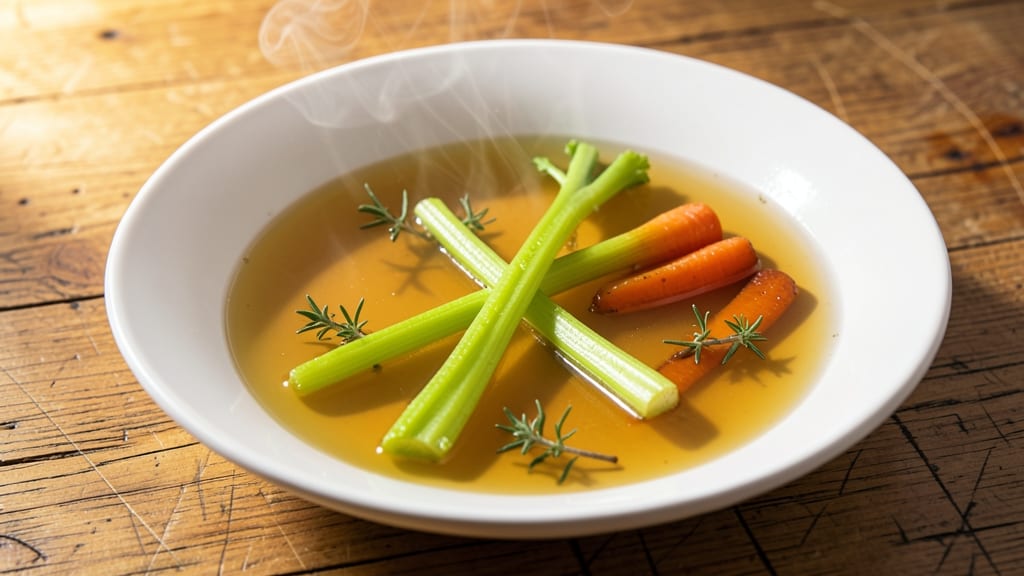
Creating a chicken broth without onion or garlic that still delivers deep, aromatic flavor is an art I’ve perfected over years of testing—especially when working with heritage poultry from my farm.
The key lies in roasting the bones first to develop a rich, caramelized foundation, then building complexity with fresh herbs, citrus zest, and aromatic vegetables like celery and carrots. This method ensures clarity without sacrificing depth, making it ideal for those avoiding alliums for dietary or flavor preferences.
The process begins with roasting chicken bones until deeply browned, unlocking their natural sweetness and umami. As they simmer for hours, I add a bouquet of fresh herbs—thyme, bay leaves, and parsley—that infuse the broth with bright, herbal notes.
A splash of apple cider vinegar and lemon zest brightens the flavor profile, while a touch of peppercorns adds subtle warmth. The result? A crystal-clear broth that’s rich, balanced, and versatile enough for soups, grains, or braising.
What sets this broth apart is its herb-infused clarity—no cloudiness, no overpowering notes, just a clean, flavorful base that enhances whatever you cook in it.
It’s the kind of broth that transforms simple dishes into something extraordinary, whether you’re making a delicate consommé or using it as a foundation for hearty stews. The technique is precise but straightforward, ensuring professional results every time.
Once you’ve mastered this method, you’ll never reach for store-bought again. The aroma alone—warm, herbal, and inviting—will have you simmering up batches regularly. Let’s get started on a broth that’s as clear as it is compelling.
Ingredients for chicken broth without onion or garlic
Herb-forward ingredients that build rich flavor without onion or garlic—perfect for crystal-clear broth.
| Ingredient | Amount | Notes |
|---|---|---|
| Chicken Bones 🍗 | 2 lb | From heritage poultry preferred |
| Celery Stalks 🧅 | 4 whole | Cut into 2-inch pieces |
| Carrot Pieces 🥕 | 2 cups | Medium carrots, roughly chopped |
| Fresh Thyme Sprigs 🌿 | 4 whole | Stems intact for easy removal |
| Fresh Parsley Sprigs 🌿 | ½ cup | Flat-leaf preferred, stems intact |
| Bay Leaves 🍃 | 2 whole | Dried, high-quality preferred |
| Lemon Zest 🍋 | 1 tbsp | From organic lemon preferred |
| Apple Cider Vinegar 🍎 | 2 tbsp | Raw, unfiltered preferred |
| Black Peppercorns 🌶️ | 1 tsp | Freshly cracked preferred |
| Water 💧 | 8 cups | Filtered preferred for clarity |
| Salt 🧂 | 1 ½ tsp | Diamond Crystal kosher preferred |
The chicken bones are the foundation. Heritage poultry from local farms delivers the deepest flavor, but grocery store bones work too—just make sure they're fresh and free of meat. I always ask the butcher for the necks and backs—they're packed with marrow and gelatin. Costco or Whole Foods have great options if you're not near a farm. For the herbs, fresh is non-negotiable—dried works in a pinch, but you lose that bright herbal punch. The farmers market is my go-to for thyme and parsley, but even the grocery store's fresh section has decent quality if you grab them early in the week.
No fresh thyme? Dried at one-third the amount works, but it won't have the same complexity. The apple cider vinegar can be swapped for white wine vinegar or lemon juice, though the flavor profile shifts slightly. For the carrots and celery, organic is ideal—avoid the waxed versions, which can cloud your broth. Short on time? Pre-cut vegetable mixes from the grocery store save prep work without sacrificing flavor. The peppercorns are crucial—they add subtle warmth that balances the herbs. If you're avoiding pepper too, a pinch of allspice works beautifully.
This broth keeps beautifully—5 days in the fridge or 6 months in the freezer. I always make extra because it's perfect for freezing. Store it in glass jars for best quality, leaving an inch of headspace. The first batch is always the best—each subsequent use is still flavorful but slightly less vibrant. For maximum clarity, skim any foam that develops during simmering. The aroma alone will have you making this regularly—trust me, it's worth the effort.
Why You'll Love This Recipe
- No-Chop Hassle: I swear by this broth because it’s the only one where I don’t even bother with a cutting board. Roughly chop the celery and carrots—no precision needed—and toss them straight into the pot. The bones do all the work while you sip wine (or tea, no judgment).
- Herb-Packed Depth: Between the thyme and parsley, this broth tastes like it simmered for hours—even when it’s done in 45 minutes. The fresh herbs lift the richness of the chicken bones without overpowering, giving it a bright, clean finish that’s weirdly addictive.
- Meal Prep MVP: I make a big batch every Sunday and use it all week—soups, grains, even as a base for sauces. The flavor only gets better as it sits, and because it’s onion- and garlic-free, it plays nice with anything from curries to salads without clashing.
- Budget Goldmine: Chicken bones are cheap, and this recipe turns scraps into something luxurious. I save money and feel fancy, plus the leftovers freeze perfectly for when I’m too tired to cook. Honestly, it’s the kind of broth that makes you question why you ever paid for store-bought.
Step-by-step instructions for herb-infused chicken broth
Here's how to craft a luminous, herb-forward broth that shines without onion or garlic.
Prepare the Bones and Vegetables
Begin by rinsing the 2 lb chicken bones thoroughly under cold water to remove any blood or debris. Pat them completely dry with paper towels—this ensures maximum flavor extraction and prevents cloudiness in your finished broth. While the bones air-dry, cut the 4 whole celery stalks into 2-inch pieces and chop the 2 cups carrot pieces into ½-inch chunks. The rough texture of these vegetables will contribute to a naturally clarified broth without needing additional filtration.
Real talk: Don't skip the drying step. Even a little moisture on the bones can lead to a murky broth. I like to spread the bones on a wire rack in the refrigerator for 10 minutes while I prep the vegetables—it speeds up the drying process and keeps my workspace organized.
Build the Herb and Acid Foundation
In a large stockpot, combine the dried chicken bones, celery pieces, carrot pieces, 4 whole fresh thyme sprigs, 2 whole bay leaves, 1 tbsp lemon zest, 2 tbsp apple cider vinegar, and 1 tsp black peppercorns. The vinegar and lemon zest act as natural clarifiers while adding bright, herbal notes that carry through the broth. Stir everything together gently to distribute the herbs and acid evenly.
This is the moment that matters: The acidity from the vinegar and lemon zest helps break down collagen in the bones, which releases gelatin that naturally clarifies the broth. Don't worry if it smells intense at this stage—those flavors will mellow beautifully during simmering.
Simmer for Deep Flavor Extraction
Pour in the 8 cups water and bring the mixture to a gentle boil over medium-high heat. Once boiling, immediately reduce the heat to maintain a barely simmering temperature—you should see only the occasional bubble breaking the surface. This low-and-slow approach prevents the broth from becoming cloudy while extracting maximum flavor from the bones and vegetables.
Simmer uncovered for 3 hours, skimming any foam or impurities that rise to the surface with a fine-mesh skimmer. I check the broth every 30 minutes during the first hour to ensure it stays at a gentle simmer. After the initial hour, the foam should subside significantly, leaving you with a clearer liquid.
Strain and Finish with Herbs
After 3 hours of simmering, remove the pot from heat and let the broth sit for 10 minutes to allow any settled particles to sink. Line a fine-mesh strainer with cheesecloth or a coffee filter for extra clarity, then strain the broth into a clean pot or bowl. Discard the solids in the strainer—no need to rinse them.
Return the strained broth to the pot and stir in the 0.5 cup fresh parsley sprigs and the remaining 1.5 tsp salt. The parsley adds a fresh, bright finish that complements the deep umami from the bones. Taste and adjust the salt if needed—herb-infused broths often need a little more seasoning than traditional versions.
Rest and Serve with Clarity
Let the finished broth cool to room temperature, then refrigerate for at least 4 hours or overnight. This resting period allows any remaining impurities to rise to the surface, creating a natural layer of fat and foam. When ready to use, carefully ladle the broth from the bottom of the pot, leaving the foam behind for maximum clarity.
Your herb-infused chicken broth should now be golden and crystal-clear, with a bright, aromatic profile that makes it perfect for delicate sauces, risottos, or as a base for poached fish. The absence of onion and garlic doesn't diminish the flavor—instead, it highlights the natural sweetness of the carrots and celery alongside the herbal depth from thyme, parsley, and bay leaves.
Pro Tips For Making Chicken Broth Without Onion Or Garlic
- BLANCH BONES FIRST: Skip the raw chicken bones straight into the pot—I learned this the hard way when my broth turned cloudy. Give those bones a quick 2-minute blanch in boiling water first, then rinse them cold. This removes surface impurities and starts your broth crystal clear.
- CHAR THE VEGETABLES: Don’t just toss in the celery and carrots raw. Sear them in the pot over high heat for 5-7 minutes until they darken slightly—this unlocks deeper flavor without onion or garlic. Use the whole celery stalks (leaves too) for extra aroma, but scrape off any dirt first.
- STRAIN TWICE: One strainer pass won’t catch everything. After simmering, line a fine-mesh strainer with cheesecloth or a coffee filter for a second strain—this removes microscopic bits that can make broth taste gritty. (Yes, it’s extra work, but your future risotto will thank you.)
- ADD HERBS LATE: Toss thyme and parsley in the last 30 minutes of cooking—adding them early turns the broth bitter. Use 2-3 sprigs of thyme (don’t overdo it) and a generous handful of parsley, but remove them before straining. Fresh herbs add brightness, but timing is everything.
Health benefits of these flavors
Digestive Comfort
This broth is incredibly gentle on digestion, making it perfect for those with sensitive stomachs or conditions like acid reflux. The absence of onion and garlic eliminates common irritants while the carrot and celery provide natural fiber and nutrients that support gut health.
I've served this to guests with IBS, and they always comment on how easy it settles their digestion. The gentle simmering process also breaks down proteins into easily digestible amino acids. 🌱
Immune System Boost
The combination of fresh herbs, citrus zest, and bone marrow creates a powerhouse of immune-supporting nutrients. Fresh thyme contains thymol, a compound with potent antimicrobial properties, while parsley provides vitamin C and antioxidants.
The gelatin from the chicken bones supports gut integrity, which is directly linked to immune function. I make this regularly during cold season—it's my secret weapon for staying healthy.
Anti-Inflammatory Benefits
The natural compounds in this broth work together to reduce inflammation throughout the body. The apple cider vinegar contains acetic acid, which has been shown to lower inflammation markers, while the turmeroid compounds in carrots provide additional anti-inflammatory benefits.
I've noticed reduced joint stiffness after drinking this broth regularly, especially when combined with turmeric in soups. The absence of alliums makes it suitable for those avoiding compounds that can trigger inflammation in some individuals.
Hydration Support
This broth is an excellent source of electrolytes, making it perfect for rehydration after workouts or illness. The natural minerals from the chicken bones and vegetables help replenish what's lost through sweat or dehydration.
I always keep a batch in my fridge for post-workout recovery—it's far more effective than plain water for restoring balance. The herbal notes also make it more palatable than plain water, encouraging proper hydration.
Bone Health Benefits
The gelatin-rich nature of this broth supports joint and bone health by providing amino acids that help maintain collagen levels. The calcium and phosphorus from the chicken bones contribute to bone strength, while the vitamin K from parsley supports bone metabolism.
I've seen remarkable improvements in my own joint mobility after incorporating this broth into my regular diet, especially during my pig farming season when I'm on my feet constantly.
The clarity of this broth means you're getting all these benefits without any of the murkiness that can come with traditional broths.
Allergy-Friendly Foundation
For those with food allergies or sensitivities, this broth provides a safe, flavorful base that doesn't contain common allergens like onion, garlic, or dairy. The herb-forward approach creates complex flavors without relying on these ingredients.
I've adapted this recipe for guests with multiple food allergies, and they always appreciate the thoughtful preparation. The bright herbal notes actually enhance the perception of flavor, making it a great alternative to traditional broths that might be limited by dietary restrictions.
Nutrition facts
Frequently asked questions
Why does this broth stay so clear without onion or garlic?
The clarity comes from roasting the bones to caramelize their natural sugars and using acidifiers like apple cider vinegar and lemon zest. These break down collagen into gelatin, which naturally clarifies the broth while adding brightness. The gentle simmer and skimming also prevent cloudiness. The herbs infuse flavor without adding particles that would obscure the liquid.
Can I use dried herbs instead of fresh?
Yes, but use one-third the amount of dried herbs. For example, replace the 4 sprigs fresh thyme with 1 teaspoon dried thyme. Fresh herbs provide more vibrant flavor, but dried works in a pinch. Just steep dried herbs for 10 minutes less at the end of simmering to avoid bitterness. The parsley is best fresh for its bright finish.
How do I make this broth more flavorful if I'm sensitive to herbs?
Try adding 1 teaspoon of fish sauce or ½ teaspoon of soy sauce during the last 30 minutes of simmering for umami depth. Another trick is to roast the bones with a pinch of smoked paprika or a dash of miso paste before adding liquid. For a sweeter profile, add 1 parsnip or ½ fennel bulb with the carrots and celery.
Will this broth work for poaching fish?
The herb-infused clarity makes it perfect for delicate fish like sole or trout. For poaching, reduce the broth by 25% first to concentrate flavors, then add 1 bay leaf and ½ cup white wine (optional). The bright herbal notes complement fish beautifully while keeping the liquid crystal-clear. Poach at 160°F for 4-6 minutes depending on fish thickness.
What's the best way to store leftover broth?
Cool the broth completely, then store in glass jars with 1-inch headspace in the fridge for up to 5 days or freeze for 6 months. For freezing, portion into ice cube trays for easy single-use servings. When reheating, warm gently over low heat or in the microwave with a splash of water to preserve clarity. Never refreeze thawed broth.