
Main Courses
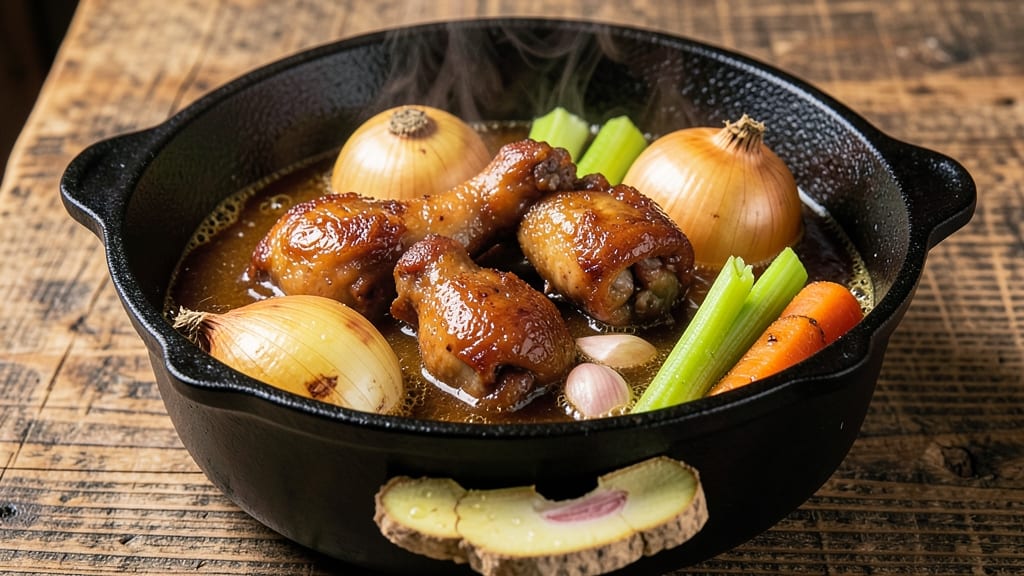
Making chicken feet stock transforms humble ingredients into a deeply flavorful foundation for everything from pho to braised dishes. This isn't just broth—it's a concentrated umami powerhouse that elevates soups, stews, and even cocktails with restaurant-quality depth.
The process requires patience (and a little elbow grease), but the results are worth every minute spent preparing the feet and simmering the aromatics.
The secret lies in proper preparation: thorough cleaning of the feet removes impurities while preserving their gelatinous richness, and slow simmering extracts maximum flavor without bitterness. Adding aromatic vegetables, herbs, and a splash of vinegar builds complexity, creating a stock that's far more nuanced than standard chicken broth.
This isn't just about flavor—it's about texture, too, with a velvety body that clings to noodles and vegetables.
What you'll end up with is a golden, aromatic stock that forms the backbone of countless dishes—think pho with unmatched depth, braised meats that fall apart tenderly, or even cocktails with an unexpected savory dimension.
The beauty of this stock is its versatility: use it immediately for maximum flavor impact, or freeze it for months of future cooking. This is the kind of foundational ingredient that transforms ordinary meals into extraordinary ones.
Ready to unlock this umami treasure? The process is straightforward once you know the key steps—starting with proper preparation of the chicken feet. Let's get started on creating your flavor base that will elevate everything it touches.
Ingredients for chicken feet stock
Transform humble ingredients into a restaurant-quality umami foundation with these carefully selected components.
| Ingredient | Amount | Notes |
|---|---|---|
| Chicken Feet 🦆 | 2 lb | Cleaned, trimmed of excess fat |
| Yellow Onions 🧅 | 2 whole | Peeled, halved, charred for depth |
| Carrots 🥕 | 4 whole | Scrubbed, cut into chunks |
| Celery Stalks 🧅 | 4 whole | Trimmed, cut into 2-inch pieces |
| Fresh Ginger 🌿 | 2 oz | Unpeeled, sliced into thick coins |
| Garlic Cloves 🧄 | 8 cloves | Peeled, smashed for maximum release |
| Bay Leaves 🍃 | 4 whole | Dried, standard supermarket quality |
| White Wine Vinegar 🍶 | ½ cup | For acidity and brightness |
| Black Peppercorns 🌶️ | 1 tbsp | Crushed for aromatic depth |
| Salt 🧂 | 1 tsp | Diamond Crystal preferred |
| Water 💧 | 8 cups | Filtered for optimal clarity |
| Fresh Thyme 🌿 | ¼ cup | Stems included for maximum flavor |
| Fresh Parsley 🌿 | ¼ cup | Chopped, added at the end |
The chicken feet are the heart of this stock—look for clean, white joints with minimal odor at specialty butchers or Asian markets. Costco often carries them pre-cleaned, but if you're buying whole, soak in cold water with baking soda for 30 minutes to remove impurities. The ginger and garlic should be fresh, vibrant, and free of mold. For the vegetables, char the onions and celery in a dry pan before adding to the pot—this develops a smoky depth that's essential. Bay leaves from Penzeys or bulk bins add complexity, but standard supermarket leaves work fine in a pinch.
No fresh thyme? Dried thyme at one-third the amount suffices, though fresh is superior. Substituting white wine vinegar? Apple cider vinegar or lemon juice works, though the flavor profile shifts slightly. For the water, filtered is ideal, but tap water works if you're in a soft-water area. The parsley at the end isn't just for garnish—it brightens the final flavor. If you're making a large batch, consider doubling the aromatics; they're the difference between good stock and extraordinary stock. The ginger can be peeled if preferred, but leaving the skin adds subtle earthiness.
This stock develops flavor over time—simmer for at least 6 hours, longer if possible. Strain through a fine-mesh sieve, then cool rapidly in an ice bath to preserve clarity. Store in glass jars or airtight containers for up to 6 months refrigerated or 12 months frozen. Label with the date—fresh stock has a distinct golden hue and rich aroma. For maximum umami, use within 3 months of making. The gelatinous richness freezes beautifully, making this a perfect make-ahead project for busy weeks.
Why You'll Love This Recipe
- No-Chop Necessary: The carrots and celery can stay whole—just scrub and drop. Honestly, I’ve made this with pre-cut veggies from the fridge drawer when I’m too tired to even think about peeling. The ginger? A few rough slices do the trick, no microplane required.
- Umami Bomb: That first sip of stock after simmering the chicken feet? Deep, rich, and unexpectedly satisfying. The feet dissolve into gelatinous goodness while the onions and ginger infuse this broth with layers of warmth—like a hug in a bowl.
- Soup Base MVP: Freeze it in ice cube trays for instant flavor boosts in any recipe. Need to rescue a bland pot of rice? Toss in a cube. Making pho or ramen? This is the secret weapon. I keep a batch in the freezer just for lazy days when I don’t want to start from scratch.
- Budget Goldmine: A single batch costs pennies but stretches for weeks. Between us, this is how I feed my family hearty meals without breaking the bank—think congee, dumplings, or even a simple stir-fry. The feet might sound weird, but they’re the reason this stock tastes chef-level without the chef-level price tag.
Step-by-step instructions for chicken feet stock
Aromatic depth comes from careful preparation and slow extraction—this method unlocks maximum umami from every ingredient.
Blanch and Parboil the Chicken Feet
Place the 2 lb chicken feet in a large stockpot and cover with cold water by about 2 inches. Bring to a boil over high heat, then immediately reduce to a simmer for 10 minutes. This initial blanching removes impurities and surface proteins that would otherwise cloud the stock.
After simmering, drain the chicken feet and rinse them thoroughly under cold water. Return them to the same pot and add 8 cups of fresh water. Bring to a boil again, then reduce heat to maintain a gentle simmer. The water should cover the chicken feet by at least 1 inch—this ensures even extraction of collagen and gelatin.
Build the Aromatic Base
Add the 2 whole yellow onions, 4 whole carrots, and 4 whole celery stalks to the simmering liquid. These vegetables form the stock's foundational flavor—charred onions add depth, while carrots and celery provide sweetness and structure. Let the mixture simmer uncovered for 30 minutes, skimming any foam that rises to the surface with a fine-mesh skimmer.
After 30 minutes, add the 2 oz fresh ginger (sliced into thick coins), 8 cloves garlic (smashed), 4 whole bay leaves, and the 0.5 cup white wine vinegar. The vinegar brightens the stock and helps break down collagen in the chicken feet. Stir gently—you want the ingredients to infuse, not disintegrate. Simmer uncovered for another 45 minutes, maintaining a gentle bubble throughout.
Season and Simmer Low and Slow
Add the 1 tbsp crushed black peppercorns and 1 tsp salt to the pot. The peppercorns contribute subtle heat and complexity, while the salt enhances all flavors. The stock should now smell rich and earthy—this is where the magic begins. Reduce heat to low and let the stock simmer uncovered for 3 hours, stirring occasionally to prevent sticking.
During this time, the chicken feet will release collagen and gelatin, creating a velvety texture. If the liquid level drops below halfway up the chicken feet, add hot water as needed to maintain coverage. The goal is a deep, golden broth with visible particles suspended—this indicates proper extraction of flavor and nutrients.
Strain and Finish
After 3 hours, remove the chicken feet and vegetables from the stock using a slotted spoon or fine-mesh strainer. Discard the solids—every ingredient has now surrendered its essence into the broth. Return the strained stock to the pot and stir in the 0.25 cup fresh thyme (stems included) and 0.25 cup chopped fresh parsley. These herbs add brightness and freshness to balance the deep umami.
Simmer the stock gently for 15 more minutes to meld the flavors. Taste and adjust seasoning—you may need to add a pinch more salt or a splash of vinegar to refine the balance. The finished stock should be rich, slightly tangy, and deeply aromatic, with a velvety mouthfeel. Let it cool to room temperature before refrigerating or using in recipes.
Pro Tips For Making Chicken Feet Stock
- BLANCH FEET FIRST: I learned this the hard way—skipping the quick blanch (3-4 minutes in boiling water) means your stock will taste like rubber. The feet release more gelatin and flavor when you shock them first, and it cuts down on that funky "feet" smell lingering in your pot.
- PEEL GINGER THIN: Sounds weird, but it works: slice the ginger paper-thin (almost translucent) instead of chunking it. Thin slices infuse faster and don’t turn your stock bitter—no need to fish out chunks later. (Yes, even if you’re impatient like me.)
- SKIP THE BOIL: After burning three batches, I finally figured out: simmer, don’t boil. Once the water covers everything, bring to a gentle simmer (tiny bubbles, not a rolling boil) and keep it there. Boiling clouds the stock and wastes flavor—this is where patience pays off.
- CHAR THE VEGETABLES: This isn’t the prettiest method, but it’s the tastiest: sear the onions, carrots, and celery in oil until the edges darken (5-7 minutes). The caramelized bits stick to the pot and deepen the stock’s richness—way better than tossing them in raw. (Your future self will thank you.)
Dietary considerations for this recipe
Gluten-Free Foundation
This stock is naturally gluten-free, making it perfect for those avoiding gluten or following a gluten-free diet. The chicken feet, vegetables, and herbs contain no gluten, and the only potential concern is cross-contamination during preparation.
Always use clean utensils and a dedicated pot if you're cooking in a shared kitchen. The stock's rich umami flavor works beautifully in gluten-free dishes like pho or ramen, where traditional wheat-based broths might be problematic. 🌱
Paleo-Friendly Adaptations
For a strict paleo approach, this recipe already fits perfectly—no grains, legumes, or processed ingredients are involved. The chicken feet provide collagen, while the vegetables and herbs offer essential vitamins.
If you're concerned about the vinegar, opt for apple cider vinegar or omit it entirely, though the acidity helps tenderize the chicken feet. The result is a paleo-compliant broth that pairs wonderfully with roasted meats or bone broth-based stews.
Low-Sodium Options
If you're monitoring sodium intake, reduce the salt to ½ tsp or omit it entirely—you can always season later. The natural umami from the chicken feet and aromatics will still shine. For extra flavor without sodium, add a splash of low-sodium soy sauce or coconut aminos at the end.
This stock works beautifully in low-sodium versions of pho or braised dishes, where you can control the seasoning to taste.
Vegetarian Substitutes
While chicken feet are the star of this recipe, you can create a similar umami-rich broth using mushroom stems, kombu (seaweed), and soy sauce>. Simmer 2 cups mushroom stems, 1 piece kombu, and 2 tbsp soy sauce> with the same aromatics for a vegetarian-friendly alternative.
The texture won't be identical, but the depth of flavor will still elevate soups and stews. This approach is especially useful for those avoiding animal products while craving rich, savory broths.
Allergen Awareness
This stock is free from common allergens like dairy, eggs, and nuts, making it safe for many dietary restrictions. However, always check your chicken feet source—some brands may process in facilities that handle allergens.
If you're highly sensitive, opt for organic or specialty butcher-supplied feet. The stock's versatility means it can be incorporated into allergy-friendly meals, from clear soups to hearty braises, without worry. 💡
Nut-Free and Seed-Free
For those avoiding nuts or seeds, this recipe is already compliant—no ground spices, nut-based thickeners, or seed additives are involved. The stock's richness comes from the chicken feet and vegetables, not binders or fillers.
It's an excellent base for nut-free versions of dishes like Vietnamese pho or Thai coconut curries, where traditional recipes might include nut-based garnishes or sauces.
Nutrition facts
Frequently asked questions
Why do chicken feet make such a flavorful stock?
Chicken feet are packed with collagen and gelatin, which break down during long simmering to create a rich, velvety texture. Their cartilage and bones release deep umami flavors that standard chicken broth can't match, making this stock perfect for pho, braises, and even cocktails. The slow extraction process transforms humble ingredients into a restaurant-quality foundation.
Can I make this stock without chicken feet?
While chicken feet are the star, you can create a similar umami base using 2 cups mushroom stems, 1 piece kombu (seaweed), and 2 tbsp soy sauce with the same aromatics. The texture won't be identical, but the flavor depth will still elevate soups and stews. For best results, simmer the mushrooms and kombu for 4-6 hours to extract maximum flavor.
How long can I store this stock?
Store in glass jars or airtight containers for up to 6 months refrigerated or 12 months frozen. For maximum flavor, use within 3 months—fresh stock has a golden hue and rich aroma. Label with the date to track freshness. The gelatinous richness freezes beautifully, making it perfect for meal prep.
What if my stock smells fishy?
A fishy odor means the chicken feet weren't cleaned properly. Start over by soaking feet in cold water with 1 tbsp baking soda for 30 minutes before blanching. If the smell persists, reduce simmering time to 4 hours instead of 6 to avoid over-extraction. Always use clean, high-quality ingredients for the best results.
Can I use this stock in cocktails?
This umami-rich stock adds depth to savory cocktails like pho martinis or umami old-fashioneds. Strain the stock well and reduce it by half to concentrate the flavor. Use 1-2 oz per drink as a base or mixer—it pairs beautifully with gin, vodka, or even whiskey for a unique twist.