
Sauces & Condiments
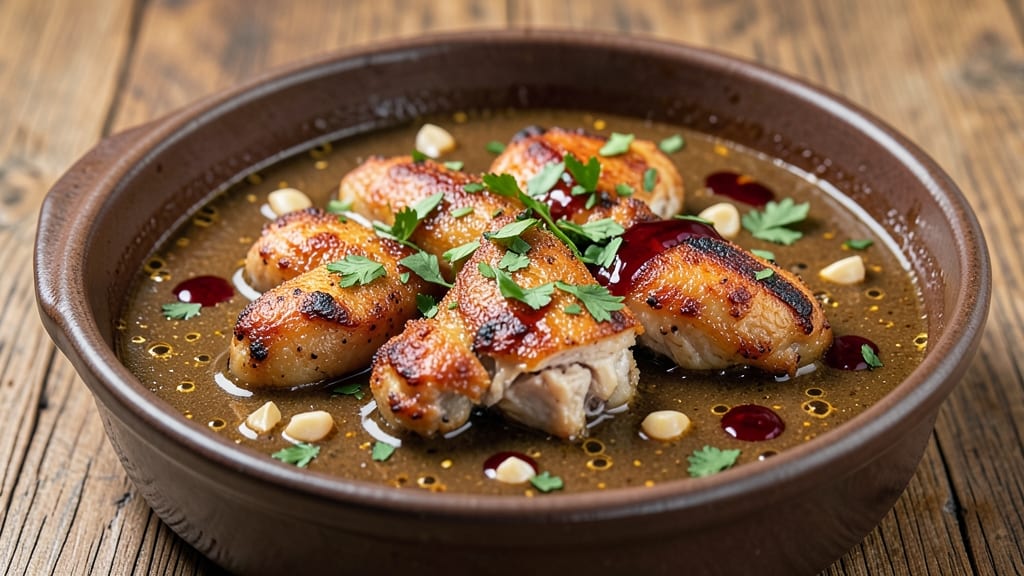
Transforming humble chicken gizzards into a rich, earthy gravy requires patience and precision—this recipe delivers restaurant-quality depth from scratch. The key lies in properly preparing the gizzards (cleaning and frying them until golden) before building a velvety sauce that captures every savory note.
I’ve perfected this method over years of Southern-style cooking, ensuring the gravy is thick enough to coat mashed potatoes or crusty bread without losing its robust flavor.
What sets this gravy apart is its two-stage cooking process: first rendering the gizzards until crispy, then deglazing the pan with broth to create a flavorful base. A classic roux—equal parts butter and flour—thickens the sauce while adding a subtle nutty depth.
The result is a gravy that’s bold yet balanced, with a texture that clings beautifully to any dish. This isn’t your grandmother’s thin drizzle; it’s a full-bodied sauce that turns simple meals into something extraordinary.
Pair this gravy with creamy mashed potatoes, buttery biscuits, or even roasted vegetables to create a hearty meal. The crispy gizzards can be served alongside as a protein, or you can shred them into the gravy for extra richness.
Every spoonful delivers layers of umami and caramelized flavor that make this gravy worth the effort. Let’s get started on crafting a sauce that will elevate your dinner table.
For those new to working with gizzards, don’t let the prep intimidate you—the cleaning process is straightforward, and the results are unforgettable. This gravy is the kind of dish that makes people ask for seconds, proving that simple ingredients, when handled with care, can create something truly special.
Ready to master it?
Ingredients for chicken gizzard gravy
Simple ingredients, bold Southern flavors—this gravy starts with crispy gizzards and ends with velvety richness.
| Ingredient | Amount | Notes |
|---|---|---|
| Chicken Gizzards 🍗 | 1 ½ lb | Cleaned and trimmed of fat |
| Unsalted Butter 🧈 | ½ cup | Cold, cubed for roux |
| All-Purpose Flour 🌾 | ½ cup | White or whole wheat |
| Chicken Broth 💧 | 3 cups | Low-sodium preferred |
| Red Wine Vinegar 🍷 | 1 tbsp | For acidity balance |
| Garlic Cloves 🧄 | 4 cloves | Minced for depth |
| Fresh Thyme Leaves 🌿 | ¼ cup | Or 1 tbsp dried |
| Bay Leaves 🍃 | 2 whole | Crushed for flavor |
| Salt 🧂 | 1 ½ tsp | Kosher or sea salt |
| Black Peppercorns 🌶️ | ½ tsp | Freshly cracked |
| Heavy Cream 🥛 | ½ cup | Full-fat for richness |
| Worcestershire Sauce 🍶 | 1 tbsp | For umami depth |
| Olive Oil 🫒 | 2 tbsp | For frying gizzards |
The gizzards are the star, so don’t skip the prep. Look for fresh, plump gizzards at your local butcher—they should be pale pink, not gray or slimy. If they’re frozen, thaw them overnight in the fridge. The butter and flour for the roux need to be cold to avoid a greasy gravy, so pull them out of the fridge just before cooking. For the broth, low-sodium is key—you’ll be adding plenty of salt later. The garlic and thyme can be fresh or dried, but fresh gives that extra punch (I always grab extra thyme—half goes in the gravy, half gets sprinkled on top).
No fresh thyme? Dried works at one-third the amount. Short on red wine vinegar? Apple cider vinegar or lemon juice works in a pinch. The Worcestershire sauce can be swapped for soy sauce or fish sauce if you’re avoiding it, but it adds that deep umami that makes this gravy special. If you’re feeling adventurous, add a splash of hot sauce at the end for a little kick. The heavy cream can be swapped for half-and-half or coconut milk, but full-fat gives the best texture. And if you’re worried about the gizzards being too gamey, soak them in milk for 30 minutes before cooking to mellow the flavor.
This gravy tastes even better the next day—honestly, it’s worth making a double batch. Store it in the fridge for up to 5 days or freeze for 3 months. For freezing, portion it into ice cube trays—just pop out what you need and warm it gently on the stove. The crispy gizzards? Serve them immediately or store them separately in the fridge for up to 3 days. They’re perfect for snacking or adding back into the gravy for extra texture.
Why You'll Love This Recipe
- Fewer Ingredients, Bigger Payoff: I swear by this recipe because it turns five simple things—gizzards, butter, flour, broth, and vinegar—into something that tastes like a restaurant dish. No fancy pantry staples, just honest, bold flavor from the gizzards and that little splash of vinegar that cuts through the richness.
- Rich Without the Guilt: That buttery roux and deep, savory gizzard flavor hit the spot, but it’s not heavy or greasy. The vinegar keeps it bright, and the broth adds depth without drowning the taste. Honestly, I make this when I want comfort food that doesn’t leave me sluggish.
- Leftovers That Still Shine: This gravy thickens perfectly for reheating—just add a splash of broth or water, and it’s just as good the second day. I’ll be real: my kids actually beg for it, and that’s saying something after a week of school lunches.
- Budget Meal, Restaurant Feel: Gizzards are cheap, but they taste like they cost a fortune. A pound goes a long way, and the gravy stretches over biscuits, dumplings, or even mashed potatoes. Between us, this is my secret weapon for feeding the family without breaking the bank.
Step-by-step instructions for chicken gizzard gravy
This rich gravy starts with perfectly cooked gizzards and builds to velvety perfection.
Sear the Chicken Gizzards Until Golden
Heat the 2 tablespoons olive oil in a large skillet over medium-high heat. Add the 1.5 pounds chicken gizzards in a single layer, being careful not to overcrowd the pan. Cook undisturbed for 4-5 minutes per side until deeply golden brown and crispy on the outside.
Here's the thing—don't rush this step. You want those gizzards to develop a rich crust that'll infuse the gravy with deep flavor. If they release easily from the pan, they're ready. Once golden, transfer them to a plate and set aside, leaving all that precious rendered fat in the pan.
Build the Roux for Thickening Power
Reduce the heat to medium and add the ½ cup unsalted butter to the skillet with the remaining fat. Let it melt completely, then whisk in the ½ cup all-purpose flour all at once. Stir constantly for 2-3 minutes until the mixture turns a rich, nutty brown color—this is your roux, and it's what'll give your gravy that silky thickness.
Watch the color closely—it should be the color of milk chocolate, not white. If it starts to darken too quickly, reduce the heat slightly. This roux is the foundation of your gravy, so take your time getting it right. Once it reaches that perfect brown hue, you're ready for the next step.
Deglaze and Simmer the Flavors
Pour in the 3 cups chicken broth all at once, scraping up any browned bits from the bottom of the pan with a wooden spoon. This deglazing step captures all those flavorful bits that would otherwise go to waste. Add the 1 tablespoon red wine vinegar, 4 cloves minced garlic, ¼ cup fresh thyme leaves, 2 whole crushed bay leaves, 1½ teaspoons salt, and ½ teaspoon black peppercorns to the pot.
Bring the mixture to a gentle simmer, then reduce the heat to low. Let it cook uncovered for 15-20 minutes, stirring occasionally, until it thickens slightly. You're looking for a gravy that coats the back of a spoon but still flows smoothly. If it thickens too much, whisk in a splash of hot water or broth to reach your desired consistency.
Finish with Cream and Umami Depth
Return the seared chicken gizzards to the pot and let them simmer gently in the gravy for 5-7 minutes, allowing their flavors to meld with the sauce. Then, stir in the ½ cup heavy cream and 1 tablespoon Worcestershire sauce. Simmer for another 3-5 minutes until everything is heated through and the gravy has reached its final velvety texture.
Taste and adjust the seasoning if needed—you might want to add a pinch more salt or a crack of black pepper to balance the flavors. The Worcestershire sauce adds that deep umami punch, while the cream rounds out all the earthy notes from the gizzards. This is where all the hard work comes together into something truly special.
Serve and Enjoy Immediately
Remove the chicken gizzards from the gravy and serve them alongside the rich sauce, poured over mashed potatoes, egg noodles, or crusty bread. The gravy should be thick enough to coat the back of a spoon but still pour smoothly. If you need to thin it further, whisk in a little more hot broth or water.
This gravy tastes even better the next day as the flavors continue to develop, but it's so good fresh that you might not make it that long. The combination of crispy gizzards and this velvety gravy is pure comfort food at its finest. Enjoy it while it's hot!
Pro Tips For Making Chicken Gizzard Gravy
- Trim the Gizzards Properly: Cut off the fat cap and trim excess membrane—this keeps your gravy from turning greasy later. I used to skip this, and the broth would separate no matter how much I strained it.
- Cook Gizzards Slow and Low: Simmer them at 300°F (150°C) for 45–60 minutes until fork-tender, not just pink. Rushing this step means your gravy will taste like raw meat, no matter how long you simmer it afterward.
- Whisk in Cold Flour: Mix the flour with the butter over low heat first, then gradually add broth—this prevents lumps. I learned this the hard way after scraping a sieve for 10 minutes.
- Deglaze with Vinegar Last: Add the red wine vinegar after the roux forms but before the broth—it brightens the flavor without cutting the richness. Skipping this step leaves your gravy flat, even if the technique is perfect.
Make-ahead tips for this chicken gizzard gravy
Gravy Prep Ahead
Make your gravy 2 days in advance for deeper flavor development. After Step 4 in the instructions, let it cool completely, then transfer to a glass jar or airtight container. Store in the fridge for up to 5 days—the flavors intensify as the spices meld.
Reheat gently on the stove over low heat, stirring frequently to prevent scorching. I always double the batch because it disappears so fast! 💛
Gizzard Storage Tips
Cleaned gizzards keep well in the fridge for 3 days or freeze for 3 months in a ziplock bag. Thaw overnight in the fridge before cooking. For extra tenderness, soak them in milk for 30 minutes before searing—this mellows their gamey flavor.
I like to prep them the night before so they’re ready to cook in the morning. ❄️
Freezer-Friendly Gravy
Portion gravy into ice cube trays for easy reheating. Once frozen, pop out the cubes and store in a freezer bag. To use, drop 2-3 cubes into a saucepan with a splash of broth, then heat until melted and smooth.
This method ensures you only thaw what you need—perfect for busy weeknights! 🔥
Make-Ahead Meal Plan
Plan your gravy as the centerpiece of a 3-day meal prep. Day 1: Make the gravy and crispy gizzards. Day 2: Assemble with mashed potatoes or noodles. Day 3: Serve with fresh bread or roasted veggies.
The gravy’s richness shines even better when reheated, making it ideal for meal prep. Just store components separately until ready to serve. 📅
Gravy Consistency Fix
If your gravy thickens too much after reheating, whisk in 1 tablespoon hot water or broth at a time until smooth. For a thinner texture, add it gradually while stirring.
I’ve found that gravy often thickens when cold, so adjust before serving. A splash of heavy cream can also help restore richness if it’s too watery. 💡
Gizzard Leftovers
Use leftover crispy gizzards in gravy sandwiches with mashed potatoes or in fried rice for extra protein. Shred them into the gravy for a heartier texture, or chop and serve as a snack with crackers.
Their crispy texture adds a satisfying crunch to any dish. Don’t waste a single bite! 🍽️
Nutrition facts
Frequently asked questions
Why do I need to crisp the gizzards before making the gravy?
Crisping the gizzards first creates a flavorful crust that infuses the gravy with deep, caramelized notes. The rendered fat in the pan adds richness to the roux, while the crispy texture contrasts beautifully with the silky sauce. Skipping this step results in a much milder flavor profile.
Can I substitute gizzards with another organ meat?
Yes, but the flavor will differ. Chicken livers work well (use 1 lb and soak in milk first to mellow bitterness), but they require half the cooking time. Pork liver or beef heart can also be used, though they have stronger flavors. For closest results, stick with gizzards—they're the perfect balance of richness and tenderness.
How do I fix gravy that's too thin or too thick?
For thin gravy, simmer uncovered for 5-10 more minutes to reduce. If it's too thick, whisk in 1 tablespoon hot water or broth at a time. For extra richness, stir in 1 tablespoon cold butter or a splash of heavy cream. Always adjust gradually to maintain balance.
What's the best way to store leftover gizzard gravy?
Transfer cooled gravy to an airtight container and refrigerate for up to 5 days. For longer storage, freeze in ice cube trays—pop out cubes and store in a bag. Reheat gently on low heat, stirring constantly to prevent separation. The flavor actually improves after resting overnight!
Can vegetarians make this gravy?
Replace gizzards with mushrooms or hearts of palm (seared first), and use vegetable broth instead of chicken broth. Add 1 tablespoon soy sauce for umami depth. The roux and cream base remain the same, creating a rich vegetarian version that still delivers that satisfying texture.