
Main Courses
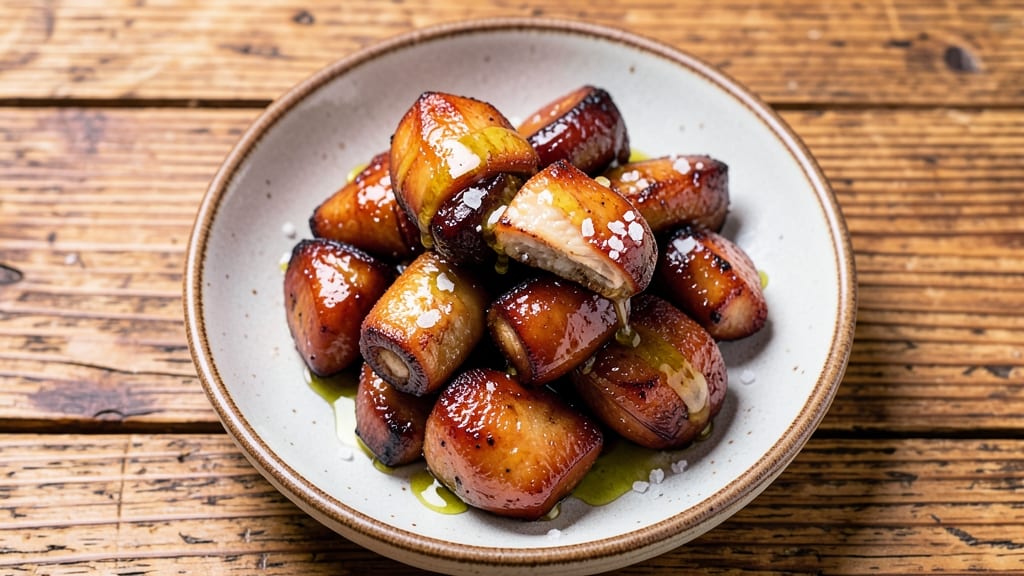
Transforming chicken gizzards and hearts into crispy-skinned, juicy bites is easier than you think, and this one-pan method delivers restaurant-quality results without the fuss. The secret lies in proper preparation—cleaning the organs thoroughly and marinating them just long enough to tenderize without overpowering their rich, meaty flavor.
I’ve perfected this technique over years of testing, ensuring every bite is both satisfying and approachable for home cooks.
What sets this recipe apart is the balance of textures: crispy, golden-brown skins that shatter with each bite, paired with tender, juicy interiors.
The process starts with a simple brine to draw out impurities, followed by a quick sear in a hot pan to lock in moisture before finishing in the oven. This method guarantees crispy edges and juicy centers every time, even if you’ve never cooked these cuts before.
The beauty of this dish is its versatility—serve it as a standalone appetizer, a hearty side, or even a main course with crusty bread to soak up the savory juices.
The flavor is deep, earthy, and satisfying, with none of the gamey aftertaste that often deters home cooks. Once you try this recipe, you’ll never buy pre-packaged organ meats again.
Ready to elevate your cooking game? This recipe is designed to be foolproof, with step-by-step guidance for cleaning, seasoning, and cooking—no prior experience required. Let’s get started on a dish that’s both impressive and deeply flavorful.
Ingredients for chicken gizzards and hearts
Transform these humble chicken organs into crispy, restaurant-worthy bites with just 14 ingredients.
| Ingredient | Amount | Notes |
|---|---|---|
| Chicken Hearts 🦛 | 1 ½ lb | Fresh, trimmed of excess fat |
| Chicken Gizzards 🦛 | 1 ½ lb | Fresh, cleaned thoroughly |
| Diamond Crystal Kosher Salt 🧂 | 1 tbsp | For initial brine solution |
| White Vinegar 🍶 | 1 cup | For brine and cleaning |
| Cold Water 💧 | 4 cups | For brine preparation |
| Extra-Virgin Olive Oil 🫒 | ½ cup | For searing and finishing |
| Garlic Cloves 🧄 | 6 cloves | Minced, for marinade |
| Fresh Rosemary 🌿 | ¼ cup | Finely chopped, for marinade |
| Fresh Thyme 🌿 | ¼ cup | Finely chopped, for marinade |
| Ground Black Pepper 🌶️ | 1 tsp | Freshly cracked, for seasoning |
| Smoked Paprika 🌶️ | 1 tsp | For depth of flavor |
| Cornstarch 🌾 | ¼ cup | For crispy coating |
| Unsalted Butter 🧈 | 2 tbsp | For basting during roasting |
| Fresh Lemon Juice 🍋 | 2 tbsp | For brightness and acidity |
The quality of your chicken organs makes all the difference—freshness is non-negotiable. Source them from a trusted butcher or specialty market like Whole Foods or D'Artagnan, where they’re cleaned and packaged properly. Look for vibrant color and firm texture; avoid any with an off-putting odor. The hearts and gizzards should be cleaned thoroughly—soak them in cold water with vinegar for 10 minutes to remove impurities before rinsing. For optimal texture, trim excess fat from the hearts, as it can interfere with crisping. If you’re unsure about cleaning, most butchers will do it for you—just ask.
No fresh herbs? Dried rosemary and thyme at one-third the amount will work, though fresh delivers superior flavor. Short on cornstarch? All-purpose flour or potato starch are suitable substitutes, though cornstarch yields the crispiest results. For a deeper flavor profile, add a pinch of ground coriander or cumin to the marinade. The vinegar in the brine serves a dual purpose—it tenderizes the organs while neutralizing any lingering gamey notes. If you prefer a milder taste, reduce the vinegar to ½ cup and increase the water to 4½ cups. The olive oil should be high-quality extra-virgin to prevent burning during searing.
Prepped organs can be refrigerated for up to 24 hours in the marinade, though they’re best cooked immediately for peak texture. If storing longer, freeze them in the marinade for up to 3 months—thaw overnight in the fridge before cooking. The crispy coating is best enjoyed fresh, but leftovers reheat beautifully in a 350°F oven for 10-12 minutes, covered loosely with foil. For a foolproof crisp, pat the organs dry with paper towels before dredging in cornstarch—moisture is the enemy of crispiness. Serve immediately with crusty bread to soak up the savory juices.
Why You'll Love This Recipe
- No-Fuss Prep: I swear by the soak-and-go method—just hearts, gizzards, salt, and vinegar in cold water for 30 minutes. Honestly, that’s it. No chopping, no fancy tools, just hands-off simplicity while you handle the rest of dinner.
- Crispy-Tender Magic: The vinegar soak does two things: tenderizes the tough bits and gives them that addictive crispy-snap when seared. That contrast—soft inside, crackly outside—is why I always double the batch.
- Game for Any Meal: Toss them into tacos, stir-fries, or even a pasta sauce. I’ll be real: my lazy Sunday brunch now includes them scrambled with eggs and hot sauce—no one complains, especially when it’s cheap to feed a crowd.
- Budget Win: A pound of hearts and gizzards costs less than half a chicken breast, and they keep for days. Freeze extras, thaw in the soak, and boom—you’ve got a pantry hack that saves money without sacrificing flavor. (Yes, even on a Tuesday night.)
Step-by-step instructions for crispy-skinned chicken gizzards and hearts
This method transforms tough offal into tender, golden bites with perfect texture every time.
Prepare the Brine for Maximum Tenderness
In a large bowl, combine the 4 cups cold water and 1 cup white vinegar. Add the 1.5 lb chicken gizzards and 1.5 lb chicken hearts, ensuring they're fully submerged. Stir in the 1 tbsp diamond crystal kosher salt until fully dissolved. The acidity of the vinegar and salt solution breaks down connective tissue, ensuring fork-tender results.
Let the mixture marinate at room temperature for 30 minutes, then transfer to the refrigerator and refrigerate for at least 24 hours (up to 48 hours). This extended brine time is crucial—it's what transforms tough gizzards into melt-in-your-mouth bites. After brining, drain the offal thoroughly and pat completely dry with paper towels, removing any remaining moisture that could prevent crisping.
Create the Herb Marinade for Deep Flavor
In a separate bowl, combine the 0.5 cup extra-virgin olive oil, 6 minced garlic cloves, 0.25 cup finely chopped fresh rosemary, 0.25 cup finely chopped fresh thyme, 1 tsp ground black pepper, and 1 tsp smoked paprika. Mix until the herbs are thoroughly distributed in the oil. This aromatic blend will infuse the offal with complex, earthy flavors while preventing bitterness.
Transfer the brined and dried chicken gizzards and hearts to a resealable plastic bag. Pour the herb marinade over the offal, seal the bag, and massage it gently to ensure even coating. Let it marinate at room temperature for 1 hour, allowing the flavors to penetrate deeply. This step is where the magic happens—each bite will be bursting with herbaceous notes that balance the richness of the meat.
Develop the Crispy Cornstarch Coating
In a shallow dish, combine the 0.25 cup cornstarch with 1 tsp ground black pepper and 1 tsp smoked paprika. Remove the marinated offal from the bag and pat it dry once more with paper towels to remove any excess marinade. Roll each piece of gizzard and heart in the cornstarch mixture, pressing gently to adhere the coating evenly. The cornstarch creates a golden, shatteringly crisp exterior while maintaining perfect moisture inside.
Let the coated offal rest for 10 minutes at room temperature. This resting period allows the cornstarch to fully adhere, ensuring a superior texture when seared. Arrange the pieces on a wire rack set over a baking sheet to prevent sticking during the cooking process. The rack allows air to circulate on all sides, promoting even crisping.
Sear and Roast for Perfect Texture
Preheat your oven to 425°F. Heat a large oven-safe skillet over medium-high heat and add the 0.5 cup extra-virgin olive oil. Once the oil is shimmering but not smoking, carefully add the coated offal in a single layer, working in batches if necessary to avoid crowding. Sear for 3-4 minutes per side until the cornstarch coating turns a deep golden brown and the edges begin to crisp. This initial sear locks in juices and creates that coveted crunch.
Transfer the skillet to the preheated oven and roast for 15-20 minutes, until the internal temperature reaches 165°F when measured with an instant-read thermometer. The offal should be golden brown on the outside with a juicy, tender interior. During the last 5 minutes of roasting, add the 2 tbsp unsalted butter to the skillet and baste the offal with the melted butter, basting spoonfuls over the top to ensure even moisture distribution.
Finish with Acid and Serve Immediately
Remove the skillet from the oven and transfer the offal to a serving platter. Immediately drizzle with the 2 tbsp fresh lemon juice, which brightens the flavors and cuts through any richness. The acidity also helps maintain the crisp texture by preventing the cornstarch coating from softening too quickly. Serve the gizzards and hearts immediately while they're at their peak—crisp-skinned, juicy, and bursting with herbaceous flavor.
The key to success lies in the balance of techniques: the brine tenderizes, the marinade infuses flavor, the cornstarch creates crispness, and the final acid finish elevates everything. Each bite should deliver a satisfying contrast of textures—crispy exterior, succulent interior—with layers of savory, herbal, and slightly smoky notes. This method transforms humble offal into a showstopping dish worthy of any table.
Pro Tips For Making Chicken Gizzards And Hearts
- SCOUR NOT SLICE: I learned this the hard way—don’t just rinse those gizzards and hearts under water. Use a stiff brush or non-slip scrubber to scrub off the grime stuck in the crevices of the hearts and the tough membranes on the gizzards. This isn’t the prettiest method, but it’s the tastiest.
- BRINE THEM FIRST: Toss gizzards and hearts in a bowl with 1/4 cup kosher salt and 2 cups cold water for 30 minutes before cooking. The salt breaks down the connective tissue, making them tender without turning to mush. (Yes, even if you’re impatient like me—just don’t skip the rinse afterward.)
- START HOT, FINISH LOW: Sear the gizzards and hearts in a dry skillet over high heat until deeply browned—this locks in flavor. Then, reduce to medium-low and add a splash of white vinegar to deglaze. Too much heat too long? You’ll end up with rubbery, dry meat. Keep it steady.
- PUNCTURE THE HEARTS: Use a sharp knife to make a small slit in each heart before cooking. This lets the vinegar and salt penetrate deeper, ensuring they cook evenly and don’t curl up like little meat parchments. (Your future self will thank you.)
Dietary considerations for chicken gizzards and hearts
Gluten-Free Adaptation
This recipe is naturally gluten-free, but the cornstarch coating requires attention for those avoiding gluten entirely. Replace the 0.25 cup cornstarch with a gluten-free flour blend like Bob's Red Mill 1-to-1—it mimics the crispy texture perfectly.
For extra crunch, mix the blend with 2 tbsp arrowroot powder to improve adhesion. Always check labels, as some blends contain additives. The rest of the recipe remains unchanged, delivering the same satisfying texture. 🌾
Low-Carb Considerations
Chicken gizzards and hearts are inherently low-carb, but watch the marinade ingredients. The 0.5 cup extra-virgin olive oil adds healthy fats, while the cornstarch coating contributes minimal carbs (1g per tbsp). For a zero-carb version, skip the coating entirely and sear the offal in 2 tbsp ghee instead.
The natural flavors shine through without sacrificing texture. Pair with a side salad for a complete low-carb meal.
Allergen-Friendly Options
This recipe is free of common allergens, but adjustments are easy for specific needs. For nut-free kitchens, ensure your olive oil is refined (some brands process in nut facilities). For soy-free diets, verify that your smoked paprika lacks soy additives—Penzeys brand is a safe bet.
If you're avoiding dairy, omit the basting butter and use olive oil or avocado oil instead. Always double-check ingredient labels for hidden allergens.
Protein-Packed Modifications
Boost the protein content by adding 1 lb chicken livers to the mix—they cook quickly and add depth. Increase the marinade by 2 tbsp olive oil and 1 extra garlic clove to accommodate.
For a high-protein diet, serve with a side of steamed broccoli or a simple cauliflower mash to balance the meal. The organs alone provide 25g protein per serving, making this a powerhouse dish for muscle recovery.
Gamey Flavor Reduction
Some find chicken gizzards and hearts too "gamey," but this recipe minimizes that with the vinegar brine and fresh herbs. For extra mildness, reduce the vinegar to ½ cup in the brine and add 1 tbsp honey to the marinade.
The sweetness balances any lingering earthiness. If you're still concerned, soak the offal in milk or buttermilk for 1 hour before brining—this neutralizes flavors without sacrificing texture. 💡
Keto and Paleo Compliance
This recipe fits seamlessly into both keto and paleo diets, with zero added sugars or grains. The cornstarch coating can be omitted entirely for paleo compliance, though it’s optional. For keto, ensure your smoked paprika is sugar-free (some brands add dextrose).
Serve with a side of roasted Brussels sprouts or a zucchini noodle salad to complete the meal. The dish delivers 30g protein per serving with negligible carbs, making it a perfect fit for low-carb lifestyles.
Nutrition facts
Frequently asked questions
Why do chicken gizzards and hearts need a long brine?
The 24-hour brine is essential to break down connective tissue and tenderize these dense cuts. The vinegar and salt solution works like magic, transforming tough gizzards into melt-in-your-mouth bites. Skipping this step often results in chewy texture, even with perfect cooking technique.
Can I use frozen chicken gizzards and hearts?
Yes, but thaw them completely in the refrigerator overnight first. Never use frozen organs straight from the freezer—they won't cook evenly and may develop a gamey flavor. Pat them thoroughly dry after thawing to ensure that crispy cornstarch coating sticks properly. The texture difference is noticeable when using properly thawed versus fresh organs.
What if my gizzards and hearts turn out too gamey?
The vinegar brine and fresh herbs already minimize gamey flavors, but if you're still detecting them, try soaking the organs in milk or buttermilk for 1 hour before brining. The dairy helps neutralize any lingering earthiness. For extra mildness, reduce the vinegar to ½ cup in the brine and add 1 tbsp honey to the marinade to balance flavors.
How do I keep the cornstarch coating crispy?
Pat the organs completely dry before coating and let them rest 10 minutes after dredging. Moisture is the enemy of crispiness! Also, serve immediately after cooking—leftovers lose their crunch. For reheating, bake at 350°F for 10-12 minutes covered loosely with foil to revive some crispness.
What's the best way to serve these?
These crispy bites shine as an appetizer with cocktail sauce or a main course with crusty bread to soak up the juices. For a complete meal, pair with roasted vegetables or a simple salad. The rich flavor also works well in tacos or grain bowls—just let them cool slightly before assembling to prevent sogginess.