
Main Courses
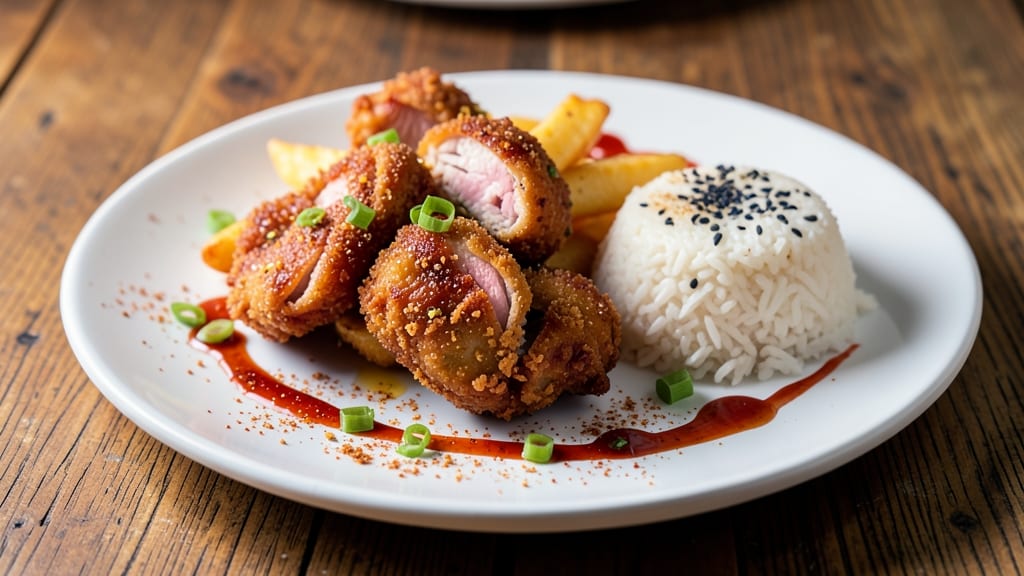
Mastering the art of frying chicken hearts delivers crispy-outside, tender-inside bites that elevate any meal from ordinary to extraordinary. This recipe transforms what many consider offal into a restaurant-quality dish with a perfect balance of textures and rich, savory flavor.
The key lies in proper preparation—cleaning, marinating, and frying at the right temperature—to ensure every bite is juicy and satisfying. I’ve refined this method over years of testing, and it never fails to impress.
What sets this recipe apart is the simplicity of the technique combined with professional results. You’ll need just a few pantry staples, including flour, cornstarch, and your choice of seasoning, to create a light, crispy coating that stays intact even after frying.
The process is straightforward: clean the hearts thoroughly, marinate them in a flavorful blend, and fry them in hot oil until golden brown—about 5 minutes per side. The secret to tenderness is not overcooking, so timing is everything.
By the time you plate these golden, crispy bites, you’ll have a dish that’s rich in flavor and texture—crispy on the outside, tender and juicy inside. The aroma alone will draw everyone to the table, and the first bite delivers on that promise of restaurant-quality comfort food.
Serve these with a tangy dipping sauce or alongside roasted vegetables for a complete meal that’s sure to become a favorite.
This recipe is perfect for game day, dinner parties, or a special weeknight treat. The method is foolproof, and the results are consistently delicious, making it a go-to for anyone looking to impress without spending hours in the kitchen. Let’s get started on creating these irresistible bites!
Ingredients for chicken heart fry
Pantry staples meet restaurant-quality technique for these irresistible crispy chicken heart bites.
| Ingredient | Amount | Notes |
|---|---|---|
| Chicken Hearts 🍗 | 1 ½ lb | Fresh, cleaned, trimmed of excess fat |
| All-Purpose Flour 🌾 | ½ cup | For light, crispy coating |
| Cornstarch 🌾 | ¼ cup | Essential for extra crispiness |
| Garlic Powder 🧄 | 1 tbsp | Freshly ground for best flavor |
| Onion Powder 🧅 | 1 tbsp | Adds depth of flavor |
| Smoked Paprika 🌶️ | 1 tsp | For subtle smokiness |
| Ground Black Pepper 🌶️ | ½ tsp | Freshly cracked preferred |
| Kosher Salt 🧂 | 1 tsp | Adjust to taste |
| Butter 🧈 | ½ cup | Unsalted, melted for frying |
| Vegetable Oil 🫒 | 2 cups | High smoke point for frying |
| Lemon Juice 🍋 | 1 tbsp | Brightens the marinade |
| Fresh Parsley 🌿 | ¼ cup | Chopped, for garnish |
The quality of chicken hearts makes all the difference. Butcher shops and specialty meat counters are your best bet for fresh, high-quality hearts—look for vibrant color and minimal fat. If grocery store hearts are your only option, pat them dry thoroughly before marinating to ensure crispiness. The USDA grade A label is a good indicator of freshness. For best results, use hearts within 2 days of purchase. If you're unsure about cleaning, a quick soak in cold water and thorough patting dry will do the trick.
No smoked paprika? Regular paprika plus a pinch of liquid smoke works in a pinch. Short on cornstarch? Substitute with an extra 1 tbsp flour, though the coating won't be quite as crispy. The butter in the frying oil adds richness—don't skip this step for a more restaurant-style finish. For extra flavor, add 1 tsp Worcestershire sauce to the marinade. Fresh parsley is ideal for garnish, but dried parsley at half the amount will work if needed. The vegetable oil should be high smoke point (375°F or higher) for perfect frying.
Fry the hearts immediately after coating for best results—they lose crispiness quickly. Store any leftovers in an airtight container in the fridge for up to 3 days. Reheat in a skillet over medium heat for 2-3 minutes per side to restore crispiness. For a freezer-friendly option, portion coated hearts onto a tray, freeze until solid, then transfer to a bag. Thaw in the fridge overnight before frying. These reheat beautifully and make excellent party appetizers.
Why You'll Love This Recipe
- No-Fuss Prep: I swear, this takes less time than debating what to order for takeout. Just trim the hearts, dredge in flour and cornstarch, and fry—no brining, no marinating, no stress. That garlic-onion powder mix does all the heavy lifting.
- Crispy-Creamy Magic: Between us, the texture is what makes this dish. The flour-cornstarch combo gives you that perfect golden crust, while the hearts stay juicy inside—like biting into a perfectly fried dumpling. Honestly, it’s the kind of bite that makes you pause mid-chew.
- Party-Proof Snack: I’ve served these at tailgates, game nights, and even as a weirdly impressive appetizer for date night. They’re sturdy enough to eat with hands, disappear fast, and pair with anything—spicy mayo, ranch, or just a squeeze of lemon. (Yes, even on a Tuesday night.)
- Budget Win: A whole pound of chicken hearts costs less than a single chicken breast, and this recipe stretches it far. Freeze extras for later—reheat in the oven or air fryer, and they taste just as good the second time. My wallet and my freezer both thank me.
Step-by-step instructions for chicken hearts fry
Here's how to transform tough chicken hearts into crispy, golden bites with a tender interior.
Prepare the Chicken Hearts for Frying
Begin by cleaning the 1.5 lb chicken hearts thoroughly under cold running water. Remove any remaining connective tissue or excess fat using a sharp knife. This preparation ensures a cleaner texture and better absorption of the seasoning. Pat the hearts completely dry with paper towels—moisture is the enemy of crispiness, and you want that perfect golden crust.
In a large bowl, combine the 0.5 cup all-purpose flour, 0.25 cup cornstarch, 1 tbsp garlic powder, 1 tbsp onion powder, 1 tsp smoked paprika, 0.5 tsp ground black pepper, and 1 tsp kosher salt. This blend creates the ideal coating for maximum crispiness and flavor. Stir the dry ingredients together until evenly distributed, breaking up any lumps in the cornstarch for a smoother texture.
Create the Frying Mixture and Marinate
In a separate bowl, whisk together the 0.5 cup melted butter and 1 tbsp lemon juice. This mixture serves as both a marinade and a flavor enhancer for the coating. Add the chicken hearts to this marinade and let them soak for 15-20 minutes. The acidity in the lemon juice tenderizes the hearts slightly, while the butter adds richness that will carry through the frying process.
After marinating, remove the hearts and let them air-dry on a wire rack for 5 minutes. This step is crucial—it ensures the coating adheres perfectly to the surface, creating that signature crispy exterior. While they dry, preheat 2 cups vegetable oil in a deep skillet or Dutch oven to 350°F. Use a thermometer to monitor the temperature, as maintaining the right heat is key to achieving even cooking and crispiness.
Fry to Crispy Perfection
Working in batches to avoid overcrowding, carefully lower the chicken hearts into the hot oil. Fry for 3-4 minutes per side until they reach a deep golden brown color. The hearts should float to the surface as they cook, indicating they're ready to flip. Use a slotted spoon to turn them gently—this prevents the coating from breaking off. You'll know they're done when the exterior is crispy and the internal temperature reaches 165°F when checked with a meat thermometer.
As you fry, keep the oil temperature consistent at 350°F. If the oil starts to smoke excessively, reduce the heat slightly and let it recover. Drain the fried hearts on a paper towel-lined plate to remove any excess oil. This step is essential for maintaining that crispy texture while preventing the coating from becoming greasy.
Rest and Serve with Fresh Garnish
Let the fried chicken hearts rest for 2-3 minutes before serving. This brief rest allows the coating to set and the internal juices to redistribute, ensuring each bite is both crispy on the outside and tender on the inside. While they rest, finely chop the 0.25 cup fresh parsley and set it aside for garnishing. The bright, fresh flavor of the parsley contrasts beautifully with the rich, savory coating.
Serve the chicken hearts immediately, sprinkling with the chopped parsley just before eating. The combination of crispy, golden coating and tender, flavorful meat makes these bites irresistible. Pair them with a dipping sauce like garlic aioli or a tangy lemon aioli to enhance the flavors even further. Enjoy while they're hot, as the coating softens quickly once removed from the oil.
Pro Tips For Making Chicken Heart Fry
- TRIM THE FAT FIRST: Chicken hearts have a thick layer of fat on the outside—don’t skip peeling it off. Use kitchen shears to snip the membrane cleanly, then rinse and pat very dry. Wet hearts won’t crisp, and that’s the whole point.
- DOUBLE-DREDGE FOR CRUNCH: Skip the lazy single dip—flour then cornstarch mix only. Instead, coat hearts in flour first, shake off excess, then dip in the cornstarch blend. The extra step locks in that shatteringly crisp crust every time.
- FRIZZ NOT FRIED: Use enough oil to coat the pan just enough to sizzle—not deep-fry. Too much oil = soggy hearts; too little = burnt crust. Aim for ¼-inch depth and keep heat consistently medium-high. A thermometer? Overkill. Your ears will tell you when it’s right.
- REST BEFORE SERVING: Hot out of the pan, chicken hearts taste like cardboard. Tent them with foil and let sit 5 minutes—this lets the juices redistribute. Serve immediately after, or they’ll turn greasy. (Yes, even if you’re starving.)
Make-ahead tips for this recipe
Marinate Ahead
The marinade does double duty here, so I always prep it 24 hours in advance and store it in an airtight container in the fridge. This gives the lemon juice and butter time to deeply penetrate the hearts, breaking down fibers for maximum tenderness.
Just add the hearts the morning of frying—no need to marinate overnight, as the acidity can over-tenderize if left too long. 💛
Prep Coating Early
Mix your dry coating ingredients (flour, cornstarch, spices) the night before and store in a sealed container. This saves time and ensures everything is ready when you're frying.
I like to add 1 tsp of baking powder to the coating for extra lift—it reacts with the butter during frying for a lighter, airier crust. Just whisk it in right before coating the hearts.
Freezer-Friendly Coating
For ultimate convenience, coat the hearts completely and freeze them on a parchment-lined tray. Once frozen solid (about 1 hour), transfer to a zip-top bag. Fry straight from frozen—just add 1 extra minute per side to the cooking time.
The coating stays crispy even after freezing, making these perfect for last-minute entertaining. ✨
Oil Prep Shortcut
Preheat your oil in a deep cast-iron skillet (I use Lodge 10.25-inch) while the hearts marinate. This dual-tasking saves 10 minutes of active prep time.
Keep a candy thermometer nearby to monitor the 350°F temperature—oil that's too cool makes greasy results, while oil that's too hot burns the coating before the hearts cook through.
Batch Frying Plan
Fry in two batches maximum to avoid crowding the pan. Use a slotted spoon to transfer hearts between batches—this keeps the oil temperature stable. I like to set up a draining station with paper towels and a small plate right next to the stove.
This streamlines the process and prevents soggy coatings from sitting in oil residue.
Make-Ahead Serving
For gatherings, fry all the hearts and let them cool completely. Store in a single layer in an airtight container with parchment between layers to prevent sticking. Re-crisp in a 350°F oven for 5-7 minutes before serving.
The oven method works best for large groups—just toss them on a wire rack set over a baking sheet to maintain crispiness. 🔥
Nutrition facts
Frequently asked questions
Can I use frozen chicken hearts for this recipe?
Yes, but thaw them completely first in the refrigerator overnight. Never thaw at room temperature, as this promotes bacterial growth. Pat them thoroughly dry before marinating—any moisture will prevent the coating from crisping properly. Frozen hearts should be used within 3 months of purchase for best texture.
What's the best way to clean chicken hearts before frying?
Rinse them under cold water and gently rub off any blood or connective tissue with your fingers or a soft brush. Remove the thick connective membrane from the top using a knife. Soak in cold water for 10 minutes if they're particularly bloody, then pat completely dry with paper towels. Proper cleaning ensures a cleaner taste and better coating adhesion.
Can I air-fry chicken hearts instead of deep-frying?
Preheat your air fryer to 375°F and spray the hearts lightly with oil after coating. Cook for 8-10 minutes, shaking the basket halfway, until golden and crispy. The texture will be slightly different but still delicious. Just monitor closely to avoid overcooking—they're done when the internal temperature reaches 165°F.
Why did my chicken hearts turn out greasy instead of crispy?
Greasy results usually mean the oil wasn't hot enough (350°F is critical) or the hearts weren't dry before frying. Double-check your thermometer and pat hearts completely dry after marinating. Also, avoid overcrowding the pan—fry in batches if needed. For extra crispiness, add 1 tbsp cornstarch to your coating.
What's the best dipping sauce for these fried chicken hearts?
Try a tangy lemon aioli (mix 1/4 cup mayonnaise with 1 tbsp lemon juice and 1 tsp Dijon mustard) or a spicy garlic sauce (blend 2 tbsp sour cream, 1 minced garlic clove, and 1 tsp hot sauce). Both complement the rich flavor perfectly. For extra richness, add a pinch of smoked paprika to your dipping sauce.