
Main Courses
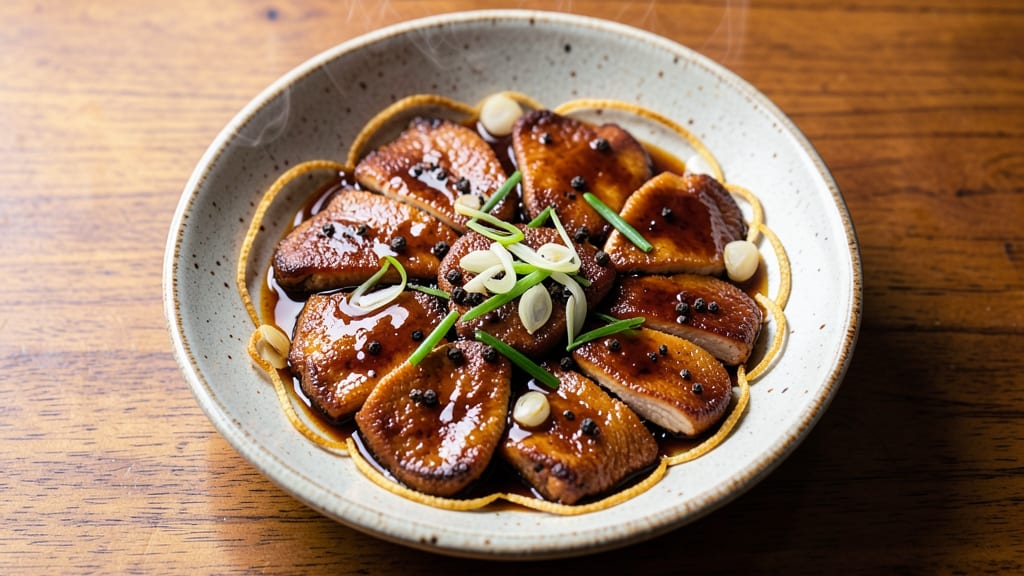
This Filipino chicken liver recipe delivers the perfect balance of crispy edges and tender centers, all coated in a glossy soy-vinegar glaze that’s become a staple in Filipino households.
The technique transforms what many consider an acquired taste into a dish so flavorful and satisfying, it becomes a centerpiece rather than an afterthought. My version stays true to tradition while simplifying the process—no complicated marinades or hours of simmering required.
The secret lies in the pan-frying method, which creates that signature crispy texture while keeping the interior silky. A quick glaze of soy sauce, vinegar, and garlic infuses the livers with deep umami and a bright tang, cutting through the richness.
This dish pairs beautifully with steamed rice and atchara (pickled papaya), but it also stands alone as a hearty meal. The key is patience—letting the livers cook low and slow ensures they don’t dry out, while the final sear locks in all that flavor.
What you’ll end up with is a dish that’s rich, aromatic, and just slightly sweet from the caramelized glaze. The contrast of textures—crispy exterior, tender interior—makes every bite satisfying, while the soy-vinegar glaze adds a complexity that elevates simple ingredients into something extraordinary.
This isn’t just a recipe; it’s a taste of home, a dish that brings warmth and nostalgia to the table. Ready to transform chicken livers into a showstopper?
Whether you’re serving it for a family gathering or a quiet weeknight dinner, this recipe delivers restaurant-quality results with minimal effort. The beauty of this dish is its versatility—it works as a main course or a side, and the leftovers reheat beautifully.
Let’s get cooking and bring a taste of the Philippines to your kitchen.
Ingredients for chicken liver filipino
Transform humble chicken livers into a Filipino showstopper with these twelve essential ingredients.
| Ingredient | Amount | Notes |
|---|---|---|
| Fresh Chicken Livers 🍗 | 1 ½ lb | Trimmed of connective tissue |
| All-Purpose Flour 🌾 | ½ cup | For dredging, light coating |
| Extra-Virgin Olive Oil 🫒 | ⅓ cup | High smoke point preferred |
| Soy Sauce 🍶 | ⅓ cup | Dark soy for deeper color |
| Canola Oil 🫒 | ½ cup | For deep frying, neutral flavor |
| White Vinegar 🍶 | ¼ cup | Distilled preferred for balance |
| Garlic Cloves 🧄 | 6 cloves | Minced fine for glaze |
| Fresh Ginger 🌿 | 1 tbsp | Finely grated, aromatic |
| Brown Sugar 🍚 | 2 tbsp | Lightly packed for caramelization |
| Diamond Crystal Kosher Salt 🧂 | 1 ½ tsp | Fine grain for seasoning |
| Freshly Ground Black Pepper 🌶️ | ½ tsp | Coarsely ground for texture |
| Green Onions 🧅 | 3 whole | Thinly sliced for garnish |
| Unsalted Butter 🧈 | 2 tbsp | Cold, for finishing |
The quality of chicken livers determines success—look for bright red, moist livers at your local butcher or Filipino markets, where they often sell pre-trimmed for convenience. Costco or Whole Foods carry them year-round, but if you're near an Asian grocery, their selection is typically fresher. Trim all connective tissue meticulously; even small bits can make the texture tough. For the glaze, dark soy sauce (like Lee Kum Kee) provides that signature deep color, while regular soy sauce works in a pinch. The extra-virgin olive oil should have a high smoke point—Avocado oil is another excellent choice if you're concerned about flavor transfer during frying.
No dark soy sauce? Regular soy sauce plus 1 tsp molasses mimics the depth, though the color won't be as rich. Substituting canola oil for frying? Ensure it's refined to avoid overpowering the delicate flavors. Fresh ginger and garlic can be swapped for 1 tsp each of ground ginger and garlic powder, though the texture will differ slightly. For the brown sugar, turbinado sugar adds a subtle caramel note if you prefer a more complex sweetness. The green onions are purely decorative but add a bright contrast—shallots work as a substitute if they're what you have on hand. Always use unsalted butter for finishing to control seasoning precisely.
Store fresh livers in an airtight container with a paper towel pressed against them for up to 2 days. The glaze components (soy sauce, vinegar, sugar) can be pre-mixed and refrigerated for up to 1 week, though the ginger and garlic should be added fresh before cooking. Leftover crispy livers reheat beautifully—350°F for 5-7 minutes in the oven restores their crispiness. For meal prep, portion the glaze separately and toss with reheated livers to maintain texture. The dish freezes well for up to 3 months if you blanch the livers first in boiling water for 30 seconds before freezing.
Why You'll Love This Recipe
- Pan-Fry Magic: I swear by the crispy flour crust—just a quick dip in flour and a hot pan with canola oil, and you’ve got that perfect texture in minutes. No fancy techniques, just searing until golden while the soy sauce caramelizes into something irresistible.
- Umami Bomb: That soy sauce and olive oil combo? It’s like a flavor explosion in your mouth. The livers stay juicy inside while the crust locks in all the rich, savory goodness—no one will guess it’s a simple weeknight dish.
- Leftovers Reinvented: Make a big batch and store them in the fridge—these reheat like a dream. Toss them into fried rice the next day or serve them cold with rice and vinegar for a completely different (but still delicious) meal.
- Budget Powerhouse: Chicken livers are cheap, and this recipe stretches them far. A pound feeds four, and the ingredients I use are all pantry staples. Honestly, it’s one of my go-to meals when I need to feed the family without breaking the bank.
Step-by-step instructions for chicken liver Filipino recipe
Master the technique for golden, crispy chicken livers with a glossy soy-vinegar glaze.
Prepare and Season the Chicken Livers
Rinse the 1.5 lb fresh chicken livers under cold water and pat them completely dry with paper towels. This step is critical—any moisture will prevent crispiness. Trim off any connective tissue or silver skin, then cut each liver into ½-inch thick slices. Place them in a bowl and season generously with 1.5 tsp diamond crystal kosher salt and 0.5 tsp freshly ground black pepper, tossing to coat evenly.
Let the seasoned livers rest for 15 minutes at room temperature. This allows the salt to penetrate and the livers to firm up slightly, ensuring they hold their shape during frying. While they rest, finely mince the 6 cloves garlic and grate the 1 tbsp fresh ginger using a microplane. Set these aside—they'll form the aromatic base of your glaze.
Create the Glaze and Dredge the Livers
In a small saucepan, combine the 0.33 cup soy sauce, 0.25 cup white vinegar, 2 tbsp brown sugar, and the minced garlic and ginger. Bring to a simmer over medium heat and reduce by half—this should take about 5 minutes—until the mixture thickens slightly and becomes syrupy. Remove from heat and set aside.
In a shallow bowl, mix the 0.5 cup all-purpose flour with 1.5 tsp diamond crystal kosher salt. Working in batches, lightly dredge each liver slice in the flour mixture, shaking off any excess. The coating should be thin but even—this ensures a crispy exterior without making the livers dense. Keep the dredged livers on a wire rack while you prepare the frying station.
Pan-Fry to Crispy Perfection
Heat 0.5 cup canola oil in a large skillet over medium-high heat until it shimmers—350°F on a thermometer. Add the dredged livers in a single layer, being careful not to overcrowd the pan. Fry for 2-3 minutes per side until they develop a deep golden-brown crust. The livers should release easily from the pan when ready—if they stick, your oil isn't hot enough.
As the livers cook, reduce the heat to medium and add 2 tbsp unsalted butter to the pan. Once the butter has melted and foamed, pour in the reserved soy-vinegar glaze. Toss the crispy livers in the sauce until fully coated, letting them simmer for 1-2 minutes to absorb the flavors. The glaze should cling to the livers, creating a silky, glossy finish.
Finish and Serve Immediately
Transfer the glazed livers to a serving platter and garnish with thinly sliced 3 whole green onions. Serve while still hot and crispy—this dish doesn't wait. The contrast of the crispy exterior, tender interior, and tangy-sweet glaze is what makes this preparation so distinctive. Pair with steamed jasmine rice or crusty bread to soak up the flavorful drippings.
Real talk: Don't skip the resting step before frying, and resist the urge to flip too soon. The livers need that initial sear to develop their signature crispiness. If the glaze seems too thick, add a splash of hot water to loosen it—just enough to coat the livers evenly without making them soggy.
Pro Tips For Making Chicken Liver Filipino
- Trim the Gall Bladder: DESCRIPTION:
- Sear in Batches: DESCRIPTION:
- Soak Livers First: DESCRIPTION:
- Use Two Oils: DESCRIPTION:
Serving suggestions for this dish
Classic Filipino Sides
Steamed jasmine rice is the quintessential pairing—its mild, fragrant grains soak up the rich glaze beautifully. I always cook a 1:1.5 rice-to-water ratio for perfectly fluffy grains. For extra authenticity, serve with atchara (pickled papaya), which adds a bright, tangy contrast to cut through the richness.
You can find atchara at Filipino markets or make your own by thinly slicing green papaya and pickling it in vinegar, sugar, and chili flakes for 24 hours. 🍚
Crispy Accompaniments
Add garlic fried rice to the plate for a heartier meal. Use day-old rice stir-fried with 2 tbsp minced garlic, 1 tbsp soy sauce, and 1 tbsp butter for a nutty depth.
I like to sprinkle toasted garlic bits on top right before serving. For a lighter option, serve with sautéed string beans and a sprinkle of calamansi juice—the citrus brightens the whole plate.
Bread Pairings
Crusty Filipino pandesal (sweet bread rolls) or pan de coco (coconut bread) make perfect dippers for the soy-vinegar glaze. Warm them slightly in the oven for 3-5 minutes at 350°F to enhance their buttery texture.
If you can't find these, a simple baguette or sourdough works just as well. The bread’s chewiness balances the tender livers perfectly. 🥖
Sauce Enhancers
Drizzle extra glaze over the dish or serve it on the side for dipping. For a smoky twist, add ½ tsp smoked paprika to the glaze while simmering. A squeeze of calamansi (Filipino lime) or regular lime juice right before serving adds a zesty finish.
If you’re feeling adventurous, sprinkle crushed toasted peanuts on top for a textural crunch that complements the crispy livers.
Drink Recommendations
Cool down the meal with tsokolate (Filipino hot chocolate) if serving warm, or a refreshing barong-barong (coconut drink with pandan leaf). For non-alcoholic options, hibiscus tea (tsamba) adds a tart, floral note.
If you prefer beer, a light Filipino lager like San Miguel or Red Horse pairs well without overpowering the dish. 🍹
Nutrition facts
Frequently asked questions
Why do Filipino recipes often use chicken liver?
Chicken liver is a protein-rich staple in Filipino cuisine, prized for its deep umami flavor and versatility. The combination of soy sauce and vinegar in this recipe enhances its natural richness while balancing any potential bitterness. Many traditional dishes like morcon or chop suey feature organ meats as affordable, nutrient-dense ingredients that add depth to meals.
Can I substitute beef liver for chicken liver in this recipe?
Yes, but expect a slightly different texture and flavor profile. Beef liver is denser and more gamey, so it may require an extra 30 seconds per side of cooking time. For best results, marinate it in a mix of soy sauce and vinegar for 15-20 minutes before dredging to mellow its stronger taste.
What's the best way to store leftover crispy chicken livers?
Store in an airtight container with a paper towel to absorb moisture. Reheat at 350°F for 5-7 minutes until crispy again. The glaze can be reheated separately—simmer it for 2 minutes and toss with the livers just before serving to maintain that silky texture.
Is this recipe suitable for a weeknight dinner?
The entire process takes under 30 minutes from start to finish. Prep the glaze while the livers rest, and cook in batches if needed. Serve with store-bought jasmine rice and frozen atchara to save even more time—this dish is perfect for busy evenings.