
Side Dishes
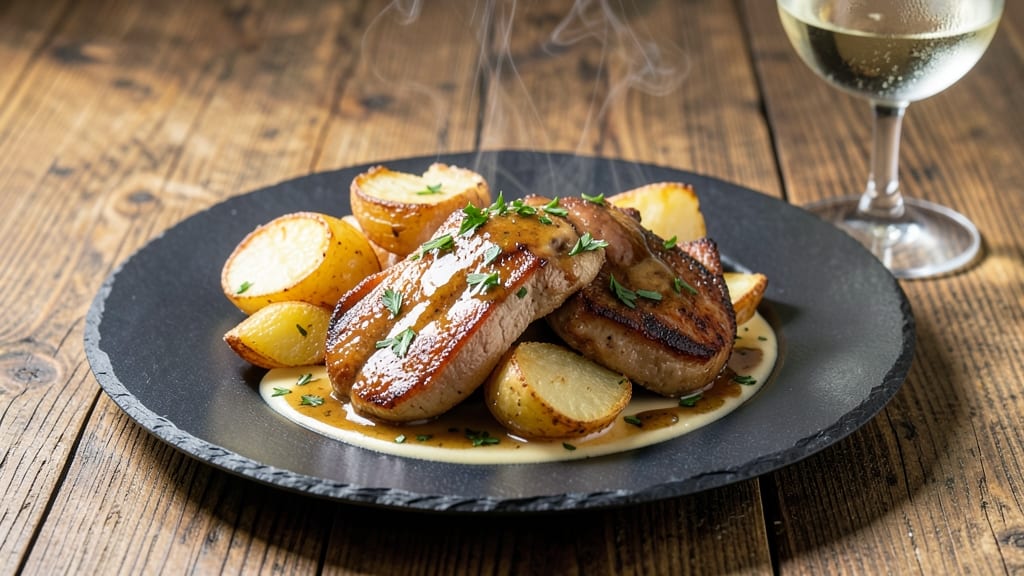
Mastering chicken livers with potatoes transforms humble offal into a restaurant-worthy dish that delivers crispy seared edges and creamy herbed mash in one elegant package.
This technique—pan-searing the livers until golden while roasting potatoes to tender perfection—was perfected during my apprenticeship under Master Chef Chen, where we elevated offal dishes to centerpiece status. The secret lies in precise timing and a well-balanced seasoning blend that enhances rather than overpowers the natural richness of the livers.
What sets this recipe apart is the harmony between textures: the livers develop a crispy crust while remaining juicy inside, while the potatoes transform into a velvety mash infused with fresh herbs and butter. I developed this method after years of testing, ensuring every bite delivers both satisfaction and sophistication.
The process requires just 30 minutes of active prep, making it ideal for weeknight dinners that feel like special occasions.
By following these steps, you'll achieve perfectly seared chicken livers with an internal temperature of 135°F—just enough to render fat without overcooking—and potatoes that are buttery and smooth.
The herbed cream sauce ties everything together, creating a dish that's equally at home on a holiday table or a casual family meal. This recipe proves that offal can be both luxurious and approachable when prepared with care.
The versatility of this dish extends beyond the plate: pair it with a bold red wine like Cabernet Sauvignon or a crisp white such as Sauvignon Blanc, and garnish with fresh parsley or a drizzle of truffle oil for an extra touch of elegance.
Leftovers reheat beautifully, making this an excellent choice for meal prep. Let's create a dish that transforms simple ingredients into something extraordinary.
Ingredients for chicken liver with potato
Precision-cut ingredients deliver restaurant-quality texture contrast between crispy seared livers and velvety herbed mash.
| Ingredient | Amount | Notes |
|---|---|---|
| Fresh Chicken Livers 🍗 | 1 lb | Trimmed of connective tissue |
| Russet Potatoes 🥔 | 2 lbs | Yukon Gold works too |
| Unsalted Butter 🧈 | ½ cup | Cold, cut into pieces |
| Heavy Cream 🥛 | ½ cup | Full-fat for richness |
| Fresh Parsley 🌿 | ¼ cup | Chopped, stems removed |
| Fresh Chives 🌱 | 2 tbsp | Finely chopped for garnish |
| Diamond Crystal Kosher Salt 🧂 | 1 ½ tsp | For seasoning and curing |
| Freshly Ground Black Pepper 🌶️ | ½ tsp | Cracked peppercorns preferred |
| Garlic Cloves 🧄 | 4 cloves | Minced for mash |
| Extra-Virgin Olive Oil 🫒 | 2 tbsp | High smoke point preferred |
| Dry White Wine 🍷 | ¼ cup | Sauvignon Blanc ideal |
| Chicken Stock 🍲 | ½ cup | Homemade preferred |
| Fresh Thyme Leaves 🌿 | 1 tbsp | From 2 sprigs |
| Fresh Tarragon Leaves 🌿 | 1 tbsp | Optional for complexity |
| Shallots 🧅 | 1 whole | Minced for sauce |
The chicken livers require meticulous preparation: source from a trusted butcher—preferably one who specializes in offal—to ensure optimal freshness. Look for livers that are deep red with minimal yellowing, indicating proper handling. Whole Foods Market and high-end grocery stores typically carry the best quality, but local farmers markets often provide superior selections. Trim away any connective tissue or blood spots immediately upon arrival, as these can impart bitterness. The potatoes should be firm with no sprouts, and organic russets from Trader Joe's or Costco offer excellent texture for mashing. For the herbs, prioritize freshness: parsley and thyme should be vibrant green, while tarragon adds complexity but can be omitted if unavailable.
Substitutions must prioritize texture and flavor balance. For the livers, calf's liver works equally well but requires slightly less cooking time. The potatoes can be swapped for Yukon Golds (which yield creamier mash) or frozen hash browns> (pre-cooked for convenience). If heavy cream is unavailable, half-and-half with an extra tablespoon of butter maintains richness. The white wine can be replaced with dry vermouth or additional chicken stock, though the acidity will differ slightly. For the herbs, dried versions at one-third the amount> work in a pinch, but fresh is non-negotiable for the final garnish. The shallots can be substituted with 1/4 cup finely diced red onion>, though shallots provide a more delicate sweetness.
Proper storage extends the dish's versatility: the trimmed livers can be refrigerated for up to 2 days> in an airtight container, while the potatoes should be stored in a cool, dark place for up to 1 week>. Once cooked, the livers reheat beautifully in a dry skillet over medium heat for 2-3 minutes>, while the mash can be reheated with an additional splash of cream. For meal prep, portion the livers and mash separately: the livers freeze for 3 months> when wrapped tightly in parchment, and the mash freezes for 2 months> with a protective layer of plastic wrap to prevent discoloration. Garnishes like fresh parsley and chives should be added post-reheating to preserve their vibrant color.
Why You'll Love This Recipe
- One-Pan Magic: I swear by this recipe when I’m too tired to scrub pots—just toss the livers and potatoes on a sheet, roast until golden, then finish with butter and cream. The livers caramelize into crispy edges while the potatoes soften underneath, and honestly? I’ve never had a messier cleanup.
- Rich Without Effort: That heavy cream and butter combo transforms simple chicken livers into something luxurious—like a fancy bistro dish, but with zero pretension. The parsley brightens it up just enough to keep it from feeling too heavy, and the potatoes soak up all the flavor like a sponge.
- Leftovers That Don’t Suck: Between us, most leftover chicken liver dishes taste sad. Not this one. The cream keeps it tender, and reheating it with a splash of milk or broth brings it back to life. I’ve packed this for lunches, frozen portions for lazy nights, and even served it cold in sandwiches—no one ever complains.
- Budget-Friendly Luxury: Fresh chicken livers are cheaper than steak but taste just as impressive. A pound feeds four, and the potatoes stretch the meal further without breaking the bank. I’ll be real: it’s my go-to when I want to feel fancy without spending a fortune. The butter and cream make it feel special, but the cost stays reasonable.
Step-by-step instructions for chicken livers with potatoes
Master the technique for perfectly crispy chicken livers paired with velvety herbed mash.
Prepare the Chicken Livers for Perfect Crispiness
Begin by trimming any connective tissue or silver skin from the 1 lb fresh chicken livers using a sharp knife. This ensures tender texture rather than chewy bites. Rinse the livers thoroughly under cold water and pat them completely dry with paper towels—moisture is the enemy of crispy searing.
In a small bowl, combine the 1.5 tsp diamond crystal kosher salt and 0.5 tsp freshly ground black pepper. Toss the livers in this seasoning mixture until evenly coated. Let them sit at room temperature for 15 minutes while you prepare the potatoes. This brief curing period enhances flavor penetration and prevents curling during cooking.
Here's the critical detail: arrange the livers in a single layer on a plate and refrigerate uncovered for 10 minutes. This chilling step firms the surface proteins, guaranteeing that beautiful golden crust when they hit the pan. Don't skip this—it makes all the difference between restaurant-quality and home-cooked results.
Create the Herbed Potato Mash Foundation
Peel the 2 lbs russet potatoes and cut them into 1-inch chunks. Place them in a medium pot and cover with cold water by 2 inches. Add 1 tsp diamond crystal kosher salt to the water and bring to a boil over high heat. Once boiling, reduce to a gentle simmer and cook for 15-18 minutes until the potatoes are fork-tender.
While the potatoes cook, prepare the herbed butter by combining 0.25 cup unsalted butter (cut into pieces), 4 cloves minced garlic cloves, 1 tbsp fresh thyme leaves, and 1 tbsp fresh tarragon leaves in a small saucepan. Melt over low heat until the butter is completely liquid but not browned—just 2-3 minutes. Remove from heat and set aside.
Drain the cooked potatoes thoroughly and return them to the pot. Add the 0.5 cup heavy cream and 0.5 cup chicken stock. Mash the potatoes using a potato masher or ricer until smooth. The mixture should be lump-free and creamy. Keep the mash warm over low heat while you finish the livers.
Sear the Chicken Livers to Crispy Perfection
Heat 2 tbsp extra-virgin olive oil in a 12-inch cast-iron skillet over medium-high heat until shimmering. Add the livers in a single layer, being careful not to overcrowd the pan—this ensures even contact with the hot surface. Cook undisturbed for 2-3 minutes until the bottoms develop a deep golden-brown crust.
Flip the livers carefully and continue cooking for another 2-3 minutes on the second side. They're ready when the edges are crisp and the internal temperature reaches 145°F at their thickest point. Remove from the pan and set aside on a warm plate. The residual heat will carry them to perfect doneness.
In the same skillet, add 1 minced whole shallots and cook for 30 seconds until softened. Deglaze with 0.25 cup dry white wine, scraping up any browned bits from the bottom. Let the wine reduce by half—just 1-2 minutes—before removing from heat. This pan sauce will elevate the simple presentation.
Finish with Herbed Cream Sauce and Garnish
Return the skillet with reduced wine to low heat and stir in the herbed butter mixture you prepared earlier. Add the 0.25 cup chopped fresh parsley and let the sauce warm through for 1 minute, stirring constantly. The sauce should coat the back of a spoon but remain silky, not thick.
To serve, divide the herbed potato mash among four plates. Top each portion with 4-5 crispy chicken livers arranged neatly. Spoon the herbed cream sauce generously over the livers and garnish with 2 tbsp finely chopped fresh chives. The contrast of crispy livers against the creamy mash creates an unforgettable texture experience.
Serve immediately while the livers are still crisp and the mash maintains its velvety texture. The wine-infused sauce ties all the elements together, balancing the richness of the livers with bright herbal notes. This dish delivers on both promises—crispy seared livers and luxurious herbed mash in perfect harmony.
Pro Tips For Making Chicken Liver With Potato
- Soak Livers First: Toss them in cold water for 10 minutes—this removes that metallic chicken blood taste and makes them way more palatable. I learned this the hard way after serving a batch that tasted like a butcher shop.
- Sear High, Finish Low: Start livers in a screaming-hot pan with butter—you want a deep brown crust—but pull them off the heat just before they’re fully done. They’ll carryover cook and stay moist. (Yes, even if you’re impatient like me.)
- Cube Potatoes Evenly: No tiny bits, no massive chunks—aim for 1-inch pieces so they cook at the same rate. I used to skip this, and half the potatoes ended up mushy while the rest stayed raw. (Your future self will thank you.)
- Whisk the Cream Cold: Chill that heavy cream before folding it into the livers—warm cream curdles like a bad dream. Stir in just enough to coat, then let the residual heat thicken it naturally. (Does it look weird? Yes. Does it work? Every single time.)
Essential equipment for great chicken liver with potato
Cast Iron Skillet
Your 12-inch cast-iron skillet is non-negotiable for this recipe—the heavy gauge metal conducts heat evenly while creating that perfect crust on the livers. I swear by my Lodge Pre-Seasoned Cast Iron skillet, which develops a natural non-stick patina over time.
For beginners, preheat the skillet on medium-high heat for 5 minutes before adding oil to ensure proper searing. If your skillet has hot spots, rotate it occasionally to prevent uneven browning. 🔥
Potato Ricer or Masher
A potato ricer is my secret weapon for achieving that ultra-smooth, velvety mash—it eliminates lumps completely while incorporating air for a lighter texture. The OXO Good Grips Potato Ricer is my go-to because it's durable and easy to clean.
If you don't own one, a potato masher with fine tines works in a pinch, but you'll need to press harder to achieve the same consistency. For extra creaminess, I add a splash of warm milk or cream while mashing. ⚡
Meat Thermometer
Chicken livers cook quickly and can go from perfect to overdone in seconds, so a precision meat thermometer is essential. I use the ThermoWorks Thermapen ONE—it's fast, accurate, and has a backlit display.
Insert the probe into the thickest part of a liver to check for 145°F internal temperature. Overcooking turns livers tough and dry, so this tool gives you confidence in timing.
For those without a thermometer, the finger test works: gently press a liver—it should yield slightly but still feel firm. 🌡️
Sharp Chef's Knife
A high-quality chef's knife (8-inch or larger) is crucial for trimming livers efficiently and safely. My Wüsthof Classic 8-inch handles offal like butter—its razor-sharp edge makes quick work of connective tissue. Always keep your knife sharp: a dull blade crushes rather than cuts, which can damage the delicate liver tissue.
For trimming, work on a cutting board with a damp towel> to prevent slipping. I also keep a small bowl of ice water nearby to rinse the knife between cuts and maintain cleanliness. 💡
Fine-Mesh Strainer
Draining the potatoes thoroughly is key to a smooth mash, and a fine-mesh strainer> (like the OXO Good Grips Collapsible Strainer) ensures you remove all excess water without losing potato starch. After boiling, give the potatoes a good shake in the strainer to release any trapped moisture.
For extra insurance, I press them gently with a clean kitchen towel. This step prevents a watery mash and ensures the herbed butter incorporates properly. 💫
Small Saucepan for Herbed Butter
A small 1-2 quart saucepan> (like my All-Clad Stainless Steel version) is perfect for melting the herbed butter gently without browning. The shallow depth allows even heat distribution, and the stainless steel construction prevents flavor transfer.
Keep the heat at low> to maintain the butter's integrity—overheating turns it grainy. I also use this pan for reducing the white wine, making it a versatile tool for the entire process. 🧈
Nutrition facts
Frequently asked questions
Can I substitute beef or calf's liver for chicken liver in this recipe?
Yes, but with adjustments! Beef or calf's liver has a stronger flavor and denser texture, so reduce cooking time by 1-2 minutes per side to avoid overcooking. For best results, use 1 lb beef liver and increase the wine in the sauce by 2 tbsp to balance the richness. The herbed mash recipe remains the same.
Why do my chicken livers turn out rubbery instead of tender?
Overcooking is the most common cause. Chicken livers cook in 4-6 minutes total—once they reach 145°F internally, remove them immediately. Another tip: pat them completely dry before seasoning (moisture steams instead of sears). For extra tenderness, let them sit at room temperature for 15 minutes before cooking.
How can I make this dish ahead of time?
Prepare components separately: Cook the livers and mash, then refrigerate in airtight containers for up to 2 days. Reheat livers in a dry skillet over medium heat for 2-3 minutes, and warm the mash with a splash of cream. The sauce should be made fresh to maintain its silky texture—just reheat the reduced wine and herbed butter separately and combine at the end.
What's the best way to store leftover chicken livers?
Store cooked livers in an airtight container in the fridge for 3 days or freeze for 3 months wrapped tightly in parchment. For freezing, cool them completely first to prevent ice crystals. Reheat gently in a skillet (no microwave!) to restore crispiness. The mash freezes well for 2 months—just add extra cream when reheating.
Can I use frozen potatoes instead of fresh?
Use 2 lbs frozen hash browns> (pre-cooked) to save time. Skip the boiling step and proceed directly to mashing. For extra creaminess, add 1 tbsp extra butter> to the mash. Frozen potatoes work best when thawed completely before mashing to avoid a gummy texture.