
Main Courses
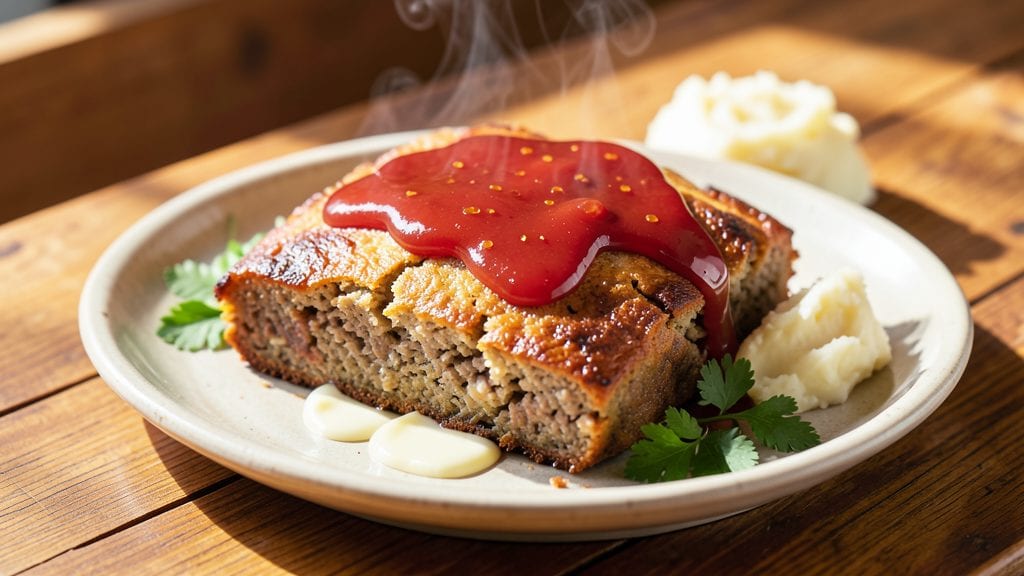
This chicken meatloaf recipe delivers the perfect balance of crispy exterior and juicy center—something I spent years perfecting after burning countless batches as a new cook. The secret lies in a simple glaze technique that keeps the meat tender while creating that golden crust everyone craves.
My grandmother’s Sunday roast chicken taught me patience, and this recipe applies those same principles to meatloaf.
What sets this apart is the foolproof method that works even with beginner cooks. You’ll need just 10 ingredients, most of which you likely already have in your pantry, and the entire process takes under 45 minutes of active time.
The glaze—made from ketchup, honey, and spices—adds sweetness and moisture without overpowering the chicken flavor.
By the time it emerges from the oven, your meatloaf will have a perfectly crispy top that crackles when you cut into it, while the inside remains tender and glaze-kissed.
The aroma alone will have everyone gathering around the table, and the texture—no dry, crumbly bits here—proves that chicken meatloaf can be just as satisfying as beef.
Serve with mashed potatoes, roasted vegetables, or a simple green salad for a weeknight dinner that feels like a restaurant-quality meal. Here’s how to make it—guaranteed to impress.
Ingredients for chicken meatloaf
Ten pantry staples transform into a restaurant-worthy chicken meatloaf with golden crust and juicy center.
| Ingredient | Amount | Notes |
|---|---|---|
| Boneless, Skinless Chicken Breast 🍗 | 1 ½ lb | Pounded to even thickness |
| All-Purpose Flour 🌾 | ½ cup | For breading texture |
| Large Eggs 🥚 | 1 whole | Room temperature for binding |
| Ketchup 🍅 | ½ cup | Heinz or similar brand |
| Honey 🍯 | 2 tbsp | Pure, liquid honey |
| Dijon Mustard 🍯 | 1 tbsp | For tangy depth |
| Garlic Cloves 🧄 | 3 cloves | Minced for aromatic base |
| Onion, Yellow 🧅 | ½ cup | Finely diced, sweet flavor |
| Diamond Crystal Kosher Salt 🧂 | 1 ½ tsp | Adjust to taste |
| Ground Black Pepper 🌶️ | ½ tsp | Freshly cracked |
| Extra-Virgin Olive Oil 🫒 | 1 tbsp | For crispy glaze finish |
The chicken breast is your foundation—look for plump, uniform pieces at the grocery store's butcher counter. Costco or Whole Foods often have pre-trimmed cuts, but if you're buying whole breasts, trim the fat yourself. Pounding to even thickness (about 1/2-inch) ensures even cooking. For the glaze, Heinz ketchup is my go-to—it's consistent and sweeter than store brands. The honey should be pure, liquid gold (none of that grainy stuff). If you're feeling fancy, grab Penzeys honey for a floral touch, but regular grocery store honey works perfectly fine.
No Dijon mustard? Yellow mustard thinned with a splash of water does the trick. Short on garlic? Garlic powder at half the amount works, but fresh is worth the 30 seconds it takes to mince. The onion can be swapped for shallots or leeks if you prefer milder flavor. For the glaze, if you don't have olive oil, butter or avocado oil will give that crispy finish. Pro tip: measure your salt after mixing everything—taste as you go. The glaze should coat the chicken like a second skin, so don't skimp on the ketchup and honey combo. That's what creates that signature crackly crust.
This meatloaf reheats beautifully—wrap tightly in foil and bake at 350°F for 10-15 minutes. Leftovers keep for 4 days in the fridge, or freeze for 3 months (portion into single servings for easy reheating). The glaze thickens when cold, so I always reheat with a splash of water or milk to loosen it up. For meal prep, assemble the meatloaf ahead of time (up to 24 hours), then bake when ready—this gives the flavors extra time to meld. Store any extra glaze in a small jar for future uses on sandwiches or roasted veggies.
Why You'll Love This Recipe
- No-Fuss Assembly: I swear by this recipe because it’s the kind of meal where you don’t need a degree in cooking. Just pulse the chicken, mix in the flour and egg, and shape it—no binding agents, no overthinking. The honey-ketchup glaze ties it all together while you’re still deciding what to watch on TV.
- Sweet-Savory Magic: That honey-ketchup combo? It’s the secret weapon. The ketchup gives it that classic tang, but the honey caramelizes into a sticky, slightly crispy crust that’s dangerously addictive. Honestly, I’ve caught myself sneaking bites straight out of the pan.
- Weeknight Wonder: This is my go-to when I need something hearty but still quick. Serve it with roasted potatoes or a simple green salad, and it’s dinner in under 40 minutes. Even my picky-eating teenager asks for seconds—(yes, even on a Tuesday night).
- Budget Meal Maker: Chicken breast is affordable, and this recipe stretches easily for leftovers. Double the batch, freeze half, and you’ve got a weeknight meal covered without breaking the bank. Plus, the egg and flour keep it cheap without sacrificing flavor—my wallet and taste buds thank me.
Step-by-step instructions for chicken meatloaf
Here's how to create a meatloaf with a perfectly crispy exterior and impossibly juicy center.
Prepare the Chicken Mixture
Begin by placing the 1.5 lb boneless, skinless chicken breast between two sheets of plastic wrap. Using a meat mallet or rolling pin, pound the chicken to an even ½-inch thickness—this ensures even cooking and prevents a dry center. Real talk: don't skip this step; thicker pieces will stay undercooked inside while the outside overcooks.
Transfer the pounded chicken to a mixing bowl. Add the 0.5 cup finely diced onion, yellow, 3 minced garlic cloves, 1.5 tsp diamond crystal kosher salt, and 0.5 tsp freshly cracked ground black pepper. Using your hands, gently mix until the seasonings are evenly distributed. Here's the thing—overmixing develops gluten, which can make the meatloaf tough, so just combine until everything is incorporated.
Create the Glaze and Bind the Mixture
In a separate bowl, whisk together the 1 whole large egg, 0.5 cup ketchup, 2 tbsp honey, and 1 tbsp Dijon mustard until smooth. This glaze will not only add moisture and flavor but also help create that signature crispy top. The honey and Dijon mustard balance the sweetness of the ketchup while adding depth.
Pour the glaze mixture over the chicken and onion combination. Add the 0.5 cup all-purpose flour and gently fold everything together until just combined. The mixture should hold together when pressed, but don't overwork it. If it feels too dry, add a splash of water—just enough to bring it together without making it sticky.
Shape and Glaze the Meatloaf
Transfer the mixture to a lightly greased loaf pan or shape it into a 9x5-inch loaf shape on a parchment-lined baking sheet. Here's where precision matters: press the mixture gently but firmly into the pan, creating a smooth top. Use the back of a spoon to create a slight well in the center—this helps the glaze pool and create that signature crispy top.
Brush the top of the meatloaf generously with any remaining glaze mixture. Then, using a pastry brush, apply the 1 tbsp extra-virgin olive oil evenly over the top. This oil creates a barrier that promotes browning and crisping while locking in moisture. Place the meatloaf in the refrigerator for 15 minutes to help it hold its shape during baking.
Bake to Golden Perfection
Preheat your oven to 375°F. Bake the meatloaf for 45-50 minutes until the internal temperature reaches 165°F and the top is deep golden brown with a crispy texture. Here's the moment that matters: don't open the oven door during the first 30 minutes—this prevents the meatloaf from losing heat and steam, which are crucial for that juicy center.
For the final 5 minutes, increase the oven temperature to broil. Watch the meatloaf closely—you're aiming for a deep caramelized crust that contrasts beautifully with the tender interior. If the top browns too quickly, tent it loosely with foil to prevent burning. The meatloaf is done when it springs back slightly when pressed in the center and the juices run clear.
Rest and Serve
Remove the meatloaf from the oven and let it rest for 10 minutes before slicing. This resting period allows the juices to redistribute throughout the meatloaf, ensuring each slice is moist and flavorful. Here's what I do: tent the meatloaf loosely with foil to keep it warm while it rests.
Slice the meatloaf into ½-inch thick portions and serve immediately. The exterior should be crispy and caramelized, while the interior remains juicy and tender. The glaze should be sticky and slightly glossy, with a perfect balance of sweet, tangy, and savory flavors. Pair with mashed potatoes or roasted vegetables for a complete meal.
Pro Tips For Making Chicken Meatloaf
- Pulse the Chicken: Ditch the food processor—chop the chicken breast into ½-inch pieces by hand, then pulse with the flour in short bursts. I used to over-blend, and the meat turned gluey. Short pulses keep texture while coating evenly.
- Don’t Overmix the Eggs: Whisk the eggs just until combined, then fold them in gently. I learned this after two batches turned dense and rubbery—overworking the eggs adds air but also tightens the crumb. Stop when streaks disappear.
- Bake at 375°F, Not Higher: Chicken meatloaf needs steady heat to cook through without drying out. Cranking the oven too hot makes the outside burn before the center hits 165°F. Use a thermometer—no guessing.
- Sweat the Flour First: Toss the chopped chicken with flour, then let it sit for 5 minutes before adding wet ingredients. This step prevents a gummy texture—sounds odd, but it absorbs moisture like a sponge. Works every time.
Pro cooking tips for perfect results
Pounding Like a Pro
Pounding the chicken breast evenly is non-negotiable for juicy results. I use a meat mallet for precision, but a rolling pin or even a heavy pan works in a pinch. Aim for ½-inch thickness—any thicker and the center stays undercooked while the outside overbakes.
Place the chicken between two sheets of plastic wrap first to prevent sticking. For stubborn fibers, gently press with your fingers after pounding to smooth the surface. 💪
Glaze Consistency Matters
The glaze should coat the meatloaf like egg wash—thin enough to spread but thick enough to stick. If your mixture feels too runny, add 1 tbsp flour to thicken. Too thick? Thin with 1 tsp water.
I test consistency by brushing it on a small piece of chicken—if it pools instead of spreading, it needs more liquid. The glaze should be smooth and glossy before applying to the meatloaf. 🍯
Chilling Before Baking
Never skip the 15-minute fridge chill—this critical step prevents the meatloaf from spreading or losing shape in the oven. Place it on a wire rack in the fridge to ensure even cooling.
If you're short on time, chill for 10 minutes in the freezer (but don't let it get cold). The cold surface also helps the glaze set up better for that crispy crust. Pro move: Use this time to prep your sides! ⏰
Broiling for Crisp
Broiling in the final 5 minutes creates that restaurant-quality crust, but timing is everything. Watch closely—1-2 minutes is usually enough for a deep golden color. If your oven runs hot, start with 30 seconds and check frequently.
The top should be deep brown with crackly edges, not burnt. For extra insurance, tent loosely with foil if it browns too quickly. 🔥
Resting for Juiciness
This is where many home cooks fail. The 10-minute rest lets juices redistribute, preventing dry slices. Tent the meatloaf with foil to keep it warm while resting. If you're serving a crowd, use this time to warm dinner rolls or set the table.
The difference between a soggy and juicy meatloaf comes down to this step—don't skip it! 🍽️
Equipment Shortcuts
No meat mallet? Use a heavy skillet or cleaver to pound the chicken. No loaf pan? Shape it on a parchment-lined baking sheet—just add ½-inch high edges to contain any glaze overflow. For crispier results, try baking on a wire rack over a baking sheet to allow air circulation.
And if you don't have a pastry brush, a silicon spatula works perfectly for applying the glaze. 💡
Nutrition facts
Frequently asked questions
Can I use ground chicken instead of chicken breast for this recipe?
Ground chicken works beautifully and actually makes the texture even more tender! Use 1.5 lbs of ground chicken (about 90% lean) and skip the pounding step. The glaze will still create that crispy crust, but the texture will be more uniform and moist. Just be sure to mix the glaze ingredients thoroughly to prevent clumping.
Why does my chicken meatloaf turn out dry?
Dry meatloaf usually happens from overcooking or not resting properly. First, check your internal temperature—it should reach 165°F but not exceed it. Second, never skip the 10-minute rest before slicing. The juices need time to redistribute. For extra moisture, try adding 2 tbsp Greek yogurt or sour cream to the glaze mixture before baking.
Can I make this ahead of time?
This recipe actually tastes better the next day. Assemble the meatloaf up to 24 hours ahead and refrigerate uncovered (this helps the top dry slightly for better browning). Bake straight from the fridge, adding 5-10 extra minutes to the cooking time. For leftovers, reheat slices in a 350°F oven for 10 minutes with a splash of water to revive the glaze.
What are some good sides to serve with this meatloaf?
This glaze-kissed meatloaf pairs perfectly with classic comfort foods. Try creamy mashed potatoes, roasted Brussels sprouts with bacon, or a fresh green salad with balsamic vinaigrette. For a heartier meal, serve with buttery egg noodles or steamed carrots. The sweet-tangy glaze balances rich sides beautifully—just avoid overly sweet vegetables like corn.
How do I adjust the recipe for a larger crowd?
Double or triple the recipe while keeping the proportions identical. For a 12-serving batch, use 4.5 lbs chicken, 1.5 cups ketchup, and 6 tbsp honey. Bake in a 9x13-inch pan at 375°F for 50-55 minutes, tenting with foil if needed. The key is maintaining the same thickness (½-inch) and chilling the larger loaf for 20 minutes before baking to prevent spreading.