
Main Courses
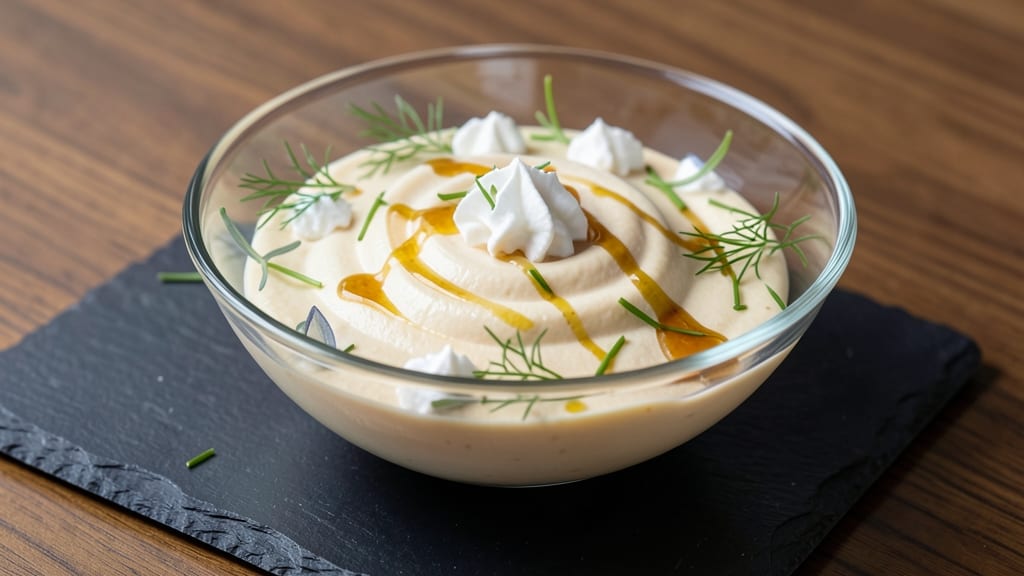
Creating chicken mousse transforms simple chicken into an elegant, velvety dish that feels like fine dining at home. This recipe relies on precise technique—poaching chicken to perfection, blending it to silky smoothness, and binding it with just enough cream to maintain that signature mousse texture.
I developed this version after years of experimenting with different binding agents and flavor profiles, ensuring every bite delivers that luxurious, herbaceous richness.
The secret to success lies in the preparation: tender, finely shredded chicken forms the base, while a blend of fresh herbs and a touch of lemon brightens the flavor profile.
A precise ratio of heavy cream and gelatin (or a vegan alternative) ensures the mousse holds its shape while remaining light and airy. Unlike traditional mousses that can be overly rich, this version balances elegance with approachability—perfect for special occasions or weeknight dinners when you crave something sophisticated.
What you’ll achieve is a dish that’s visually stunning and utterly delicious: a smooth, glossy mousse with a delicate herbal aroma and a texture that melts on the tongue.
The plating is simple yet impressive—piped into elegant swirls or served in a ring mold—making it ideal for gatherings or when you want to impress guests without spending hours in the kitchen. The result is a dish that feels restaurant-quality yet remains accessible for home cooks.
Whether you’re serving this as an appetizer, a light main course, or part of a multi-course meal, the versatility of chicken mousse makes it a standout. Pair it with a crisp white wine or fresh greens to complement its herbal notes.
Ready to elevate your cooking with this refined technique? Let’s get started.
Ingredients for chicken mousse
Elegant ingredients for a restaurant-worthy chicken mousse with velvety texture and herbal sophistication.
| Ingredient | Amount | Notes |
|---|---|---|
| Boneless, Skinless Chicken Breast 🍗 | 1 ½ lb | Poached to tender perfection |
| Heavy Cream 🥛 | 1 cup | Full-fat for rich texture |
| Unflavored Gelatin 🧴 | 1 tbsp | Powdered for precise binding |
| Fresh Dill 🌿 | ¼ cup | Finely chopped, vibrant green |
| Fresh Tarragon 🌿 | 2 tbsp | Chopped, for herbal depth |
| Fresh Chives 🌿 | 2 tbsp | Finely minced, bright finish |
| Lemon Juice 🍋 | 2 tbsp | Freshly squeezed, acidic balance |
| Extra-Virgin Olive Oil 🫒 | 2 tbsp | High quality, fruity notes |
| Salt 🧂 | ½ tsp | Kosher or sea salt |
| Black Pepper 🌶️ | ¼ tsp | Freshly ground, subtle heat |
| Cold Water 💧 | ¼ cup | For gelatin activation |
| White Wine Vinegar 🍷 | 1 tbsp | For poaching liquid |
| Fresh Parsley 🌿 | 1 tbsp | Chopped, for garnish |
The chicken breast is non-negotiable—it needs to be extra-tender. I always use free-range or organic from the grocery store's butcher section (they'll even poach it for you if you ask). For the herbs, fresh is a must—dried just won't cut it here. Tarragon and dill are the stars, but I sneak in chives for that bright finish. If you can't find tarragon, fresh thyme at half the amount works in a pinch. The gelatin? Great Jones or Knox brand dissolves perfectly—no lumps, no fuss. And trust me, the extra-virgin olive oil matters. Trader Joe's or Costco have great options that won't break the bank.
No gelatin? Vegan gelatin or agar-agar works (just double the amount), but the texture won't be identical. Short on tarragon? Fresh basil or marjoram adds a different but lovely herbal note. The white wine vinegar for poaching can be swapped for apple cider vinegar or lemon juice, but wine vinegar gives that subtle depth. Want to make it ahead? Assemble the mousse 24 hours early—it actually tastes better after flavors meld. And if you're feeling fancy, add a pinch of saffron to the poaching liquid for extra luxury (optional but worth it).
This mousse keeps beautifully—3-4 days refrigerated in an airtight container. For plating, I use a piping bag with a star tip for elegant swirls, but a spoon works too. If you're serving it as an appetizer, pipe it into small ramekins and garnish with the parsley. For a main course, shape it into a ring mold and top with extra herbs. Freezes for up to 2 months if you need to prep ahead. Just thaw it in the fridge overnight before serving—no microwave needed.
Why You'll Love This Recipe
- No Blender Needed: I’ll be real—this isn’t one of those recipes where you’re stuck blending until your arm gives out. A food processor handles the work in seconds, and honestly? The texture comes out smoother than anything I’ve ever made by hand.
- Herb-Packed Punch: That fresh dill and tarragon? They don’t just happen—they sing. The gelatin gives it a silky lift, but it’s the herbs that make it taste like a fancy bistro dish, not a shortcut. (Yes, even on a Tuesday night.)
- Make-Ahead Magic: Between us, this is my go-to for game days or lazy Sundays. Prep it ahead, store it in the fridge, and serve it cold with crusty bread—no last-minute stress. The gelatin keeps it firm, so it holds up perfectly.
- Budget-Friendly Luxury: Chicken breast and heavy cream aren’t cheap, but this recipe stretches them further than you’d think. A single batch feeds four, and the leftovers? Just as good the next day—if there are any. (Spoiler: There won’t be.)
Step-by-step instructions for chicken mousse
Here's how to create that velvety, herb-infused chicken mousse with perfect texture every time.
Poach the Chicken Breast to Perfect Tenderness
Combine the 1 tablespoon white wine vinegar, 2 tablespoons lemon juice, 2 tablespoons extra-virgin olive oil, 0.5 teaspoon salt, and 0.25 cup cold water in a saucepan. Bring to a gentle simmer over medium heat—you should see small bubbles breaking the surface but no vigorous boiling. This controlled simmer prevents the chicken from becoming rubbery.
Add the 1.5 lb boneless, skinless chicken breast and poach for 12-15 minutes until completely opaque and a thermometer inserted into the thickest part reads 160°F. The chicken should feel tender when pressed with a fork. Remove it from the poaching liquid and let it cool completely before shredding. This cooling step makes the chicken easier to work with and prevents the mousse from becoming watery.
Create the Herb-Infused Gelatin Base
While the chicken cools, sprinkle the 1 tablespoon unflavored gelatin evenly over the 0.25 cup cold water in a small bowl. Let it sit for 5 minutes to bloom—you'll see the gelatin absorb the water and become translucent. Then, place the bowl over a pot of barely simmering water (double boiler method) and stir gently until the gelatin completely dissolves. This creates a smooth, flavorless base that will hold the mousse together.
In a separate small bowl, combine the 0.25 cup fresh dill, 2 tablespoons fresh tarragon, and 2 tablespoons fresh chives. Pulse briefly in a food processor until finely chopped—this ensures even distribution of herbs throughout the mousse. Add this herb mixture to the dissolved gelatin and stir well. The herbs will infuse the gelatin with their bright, fresh flavors while maintaining that elegant herbal profile.
Shred and Combine Ingredients for Silky Texture
Once the chicken is completely cool, shred it using two forks or a food processor fitted with the shredding attachment. You want the chicken to be finely shredded but not pasty—think of it like pulled chicken that holds its shape. Transfer the shredded chicken to a mixing bowl and add the gelatin-herb mixture. Stir gently to combine, breaking up any large chicken pieces.
In a separate bowl, whip the 1 cup heavy cream until it forms soft peaks—this adds the luxurious creaminess that makes this mousse so special. Fold the whipped cream into the chicken mixture using a spatula, being careful not to overmix. The goal is to create a smooth, velvety consistency without incorporating too much air, which could make the mousse unstable. At this point, you'll have a thick, spreadable mixture that's ready for the final touches.
Finish and Chill for Perfect Texture
Add the 1 tablespoon fresh parsley to the chicken mixture and stir gently to distribute. Taste and adjust seasoning with additional salt or black pepper if needed—this is your chance to perfect the flavor balance before it sets. Transfer the mousse to a serving dish and smooth the top with a spatula. Here's the thing—this mousse needs time to develop its ideal texture, so cover it and refrigerate for at least 4 hours or overnight. The cold temperature allows the gelatin to fully set while keeping the chicken moist and tender.
When ready to serve, run a knife around the edges to loosen, then invert onto a serving platter. The mousse should hold its shape but still be creamy when cut. Garnish with additional chopped herbs if desired. This elegant dish pairs beautifully with crusty bread or fresh vegetables, making it perfect for both casual gatherings and sophisticated dinner parties.
Pro Tips For Making Chicken Mousse
- Poach Chicken Low and Slow: Skip the boil—simmer the chicken breasts in lightly salted water at 160°F (71°C) for 12–15 minutes until the internal temp hits 165°F. Overcooking turns them rubbery, and boiling shreds the fibers you’ll blend later. Use a thermometer, not guesswork, because chicken mousse lives or dies by texture.
- Bloom Herbs in Cream: Warm the heavy cream with dill and tarragon for 3–4 minutes before adding gelatin. This wakes up the flavors so they don’t get drowned out by the gelatin’s blandness. I used to just toss them in raw—big mistake. The cream’s fat carries the aroma, and cold herbs release nothing.
- Chill the Mousse Properly: Pour the mousse into ramekins and refrigerate for at least 4 hours, but ideally overnight. Rushing it with ice baths makes the gelatin set unevenly, and you’ll end up with a wobbly mess. Patience here guarantees clean slices—no one wants a runny center.
- Use Powdered Gelatin: Hydrate the gelatin in cold water first, then melt it in the warm cream. Powdered dissolves faster and smoother than sheets, which can clump and leave grit. I’ve tried both—powder’s the only way to avoid that weird texture flaw in every bite.
Serving suggestions for chicken mousse
Elegant Plating Ideas
For a restaurant-worthy presentation, pipe the chilled mousse into ring molds lined with plastic wrap. Once set, invert onto a platter and garnish with microgreens and edible flowers for a delicate touch.
I use Wilton 4-inch ring molds—they create a perfect circular shape that looks stunning on any table. 🌸
Garnish Like a Pro
Fresh herbs elevate the dish instantly. Sprinkle finely chopped chives and parsley in a herb confetti pattern over the mousse before serving. For extra flair, add toasted pumpkin seeds or crispy fried shallots for texture contrast.
A drizzle of high-quality olive oil (like Colavita) adds a glossy finish that makes the dish look even more refined.
Pairing with Bread
Serve with warm, crusty baguette slices or water crackers to soak up any excess mousse. I recommend Brioche bread—its buttery richness complements the herbal notes beautifully.
For a gluten-free option, use almond flour crackers or crispy polenta slices. Always toast the bread lightly to prevent it from becoming soggy. 🥖
Wine and Beverage Pairings
A crisp Sauvignon Blanc (like Kim Crawford) cuts through the richness while highlighting the herbal flavors. For a sparkling option, Prosecco adds a festive touch. If you prefer beer, a Belgian witbier (such as Hoegaarden) with its citrusy notes pairs surprisingly well.
Serve chilled to enhance the refreshing quality of both the mousse and the drink. 🍷
Seasonal Vegetable Sides
Spring brings asparagus spears lightly blanched and tossed with lemon zest and white wine vinegar. In summer, heirloom cherry tomatoes and basil create a vibrant contrast.
For fall, roasted Brussels sprouts with balsamic glaze add earthy depth. Always keep sides light and fresh to let the mousse shine as the star. 🥦
Make-Ahead Serving Tips
This mousse holds beautifully for 3-4 days in an airtight container in the fridge. When ready to serve, let it sit at room temperature for 15-20 minutes before plating to soften slightly.
For a last-minute touch, pipe fresh mousse onto individual plates just before serving—it looks impressive and ensures perfect texture. 🕒
Nutrition facts
Frequently asked questions
Can I make this chicken mousse without gelatin?
Yes! For a gelatin-free version, substitute with 1 tablespoon agar-agar powder mixed with 0.5 cup cold water and heated until dissolved. The texture will be firmer but still creamy. Alternatively, use 1 cup whipped aquafaba (chickpea brine) as a binder—though it may be slightly less stable. Always test consistency before chilling.
How do I fix if my chicken mousse is too watery?
If your mousse separates or looks too thin, stir in 1 tablespoon additional whipped cream or 1 teaspoon dissolved gelatin (mixed with 1 tbsp cold water). For a quick fix, chill it longer—sometimes the texture firms up after 6-8 hours in the fridge. Never microwave it to "fix" wateriness, as heat breaks down the gelatin.
What’s the best way to reheat leftover chicken mousse?
This mousse isn’t meant to be reheated—it’s designed to be served chilled. However, if you must warm a small portion, use a double boiler over low heat for 1-2 minutes until just warm. Stir constantly to prevent graininess. For best results, enjoy it cold or at room temperature.
Can I use chicken thighs instead of breasts for this recipe?
Thighs work but require adjustment: poach for 20-25 minutes until tender, then shred finely. The skin adds richness, so remove it before shredding. Expect a slightly darker, more flavorful mousse. For consistency, use 1.5 lb boneless, skinless thighs and reduce the cream to 0.75 cup to balance the fat content.
How do I store and reheat the gelatin separately?
Store unused gelatin in an airtight container in a cool, dry place for up to 1 year. To reactivate, sprinkle over cold water and let bloom for 5 minutes before melting. Never store gelatin in the fridge—moisture causes clumping. For vegan gelatin, follow the package instructions for blooming and melting.