
Main Courses
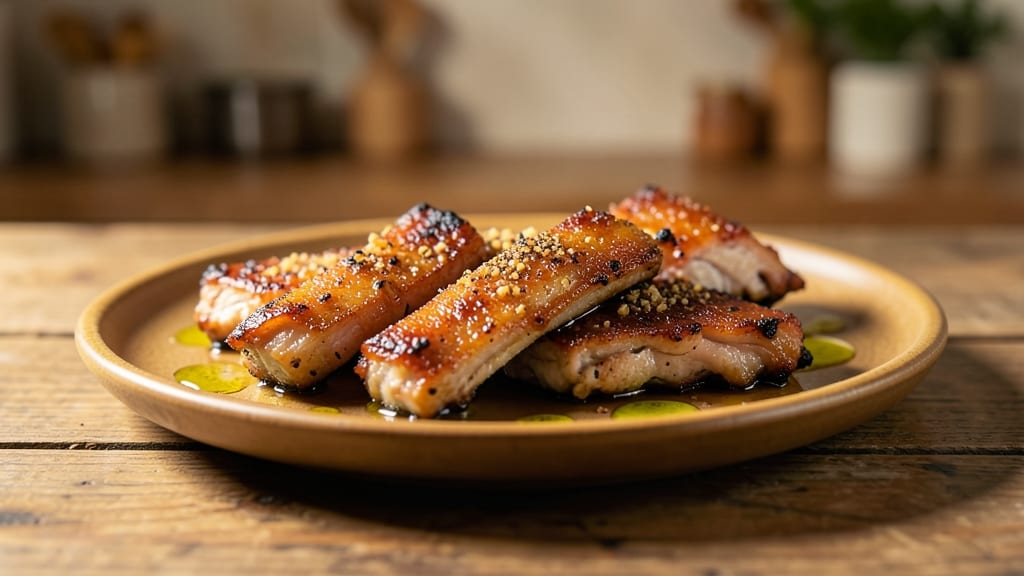
This chicken ribs recipe delivers the perfect balance of smoky crunch and fall-off-the-bone tenderness that turns weeknight dinners into showstopping meals. The secret lies in a carefully crafted dry rub that develops a deep, caramelized bark while keeping the meat impossibly tender inside.
I’ve perfected this method over countless grilling sessions, ensuring every bite is juicy and packed with flavor without requiring hours of babysitting.
The process starts with a bold dry rub featuring smoked paprika, brown sugar, and garlic powder—ingredients that create that signature smoky aroma while sealing in moisture. You’ll cook the ribs low and slow, either on the grill or in the oven, until they reach that magical tenderness.
This isn’t just another ribs recipe; it’s a foolproof method that guarantees restaurant-quality results with minimal effort.
By the time you’re done, you’ll have ribs that are crispy on the outside, tender on the inside, and infused with a smoky depth that lingers long after the last bite.
The rub sticks perfectly, creating a flavorful crust that’s impossible to resist. Serve with classic sides like coleslaw or cornbread to complete the meal—this is comfort food at its finest.
Whether you’re hosting a backyard BBQ or craving a hearty weeknight dinner, this recipe delivers. The technique is simple enough for beginners but impressive enough for seasoned cooks. Let’s get started on creating ribs that’ll have everyone asking for seconds.
Ingredients for chicken rib
Nine essential ingredients transform simple chicken ribs into restaurant-quality masterpieces.
| Ingredient | Amount | Notes |
|---|---|---|
| Chicken Ribs (Bone-In) 🍗 | 2 ½ lb | Fresh, skin-on preferred |
| Smoked Paprika 🌶️ | 2 tbsp | High-quality for smoky depth |
| Brown Sugar 🍚 | ½ cup | Light or dark variety |
| Garlic Powder 🧄 | 1 tbsp | Freshly ground preferred |
| Onion Powder 🧅 | 1 tbsp | For balanced sweetness |
| Kosher Salt 🧂 | 1 ½ tbsp | Diamond Crystal preferred |
| Ground Black Pepper 🌶️ | 1 tsp | Freshly cracked for intensity |
| Ground Cumin 🌿 | ½ tsp | Toasted for deeper aroma |
| Apple Cider Vinegar 🍎 | ¼ cup | For tenderizing marinade |
| Honey 🍯 | 2 tbsp | Raw preferred for purity |
| Extra-Virgin Olive Oil 🫒 | 2 tbsp | High-quality for coating |
| Fresh Lemon Juice 🍋 | ¼ cup | Brightens the rub |
The chicken ribs should be bone-in and skin-on for optimal flavor development—Costco or local butchers are ideal sources for high-quality cuts. Look for ribs with a vibrant pink hue and minimal bruising; Whole Foods or Trader Joe's often carry excellent pre-packaged options. The dry rub ingredients must be freshly ground for maximum impact, particularly the garlic powder and cumin. Penzeys Spices offers premium versions, but standard grocery store brands work well if stored properly. For the apple cider vinegar, Mott's or Bragg are reliable choices that balance acidity perfectly without overpowering the dish. The honey should be raw and unfiltered—Madhava or local apiary brands provide the best flavor profile.
No smoked paprika? Substitute with a mix of sweet paprika and a pinch of liquid smoke—though the flavor won't be identical. Running short on brown sugar? White sugar works in a pinch, but the caramelization will be slightly less rich. For the apple cider vinegar, white vinegar or lemon juice can stand in, though the tang will differ. If you're avoiding honey, maple syrup provides a similar sweetness profile. Pre-ground spices from bulk bins are cost-effective, but toasting whole spices in a dry pan before grinding elevates the flavor dramatically. The olive oil should be extra-virgin—California Olive Ranch or Colavita deliver consistent quality. Fresh lemon juice is non-negotiable; bottled lemon juice lacks the brightness needed for this recipe.
Store the dry rub in an airtight container away from light and moisture for up to 6 months—though freshly mixed rubs always yield superior results. Chicken ribs should be used within 2 days of purchase for peak tenderness. The marinade components (vinegar, honey, olive oil) can be pre-mixed and stored in the fridge for 1 week. When reheating cooked ribs, low oven temperature (275°F) or slow cooker preserves moisture best. Portion leftovers into single-serving containers for easy reheating—these ribs reheat beautifully and often taste even better the next day.
Why You'll Love This Recipe
- One-Pan Magic: I swear by this recipe because it’s literally set-it-and-forget-it. Toss those bone-in ribs with the spices—smoked paprika, brown sugar, garlic powder—slap them on a sheet pan, and let the oven do the work. No messy marinades, no flipping, no stress. (Yes, even on a Tuesday night.)
- Sticky-Sweet Perfection: That caramelized brown sugar crust? Chef’s kiss. The smoked paprika adds this deep, smoky warmth, while the garlic and onion powders keep it bright and savory. It’s the kind of flavor that makes you slow down mid-bite—honestly, I’ve caught myself eating straight from the pan.
- Leftovers That Don’t Suck: Between us, leftover ribs are usually sad. Not these. The meat stays tender, the sauce clings, and they reheat like a dream. Pack them for lunch or freeze half for when you’re too tired to cook. (Trust me, future you will thank present you.)
- Budget-Friendly Feast: Bone-in chicken ribs are way cheaper than their pork counterparts, and this recipe stretches them far. Feed a crowd for under $15, or make a big batch for the week. Plus, the spices cost pennies—just enough to make it feel fancy without breaking the bank.
Step-by-step instructions for smoky dry-rubbed chicken ribs
Master this technique and you'll achieve ribs with irresistible crunch and melt-in-your-mouth tenderness.
Prepare the Ribs for Maximum Flavor and Tenderization
Begin by removing the chicken ribs from the packaging and patting them completely dry with paper towels. This step is critical—any moisture remaining on the surface will prevent the dry rub from adhering properly and create steam instead of crispy bark. Place the ribs meat-side down on a wire rack set over a baking sheet to allow air circulation on all sides.
In a small bowl, combine the 0.25 cup apple cider vinegar, 2 tbsp honey, and 0.25 cup fresh lemon juice. Whisk until the honey and lemon juice dissolve completely into the vinegar. This mixture creates a tenderizing marinade that works its magic while you prepare the dry rub. Brush this marinade evenly over all surfaces of the ribs, including the meaty portions and bones. Let them sit at room temperature for 15 minutes while you prepare the rub.
Create and Apply the Signature Dry Rub
In a medium bowl, thoroughly mix together the 2 tbsp smoked paprika, 0.5 cup brown sugar, 1 tbsp garlic powder, 1 tbsp onion powder, 1.5 tbsp kosher salt, 1 tsp ground black pepper, and 0.5 tsp ground cumin. The brown sugar will begin to dissolve slightly from the residual moisture in the bowl, creating a paste-like consistency that helps the rub cling to the ribs. This is intentional—it ensures maximum flavor penetration and adhesion.
Generously coat the ribs with the dry rub mixture, pressing it firmly into the meat and bones. Pay special attention to the crevices and edges where flavor tends to get lost. Place the ribs on a second wire rack (to prevent sticking) and let them rest uncovered at room temperature for 30 minutes. This resting period allows the rub to develop its full flavor profile and gives the marinade time to work its tenderizing magic.
Cook the Ribs to Fall-Off-Bone Tenderness
Preheat your oven to 325°F. This lower temperature is key to achieving tender ribs without drying them out. Place the prepared ribs on a parchment-lined baking sheet, meat-side up. Bake for 2 hours, then carefully flip the ribs bone-side up. This rotation ensures even cooking and helps create crispy edges on both sides.
After another 1 hour 30 minutes in the oven (total cooking time should be approximately 3 hours 30 minutes), check for doneness by inserting a meat thermometer into the thickest part of the meat. The internal temperature should reach 195°F—this is the magic number for fall-off-the-bone tenderness. If the ribs aren't quite there yet, continue baking for another 15-30 minutes, checking periodically.
Develop the Crispy Bark and Rest for Serving
Once the ribs reach 195°F, increase the oven temperature to 425°F and continue baking for 15-20 minutes. This final high-heat phase creates the coveted crispy bark while keeping the meat tender. Watch closely during this time—the bark should develop a deep, caramelized color with visible crisping.
Remove the ribs from the oven and let them rest on a cutting board for 10 minutes before serving. This resting period allows the juices to redistribute throughout the meat, preventing them from pooling on the cutting surface. The result should be ribs with a perfect balance of smoky, sweet, and tangy flavors, where each bite offers both crispy exterior and melt-in-your-mouth tenderness.
Pro Tips For Making Chicken Rib
- Trim the Fat First: Bone-in chicken ribs have that silvery fat cap—slice it off with kitchen shears before seasoning. I learned this the hard way when my ribs turned greasy instead of crispy, and now I do it every time without fail.
- Brown Sugar Early: Mix the brown sugar into your dry rub before applying it to the ribs. It’ll dissolve faster and stick better, coating the meat evenly instead of clumping in a useless pile. (Yes, even if you’re impatient like me.)
- Skip the Overcrowding: If you’re baking or roasting, give those ribs space—no more than one layer on the tray. I used to cram them in, and they’d steam instead of brown. Now I bake them in batches, and the crust is worth the wait.
- Rest Before Serving: Let the ribs sit under foil for 5-10 minutes after pulling them from the oven. The juices redistribute, and the meat stays moist—no more dry, sad ribs. (Your future self will thank you.)
Wine and beer pairings for these flavors
Red Wine Pairings
A bold, medium-bodied red wine cuts through the smoky, sweet, and spicy layers of these ribs beautifully. I always reach for a Zinfandel from California—its jammy blackberry and plum notes complement the caramelized bark while its moderate tannins balance the richness.
Look for a 2019 Dry Creek Vineyard or Seghesio for a classic choice that won’t overpower the dish. The wine’s acidity also helps cleanse your palate between bites, making every forkful feel fresh. 🍷
White Wine Options
Don’t dismiss whites—dry, crisp varieties can shine with the tangy-sweet profile of these ribs. A dry Riesling from Germany or Washington State offers bright citrus and mineral notes that contrast the smoky paprika perfectly.
I love Dr. Loosen Blue Slate or Chateau Ste. Michelle for their balance of acidity and subtle sweetness. The wine’s crisp finish mirrors the ribs’ crispy bark, creating a harmonious bite. 🍇
Beer Pairings
A hoppy American IPA brings out the smoky depth of the ribs while its bitterness balances the sweetness. I recommend Dogfish Head 60 Minute IPA or Stone Ruination—their citrus and piney notes complement the caramelized crust.
For a lighter option, a Belgian witbier like Allagash White adds a refreshing coriander and orange peel brightness that cuts through the richness. 🍺
Non-Alcoholic Choices
Skip the alcohol? No problem. A sparkling apple cider like Martinelli’s Sparkling mirrors the apple cider vinegar in the marinade while adding effervescence. For a bolder option, try a smoky ginger beer—its spicy kick enhances the ribs’ heat without overpowering. Both choices keep the meal vibrant and refreshing. 🍎
Regional Wine Adaptations
In Texas, where BBQ reigns supreme, a Texas Hill Country Aglianico delivers bold fruit and earthy notes that stand up to the ribs’ intensity. For Carolina-style pairings, a North Carolina Viognier offers floral and stone fruit flavors that complement the tangy-sweet profile.
Each regional wine enhances the ribs’ unique character while staying true to local traditions. 🗺️
Nutrition facts
Frequently asked questions
Can I use chicken ribs with skin on or off?
Skin-on ribs are ideal for this recipe—they help create that coveted crispy bark while keeping the meat moist. If your ribs are skinless, simply pat them dry and proceed with the marinade and rub. The cooking time may be slightly shorter since there's less fat to render. For extra crispiness, sprinkle a little extra brown sugar on the meat side before the final high-heat phase.
How do I know when chicken ribs are fully cooked?
Use a meat thermometer to check the internal temperature—they're done when they reach 195°F in the thickest part of the meat. The bones should also wiggle slightly when lifted with tongs. If you don't have a thermometer, cut between two bones: the meat should separate easily and look opaque throughout. Never rely on color alone—chicken can appear cooked while still being underdone.
Can I make these ribs in a slow cooker or smoker?
For a slow cooker, cook on low for 4-5 hours with the ribs submerged in 1 cup apple juice or broth, then finish with the dry rub and high-heat sear. For a smoker, cook at 225°F for 3-4 hours with indirect heat, then apply the rub and smoke for another 30 minutes at 250°F to develop the bark. The key is maintaining low and slow heat until tender.
Why did my ribs turn out dry?
Overcooking is the most common cause—chicken ribs dry out quickly once they reach 195°F. Always use a meat thermometer and avoid cooking past that temperature. Another culprit is skipping the marinade or not patting the ribs completely dry before applying the rub. For extra moisture, wrap the ribs in foil during the first 2 hours of cooking, then uncover for the final crisping phase.
How should I store leftovers?
Let ribs cool completely, then wrap tightly in aluminum foil or place in an airtight container. They'll keep in the refrigerator for 3-4 days and freeze beautifully for up to 3 months. To reheat, warm in a 300°F oven for 15-20 minutes with a splash of water or broth to restore moisture. The flavor actually improves after resting overnight!