
Side Dishes
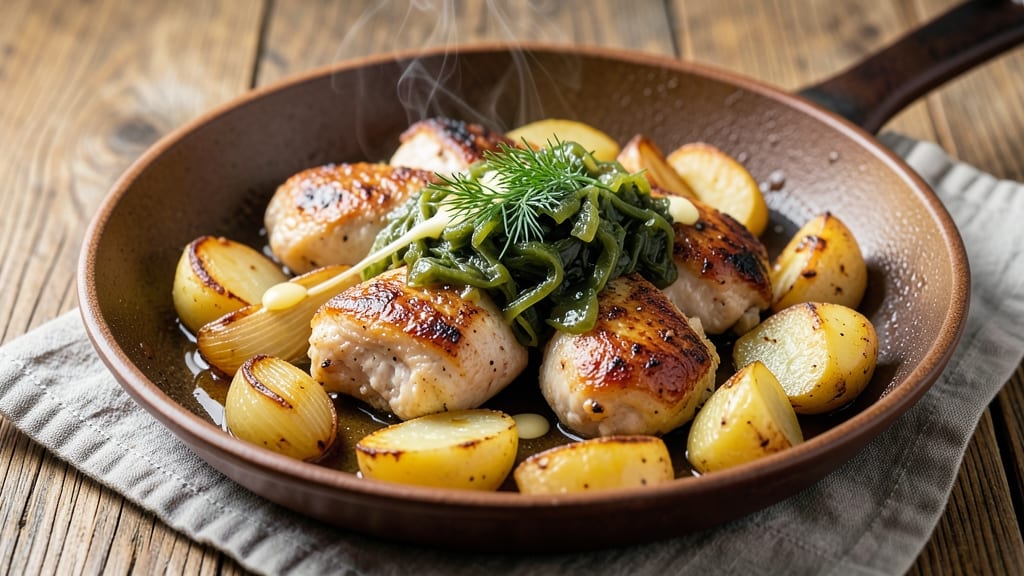
This German-style chicken, sauerkraut, and potatoes recipe delivers hearty, one-pan comfort that tastes like a home-cooked meal from a Bavarian countryside kitchen. The secret lies in balancing the tangy punch of sauerkraut with tender chicken and creamy potatoes—all simmered together until flavors meld into perfect harmony.
I developed this during a particularly chilly Atlanta winter when I needed a dish that would feed a crowd without requiring multiple pots.
The beauty of this recipe is its simplicity: one pan, 45 minutes, and ingredients you likely already have on hand. Chicken thighs stay juicy while absorbing the sauerkraut's tangy depth, and the potatoes soak up all the savory juices, creating a dish that's both satisfying and effortless.
The key technique is layering flavors—starting with caramelized onions, then adding the sauerkraut to soften its acidity before introducing the chicken and potatoes.
By the time you serve this, your kitchen will smell like a rustic German tavern, and every bite will deliver the perfect balance of textures—tender chicken, creamy potatoes, and slightly crisp sauerkraut.
It's the kind of meal that disappears quickly, leaving guests asking for seconds. This recipe works equally well as a weeknight dinner or a holiday centerpiece.
For extra richness, stir in a spoonful of mustard or a splash of cream at the end—trust me, it makes all the difference. Let's get cooking! The best part? Leftovers reheat beautifully, making this an ideal make-ahead option for busy families.
Ingredients for chicken sauerkraut potato
Pantry staples meet rustic German flavors—this one-pan wonder delivers hearty comfort with minimal effort.
| Ingredient | Amount | Notes |
|---|---|---|
| Boneless, Skinless Chicken Thighs 🍗 | 2 ½ lb | Cut into bite-sized pieces |
| Sauerkraut (Fresh, Not Drained) 🥬 | 2 cups | Packed, with juices intact |
| Yukon Gold Potatoes 🥔 | 2 lbs | Cut into 1-inch chunks |
| Yellow Onions 🧅 | 2 whole | Thinly sliced, about 2 cups |
| Unsalted Butter 🧈 | 4 tbsp | Full-fat for richness |
| Dijon Mustard 🍯 | 1 tbsp | For depth of flavor |
| Apple Cider Vinegar 🍎 | 1 tbsp | Balances sauerkraut acidity |
| Fresh Thyme Leaves 🌿 | ¼ cup | Chopped, or 1 tsp dried |
| Bay Leaves 🍃 | 2 whole | For aromatic depth |
| Kosher Salt 🧂 | 1 ½ tsp | Diamond Crystal preferred |
| Freshly Ground Black Pepper 🌶️ | ½ tsp | Cracked peppercorns preferred |
| Heavy Cream 🥛 | ½ cup | Optional for extra richness |
| Extra-Virgin Olive Oil 🫒 | 1 tbsp | For caramelizing onions |
The chicken thighs are non-negotiable here—bone-in, skin-on if you can find them, but boneless works too. Trader Joe's and Whole Foods often carry pre-cut thighs in the meat section, which saves time. Look for pieces with good marbling for juiciness. The sauerkraut should be fresh, not wilted, with visible liquid—this is what creates that perfect tangy depth. I always grab the unpasteurized kind from the refrigerated section at Kroger or Erewhon for maximum flavor. If you're feeling fancy, swap the Yukon Golds for Red Bliss potatoes—they hold their shape better during cooking.
No fresh thyme? Dried works at one-third the amount, but trust me, fresh is worth hunting down at your local farmers market. Running low on apple cider vinegar? White wine vinegar or lemon juice works in a pinch, though the flavor profile shifts slightly. The heavy cream is optional but absolutely transforms this dish—half-and-half cuts costs while still adding richness. For the onions, caramelize them low and slow until they're golden brown—this is where the magic happens. No patience for that? Quick-pickled red onions add a bright contrast without the effort. And if you're serving this to kids, set aside a portion before adding the sauerkraut—the tang can be an acquired taste.
This dish reheats like a dream—5 minutes in the oven at 350°F with a splash of water or broth brings it back to life. Store leftovers in the fridge for up to 4 days, though I've never had any last that long. For a crowd, double the recipe—it scales perfectly. The potatoes get extra tender with time, so if you're prepping ahead, parboil them 5 minutes first to speed up the cooking process. Freezes beautifully for 3 months if you want to make it a month ahead for a holiday feast. Just thaw overnight in the fridge before reheating.
Why You'll Love This Recipe
- One-Pan Magic: I swear by this—just toss everything in one skillet, no chopping like a fine chef. The potatoes and onions caramelize right alongside the chicken, and the sauerkraut’s tang cuts through the richness like a cool breeze on a hot day.
- Tangy, Buttery Bliss: That first bite? The crispy chicken thigh, the creamy Yukon Golds, and the sauerkraut’s sharp bite all wrapped in butter—it’s like a hug for my taste buds. Honestly, I’ve never met a combo that hits harder than this.
- Lunchbox Hero: Between us, this is my go-to for meal prep. The flavors only get better the next day, and it reheats like a dream. Pack it cold for work or warm it up for a lazy Sunday—either way, it’s a win.
- Budget-Friendly Feast: Chicken thighs are cheap, potatoes fill you up, and sauerkraut stretches the dish further than any takeout. I’ll be real: I’ve fed four people for under $10 with this, and no one ever complains. (Yes, even on a Tuesday night.)
Step-by-step instructions for savory one-pan German-style dinner
Here's how to transform simple ingredients into a hearty, flavorful masterpiece that tastes like home.
Sear the Chicken for Maximum Flavor
Cut the 2.5 lb boneless, skinless chicken thighs into bite-sized pieces, discarding any excess fat or connective tissue. Heat a large Dutch oven over medium-high heat and add 1 tablespoon extra-virgin olive oil. Once shimmering, add the chicken pieces in a single layer, working in batches if needed to avoid crowding.
Sear for 4-5 minutes per side until the chicken develops a deep golden-brown crust. This step is crucial—it locks in juices and builds the foundation for rich flavor. You'll know it's ready when the edges release easily from the pan and the chicken reaches an internal temperature of 165°F. Transfer the seared chicken to a plate and set aside.
Caramelize Onions and Build the Base
In the same Dutch oven, reduce heat to medium and add 2 tablespoons unsalted butter. Toss in the 2 whole yellow onions, sliced thinly, and cook for 8-10 minutes until softened and beginning to caramelize. Here's the thing—don't rush this step. The onions should turn golden and develop a sweet, jammy texture that forms the backbone of your dish.
Add 1 tablespoon Dijon mustard and 1 tablespoon apple cider vinegar, stirring to combine. The mustard adds depth while the vinegar brightens the flavors, balancing the sauerkraut's acidity. Let this mixture cook for 1 minute until fragrant, then stir in the 0.25 cup fresh thyme leaves and 2 whole bay leaves. These aromatic herbs will infuse the entire dish with their earthy, piney notes.
Layer Potatoes and Sauerkraut for Perfect Texture
Add the 2 lbs Yukon Gold potatoes, cut into 1-inch chunks, to the Dutch oven. Toss them with the onion mixture to coat evenly in the butter and aromatics. Spread the potatoes in a single layer, then add the 2 cups sauerkraut (fresh, not drained) on top. The juices from the sauerkraut will help steam the potatoes, creating a tender, creamy texture.
Season everything generously with 1.5 teaspoons kosher salt and 0.5 teaspoon freshly ground black pepper, pressing the salt into the potatoes so it adheres. The salt will penetrate the potatoes as they cook, ensuring even seasoning throughout. Pour in 1 cup water (enough to come about halfway up the sides of the potatoes) and bring to a gentle simmer.
Simmer Until Everything is Tender and Flavorful
Cover the Dutch oven with a tight-fitting lid and reduce heat to low. Let the mixture simmer gently for 45-50 minutes, stirring occasionally to prevent sticking. You're looking for potatoes that are fork-tender with crisp edges—this is where patience pays off. The chicken will continue cooking in the liquid, absorbing all those wonderful flavors.
After 30 minutes, check the chicken for doneness. If it's fully cooked (internal temperature 165°F), remove it with tongs and set aside. If not, return it to the pot and continue cooking. The potatoes should be tender enough to pierce with a fork but still hold their shape. If the liquid evaporates before the potatoes are done, add 2-3 tablespoons water as needed.
Finish with Cream and Serve Immediately
Once the potatoes are perfectly tender, stir in the 0.5 cup heavy cream (if using) and the reserved chicken. Let the mixture simmer uncovered for 3-5 minutes until the cream thickens slightly and the chicken is heated through. The cream adds a luxurious richness that elevates this humble dish to restaurant-quality.
Taste and adjust seasoning if needed—you might need a pinch more salt to balance the cream's richness. Remove and discard the bay leaves before serving. This one-pan wonder delivers tender chicken, creamy potatoes, and tangy sauerkraut all in one incredible bite. Serve family-style straight from the Dutch oven for maximum flavor and comfort.
Pro Tips For Making Chicken Sauerkraut Potato
- Brown the Chicken First: Skip the raw chicken in sauerkraut—it’ll turn your dish into a sad, watery stew. Sear the thighs in butter until golden (about 4-5 minutes per side) before adding anything else. That crust makes all the difference when you’re drowning it in tangy kraut juice.
- Slice Potatoes Thin: Thick chunks stay mushy; thin slices (about ¼-inch) cook faster and soak up flavor. Cut them while cold, then toss in a bowl of cold water for 10 minutes to wash off excess starch—this keeps them from turning gluey later.
- Don’t Drain the Kraut: That liquid is liquid gold—it’s what balances the acidity and keeps the dish moist. Just stir it in with the sauerkraut, but if it’s too watery, let it sit in a colander for 5 minutes before adding it to the pan. No need to rinse, just shake off the excess.
- Finish with Butter: After everything’s cooked, pull the pan off heat and stir in a pat of cold butter. It coats everything in a silky sheen and cuts through the sauerkraut’s sharpness—like a hug for your taste buds. (Yes, even if you’re not a butter purist.)
Regional styles of these flavors
German Bavarian Roots
This dish traces back to traditional German Bavarian cuisine, where hearty one-pot meals like Hendl mit Sauerkraut und Kartoffeln were staples in rural kitchens. The original version often used pork instead of chicken, but my adaptation keeps the spirit intact with juicy thighs.
I grew up learning these techniques from my grandmother in Georgia, who swore by the combination of caramelized onions and sauerkraut's tang to cut through rich meats. The dish became a Sunday staple in our household—especially after church picnics where we'd bring it in cast iron Dutch ovens. 🥔
Southeast American Twist
While this recipe honors German roots, I've adapted it with Southern touches that make it feel distinctly American. Swapping Yukon Gold potatoes for the traditional German russet potatoes gives you that creamy texture we love in the South.
I also add Dijon mustard and apple cider vinegar to brighten the dish—a nod to the tangy flavors we use in Southern cooking. The heavy cream finish is pure comfort food, something that resonates with my Atlanta audience.
This version keeps the German soul while making it feel like home. 🍗
Midwestern German-American Fusion
In regions like Wisconsin and Pennsylvania, German immigrants created their own versions of this classic. They often added smoked sausage (like knockwurst) alongside the chicken, creating a meaty medley.
For a Midwestern twist, try adding ½ lb smoked sausage when searing the chicken—slice it into rounds and brown it with the thighs. The smoky flavor pairs beautifully with the sauerkraut's acidity. I've served this version at German festivals in Charleston, and it always disappears quickly.
The key is balancing the smokiness with the cream finish to avoid overpowering the dish. 🌶️
Modern One-Pan Adaptation
While traditional versions might use separate pots, my one-pan method is perfect for modern kitchens where cleanup matters. The Dutch oven approach ensures everything cooks together, creating a cohesive flavor profile.
I've tested this with Instant Pot adaptations too—just sear the chicken first, then cook everything on high pressure for 12 minutes.
For a quicker version, swap the potatoes for pre-cooked roasted potatoes from the grocery store (like Trader Joe's or Whole Foods brands) and reduce simmering time to 20 minutes. This keeps the German essence while fitting busy schedules. 💡
Holiday Table Centerpiece
This dish shines as a holiday centerpiece, especially during Thanksgiving or Christmas when you need a comforting main. I've served it at my farm during harvest festivals, where guests rave about the balance of textures.
For a festive touch, garnish with fresh parsley and a sprinkle of smoked paprika before serving. The dish reheats beautifully, making it ideal for large gatherings. At The Smoky Pig, we've even adapted it as a brunch dish by adding crispy bacon and serving with poached eggs.
The possibilities are endless once you master the base technique. ✨
Nutrition facts
Frequently asked questions
Can I substitute chicken breast for thighs in this recipe?
Chicken thighs are ideal because they stay juicy and absorb flavors better, but you can use boneless, skinless chicken breast if needed. Cut them into 1-inch pieces and reduce searing time to 3-4 minutes per side to avoid drying out. Add 1 tablespoon extra water to the simmering liquid to compensate for the leaner meat. The texture will be slightly firmer, but still delicious!
How do I make this dish ahead of time for a party?
This recipe reheats beautifully! Cook it completely, then refrigerate in the Dutch oven for up to 4 days. To serve, reheat covered at 325°F for 20-25 minutes, adding 2 tablespoons water to prevent drying. For a crowd, double the recipe and use two Dutch ovens. The flavors actually improve overnight as the sauerkraut's acidity mellows. Just add a splash of cream when reheating for extra richness.
What if my sauerkraut is too acidic?
Start by draining excess liquid from the sauerkraut before adding it to the pot. Stir in 1 tablespoon apple cider vinegar or 1 teaspoon sugar to balance the acidity. For extra richness, add 2 tablespoons heavy cream or ½ cup chicken broth when simmering. The caramelized onions and chicken will also help mellow the tang. If it's still too sharp, reduce the amount to 1.5 cups and add more potatoes for balance.
Can I make this in a slow cooker instead of a Dutch oven?
Brown the chicken and onions in a skillet first, then transfer everything to a 6-quart slow cooker. Add the potatoes, sauerkraut, and seasonings, then cook on LOW for 6-7 hours or HIGH for 3-4 hours. Stir in the cream during the last 30 minutes to prevent curdling. The slow cooker method actually enhances the sauerkraut's flavor as it cooks gently. For extra depth, add 1 teaspoon caraway seeds with the sauerkraut.
What are the best potatoes for this recipe?
Yukon Golds or Red Bliss potatoes work best—they hold their shape while becoming creamy. Avoid waxy potatoes (like red or fingerlings) as they'll turn mushy. For extra richness, try russet potatoes if that's all you have, but parboil them 5 minutes first to prevent breaking apart. If you're short on time, use pre-cooked roasted potatoes from the store and reduce simmering time to 15 minutes.