
Sauces & Condiments
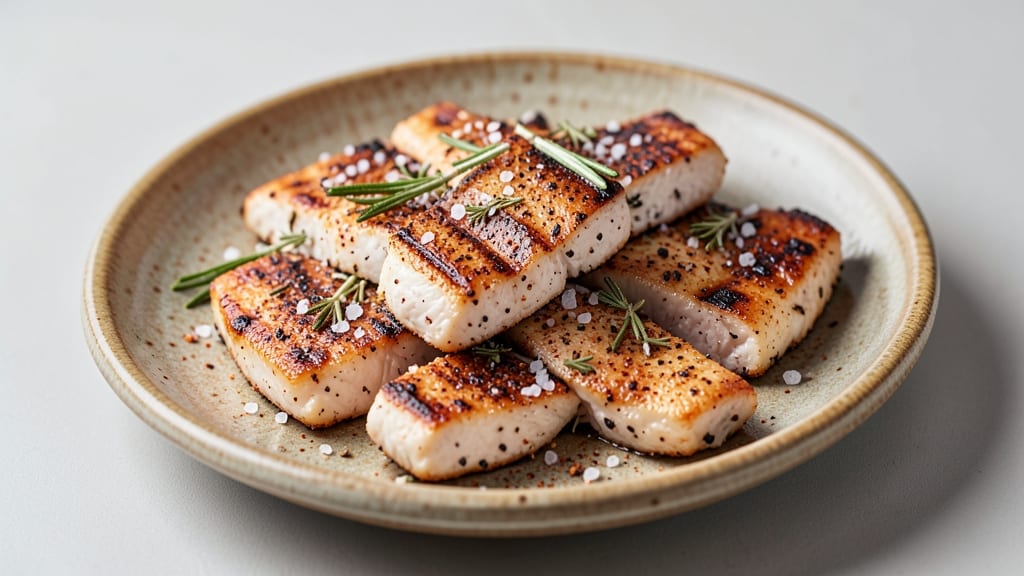
Mastering juicy chicken tenderloins starts with this bold herb-crust seasoning blend—a precise mix of earthy spices and aromatic herbs designed to create a flavorful bark while keeping the meat tender inside. After years of perfecting this recipe, I’ve found the right balance between bold flavor and moisture retention, ensuring every bite delivers that perfect texture and depth. The key lies in the combination of coarse salt, smoked paprika, and fresh herbs that cling to the chicken like a protective crust.
This seasoning mix transforms simple chicken tenderloins into restaurant-quality bites with minimal effort. Just combine the ingredients, coat the chicken evenly, and let the flavors meld before cooking. The blend works equally well for grilling, baking, or pan-searing, making it versatile for any meal.
What sets this apart is how it enhances natural juiciness while adding layers of smoky, herby complexity that pairs beautifully with almost any side.
The result is chicken that’s tender on the inside with a crisp, flavorful crust outside—no dryness, no blandness, just bold, satisfying bites every time. The seasoning’s flexibility means you can adjust it to suit your taste, whether you prefer a classic herb profile or something with a smoky kick.
For best results, let the seasoned chicken rest for 10-15 minutes before cooking to ensure maximum flavor penetration.
Perfect for weeknight dinners, meal prep, or entertaining, this seasoning blend elevates chicken tenderloins to a whole new level. Once you try it, you’ll never go back to plain seasoning again. Let’s get started on creating your signature flavor profile.
Ingredients for chicken tenderloin seasoning
Nine powerhouse ingredients that transform plain chicken into restaurant-worthy bites.
| Ingredient | Amount | Notes |
|---|---|---|
| Coarse Kosher Salt 🧂 | 3 tbsp | Diamond Crystal preferred for texture |
| Smoked Paprika 🌶️ | 2 tbsp | High-quality for authentic smokiness |
| Fresh Rosemary 🌿 | 1 tbsp | Finely chopped, fresh preferred |
| Fresh Thyme Leaves 🌿 | 1 tbsp | Or dried at 1/3 amount |
| Garlic Powder 🧄 | 1 ½ tsp | Freshly ground preferred |
| Ground Black Pepper 🌶️ | 1 tsp | Freshly cracked for best flavor |
| Onion Powder 🧅 | 1 tsp | Adds subtle depth |
| Ground Cumin 🌿 | ½ tsp | Earthy warmth essential |
| Ground Coriander 🌶️ | ½ tsp | Bright citrus note |
| Extra-Virgin Olive Oil 🫒 | 1 tbsp | For binding and moisture |
The coarse kosher salt is non-negotiable—Diamond Crystal creates that perfect textured crust while keeping the meat juicy inside. Smoked paprika from Penzeys or the bulk spice aisle delivers that authentic smoky depth without overpowering. Fresh herbs? Rosemary and thyme from the grocery store's refrigerated section (not the dried aisle) make all the difference—just chop them finely so they cling perfectly. If you're using dried herbs, halve the amount and make sure they're labeled 'culinary' quality. The garlic powder should be freshly ground—pre-ground loses potency fast. Pro tip: Toast your spices in a dry pan for 30 seconds before mixing to wake up their flavors!
No smoked paprika? Substitute 1 tbsp regular paprika plus 1/4 tsp liquid smoke (like Annie's brand). Fresh herbs wilt fast? Dried thyme and rosemary work at one-third the amount, but you'll miss that vibrant freshness. Olive oil matters here—California avocado oil works too, but stick with extra-virgin for that fruity depth. Short on cumin? A pinch of cinnamon adds warmth, but it's not the same. The onion powder can be swapped for 1/4 tsp onion salt, but you'll need to adjust the regular salt accordingly. For a spicier kick, add 1/4 tsp cayenne—just don't blame me if your hands get red!
This blend keeps indefinitely in an airtight container in a cool, dark place—glass jars are ideal. The olive oil helps preserve freshness, so don't skip it. For meal prep, portion into small containers (about 1 tbsp per serving) and store in the fridge for up to 3 months. The herbs will lose some potency over time, but the spices stay vibrant. Freeze extras in ice cube trays for single-use portions—just thaw before using. And here's the secret: Let your seasoned chicken rest 10-15 minutes before cooking. The flavors penetrate deeper, and you'll get that perfect crispy crust every single time!
Why You'll Love This Recipe
- No-Measure Guessing: I just grab a pinch of smoked paprika, a sprinkle of rosemary, and crush garlic powder right on top—no scales, no stress. The coarse salt clings like magic, so you’re not fiddling with fine grains sticking everywhere.
- Smoky Herby Magic: That rosemary-thyme combo? It’s like a hug for your taste buds. The smoked paprika gives it this warm, campfire vibe, while the garlic powder ties it all together—simple, but ridiculously good.
- Game for Any Night: Toss it on tenderloins for a quick weeknight dinner, or marinate them ahead for a summer BBQ. Honestly, I’ve used this on grilled, pan-seared, or even air-fried chicken—it just works.
- Leftovers That Don’t Suck: Seasoned chicken keeps for days in the fridge, so I cook a big batch and repurpose it: wraps, salads, or reheated with a splash of lemon. No sad, dry leftovers here—just flavor that sticks.
Step-by-step instructions for bold herb-crust chicken tenderloin seasoning
This vibrant blend transforms simple chicken tenderloins into restaurant-worthy bites every time.
Prepare the Fresh Herbs for Maximum Flavor
Begin by finely chopping the 1 tablespoon fresh rosemary and 1 tablespoon fresh thyme leaves using a sharp chef's knife. I like to use the tip of the blade for delicate herbs to avoid bruising. The goal is to create tiny, even pieces that will distribute evenly through the seasoning blend. This freshness is what elevates the final product beyond basic dry rubs.
Place the chopped herbs in a small mixing bowl. Here's the thing—fresh herbs release their aromatic oils more aggressively than dried, so we want them finely textured to maximize their impact. If you're using dried herbs instead, reduce to ⅓ teaspoon each and pulse them briefly in a spice grinder for even distribution.
Combine Dry Ingredients for Even Distribution
In the same bowl, add the 3 tablespoons coarse kosher salt, 2 tablespoons smoked paprika, 1.5 teaspoons garlic powder, 1 teaspoon ground black pepper, 1 teaspoon onion powder, 0.5 teaspoon ground cumin, and 0.5 teaspoon ground coriander. This is where the magic happens—each component plays a crucial role in creating that perfect balance of smoky, herby, and slightly sweet flavors.
Use a fork or small whisk to gently fold everything together. You're not trying to create a paste here—just ensure the herbs are fully coated and no dry ingredients remain in clumps. The smoked paprika should be the most visible component after mixing, giving the blend its signature color. This step prevents flavor hotspots when you apply it to the chicken.
Incorporate the Olive Oil for Binding
Add the 1 tablespoon extra-virgin olive oil to the dry mixture. The oil acts as both a binder and a flavor enhancer, helping the seasoning adhere to the chicken while adding subtle fruity notes that complement the herbs. Use your fingers to work the oil through the mixture until it forms a coarse, crumbly paste that holds together when pressed.
This is the moment that matters: the texture should be damp enough to stick to your fingers but not so wet it becomes a gloppy mess. If it's too dry, add a tiny drop more oil. If it's too wet, sprinkle in a pinch more smoked paprika to absorb the excess. The perfect consistency ensures maximum surface area contact with the chicken, guaranteeing that crispy, flavorful crust.
Apply the Seasoning for Maximum Flavor Penetration
Pat four chicken tenderloins completely dry with paper towels—this is non-negotiable for achieving that perfect crispy crust. The seasoning needs a dry surface to adhere properly. Generously coat each tenderloin with about 1 tablespoon of the herb-crust mixture, pressing firmly so it sticks. Don't be shy here—you want a thick, even layer that will create that beautiful crust when cooked.
Here's the secret to tender, juicy results: let the seasoned tenderloins rest at room temperature for 15-20 minutes before cooking. This allows the salt to begin breaking down the muscle fibers (osmosis), while the oil penetrates slightly, ensuring maximum moisture retention when they hit the heat. Real talk: skipping this step means you're missing out on that extra layer of tenderness.
Pro Tips For Making Chicken Tenderloin Seasoning
- Toast the Spices First: Heat your smoked paprika and garlic powder in a dry pan for 30 seconds—just until fragrant. This wakes up the flavors and cuts through any bitterness in the rosemary. I used to skip this, and the seasoning always tasted flat until I tried it.
- Chop Rosemary Fine: Use a sharp knife to mince the rosemary into tiny pieces—smaller than thyme leaves. Whole sprigs burn easily and leave uneven flavor. My grandmother swore by this, and she was right: the herbs blend seamlessly into the crust.
- Salt in Two Stages: Sprinkle half the kosher salt before searing, then finish with the rest after cooking. The first layer helps draw out moisture for a better crust, while the second locks in flavor. I learned this the hard way—over-salting raw meat makes it tough.
- Rest Before Serving: Let the tenderloins sit under foil for 5 minutes after cooking. This keeps them juicy and makes the seasoning stick. I know, I know—you’re hungry—but trust the process. Your future self will thank you.
Regional styles of this dish
Southern BBQ Style
In the South, chicken tenderloins get a smoky, sweet, and slightly tangy treatment that pairs perfectly with grilled sides. Add 1 tablespoon brown sugar and ½ teaspoon mustard powder to the base blend for that classic BBQ flavor.
I like to finish with a 1-minute broil after grilling to caramelize the sugar and create a sticky glaze. Serve with homemade coleslaw and cornbread for a true Southern feast. 🔥
Cajun Spice Twist
For a Louisiana-inspired kick, swap the rosemary for 1 tablespoon chopped fresh parsley and add 1 teaspoon cayenne pepper and ½ teaspoon dried oregano. The blend gets a fiery, citrusy punch that works amazingly with blackened chicken.
I recommend grilling these over hickory chips for extra smokiness and serving with Cajun rice and spicy remoulade sauce. ⚡
Mediterranean Herb Blend
This variation leans into bright, citrusy flavors inspired by Greek and Turkish cuisines. Replace the thyme with 1 tablespoon chopped fresh oregano and add ½ teaspoon dried marjoram and ½ teaspoon lemon zest.
The result is a fragrant, herbaceous crust that pairs beautifully with grilled lemon wedges and tzatziki sauce. I often serve these with roasted eggplant and warm pita bread for a complete Mediterranean spread. 🌿
Smoky Chipotle Fusion
For a modern twist, mix 1 teaspoon chipotle powder into the base blend and add ½ teaspoon ground cloves for warmth. This smoky, slightly sweet, and spicy profile works incredibly well with grilled pineapple slices on the side.
I like to finish the chicken with a quick brush of chipotle mayo (mix 2 tablespoons mayo with ½ teaspoon chipotle powder) before serving. It’s a crowd-pleaser at summer cookouts. 🌶️
Herb-Forward Italian Style
This variation brings Italian flavors to the table by replacing the smoked paprika with 1 tablespoon dried basil and ½ teaspoon fennel seeds. The blend gets a bright, aromatic twist that pairs perfectly with grilled zucchini and sun-dried tomato slices.
I recommend finishing the chicken with a sprinkle of grated Parmesan and a drizzle of balsamic glaze for an elegant touch. It’s perfect for a weeknight dinner that feels special. 💫
Nutrition facts
Frequently asked questions
How long can I store this seasoning blend before it goes bad?
The dry seasoning mix stays fresh for up to 6 months in an airtight container in a cool, dark place. The olive oil helps preserve it longer than dry rubs without oil. For best flavor, use within 3 months of making it. If you notice the herbs losing their aroma or the spices smell dull, it's time to make a fresh batch.
Can I use this seasoning on other proteins besides chicken?
This blend works beautifully on turkey tenderloins, pork chops, or even fish fillets like cod or halibut. For seafood, reduce the salt to 2 tablespoons since fish absorbs seasoning differently. The herb-crust also pairs well with shrimp skewers or chicken thighs for extra moisture.
Why does my seasoned chicken turn out dry instead of juicy?
Overcooking is the #1 cause of dry chicken. Use a meat thermometer and remove tenderloins when they reach 165°F—they'll rise to 170°F while resting. Also, pat them completely dry before seasoning (no wet spots!) and let them rest 5-10 minutes after cooking. The olive oil in the seasoning helps retain moisture, but don't skip the resting time.
What's the best way to make this seasoning extra crispy?
For maximum crustiness, broil the seasoned chicken for 2-3 minutes at the end of cooking. First, sear in a hot skillet or grill until internal temp hits 155°F, then transfer to a broiler rack. The direct heat caramelizes the sugars in the smoked paprika and herbs, creating that perfect crispy bark. Just watch closely—it happens fast!
Can I bake these tenderloins instead of grilling or pan-searing?
Yes! Bake at 400°F for 15-18 minutes on a wire rack over a baking sheet (not directly on the pan). This allows air circulation for even browning. For extra crispiness, broil for 1-2 minutes at the end. The seasoning works perfectly for oven cooking—just make sure your chicken reaches 165°F internally.