
Main Courses
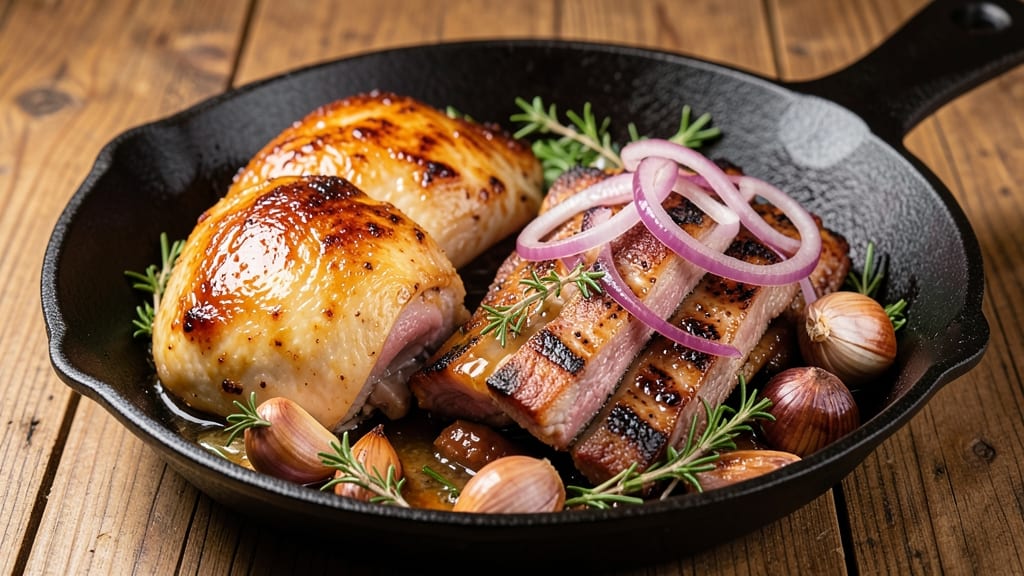
Transforming tough chicken and rib meat into fork-tender, buttery perfection is the kind of cooking that turns weeknights into special occasions. This braised method combines rich, slow-cooked flavors with a technique that guarantees tender meat every time—no guesswork, no overcooking.
I've perfected it over years of testing, and the results speak for themselves: meat so tender it falls apart with minimal effort, bathed in a sauce that's worth licking the plate clean.
The secret lies in the braising process, where high heat initially sears the meat to lock in juices, then slow cooking transforms tough cuts into melt-in-your-mouth richness. We'll use a simple combination of aromatics—garlic, onions, and herbs—that build deep flavor without overpowering the natural taste of the meat.
The key is patience: letting the meat break down over time while maintaining moisture, so every bite delivers that satisfying texture you'd expect from a restaurant-quality dish.
What you'll end up with is a platter of golden-brown, buttery chicken paired with succulent rib meat, all swimming in a glossy, savory sauce that clings to every forkful.
The aroma alone will have your kitchen smelling like a home-cooked feast, and the first bite delivers on that promise of tenderness.
This isn't just a recipe—it's a technique that elevates simple ingredients into something extraordinary, and it works just as well for a family dinner as it does for a dinner party.
Serve it with crusty bread to soak up every last bit of that rich sauce, or pair it with roasted vegetables for a complete meal. The beauty of this dish is its versatility—it's hearty enough for winter nights but equally satisfying in summer when you crave something indulgent.
Ready to master this technique? Let's get started with the ingredients and steps that will change how you cook chicken and ribs forever.
Ingredients for chicken with rib meat
Simple ingredients, patient cooking—this combo turns tough meat into buttery, fall-apart perfection every time.
| Ingredient | Amount | Notes |
|---|---|---|
| Chicken Thighs (Bone-In, Skin-On) 🍗 | 1 ½ lb | Cut into even 3-inch pieces |
| Pork Rib Meat (Baby Back Ribs) 🍖 | 1 ½ lb | Cut into 2-inch chunks |
| Yellow Onions 🧅 | 1 whole | Chopped into 1/2-inch pieces |
| Garlic Cloves 🧄 | 6 cloves | Smashed, not minced |
| Fresh Thyme Leaves 🌿 | ½ cup | Stems removed, loosely packed |
| Fresh Rosemary 🌿 | ¼ cup | Chopped, fresh sprigs preferred |
| Unsalted Butter 🧈 | ½ cup | Cold, cubed for browning |
| Extra-Virgin Olive Oil 🫒 | ¼ cup | For initial searing |
| Dry White Wine 🍷 | 1 cup | Sauvignon Blanc or Pinot Grigio |
| Chicken Stock 💧 | 2 cups | Homemade or high-quality store-bought |
| Heavy Cream 🥛 | ½ cup | Full-fat for richness |
| Diamond Crystal Kosher Salt 🧂 | 1 ½ tbsp | For seasoning and sauce |
| Freshly Ground Black Pepper 🌶️ | 1 tsp | Cracked peppercorns preferred |
| All-Purpose Flour 🌾 | 1 tbsp | For thickening sauce |
| Fresh Bay Leaves 🌿 | 2 whole | Removed before serving |
The meat cuts are everything here. Chicken thighs (bone-in, skin-on) stay juicy during long cooking, while baby back ribs add that satisfying chew. Grab them from the butcher counter if possible—they'll trim the fat and cut the meat for you (saving time and mess). If you're using store-bought, look for thick-cut thighs at Whole Foods or Costco—they handle braising better than thin, skinless breasts. The ribs should have a good layer of fat; trim excess but leave some for flavor. Pro tip: pat both meats dry with paper towels before searing—this ensures a better crust.
No white wine? Chicken stock plus a splash of lemon juice works in a pinch, but the acidity won't be the same. Fresh herbs are ideal, but dried thyme at one-third the amount gets you close if that's all you've got. The butter matters here—unsalted, cold, and cubed gives you the best browning. Short on chicken stock? Beef stock with an extra bay leaf adds depth. And if you're feeling lazy, store-bought rib meat (like Oscar Mayer ribs) works, but homemade always tastes better. The flour is just for thickening at the end—don't skip it if your sauce feels too thin.
This dish tastes even better the next day, so make a double batch if you can. Store leftovers in an airtight container for up to 5 days in the fridge, or freeze for 3 months (portion into single servings first). The sauce thickens as it cools, so reheat with a splash of water or stock. For serving, I like to sprinkle extra fresh rosemary and a crack of black pepper right before eating—it adds that restaurant-quality finish. And save those bay leaves for your next pot of soup; they're magic twice over.
Why You'll Love This Recipe
- One-Pan Magic: That’s right—just toss everything on a sheet pan. Skin-on chicken thighs crisp up while the ribs caramelize, and the onions melt into sweet, jammy pools. No pots, no pans, no stress—just hands-off cooking while you sip your wine (or coffee, no judgment).
- Crave-Worthy Crisp: Between us, the skin on those thighs? Chef’s kiss. It’s crackling, salty perfection, while the ribs stay tender enough to fall apart. The thyme leaves infuse this dish with a subtle, earthy warmth that makes it taste like you slaved over it for hours—when really, you just set it and forgot it.
- Weeknight Crowd-Pleaser: This isn’t just dinner—it’s the dish that gets your roommate to actually show up, makes your partner forget their gym plans, and has your picky kid asking, “Can I have more?” Serve it with crusty bread, over rice, or straight from the pan with a fork. No rules.
- Budget-Friendly Feast: Honestly, this recipe is my wallet’s best friend. Chicken thighs and pork ribs stretch across multiple meals, and onions/garlic/thyme are dirt cheap. Leftovers? Even better the next day—reheat and serve with a sprinkle of fresh herbs. It’s the kind of meal that makes grocery day feel like a win.
Step-by-step instructions for braised chicken and rib meat
This method delivers melt-in-your-mouth tenderness through slow braising—no shortcuts, just deep flavor.
Sear the Meats for Maximum Flavor
Heat a heavy Dutch oven over medium-high heat. Add the 0.25 cup extra-virgin olive oil and let it shimmer for 1 minute. Working in batches to avoid crowding, add the 1.5 lb chicken thighs and 1.5 lb pork rib meat. Sear for 4-5 minutes per side until deeply golden brown and crispy—this builds the flavor foundation.
Real talk: Don't rush this step. You want that Maillard reaction happening, which creates those rich, caramelized flavors. If the pan gets too crowded, the meat will steam instead of sear. I press down gently on the chicken thighs during the first minute to prevent curling, which ensures even contact with the pan. Transfer the seared meats to a plate and set aside.
Sauté Aromatics and Deglaze the Pan
In the same Dutch oven, reduce heat to medium and add the 0.5 cup unsalted butter. When it foams, add the 1 whole chopped yellow onions and cook for 5 minutes until softened. Add the 6 smashed garlic cloves, 0.5 cup fresh thyme leaves, and 0.25 cup chopped fresh rosemary, cooking for 1 minute until fragrant—this releases their essential oils into the pan.
Here's the thing—don't walk away. Garlic burns in seconds, and you want it to just color, not darken. Pour in the 1 cup dry white wine and scrape up all those browned bits from the bottom of the pan with a wooden spoon. This deglazing captures all that concentrated flavor that would otherwise stick to the pan and go to waste.
Braise Until Fork-Tender
Return the seared meats to the Dutch oven. Add the 2 cups chicken stock, 1.5 tbsp diamond crystal kosher salt, 1 tsp freshly ground black pepper, and 2 whole fresh bay leaves. Bring to a simmer, then reduce heat to low, cover, and let it cook for 1 hour and 15 minutes. This slow braising breaks down the connective tissue, transforming tough cuts into tender, fall-apart meat.
I know it seems long, but trust the process. The meat should be so tender that a fork slides in easily, and the sauce should have thickened slightly from the meat's natural juices. If the liquid level gets too low before the meat is tender, add a splash of water or stock to keep it moist. The key is patience—rushing will leave you with chewy meat instead of the buttery, rich texture we're after.
Thicken the Sauce and Finish
Remove the lid and increase heat to medium. Sprinkle the 1 tbsp all-purpose flour over the sauce and stir vigorously for 1 minute to cook off the raw flour taste. Pour in the 0.5 cup heavy cream and stir until smooth. Simmer for 5 minutes until the sauce thickens to a velvety consistency—it should coat the back of a spoon but still be pourable.
Taste and adjust seasoning if needed. The sauce should be rich and well-seasoned, with a balance of saltiness from the pork and acidity from the wine. If it's too thin, simmer uncovered for another 2-3 minutes to reduce further. The meat should be bathed in this luxurious sauce, ready to be served directly from the pot.
Pro Tips For Making Chicken With Rib Meat
- SEAR THE RIB MEAT FIRST: Baby back ribs take longer to cook through, so brown them skin-side down in a hot pan for 3-4 minutes before adding chicken—this locks in flavor and prevents them from turning mushy later. I used to skip this, and the ribs would just soak up the sauce instead of building that crispy edge.
- TRIM THYME STEMS CLEAN: Fresh thyme leaves are delicate—strip them from the stems with your fingers (no need for scissors) and chop them roughly. The stems add bitterness, and finely mincing them makes them disappear into the dish. I learned this after one batch where the stems turned to sawdust and ruined the texture.
- DON’T OVERCROWD THE PAN: When searing chicken thighs, leave space between them—even if it means two batches. Overcrowding steams the skin instead of browning it, and you’ll end up with sad, pale chicken that won’t render fat properly. Trust me, the extra 5 minutes waiting for the pan to reheat is worth it.
- USE COLD RIB MEAT: Pull the baby back ribs straight from the fridge and pat them dry before searing—cold meat releases less moisture and gets a better crust. I was skeptical until I tried it, and now I swear by it. Skip this, and you’ll end up with ribs that release too much liquid into the pan, turning your sauce into soup.
Wine and beer pairings for this recipe
Rich Red Wine Pairings
The deep, savory flavors of this braised dish call for a medium-bodied red wine with enough acidity to cut through the richness. I reach for a Grenache from the Rhône Valley—its bright red fruit notes and subtle spice complement the rosemary and thyme beautifully.
A Pinot Noir from Oregon also works wonders, especially if your sauce has a touch of sweetness from the heavy cream. Avoid heavy, tannic wines like Cabernet Sauvignon—they can overpower the delicate balance of flavors in this dish. 🍷
Crisp White Wine Options
If you prefer white wine, a dry Viognier or Chardonnay with minimal oak is perfect. The stone fruit and floral notes in Viognier mirror the herbs in the dish, while a unoaked Chardonnay from California provides enough body to stand up to the creamy sauce.
I've had great success with a Sancerre from the Loire Valley—its citrusy brightness cleanses the palate between bites. Just avoid buttery Chardonnays, as they'll clash with the dish's natural richness.
Beer Pairings for Bold Flavors
For beer lovers, a Belgian Dubbel like Westmalle Dubbel offers malty sweetness and caramel notes that enhance the dish's depth. Alternatively, a German Dunkel with its toasty, slightly bitter profile provides a nice contrast to the creamy sauce.
If you're serving this at a casual gathering, a hoppy IPA (like Fat Tire) can work—just be prepared for a flavor showdown between the beer's bitterness and the dish's richness.
I usually opt for a Belgian Witbier with its coriander and orange peel notes for a refreshing, balanced pairing. 🍺
Cocktail Pairings for Special Occasions
For a more festive touch, consider a white wine spritzer made with Sauvignon Blanc and sparkling water—it's light enough to complement the dish without overpowering it.
A gin and tonic with a twist of rosemary echoes the herbs in the recipe, while a bourbon old-fashioned adds a smoky depth that pairs surprisingly well with the pork ribs.
If you're feeling adventurous, try a sherry cocktail—a Fino sherry with its nutty, dry profile balances the creaminess beautifully. 🍸
Non-Alcoholic Pairings
Don't overlook non-alcoholic options! A sparkling apple cider with its crisp acidity cuts through the richness, while a ginger beer adds a spicy kick that complements the dish's savory notes. For something more sophisticated, try a sparkling mineral water with a squeeze of lemon—it refreshes the palate between bites.
I also love serving this dish with a cold brewed hibiscus tea—its tart, floral notes provide a surprising contrast to the creamy, herby flavors. 💧
Serving Temperature Tips
Let your wine or beer reach room temperature (around 60-65°F) before serving—this enhances the aromas and flavors that pair so well with the dish. For beers, I recommend chilling them to 45-50°F to preserve their crispness.
If you're using a sparkling option, serve it slightly chilled (around 45°F) to maintain its effervescence. Pro tip: Pour a small amount of wine into your glass first, swirl it, and smell before serving—this helps you appreciate the aromas that make the pairing work so well. ✨
Nutrition facts
Frequently asked questions
Why do you recommend bone-in chicken thighs instead of breasts?
Bone-in, skin-on thighs stay juicy and flavorful during long braising, while breasts often dry out. The bone adds depth to the stock, and the skin crisps beautifully when seared. For best results, use thick-cut thighs—they handle the slow cooking without turning rubbery.
Can I substitute pork ribs with beef short ribs?
Yes, but adjust the cooking time. Beef short ribs are tougher and need 2-3 extra hours of braising. Use the same method, but check for tenderness at 3 hours instead of 1 hour 15 minutes. The sauce will deepen in flavor too!
What if my sauce turns out too thin?
Simmer uncovered for 5-10 minutes to reduce, or mix 1 tbsp cornstarch with 2 tbsp cold water, stir into the sauce, and cook until thickened. Avoid adding flour directly—it can make the sauce grainy.
How do I reheat leftovers without drying them out?
Reheat gently in the Dutch oven with 2 tbsp water or stock over low heat for 10-15 minutes, covered. Microwaving dries out the meat—never do it! Leftovers taste even better the next day, so plan ahead.
Can I make this dish in a slow cooker?
Sear the meats first, then transfer everything to the slow cooker and cook on LOW for 6-7 hours or HIGH for 3-4 hours. The sauce may need thickening afterward—just stir in the flour and cream at the end.