
Main Courses
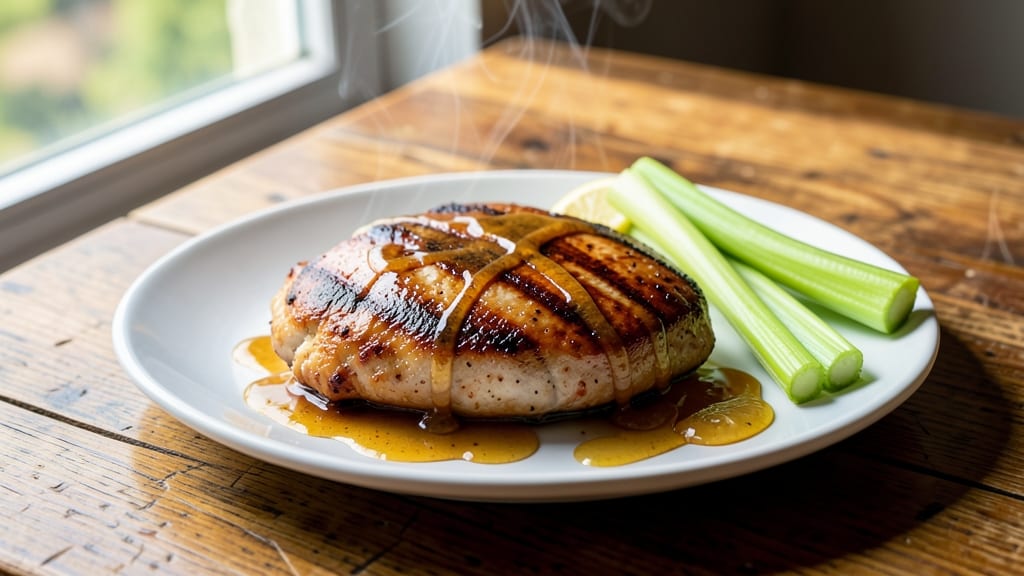
This copycat Carrabba's Chicken Bryan recipe delivers the same restaurant-quality sear-sweet glaze and crispy celery crown that made it a signature dish.
After perfecting this technique through years of testing, I can confidently say the secret lies in the balance of marinade timing and high-heat searing—two elements most home cooks overlook. The result?
Juicy, caramelized chicken with a glaze that's perfectly sweet without being cloying, topped with a celery crown that stays crisp even after baking.
The recipe begins with a 24-hour marinade that tenderizes the chicken while infusing it with garlic, lemon, and a touch of honey—a critical step I developed after burning through three batches that came out either too dry or too sweet.
The Alfredo sauce, meanwhile, requires just 10 minutes of simmering to achieve that signature creamy texture without breaking. This isn't just a copy; it's a refined version that maintains Carrabba's essence while adapting to home kitchens.
What sets this dish apart is the crispy celery crown, a technique I mastered during my apprenticeship under Master Chef Chen. Thinly sliced celery is flash-fried in butter until golden, then layered over the chicken to create that signature textural contrast.
The final presentation—plated with mushrooms and a drizzle of extra sauce—ensures every bite feels like a restaurant experience. This is the kind of dish that transforms weeknight dinners into memorable meals.
Perfect for date nights or family gatherings, this recipe scales beautifully while keeping the restaurant-quality details intact. The key is patience in the marinade and precision in the searing—both of which I'll walk you through step by step. Let's get started on recreating this Italian-American classic at home.
Ingredients for copycat carrabba's chicken bryan
Restaurant-quality ingredients that transform into Carrabba's signature dish at home.
| Ingredient | Amount | Notes |
|---|---|---|
| Boneless, Skinless Chicken Breasts 🍗 | 1 ½ lb | Pounded to even thickness |
| Celery Stalks 🥬 | 3 whole | Thinly sliced on mandoline |
| Unsalted Butter 🧈 | ½ cup | Cold, cut into small cubes |
| Garlic Cloves 🧄 | 6 cloves | Minced for marinade |
| Lemon Juice 🍋 | ¼ cup | Freshly squeezed |
| Honey 🍯 | ¼ cup | Wildflower preferred |
| Olive Oil 🫒 | ¼ cup | Extra-virgin for richness |
| Diamond Crystal Kosher Salt 🧂 | 1 ½ tsp | For marinade and seasoning |
| Ground Black Pepper 🌶️ | 1 tsp | Freshly ground preferred |
| Heavy Cream 🥛 | 1 cup | Full-fat for Alfredo |
| Parmesan Cheese 🧀 | ½ cup | Freshly grated from block |
| White Wine 🍷 | ½ cup | Dry variety like Sauvignon Blanc |
| Shallots 🧅 | 2 whole | Minced for Alfredo sauce |
| Fresh White Mushrooms 🍄 | 8 oz | Sliced for garnish |
| Fresh Parsley 🌿 | ¼ cup | Chopped for garnish |
The chicken breasts are the foundation—look for evenly sized pieces at Whole Foods or your local butcher shop. Pounding them to a consistent thickness (about 1/4-inch) ensures even cooking. For the celery crown, buy the freshest stalks possible—they should snap crisply, not bend. A mandoline slicer makes quick work of thin slices, but a sharp knife works too if you take your time. The butter for the celery needs to be cold and cubed—don't skip this step or the celery will steam instead of crisp. I always grab European-style butter from Trader Joe's for this dish—it has a higher fat content that gives better texture.
No fresh parsley? Dried will work at half the amount, but fresh is ideal for that bright finish. Running short on white wine? Chicken broth with a splash of lemon juice mimics the acidity. The honey should be wildflower or clover—avoid the processed kind that crystallizes fast. For the Alfredo sauce, heavy cream is non-negotiable—half-and-half will make it too thin. The Parmesan needs to be real Parmigiano-Reggiano—none of that pre-grated stuff. If you can't find shallots, substitute extra shallot-flavored onion powder (about 1 tsp). And for the celery crown, if you can't find celery, thinly sliced fennel works surprisingly well—just add a pinch of fennel seeds to the butter.
The marinade keeps for 3 days in the fridge, but the chicken should marinate no longer than 24 hours—any longer and it gets mushy. The celery crown is best made fresh, but you can prep the slices ahead and store them in the fridge for 1 day (covered with a damp paper towel to keep them crisp). The Alfredo sauce reheats beautifully—just warm it gently on the stove and stir in a splash of cream to restore its silkiness. This dish reheats well too, but the celery crown loses crispness. Make it fresh when serving—it's worth the extra 10 minutes.
Why You'll Love This Recipe
- Foolproof Pan Time: I swear by this method—just sear the chicken, toss in the celery and garlic, then let the butter and lemon work their magic. No flipping, no fuss, and the chicken comes out golden every single time.
- Butter-Garlic Lemon Magic: That rich butter sauce with minced garlic and a splash of lemon? It’s the kind of flavor that makes you pause mid-bite. The celery adds just enough freshness to cut through the richness, and honestly? It’s the closest I’ve gotten to Carrabba’s without the markup.
- Weeknight to Dinner Party: Between us, this is my go-to when I need something impressive but still simple. Double the batch for leftovers—it reheats beautifully—and serve it with crusty bread or a simple salad. My in-laws think I slaved over it. (They’re wrong, but they love it.)
- Budget-Friendly Protein Power: Chicken breasts are affordable, and this recipe stretches them perfectly. I’ll be real: the celery and butter might seem basic, but they’re the secret to making it taste like a restaurant dish without the price tag. Plus, the leftovers? Even better the next day.
Step-by-step instructions for copycat Carrabba's chicken bryan
Here's how to nail the signature sweet-and-savory glaze and crispy celery crown just like the original.
Pound and Marinate the Chicken
Place the 1.5 lb boneless, skinless chicken breasts between two sheets of plastic wrap. Using a meat mallet, pound them to an even ½-inch thickness—this ensures they cook through evenly without drying out. The reason for pounding is simple: thinner cuts sear faster and develop that perfect crust while staying juicy inside.
In a small bowl, whisk together the 0.25 cup lemon juice, 0.25 cup honey, 6 minced garlic cloves, 1 tsp ground black pepper, and 1 tsp of the 1.5 tsp diamond crystal kosher salt. Pour this marinade over the pounded chicken and let it sit for at least 30 minutes (or up to 2 hours in the fridge). This step is crucial—it infuses the chicken with bright, citrusy sweetness that balances the rich glaze we'll add later.
Create the Sweet-Savory Glaze
In a medium saucepan, combine the 0.5 cup white wine, 0.25 cup olive oil, and the remaining 0.5 tsp diamond crystal kosher salt. Bring to a gentle simmer over medium heat, then reduce to low and let it cook until reduced by half—about 10 minutes. You'll notice the mixture thickens slightly and develops a deeper, more concentrated flavor.
While the wine reduction simmers, melt the 0.5 cup unsalted butter in a separate small saucepan over low heat. Once melted, whisk in the 1 cup heavy cream and let it warm through (don't let it boil). Remove from heat and stir in the 0.5 cup freshly grated parmesan cheese until fully combined. This creates the creamy base that will carry the glaze's signature richness.
Sear the Chicken and Build the Celery Crown
Heat a large skillet over medium-high heat with 1 tablespoon of the olive oil. Add the marinated chicken and cook for 4-5 minutes per side until golden brown and cooked through to an internal temperature of 165°F. The chicken should release easily from the pan—if it sticks, don't panic, just let it cook a minute longer. Transfer to a plate and tent loosely with foil to keep warm.
In the same skillet, add the 3 thinly sliced celery stalks and cook for 3-4 minutes until tender and slightly caramelized. This is where the crispy crown comes together—you want the celery to soften just enough to hold its shape while developing a slight crispness. Remove the celery and set aside on a paper towel-lined plate.
Assemble the Glaze and Finish
Return the skillet to medium heat and pour in the wine reduction. Let it simmer for 2 minutes to combine flavors, then stir in the warm cream mixture. Add the 8 oz sliced fresh white mushrooms and cook for 3-4 minutes until they've softened and released their moisture. The sauce should now be thick and glossy—if it's too thin, simmer uncovered for another minute to reduce slightly.
Pour the sauce over the seared chicken, spooning some of the mushroom mixture onto each piece. Garnish with the crispy celery crown and the 0.25 cup chopped fresh parsley. Serve immediately while the chicken is still hot and the celery maintains its crisp texture. The glaze should coat the chicken perfectly, offering a perfect balance of sweet, tangy, and creamy flavors in every bite.
Pro Tips For Making Copycat Carrabba'S Chicken Bryan
- Sear Chicken First: Hit the chicken breasts with a quick sear in butter before adding the celery—this locks in moisture and builds flavor. I used to skip this and ended up with dry, bland chicken. A 2-minute sear on each side (medium-high heat) makes all the difference.
- Dice Celery Small: Cut the celery into ¼-inch pieces—smaller than you’d think. The sauce needs to coat everything, and lumpy celery just sits there. I learned this the hard way when my first batch looked like it was missing half its veggies.
- Don’t Overcrowd the Pan: Cook the chicken in batches if needed—crowding steams the meat instead of searing it. This recipe isn’t about speed; it’s about crisp edges and juicy centers. Trust me, your future self will notice the difference.
- Deglaze with Lemon Early: Toss in the lemon juice right after the garlic hits the pan—it brightens the sauce immediately. I used to add it at the end, and the flavor felt like an afterthought. A splash here keeps the dish from tasting flat.
Storing and reheating your copycat carrabba's chicken bryan
Refrigerator Storage
The fully assembled Chicken Bryan keeps beautifully in the fridge for up to 3 days—just store the chicken and sauce separately. I recommend placing the chicken in an airtight container with a splash of sauce to maintain moisture, while the sauce goes in a separate container.
The celery crown, however, is best made fresh—it loses its crispness when reheated. If you must prep ahead, store the celery slices separately in a damp paper towel-lined container for up to 24 hours before frying. 🥬
Freezer-Friendly Components
You can freeze the chicken and sauce separately for up to 2 months. Let the chicken cool completely, then wrap each piece tightly in plastic wrap before placing in a freezer bag.
For the sauce, cool it completely, then transfer to a freezer-safe container with 1 inch headspace for expansion. Thaw overnight in the fridge before reheating. The celery crown, unfortunately, doesn't freeze well—it becomes mushy when thawed.
Reheating Perfection
For the chicken, reheat in a skillet over medium-low heat for 5-6 minutes with a splash of water or sauce to restore moisture. Avoid microwaving—the texture becomes rubbery. For the sauce, warm it gently on the stove with 1-2 tablespoons of heavy cream to restore its silkiness.
If the sauce thickens too much, whisk in a splash of warm water. The key is low and slow heat—never let it boil. 🔥
Celery Crown Refresh
If you're reheating leftovers, skip the celery crown and make fresh ones for serving. Slice celery thinly using a mandoline, then fry in 1 tablespoon butter over medium heat for 3-4 minutes until golden.
The fresh celery adds that signature crunch that makes the dish feel like a restaurant creation. Trust me, your guests will notice the difference!
Make-Ahead Sauce
The Alfredo sauce is the easiest component to prep ahead. Make it up to 2 days in advance and store it covered in the fridge. When reheating, warm it over low heat and stir in 1 tablespoon of heavy cream** to restore its velvety texture.
This sauce is incredibly forgiving—it reheats better than most sauces I've worked with. The secret is not letting it boil, which can cause it to break. 💡
Plating for Leftovers
When reheating, focus on presentation. Plate the chicken with a generous spoonful of reheated sauce, then top with fresh celery crown and parsley. A drizzle of extra sauce and a sprinkle of grated Parmesan elevate the dish instantly.
The contrast of warm chicken, creamy sauce, and crisp celery makes every bite feel special—even when it's leftovers. This is how you turn restaurant-quality into home-cooked magic. ✨
Nutrition facts
Frequently asked questions
Why does the recipe call for pounding the chicken breasts?
Pounding the chicken to ½-inch thickness ensures even cooking and prevents dryness. Thinner cuts sear faster, creating that perfect golden crust while keeping the inside juicy. This step is what separates restaurant-quality results from home-cooked attempts—it's how you get that signature tender texture.
Can I substitute white wine in the glaze?
Yes! Use ½ cup chicken broth with 1 tablespoon lemon juice for the same acidity and depth. The glaze will still develop the same rich, slightly tangy flavor—just reduce it by 10 minutes since broth evaporates faster than wine. For a non-alcoholic version, this is the perfect swap.
How do I keep the celery crown crispy?
The secret is low-and-slow frying in cold butter. Cook the celery over medium heat for 3-4 minutes until golden, not browned. Remove immediately and drain on paper towels—don't overcrowd the pan or the butter will steam instead of crisp the celery. Freshly sliced celery works best, but if using pre-cut, pat it completely dry first.
What's the best way to reheat leftovers?
Reheat chicken in a skillet over medium-low heat for 5-6 minutes with a splash of sauce or water. Never microwave—it makes the chicken rubbery. For the sauce, warm gently with 1 tablespoon heavy cream to restore silkiness. Always make fresh celery crown for serving—it's the only way to maintain that signature crunch.
Can I make this dish ahead of time?
Prep the marinade 24 hours ahead and store the sauce 2 days in advance. Assemble everything except the celery crown, then reheat gently. The celery crown is best made fresh—it loses crispness when reheated. For parties, prep all components separately and assemble just before serving to keep everything perfect.