
Main Courses
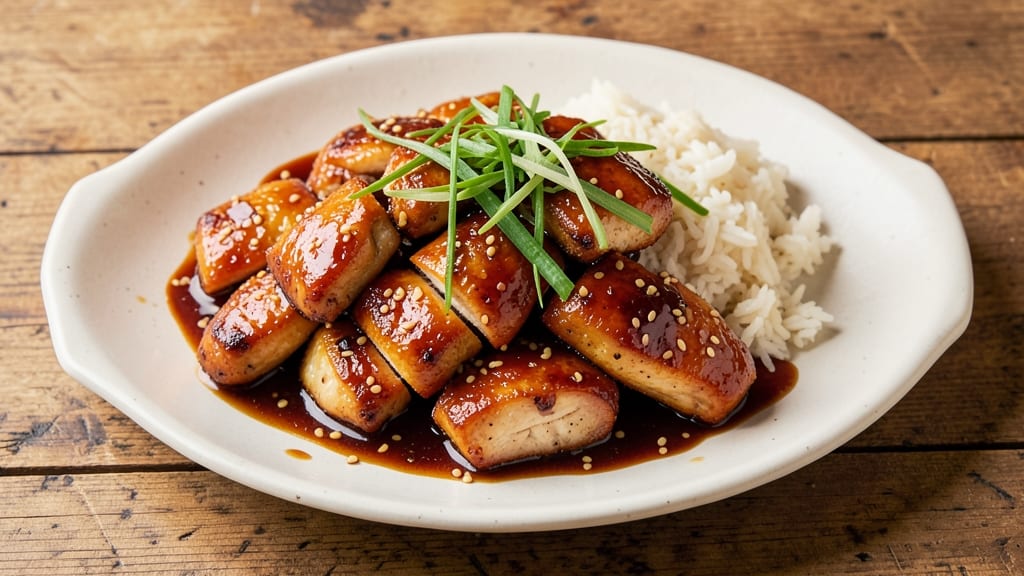
This copycat Panda Express teriyaki chicken recipe delivers that signature sticky-sweet sauce that clings to every crispy bite—just like the restaurant version. After testing countless variations, I’ve perfected a method that balances authentic flavor with home-cooking practicality, ensuring the sauce stays glossy and the chicken stays tender.
The secret lies in marinating the chicken properly and simmering the sauce just long enough to develop its signature depth without burning.
This recipe stays true to the original while adapting for kitchen realities: no specialty equipment needed, just a few pantry staples and precise timing. The sauce combines honey, soy sauce, and ginger for that unmistakable sweet-savory profile, while a quick sear in the pan creates the signature caramelized crust.
What sets this apart is how the sauce actually sticks—no drippy mess here, just that perfect balance of glossy and clingy that makes every bite satisfying.
By the time you serve this dish over steamed rice with a side of broccoli, you’ll have a restaurant-quality meal that tastes like it came straight from the takeout bag.
The chicken emerges with crispy edges and juicy centers, coated in a sauce so perfectly balanced it’s hard to believe it’s homemade. This is the kind of recipe that becomes a weeknight staple once you master it.
Whether you’re feeding a family or craving takeout flavors without the wait, this method delivers consistent results every time. The sauce keeps well for up to a week in the fridge, so you can make extra for future meals. Let’s get cooking—the first bite is worth the effort.
Ingredients for copycat panda express teriyaki chicken
Pantry staples plus a few specialty touches—this list delivers authentic takeout flavor at home.
| Ingredient | Amount | Notes |
|---|---|---|
| Boneless, Skinless Chicken Thighs 🍗 | 2 lb | Cut into 1-inch pieces |
| Honey 🍯 | ½ cup | Light or dark variety |
| Low-Sodium Soy Sauce 🥢 | ½ cup | Kikkoman preferred |
| Rice Vinegar 🍶 | ¼ cup | White or seasoned |
| Fresh Ginger 🌿 | 2 tbsp | Finely grated, fresh preferred |
| Garlic Cloves 🧄 | 4 cloves | Minced, fresh preferred |
| Brown Sugar 🍚 | ¼ cup | Packed firmly |
| Sesame Oil 🫒 | 1 tbsp | Toasted sesame flavor |
| Vegetable Oil 🫒 | 2 tbsp | For searing |
| Cornstarch 🌾 | 1 tbsp | For thickening sauce |
| Water 💧 | ¼ cup | Room temperature |
| Sesame Seeds 🌰 | 1 tbsp | Toasted, for garnish |
| Green Onions 🧅 | 3 whole | Sliced, for garnish |
| Salt 🧂 | 1 tsp | Kosher or sea salt |
| Black Pepper 🌶️ | ½ tsp | Freshly ground |
The chicken thighs are key—boneless, skinless cuts stay juicy while developing crispy edges. Look for fresh, plump pieces at Whole Foods or Trader Joe's for optimal quality. Chicken thighs with some marbling yield the best texture. If using breasts instead, pound them to even thickness to ensure even cooking. The sauce's magic lies in balancing honey and soy sauce—Kikkoman soy sauce delivers that signature umami depth, while local honey adds natural variation. For ginger, freshly grated is non-negotiable—dried powder lacks the bright, zesty punch needed here.
No sesame oil? Toasted peanut oil works in a pinch, though it won't have the same nutty aroma. Substituting brown sugar with white sugar changes the caramelization slightly, but it's still usable. For a quicker prep, pre-minced garlic from the jar saves time, though fresh garlic delivers superior flavor. The cornstarch slurry is critical for thickening—Diamond Crystal brand (not Morton) yields the best results. If you're short on time, arrowroot powder works similarly. The sesame seeds should be toasted in a dry pan for 30 seconds to maximize their aroma—don't skip this step.
The sauce keeps beautifully—up to 1 week in an airtight container in the fridge. For leftovers, reheat gently on the stove to maintain its glossy texture. Freeze portions in ice cube trays for single-serving convenience. The chicken reheats well too, though microwave reheating can make it slightly rubbery—opt for the oven at 350°F for 10 minutes instead. Garnish with fresh green onions right before serving to keep them vibrant. This recipe scales perfectly for larger crowds—just double the sauce ingredients and adjust cooking time accordingly.
Why You'll Love This Recipe
- 20-Minute Sauce: Between us, that honey-soy-ginger mix comes together in one bowl while the chicken cooks. No fancy techniques—just simmer, stir, and let the rice vinegar cut through the sweetness like magic.
- Craving-Worthy Balance: The ginger’s sharp kick and honey’s richness make every bite addictive. That crispy thigh? It soaks up the sauce like a dream—no dry, sad chicken here.
- Lunchbox Hero: Pack it cold in containers for work or school—stays moist, tastes fresh, and my kids actually eat it (yes, even the veggie-hating ones). Just reheat and serve.
- Budget Win: Chicken thighs stretch for days, and the sauce costs pennies. I’ve fed six people for under $15, and the leftovers? Still begging for seconds.
Step-by-step instructions for copycat Panda Express teriyaki chicken
This method delivers that signature sticky-sweet sauce with tender, juicy chicken every time.
Prepare the Chicken and Marinate
Cut the 2 lb boneless, skinless chicken thighs into 1-inch pieces for even cooking. In a large bowl, combine the chicken with 0.5 cup honey, 0.5 cup low-sodium soy sauce, 0.25 cup rice vinegar, 2 tbsp finely grated fresh ginger, 4 minced garlic cloves, 0.25 cup packed brown sugar, 1 tbsp sesame oil, 1 tsp salt, and 0.5 tsp black pepper. Mix thoroughly until the chicken is fully coated.
Cover the bowl and refrigerate for at least 30 minutes (or up to 4 hours) to allow the flavors to penetrate. The longer it marinates, the more tender and flavorful the chicken will become. For best results, marinate overnight, but even 30 minutes makes a noticeable difference in taste and texture.
Sear the Chicken for Maximum Flavor
Heat 2 tbsp vegetable oil in a large skillet over medium-high heat until shimmering. Working in batches to avoid overcrowding, add the marinated chicken pieces and cook for 3-4 minutes per side until golden brown and cooked through. You'll know it's ready when the edges are crispy and the internal temperature reaches 165°F at the thickest part.
As the chicken cooks, the marinade will caramelize, creating a rich, sticky glaze. If the pan gets too dry, add 1 tablespoon of water to prevent burning. Once all the chicken is browned, remove it from the skillet and set it aside on a plate, leaving the flavorful browned bits in the pan.
Thicken the Sauce to Perfection
Return the skillet to medium heat and add 1 tbsp cornstarch to the drippings, stirring constantly for 1 minute to toast the cornstarch and remove any raw taste. Slowly pour in 0.25 cup water while whisking vigorously to prevent lumps from forming. The mixture will bubble and thicken almost immediately.
Bring the sauce to a gentle simmer and let it cook for 2-3 minutes until it reaches a glossy, syrupy consistency—it should coat the back of a spoon smoothly. If the sauce is too thick, add 1 tablespoon of water at a time until it reaches your desired consistency. The sauce should be thick enough to cling to the chicken but still flow easily.
Combine and Garnish
Return the seared chicken to the skillet and toss gently to coat it evenly in the sauce. Simmer for 1-2 minutes to allow the sauce to fully adhere to the chicken. The result should be a glossy, sticky glaze that clings to every bite.
Transfer the chicken to a serving platter and garnish with 1 tbsp toasted sesame seeds and 3 sliced green onions. Serve immediately over steamed rice or noodles for the full Panda Express experience. The sauce should be vibrant, slightly glossy, and perfectly balanced between sweet and savory.
Pro Tips For Making Copycat Panda Express Teriyaki Chicken
- Sear Chicken High: Crank your stove to medium-high and let that pan get screaming hot before adding the chicken thighs. I learned this the hard way—rushing the sear means the sauce won’t cling as well, and the final dish tastes flat. Two minutes per side until golden, then pull them out while they’re still pink inside.
- Grate Ginger Fine: Skip the pre-grated jar—it’s often dried out and lacks punch. Use a microplane or the smallest holes on a box grater for fresh ginger, and add it to the sauce last. This keeps the flavor bright instead of bitter, and your sauce will taste like it came from a wok, not a bottle.
- Deglaze with Vinegar First: After searing, hit the pan with a splash of rice vinegar before adding the soy sauce. The acid cuts through the fond, lifting all those caramelized bits into the sauce. Trust me, this is the thing that makes your sauce taste restaurant-worthy—not some fancy reduction trick.
- Simmer Sauce Low: Let the teriyaki sauce bubble gently for at least 5 minutes after combining all ingredients. Rushing this step makes it taste thin and one-dimensional. A slow simmer thickens it naturally and lets the honey and ginger meld—no need to stir constantly, just let it work.
Best sauces and condiments for these flavors
Sauce Thickening Secrets
The cornstarch slurry is non-negotiable for that signature Panda Express texture. Mix 1 tbsp cornstarch with ¼ cup cold water until smooth, then whisk vigorously into the simmering pan. This creates a glossy, clingy sauce that coats the chicken perfectly.
For extra shine, add 1 tsp honey at the end—it enhances the sauce's stickiness without altering the flavor balance. 💫
Ginger-Garlic Boost
Fresh ginger and garlic are the flavor anchors of this sauce. Use 2 tbsp finely grated ginger (not powder) and 4 minced garlic cloves for authentic depth. If you're short on time, pre-minced garlic works, but fresh delivers superior brightness.
For an extra kick, add ½ tsp red pepper flakes to the sauce—it mimics the subtle heat in Panda Express's version. 🌶️
Sweet-Savory Balance
The sauce's magic lies in the honey-soy-brown sugar trio. Use ½ cup honey (light or dark) for sweetness, ½ cup low-sodium soy sauce for umami, and ¼ cup packed brown sugar for caramel depth.
For a tangier sauce, add 1 tbsp rice vinegar—it brightens the flavors and prevents heaviness. Taste as you go, adjusting ratios to your preference.
Sesame Oil Finish
A 1 tbsp toasted sesame oil swirl at the end elevates the sauce to restaurant-quality. Heat the oil in a small pan until fragrant (about 30 seconds), then stir it into the finished sauce.
This adds nutty aroma without overpowering the sweet-savory notes. Garnish with toasted sesame seeds for texture—skip the toasted step, and you'll miss that crunchy contrast. 🌰
Sauce Storage Hacks
Leftover sauce keeps for up to 1 week in an airtight container. For quick reheating, warm it gently on the stove with 1 tbsp water to restore its glossy texture.
Freeze portions in ice cube trays for single-serving convenience. When reheating, add a splash of water to prevent thickening—this sauce loves moisture. 🧊
Condiment Pairings
Serve with steamed jasmine rice and broccoli for the full Panda Express experience. For extra flair, add a side of chopsticks and fortune cookies. If you're feeling adventurous, drizzle the sauce over cold noodles for a refreshing twist.
The sauce also works beautifully on grilled shrimp or tofu for a vegetarian option. 🍜
Nutrition facts
Frequently asked questions
Why does the sauce need to simmer for so long?
The 2-3 minute simmer is crucial for developing the sauce's signature glossy texture and depth of flavor. This time allows the cornstarch to fully activate, creating that perfect clingy consistency that sticks to every bite. Skipping this step often results in a thin, runny sauce that doesn't mimic the restaurant version.
Can I use chicken breasts instead of thighs?
Yes, but with adjustments! Chicken breasts cook faster and can dry out more easily. Pound them to ½-inch thickness and reduce cooking time to 2-3 minutes per side. For extra tenderness, marinate for at least 4 hours or overnight. The sauce will still stick, but thighs are preferred for their juiciness and ability to handle the sauce's sweetness.
What if my sauce turns out too thick or too thin?
For a thin sauce, add 1 tablespoon water at a time while stirring. For a thicker sauce, mix ½ teaspoon cornstarch with 1 tablespoon water and whisk into the simmering sauce. The ideal consistency should coat the back of a spoon smoothly but still flow easily. Adjust gradually to avoid over-thickening.
Can I make this sauce ahead of time?
The sauce keeps well for up to 1 week in an airtight container in the fridge. For reheating, warm it gently on the stove with 1 tablespoon water to restore its glossy texture. Freeze portions in ice cube trays for single-serving convenience. Just add a splash of water when reheating to prevent thickening.
How do I get the sauce to stick better to the chicken?
The key is in the cornstarch slurry and proper cooking technique. After searing the chicken, deglaze the pan with 1 tablespoon water to collect all the flavorful browned bits. Then, toss the chicken in the sauce while it's still hot—this helps it adhere better. For extra stickiness, add 1 teaspoon honey at the end of cooking. The sauce should cling like glue when properly made!