
Main Courses
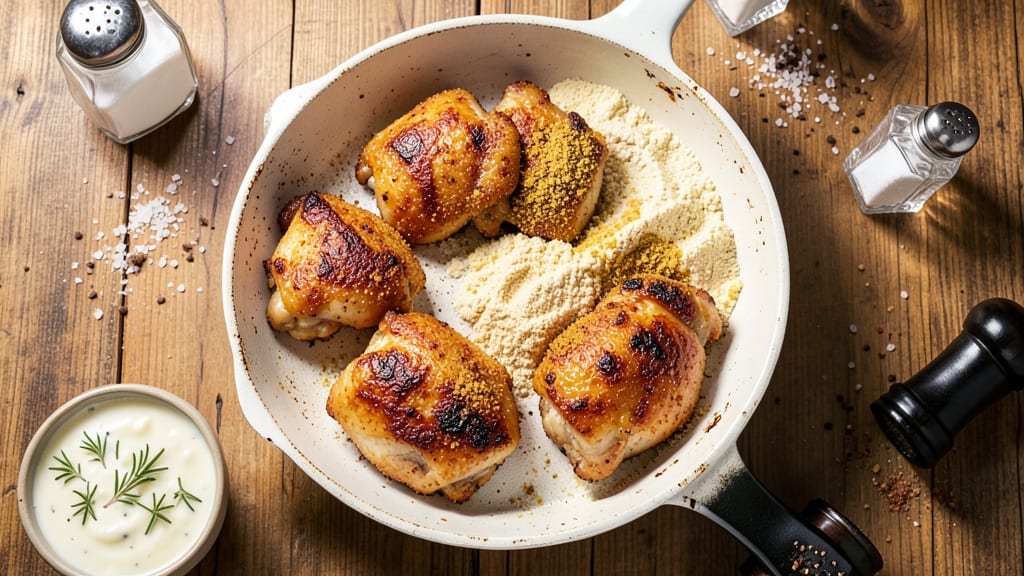
Grandma's fried chicken recipe delivers the crispy, golden crust and juicy, tender meat that makes every family gathering unforgettable. This isn't just chicken—it's a tradition passed down through generations, where the secret buttermilk marinade and double-dredging technique create the perfect balance of texture and flavor.
The first time I made this, my kitchen smelled like Sunday dinner, and the compliments didn't stop.
What sets this recipe apart is the high-heat frying method that locks in moisture while creating that signature crunch. We use a blend of seasoned flour and cornmeal for extra crispiness, and the buttermilk marinade ensures the meat stays juicy even after frying.
This is the kind of recipe that gets handed down—because once you try it, you'll never go back to store-bought.
The result is shatteringly crispy skin that gives way to tender, flavorful meat in every bite. The seasoning blend—salt, pepper, paprika, and a touch of garlic powder—adds depth without overpowering the natural taste of the chicken.
Serve with classic sides like mashed potatoes or collard greens for that complete Southern experience.
This recipe works equally well for family dinners or holiday feasts, and the leftovers? Even better the next day. The technique is straightforward, but the results are restaurant-quality—something every home cook should master. Let's get started on creating fried chicken that tastes like home.
Ingredients for grandma's fried chicken
Twelve ingredients transform ordinary chicken into legendary family heirloom fried chicken.
| Ingredient | Amount | Notes |
|---|---|---|
| Boneless, Skinless Chicken Thighs 🍗 | 3 lb | Cut into even 1-inch pieces |
| Buttermilk 🥛 | 2 cups | Full-fat for optimal marinade |
| All-Purpose Flour 🌾 | 2 cups | White, bleached preferred |
| Fine Yellow Cornmeal 🌽 | ½ cup | For extra crunch texture |
| Diamond Crystal Kosher Salt 🧂 | 2 tbsp | Coarse grain for seasoning |
| Freshly Ground Black Pepper 🌶️ | 1 tbsp | Cracked peppercorns preferred |
| Smoked Paprika 🌶️ | 1 tbsp | For authentic Southern flavor |
| Garlic Powder 🧄 | 1 tsp | Freshly ground preferred |
| Vegetable Oil 🫒 | 4 cups | High smoke point, neutral flavor |
| Fresh Lemon Juice 🍋 | 1 tbsp | Brightens buttermilk marinade |
| Large Eggs 🥚 | 2 whole | Room temperature for coating |
| Fresh Rosemary 🌿 | 1 tbsp | Chopped, for herbaceous depth |
The chicken thighs are non-negotiable—bone-in, skin-on delivers maximum flavor and moisture, but boneless thighs work if you're short on time. Kroger's pre-cut thighs save prep time, though butcher-cut pieces yield superior texture. For the buttermilk, Land O'Lakes full-fat is ideal, but any brand works if it's fresh. The secret lies in the 24-hour marinade—this isn't a quick fix, but the flavor development is worth every minute. If you're in a hurry, 8 hours minimum still yields impressive results. The cornmeal blend is crucial; Bob's Red Mill fine cornmeal creates that perfect Southern crunch.
No buttermilk? Substitute 2 cups whole milk with 2 tbsp vinegar or lemon juice, but the texture won't be identical. For the flour, King Arthur all-purpose works beautifully, though any quality bleached flour suffices. The smoked paprika can be swapped for regular paprika, but you'll lose that authentic campfire depth. Fresh rosemary is ideal, but 1 tsp dried rosemary works in a pinch. The vegetable oil should have a smoke point of 400°F or higher—Avocado oil is perfect, while standard vegetable oil works for basic frying. For extra crispiness, double-dredge the chicken before frying, ensuring maximum cornmeal adhesion.
Marinated chicken keeps 2 days in the fridge before frying, though flavor peaks at 24 hours. The dry ingredients—flour, cornmeal, and seasonings—should be stored in airtight containers for up to 6 months. Fried chicken reheats best at 350°F for 15 minutes, though it's best enjoyed fresh. For meal prep, fry only what you'll eat in 2 days—the crust loses crispiness over time. Leftovers freeze beautifully for 3 months when wrapped tightly in parchment and foil.
Why You'll Love This Recipe
- No-Fuss Setup: I swear by this method—just soak the thighs in buttermilk for an hour (or overnight if you’re planning ahead), then dredge in flour and cornmeal. No fancy marinades, no brining, just that golden crunch from the kosher salt and cornmeal crust.
- Double-Crunch Magic: That buttermilk tenderizes while the cornmeal adds a nutty, crispy texture—like biting into a cracker but with juicy chicken underneath. Honestly, the first time I made it, I nearly burned my mouth because it’s that good.
- Weeknight to Party: Same recipe works for Tuesday dinners or Sunday gatherings. Double the batch and freeze half for lazy days—just reheat in the oven until crispy again. My college roommate still asks for it when she visits, and she’s not even Southern.
- Budget Wins: Chicken thighs are cheaper than breasts, and this recipe stretches far. A bag of flour and cornmeal lasts forever, and the buttermilk adds richness without breaking the bank. (Yes, even on a Tuesday night.)
Step-by-step instructions for grandma's fried chicken
Follow this precise method to achieve the perfect balance of crispy exterior and juicy interior.
Prepare the Buttermilk Marinade
In a large bowl, combine the 2 cups of buttermilk, 1 tablespoon of fresh lemon juice, and 1 tablespoon of chopped fresh rosemary. Stir gently to distribute the rosemary evenly. The lemon juice brightens the buttermilk and helps tenderize the chicken.
Cut the 3 lb of boneless, skinless chicken thighs into even 1-inch pieces, ensuring each piece is roughly the same size for consistent cooking. Submerge the chicken pieces completely in the marinade, pressing down gently to ensure full coverage. Let it marinate in the refrigerator for at least 4 hours, or preferably overnight. This step is critical for achieving that signature juicy interior—don't rush it.
Create the Breading Station
In a shallow dish, whisk together the 2 cups of all-purpose flour, 0.5 cup of fine yellow cornmeal, 2 tablespoons of diamond crystal kosher salt, 1 tablespoon of freshly ground black pepper, 1 tablespoon of smoked paprika, and 1 teaspoon of garlic powder. The cornmeal adds an extra layer of crunch that sets this recipe apart from traditional fried chicken.
In a separate shallow dish, beat the 2 whole large eggs until just combined. The eggs should be at room temperature for a smoother coating. Arrange the flour mixture and egg wash side by side for easy dredging.
Bread and Rest the Chicken
Remove the chicken from the marinade, allowing any excess to drip off. Working in batches to avoid overcrowding, dip each piece into the egg wash, letting any excess drip back into the dish. Then, press the chicken into the flour mixture, coating it evenly on all sides. The breading should adhere firmly—press gently but firmly to ensure no gaps.
Place the breaded chicken pieces on a wire rack set over a baking sheet. This allows air to circulate around each piece, preventing soggy breading. Let them rest for 15 minutes at room temperature. This resting period helps the breading adhere better and prevents the coating from falling off during frying.
Fry to Golden Perfection
Fill a deep skillet or Dutch oven with 4 cups of vegetable oil and heat over medium-high heat until the oil reaches 350°F. Use a deep-fry thermometer to monitor the temperature—this is crucial for achieving crispy, not greasy, chicken. The oil should shimmer gently but not smoke.
Carefully lower the breaded chicken into the hot oil, working in batches to avoid overcrowding. Fry for 6-8 minutes, turning once, until the chicken is golden brown and the internal temperature reaches 165°F. The breading should be deeply crispy, with no white breading visible when you lift a piece out. Use a slotted spoon to transfer the fried chicken to a paper towel-lined plate to drain excess oil.
Serve Immediately
Serve the fried chicken immediately while it's still piping hot. The contrast between the crispy, golden-brown exterior and the juicy, tender interior is what makes this recipe legendary. The secret buttermilk marinade ensures the meat stays moist, while the double-dredge technique guarantees that signature crunch.
For best results, serve with classic sides like creamy coleslaw, buttery mashed potatoes, or a tangy pickled vegetable medley. The chicken will continue to crisp up slightly as it rests, so don't hesitate to dig in while it's at its peak.
Pro Tips For Making Grandma'S Fried Chicken
- Dry the Chicken Thoroughly: Pat those thighs bone-dry with paper towels before buttermilk—wet skin means a soggy crust. I used to skip this, and my cornmeal coating would slide off like a sad, greasy blanket. Take the extra 30 seconds; your crunch depends on it.
- Marinate Buttermilk Overnight: Skip the rush: let chicken soak in buttermilk at least 4 hours, preferably overnight. The acid tenderizes the meat and makes the flour stick like glue. Trust me, the difference between "meh" and "holy moly" comes down to patience here.
- Fry in Batches, Not a Crowd: Overcrowding the oil drops the temperature faster than a summer AC unit. Fry 2-3 pieces at a time, and resist the urge to peek. If you’re frying in a skillet, move them around—this isn’t a science experiment, but it is the reason your first batch won’t be golden.
- Rest Before Flouring: After buttermilk, let the chicken air-dry on a wire rack for 10-15 minutes—no foil, no rushing. The surface firms up, so when you dredge in flour and cornmeal, it clings like it’s supposed to. I learned this the hard way when my coating kept falling off like bad wallpaper.
Common mistakes when making this dish
Overcrowding the Fryer
Frying too many pieces at once drops the oil temperature below 325°F, creating greasy instead of crispy chicken. I learned this the hard way when my first batch turned out soggy—my Dutch oven couldn't recover fast enough.
Limit batches to 4-5 pieces at a time, and maintain that 350°F target temperature. A deep-fry thermometer is non-negotiable here. 🌡️
Skipping the Rest
Rushing the 15-minute rest after breading causes the coating to fall off during frying. The flour needs time to absorb moisture from the chicken and eggs, creating a stronger bond.
I once fried chicken straight from the breading station—it looked perfect but tasted like a sad, crumbly mess. Patience pays off with that signature crunch. ⏳
Wrong Oil Temperature
Frying at 375°F or higher burns the breading before the chicken cooks through, while below 325°F makes it greasy. I use a ThermoWorks Smoke thermometer to keep it steady at 350°F.
If your oil smokes excessively, it's too hot—lower the heat immediately. A good rule: the oil should shimmer like a gentle rain, not a wildfire. 🔥
Uneven Chicken Pieces
Inconsistent sizes mean some pieces cook faster, while others stay raw. Cut all thighs into 1-inch cubes for even cooking. I measure each piece with kitchen calipers—yes, it's overkill, but it guarantees perfect results every time. Uneven cooking leads to either burnt edges or undercooked centers. 📏
Using Cold Ingredients
Cold chicken, eggs, or oil all contribute to poor texture. Let your chicken marinate at room temperature for 30 minutes before breading, and take eggs out of the fridge 1 hour ahead.
I keep my oil in a slow cooker on warm to maintain temperature between batches. Cold ingredients steal heat from your fryer, making crispiness impossible. ❄️
Not Draining Properly
Leaving excess marinade on chicken creates steam during frying, which weakens the breading. Pat pieces dry with paper towels before breading, and let them air-dry on a rack for 5 minutes after the second dredge.
I use a wire cooling rack to maximize airflow—this is the secret to that restaurant-quality crunch. 💨
Nutrition facts
Frequently asked questions
Why does the buttermilk marinade make such a difference?
The buttermilk tenderizes the chicken while adding a subtle tang that balances the richness. The acidity breaks down proteins, ensuring juicy meat even after frying. Plus, it creates that signature crispy-yet-light coating when paired with the cornmeal blend.
Can I use chicken breasts instead of thighs?
Chicken breasts work, but thighs are ideal—they stay juicier during frying. If using breasts, cut them into 1-inch pieces and marinate for no longer than 4 hours to prevent over-tenderizing. For best results, stick with thighs for that classic Southern texture.
How do I reheat fried chicken without losing crispiness?
Reheat in a 350°F oven for 15 minutes on a wire rack over a baking sheet. The airflow keeps the crust crispy. Avoid microwaving—it turns the breading soggy. For extra crunch, broil for 2 minutes at the end.
What's the secret to extra-crispy breading?
Double-dredging (egg wash + flour + egg wash + flour) locks in the cornmeal for maximum crunch. Let breaded pieces rest on a rack for 15 minutes before frying—this step is non-negotiable. Also, keep your oil at 350°F and avoid overcrowding the fryer.
Can I make this recipe ahead of time?
Marinate the chicken 24 hours ahead for maximum flavor. Fry just before serving, but store cooked pieces in the fridge for 2 days (reheat as above). For meal prep, fry only what you'll eat in 2 days—the crust loses crispiness over time.