
Main Courses
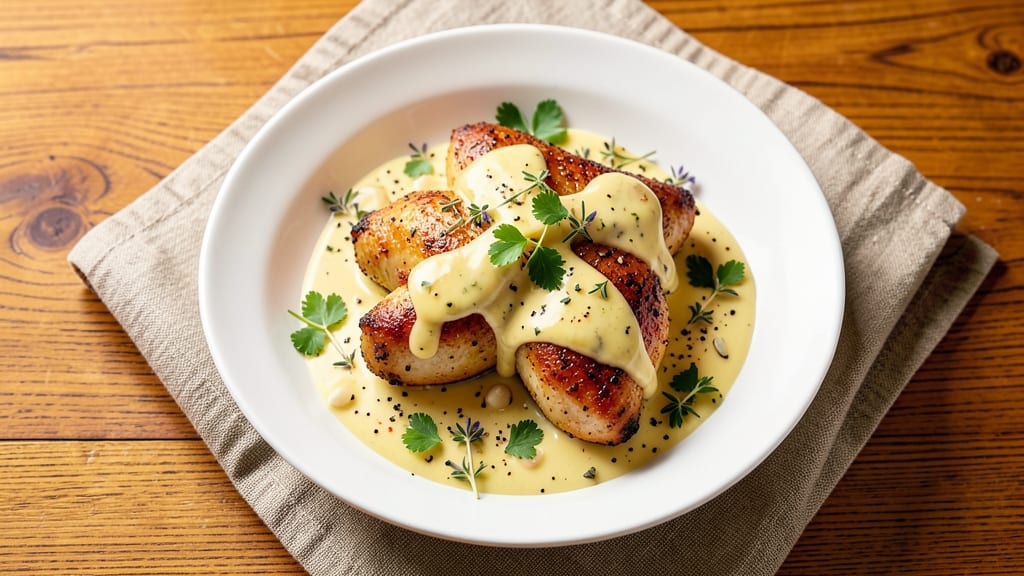
Ina Garten's Chicken Marbella recipe delivers that effortless French-country elegance we all crave—juicy chicken bathed in a bright lemon-herb butter sauce that tastes like a Parisian bistro. The secret lies in marinating the chicken overnight with fresh herbs and garlic, then roasting it until golden and crisp at the edges.
I first made this during a particularly busy week when I needed a dish that felt special without requiring hours in the kitchen.
What makes this recipe truly special is how the flavors come together: tender chicken, aromatic herbs, and a velvety lemon butter sauce that ties everything into harmony. The technique is straightforward—no complicated steps or obscure ingredients—but the results are restaurant-quality.
You'll need just a few fresh herbs, a good-quality butter, and a little patience for the marinating process.
By the time you serve this dish, you'll have perfectly roasted chicken with crispy skin and juicy centers, all smothered in that bright, herby lemon butter sauce. The aroma alone will have everyone gathering at the table, and the first bite delivers that perfect balance of tangy, savory, and fresh.
Serve it with roasted vegetables or crusty bread to soak up every last drop of that delicious sauce.
This recipe scales beautifully for dinner parties or family gatherings, and the leftovers reheat wonderfully. The key to success is letting the chicken marinate overnight, which infuses it with deep flavor. Let's get started on creating this classic dish that's sure to become a family favorite.
Ingredients for ina garten chicken marbella
Herb-infused butter, bright lemon, and tender chicken—this recipe delivers bistro magic with just a few fresh ingredients.
| Ingredient | Amount | Notes |
|---|---|---|
| Chicken Thighs 🍗 | 1 ½ lb | Bone-in, skin-on preferred |
| Unsalted Butter 🧈 | ½ cup | Cold, cut into chunks |
| Fresh Lemon Juice 🍋 | ¼ cup | Freshly squeezed |
| Fresh Thyme Leaves 🌿 | ¼ cup | Stems removed |
| Fresh Parsley Leaves 🌿 | ¼ cup | Chopped finely |
| Garlic Cloves 🧄 | 6 cloves | Peeled, minced |
| Salt 🧂 | 1 ½ tsp | Kosher or sea salt |
| Ground Black Pepper 🌶️ | ½ tsp | Freshly ground |
| Extra-Virgin Olive Oil 🫒 | 2 tbsp | For roasting pan |
| Fresh Rosemary 🌿 | 1 tbsp | Chopped, stems removed |
| Fresh Tarragon 🌿 | 1 tbsp | Chopped, optional but recommended |
| Heavy Cream 🥛 | ¼ cup | For sauce (optional) |
The chicken thighs are non-negotiable here—bone-in and skin-on give you that crispy, golden finish. Trader Joe's or Whole Foods usually have the best quality, but any grocery store's fresh chicken works. Look for thighs with good marbling—those little white streaks mean juicier meat. If you can't find bone-in, skin-on, use boneless thighs and just add a few extra minutes to the roasting time. The herbs? Fresh is a must—dried won't give you that same bright, aromatic punch. I always grab a little extra thyme and parsley because they keep well in the fridge for a week if you wrap them in damp paper towels.
No fresh tarragon? Fresh dill or basil will work in a pinch, though it won't be exactly the same. Short on butter? Use ghee or a mix of butter and olive oil—just keep the total fat at half a cup. The lemon juice is key, so don't use bottled—freshly squeezed is worth the squeeze. For the sauce, heavy cream adds richness, but you can swap it for half-and-half or even whole milk if that's what you've got. The garlic can be roasted with the chicken for a sweeter flavor—just toss a few extra cloves in the pan with the olive oil before adding the chicken.
This marinade keeps in the fridge for up to 24 hours, but overnight is best. The chicken can marinate for 12-24 hours in the fridge before roasting. Leftovers? Reheat gently in the oven—microwaving can make the skin rubbery. The sauce reheats beautifully, so make extra. I always portion mine into small containers—perfect for lunches or quick dinners. The herbs in the sauce will wilt slightly when reheated, but a sprinkle of fresh parsley brings it back to life.
Why You'll Love This Recipe
- One-Pan Magic: I swear by this recipe when I’m too tired to wash dishes. Brown the thighs, toss in butter, lemon, and herbs—then walk away. The pan does all the work while you sip wine (or coffee, no judgment).
- Butter-Lemon Bliss: That rich butter basting with bright lemon juice? It’s like a hug for your taste buds. The thyme and parsley add freshness that cuts through the richness—perfect balance every time.
- Weeknight & Weekend Star: Make it for a lazy Tuesday or impress guests on Saturday—same effort, different vibes. The thighs stay juicy, the flavors sing, and it pairs with anything: roasted veggies, crusty bread, or even a simple salad.
- Budget-Friendly Luxury: Chicken thighs are forgiving and affordable, and a stick of butter goes a long way. Leftovers reheat beautifully, so you’re feeding your family well without breaking the bank. (My kids beg for seconds—proof it works.)
Step-by-step instructions for ina garten's chicken marbella recipe
Let's create this elegant herb-infused dish with juicy chicken and bright lemon butter sauce.
Season and Brown the Chicken Thighs
Pat the 1.5 lb chicken thighs dry with paper towels—this ensures crispy skin. In a small bowl, combine 1.5 tsp salt, 0.5 tsp ground black pepper, 0.25 cup fresh thyme leaves, 0.25 cup fresh parsley leaves, 1 tbsp fresh rosemary, and 1 tbsp fresh tarragon. Rub this mixture all over the chicken, pressing it into the skin so it sticks. Let the chicken sit at room temperature for 15 minutes while you preheat your oven to 425°F.
Heat 2 tbsp extra-virgin olive oil in an oven-safe skillet over medium-high heat. Add the chicken thighs skin-side down and cook undisturbed for 5-6 minutes until the skin is golden brown and crispy. Flip carefully and cook the other side for 3-4 minutes until the internal temperature reaches 160°F. Transfer the skillet to the preheated oven.
Roast and Deglaze the Pan
Roast the chicken thighs in the oven for 20-25 minutes, or until the internal temperature reaches 175°F and the juices run clear when pierced. The skin should be deeply golden and crispy. Remove the chicken from the pan and let it rest on a cutting board for 5 minutes—this keeps it juicy when you slice.
While the chicken rests, place the skillet with the rendered fat over medium heat. Add 6 minced garlic cloves and sauté for 30 seconds until fragrant. Pour in 0.25 cup fresh lemon juice and scrape up all the browned bits from the bottom of the pan. Let this simmer for 2 minutes until slightly reduced and slightly thickened.
Make the Lemon Butter Sauce
Reduce the heat to low and add the 0.5 cup cold unsalted butter, cut into chunks. Stir constantly until the butter melts completely and the sauce becomes glossy and emulsified—this should take about 2 minutes. If the sauce looks too thick, whisk in 1-2 tablespoons of water to loosen it to your desired consistency.
Return the chicken thighs to the skillet, spooning the sauce over the top. Let it warm through for 1-2 minutes, allowing the chicken to absorb the flavors. Taste and adjust seasoning with additional salt or pepper if needed. The sauce should be bright, tangy, and rich with herb notes.
Optional Creamy Finish and Serve
For an extra-luxurious touch, stir in the 0.25 cup heavy cream and simmer for 1 minute until slightly warmed through. The cream adds a velvety texture that balances the acidity of the lemon. If you prefer a lighter sauce, skip this step—both versions are delicious.
Slice the chicken thighs against the grain for tender, even bites. Spoon the lemon butter sauce over the top and serve immediately with crusty bread or roasted vegetables. The contrast of crispy skin, juicy meat, and silky sauce makes this dish truly special.
Pro Tips For Making Ina Garten Chicken Marbella
- Brown the Butter First: This isn’t just a fancy step—it’s where the flavor happens. Melt the unsalted butter over medium heat until it turns golden and smells nutty (about 3-4 minutes). Then add the chicken. The nutty depth from browning carries through the dish, especially when paired with lemon and thyme. I used to skip it, and the sauce always tasted flat.
- Pat Thighs Bone-Dry: No one likes a soggy crust, and that starts with dry chicken. After trimming excess fat, pat the thighs thoroughly with paper towels—even the bone side. Wet skin steams instead of sears, and you’ll end up with a pale, mealy exterior instead of the crispy, golden skin this recipe deserves.
- Don’t Overcrowd the Pan: I learned this the hard way—piling chicken thighs in the pan makes them steam instead of sear. Cook in batches if needed, even if it takes an extra 5 minutes. The Maillard reaction (that’s the fancy name for browning) needs space to work. Overcrowding = bland, greasy chicken. Trust me, it’s worth the wait.
- Zest the Lemon: The recipe calls for juice, but adding a teaspoon of fresh lemon zest to the butter or sauce lifts the whole dish. It’s bright, aromatic, and cuts through the richness of the butter without overpowering the thyme and parsley. I was skeptical until I tried it—now it’s non-negotiable.
Essential equipment for this dish
Oven-Safe Skillet
An oven-safe skillet is your secret weapon for this recipe—it lets you sear the chicken on the stovetop and finish it in the oven without transferring. I use a 12-inch Lodge cast iron skillet because it handles high heat beautifully and retains heat like a dream.
If you don’t have cast iron, a stainless steel skillet from All-Clad works just as well. Make sure it’s oven-safe up to at least 450°F—check the manufacturer’s specs if you’re unsure. 🔥
High-Quality Butter
This isn’t the time to skimp on butter. Use unsalted butter—it gives you better control over seasoning—and make sure it’s cold when you add it to the sauce. I prefer Plugrá European-style butter for its rich flavor, but Land O’Lakes or Organic Valley work in a pinch.
If you’re watching calories, ghee (clarified butter) is a great substitute—it has a higher smoke point and adds a nutty depth. 🧈
Fresh Herbs
Fresh herbs are non-negotiable for this dish. Thyme, parsley, rosemary, and tarragon should all be bright and aromatic—none of that wilted stuff from the back of your fridge. I buy mine from local farmers' markets or well-stocked grocery stores like Whole Foods or Trader Joe’s.
If you’re short on tarragon, fresh dill or basil will work, but the flavor won’t be identical. Pro tip: Store herbs in a jar of water in the fridge like flowers—they’ll stay fresh for up to a week. 🌿
Meat Thermometer
A meat thermometer is the only way to guarantee perfectly cooked chicken. I swear by the ThermoWorks Smoke—it’s precise, durable, and has a handy backlit display. Insert the probe into the thickest part of the thigh, avoiding the bone.
The chicken is done when it hits 175°F internally, ensuring it’s juicy and fully cooked. Without a thermometer, you risk overcooking or undercooking—neither of which does this dish justice. 🌡️
Whisk for Sauce
For that silky, emulsified lemon butter sauce, you’ll need a good-quality whisk. A stainless steel whisk from OXO or Cuisinart does the job perfectly—it cuts through the butter and cream smoothly. If you’re whisking by hand, go slow and steady to avoid breaking the emulsion.
For extra luxury, I sometimes use an immersion blender to blend the sauce right in the pan, but a whisk is more precise for this recipe. ✨
Cutting Board & Sharp Knife
Slice your chicken against the grain for tender bites, and that requires a sharp chef’s knife. I use a Wüsthof Classic—it’s heavy enough to glide through chicken skin but sharp enough to make clean cuts.
Pair it with a wooden cutting board (like John Boos) to protect your knife’s edge. A dull knife is dangerous and makes prep frustrating, so sharpen yours before you start. 🔪
Nutrition facts
Frequently asked questions
Why should I marinate the chicken overnight for this recipe?
The overnight marinade is key to developing deep, layered flavors in the chicken. The herbs, garlic, and lemon juice penetrate the meat thoroughly, creating tender, aromatic chicken that tastes like it's been simmering for hours. Skipping this step results in good chicken, but the flavor won't be as rich or complex. If you're short on time, marinate for at least 4 hours to get some flavor infusion.
Can I use chicken breasts instead of thighs for this recipe?
While you can substitute boneless, skinless chicken breasts, thighs are ideal because they stay juicier during roasting. If using breasts, brine them first for 30 minutes in salted water to prevent dryness, and reduce the oven temperature to 375°F to avoid overcooking. The cooking time will also be shorter—about 15-20 minutes total.
What's the best way to reheat leftovers without drying out the chicken?
To reheat without sacrificing texture, place chicken pieces in a baking dish with a splash of chicken broth or water, cover with foil, and warm in a 350°F oven for 10-15 minutes. The moisture keeps the meat tender while the foil traps steam. Avoid microwaving—it makes the skin rubbery. For the sauce, reheat separately over low heat and finish with fresh herbs.
How can I make this dish ahead of time for a dinner party?
Prep everything in advance: marinate the chicken overnight, chop all herbs, and measure out your sauce ingredients. On the day of serving, sear the chicken and roast it as directed, then let it rest. Keep the sauce ingredients separate until ready to combine—just reheat the pan drippings with garlic and lemon juice, then whisk in the cold butter at the last minute. This ensures the sauce stays bright and emulsified.
What if my sauce breaks or separates when I add the butter?
If the sauce separates, it's usually because the butter melted too quickly. Remove from heat immediately and whisk in 1-2 tablespoons of hot water to re-emulsify. Alternatively, place the pan over low heat and whisk constantly until smooth. For extra insurance, keep the heat at low when adding butter and whisk vigorously. The sauce should come together like a silky emulsion.