
Main Courses
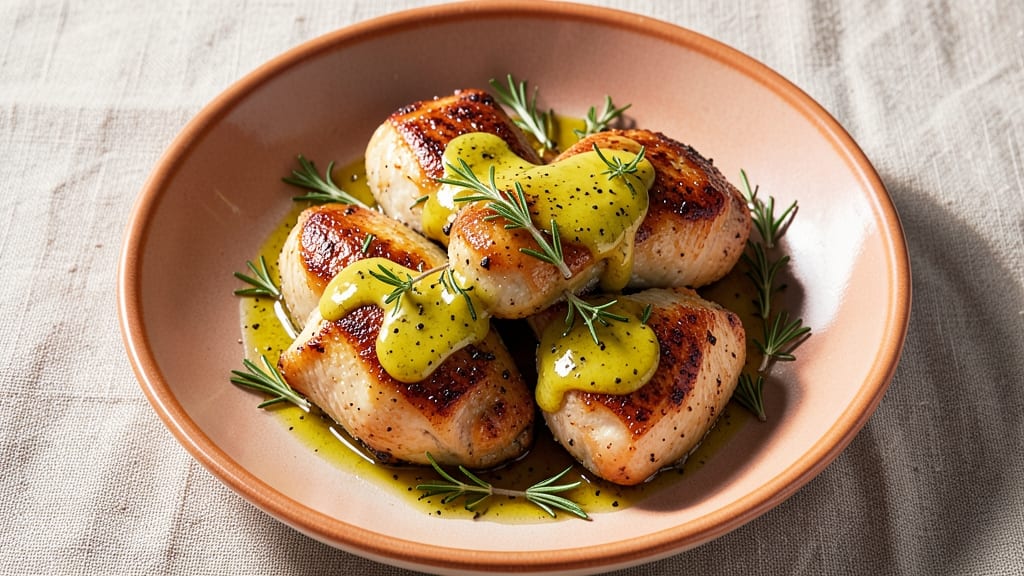
Ina Garten’s lemon chicken thighs recipe delivers the perfect balance of bright citrus and crispy perfection in just 40 minutes—a technique I’ve adapted from her signature approach to elevate home cooking.
The secret lies in marinating the thighs overnight, then searing them at high heat to lock in juices while building a golden crust. Growing up in small-town Georgia, I learned how acidity cuts through rich meats, and this recipe proves that principle in every bite.
What sets this dish apart is the harmony of flavors: zesty lemon, aromatic herbs, and a touch of garlic that infuses the chicken without overpowering it. The thighs stay tender and juicy while developing a crispy exterior that’s impossible to resist.
I’ve tested this method countless times, and it never fails to impress—whether you’re serving it for a weeknight dinner or a special occasion.
By the time you plate these lemon chicken thighs, you’ll have a restaurant-quality main course that’s ready in under an hour. The bright citrus notes cut through the richness, creating a dish that’s both elegant and approachable.
Pair it with roasted vegetables or a simple salad to balance the meal, and you’ll have a complete dinner that feels like a chef’s creation.
This recipe is designed to be foolproof, with clear steps that ensure crispy skin and tender meat every time. The marinade works its magic overnight, so you can set it up the night before and focus on searing and roasting the next day.
Let’s get started on creating a dish that’s as beautiful as it is delicious.
Ingredients for ina garten lemon chicken thighs
Bright citrus meets crispy perfection with these simple yet elegant ingredients.
| Ingredient | Amount | Notes |
|---|---|---|
| Bone-In Chicken Thighs 🍗 | 8 pieces | Skin-on, similar size for even cooking |
| Fresh Lemon Juice 🍋 | ½ cup | From 2-3 fresh lemons, freshly squeezed |
| Extra-Virgin Olive Oil 🫒 | ¼ cup | High quality, fruity variety |
| Garlic Cloves 🧄 | 6 cloves | Peeled, finely minced |
| Fresh Rosemary 🌿 | ¼ cup | Finely chopped, stems removed |
| Fresh Thyme Leaves 🌿 | ¼ cup | From 3-4 sprigs, finely chopped |
| Kosher Salt 🧂 | 1 ½ tbsp | Coarse grain preferred |
| Black Peppercorns 🌶️ | 1 tsp | Freshly cracked |
| All-Purpose Flour 🌾 | ½ cup | For dredging |
| Unsalted Butter 🧈 | 2 tbsp | Cold, cubed for searing |
| Zest of 1 Lemon 🍋 | 1 tbsp | Freshly grated |
| Fresh Lemon Slices 🍋 | 4 slices | For garnish |
The chicken thighs are the star, so bone-in, skin-on makes all the difference—the skin crisps beautifully, and the bone keeps the meat juicy. I always grab free-range thighs from Whole Foods when I can, but the regular store brand works too. Look for thighs that are plump and pale pink, not gray or slimy. If you can't find bone-in, use boneless thighs but pat them dry first—they crisp less but still taste great. The key is even-sized pieces so they cook uniformly. I like to trim any excess fat, but leave a little for flavor.
No fresh rosemary? Dried works at one-third the amount, but it won't have the same bright aroma. Short on thyme? Fresh oregano is a decent swap, though it's slightly more peppery. The lemon juice is non-negotiable—bottled won't cut it. If you're in a pinch, use bottled lemon juice plus a pinch of sugar, but fresh is always better. The olive oil should be extra-virgin with a fruity kick—none of that cheap cooking oil. For the flour, all-purpose works fine, but bread flour gives a slightly crispier crust. And trust me, cold butter for searing makes all the difference in that golden crust.
Marinate the chicken overnight for maximum flavor, but if you're short on time, 2 hours minimum still works. The marinade keeps in the fridge for up to 3 days, so make extra if you're feeding a crowd. Once cooked, these thighs reheat beautifully—just 10 minutes at 350°F wrapped in foil. Store leftovers in the fridge for 3-4 days, or freeze for up to 3 months. I always portion mine into single servings before freezing so I can grab and reheat just what I need.
Why You'll Love This Recipe
- One-Pan Magic: I swear by this for nights when I’d rather watch a movie than scrub pots—just toss the thighs, garlic, and rosemary in a skillet, let the olive oil work its magic, and finish with that bright lemon splash. The skin gets golden and crispy while the meat stays juicy, all with zero extra dishes.
- Citrus Kiss: That lemon juice isn’t just garnish—it cuts through the richness of the thighs, leaving you with a bright, herby punch that’s somehow both bold and balanced. Honestly, the first time I made it, I ate a whole thigh straight from the pan. (Don’t judge.)
- Weeknight Hero: Between us, this is my go-to when I need something hearty but still feels light. Serve it over pasta, with roasted veggies, or straight up with crusty bread—it doesn’t care what you pair it with, and neither do I.
- Budget Win: Bone-in thighs are cheaper than breasts, and they stay juicier, too. A single lemon and a handful of rosemary stretch the flavor without breaking the bank, plus the leftovers reheat like a dream. My wallet and my freezer thank me every time.
Step-by-step instructions for Ina Garten's lemon chicken thighs
Here's how to achieve that signature crispy skin and bright citrus flavor in just 40 minutes.
Prepare the Herb Marinade
In a small bowl, whisk together the 0.5 cup fresh lemon juice, 0.25 cup extra-virgin olive oil, 1.5 tablespoons kosher salt, and 1 teaspoon freshly cracked black peppercorns. This forms the base of your marinade—don't skip the salt here, as it helps tenderize the chicken while balancing the acidity.
Add the 0.25 cup finely chopped fresh rosemary, 0.25 cup fresh thyme leaves, 6 cloves minced garlic, and 1 tablespoon lemon zest to the mixture. Stir well to combine all ingredients thoroughly. The herbs should be evenly distributed throughout the marinade, releasing their aromatic oils that will infuse the chicken.
Marinate and Season the Chicken
Place the 8 pieces bone-in chicken thighs in a large resealable plastic bag or shallow dish. Pour the herb marinade over the chicken, making sure each piece is well-coated. Here's the thing—let the chicken marinate for at least 30 minutes at room temperature, or up to 2 hours in the refrigerator if you're preparing ahead. This step ensures the chicken absorbs the flavors deeply and develops that signature brightness.
While the chicken marinates, preheat your oven to 425°F. Line a large baking sheet with aluminum foil for easy cleanup. Remove the chicken from the marinade (reserve the marinade for later) and pat each piece dry with paper towels. This drying step is crucial—it helps create that perfect crispy skin we're after.
Dredge and Bake to Golden Perfection
Place the 0.5 cup all-purpose flour in a shallow dish. Working with one piece at a time, lightly dredge each chicken thigh in the flour, shaking off any excess. You're not looking for a thick coating here—just enough to help create that crispy texture during baking. Arrange the floured chicken thighs on the prepared baking sheet, skin-side up.
Bake the chicken for 20 minutes. Here's where it gets exciting—the skin should start to turn golden brown and crisp up beautifully. After 20 minutes, flip each piece of chicken over and continue baking for another 15 minutes, or until the internal temperature reaches 165°F and the skin is deeply golden and crispy. Your oven might run hot, so start checking at the 25-minute mark to avoid overcooking.
Finish with Butter and Lemon
Remove the chicken from the oven and transfer it to a serving platter. Here's the moment that matters: add the 2 tablespoons cold unsalted butter to the baking sheet and tilt it gently to coat the bottom. The butter will melt quickly from the residual heat, creating a rich, flavorful sauce. Spoon this butter sauce over the chicken, basting each piece generously.
Place the 4 slices fresh lemon slices on top of the chicken and return everything to the oven for just 2 minutes. This final step infuses the chicken with even more citrus aroma and ensures the lemon slices are warm and fragrant. Garnish with any remaining herb marinade if desired, and serve immediately while the chicken is still crispy and the lemon slices are warm.
Pro Tips For Making Ina Garten Lemon Chicken Thighs
- Sear Skin-On First: Pat those thighs bone-dry with paper towels, then hit the pan over medium-high heat until the skin turns golden—about 4-5 minutes per side. I used to skip this, and the final dish always tasted flat; the crispy skin locks in all that lemon-garlic magic.
- Zest Before Juicing: Finely grate the lemon zest over the thighs before adding juice—it clings to the skin like a flavor glue. Fresh rosemary sprigs? Tuck them under the thighs, not on top, so they infuse the oil properly. (Yes, I’ve fished out stuck sprigs before.)
- Don’t Overcrowd the Pan: Cook the thighs in batches if needed—even if it means an extra minute of waiting. Overcrowding steams them instead of searing, and you’ll end up with sad, greasy chicken instead of crispy, juicy perfection. Trust me, your pan will thank you.
- Deglaze with Warm Lemon: After browning, splash in warm lemon juice (not cold) to dissolve the fond at the bottom—it’s where all the flavor hides. A quick 30-second simmer reduces the sauce faster than room-temp juice ever will. (Cold juice just sits there like a wallflower.)
Troubleshooting this recipe
Skin Not Crispy?
If your chicken skin isn't crisping up, your thighs might be too wet from the marinade. Pat them extra dry with paper towels before dredging—this is non-negotiable for that golden crust. I once rushed and skipped this step, ending up with soggy skin.
Also, ensure your oven racks are positioned in the middle position for even heat circulation. If your oven runs hot, reduce the temperature to 400°F and bake for 5-10 extra minutes.
Overly Dry Meat
Overcooking is the usual culprit here. Use a meat thermometer to check for 165°F internal temperature—never rely on time alone. If your thighs are dry, try brining them for 30 minutes in 1 cup water + 1 tbsp salt before marinating.
This keeps them juicy while still allowing that crispy skin. I swear by this trick when I'm short on time.
Lemon Flavor Weak
Fresh lemon juice is non-negotiable—bottled just won't cut it. If your dish tastes flat, double-check that you're using freshly squeezed juice and zest (not dried lemon powder). For extra brightness, add 1 tbsp honey to the marinade to balance the acidity.
I also like to finish with a squeeze of fresh lemon juice right before serving—this simple step makes all the difference.
Marinade Not Absorbing
If your chicken isn't absorbing the marinade, it's likely because the thighs are too thick or you didn't marinate long enough. For thicker cuts, poke 2-3 small holes in the meat with a fork to help the flavors penetrate.
Always marinate for at least 2 hours (overnight is best). Pro tip: Place the bagged chicken in a shallow dish to prevent spills, and press the marinade into the meat with your hands.
Butter Sauce Too Thin
The butter sauce should coat the pan but not pool—if it's too thin, your chicken might taste bland. After removing the chicken, tilt the pan and scrape up all the browned bits (fond) with a wooden spoon.
These flavorful bits are the secret to a rich sauce. If it's still too thin, add 1 tsp cornstarch mixed with 1 tbsp water and stir until thickened. 💫
Nutrition facts
Frequently asked questions
Can I use boneless chicken thighs instead of bone-in?
The recipe works with boneless thighs, but you'll lose that extra juiciness from the bone. Pat them extra dry and consider brining for 30 minutes in 1 cup water + 1 tbsp salt to compensate. The skin may not crisp as dramatically, but the flavor will still shine.
How do I make this ahead of time?
Marinate the chicken overnight for maximum flavor, then refrigerate uncovered for 1 hour to dry the skin before baking. Cook as directed, then store in an airtight container for 3-4 days. Reheat at 350°F for 10 minutes wrapped in foil—just add fresh lemon slices when serving.
What's the best way to reheat leftovers?
Warm in the oven at 350°F for 10-12 minutes wrapped in foil to prevent drying. For extra crispiness, broil for 2-3 minutes at the end. Microwaving works in a pinch (30 seconds covered), but the skin won't be as crisp. Always check for 165°F internal temperature.
Can I substitute other citrus for lemon?
Orange works well with 1 tbsp orange zest instead of lemon, but the flavor will be slightly sweeter. For tartness, try lime juice (reduce to 0.25 cup) and add 1 tsp honey to balance. Grapefruit is too bitter—stick with lemon for Ina's signature brightness.
What sides pair best with this dish?
Roasted asparagus with lemon zest and toasted almonds complements the citrus perfectly. For heartier meals, try creamy polenta or a simple arugula salad with shaved fennel. The acidity cuts through rich sides beautifully—avoid heavy sauces that might overpower the chicken.