
Main Courses
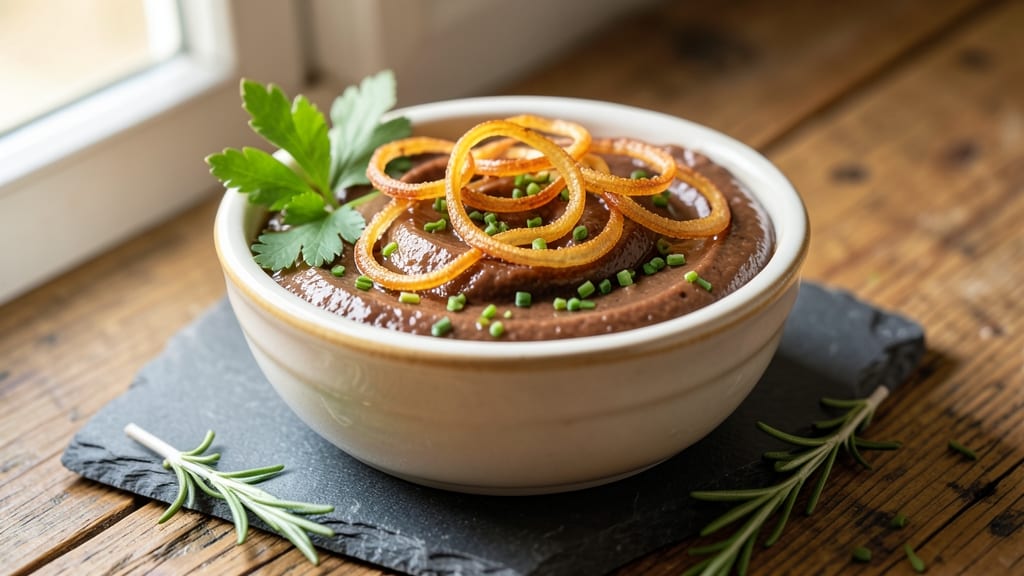
There’s something magical in the joy of cooking this chicken liver pâté recipe—transforming humble offal into a silky, herb-infused spread that elevates any gathering, with restaurant-quality results at home.
Growing up in small-town Georgia, I learned how offal could become centerpiece dishes when handled with care, and this pâté is no exception. The key lies in rendering the fat properly and balancing rich liver flavors with bright herbs and aromatics.
This method ensures a creamy, velvety texture without requiring a food processor—just a sharp knife and patience. We'll poach the livers gently to preserve their delicate flavor, then blend them with rendered fat, shallots, and fresh herbs until perfectly smooth.
The result is a spread so luxurious it belongs on charcuterie boards or elegant appetizer platters.
Safety comes first: always handle raw liver carefully to avoid cross-contamination, and work with clean surfaces. The reward? A pâté that's rich yet refined, with just the right balance of earthy liver and bright herbs.
Serve it with toasted baguette slices or crackers, garnished with fresh chives or a drizzle of high-quality olive oil for that final touch of sophistication.
Perfect for holiday gatherings or intimate dinner parties, this pâté keeps beautifully in the refrigerator for up to 5 days, making it ideal for meal prep. The technique scales easily—whether you're serving 6 or 12 guests, the process remains the same.
Let's create something truly special that'll impress even the most discerning palates.
Ingredients for joy of cooking chicken liver pate
Transform humble offal into velvety elegance with these carefully selected ingredients for restaurant-worthy chicken liver pâté.
| Ingredient | Amount | Notes |
|---|---|---|
| Chicken Livers 🍗 | 1 ½ lb | Fresh, trimmed of connective tissue |
| Unsalted Butter 🧈 | ½ cup | Cold, cut into small cubes |
| Shallots 🧅 | ½ cup | Finely minced, about 4-5 medium |
| Fresh Parsley 🌿 | ¼ cup | Stems removed, loosely packed |
| Fresh Tarragon 🌿 | 2 tbsp | Chopped, fine stems included |
| Fresh Chives 🌿 | 2 tbsp | Finely chopped, for garnish |
| Garlic Cloves 🧄 | 2 cloves | Minced, about 1 tsp total |
| Diamond Crystal Kosher Salt 🧂 | 1 tsp | Fine grain preferred |
| Freshly Ground Black Pepper 🌶️ | ½ tsp | Coarse grind preferred |
| Extra-Virgin Olive Oil 🫒 | 2 tbsp | High quality, fruity |
| Heavy Cream 🥛 | ¼ cup | Cold, for blending |
| Baguette 🍞 | 1 whole | Crusty, for serving |
| Lemon Zest 🍋 | 1 tsp | Freshly grated |
The quality of chicken livers is non-negotiable—Whole Foods or trusted butchers are your best sources for fresh, bright red livers without any greenish tinge. Trim all connective tissue and blood vessels meticulously, as they can make the pâté bitter. For the butter, European-style unsalted renders the most flavor, and always keep it cold until rendering. Shallots should be vibrant and firm, not sprouting or soft. Fresh herbs like tarragon and parsley are essential for brightness; Penzeys or local farmers markets often carry the highest quality. The tarragon in particular should smell intensely anise-like—if it's faint, it's past its prime.
No fresh tarragon? Dried tarragon at half the amount works, though it lacks the same depth. Substitute parsley with cilantro or chervil if needed, but the flavor profile will shift slightly. For the olive oil, California extra-virgin brands like Corto or Lucini add fruity notes that complement the liver beautifully. The heavy cream should be cold and full-fat—none of that lightened nonsense. If you're serving this at a gathering, consider making a double batch; the pâté freezes exceptionally well. For the baguette, French-style with a thick crust is ideal, but any crusty bread will do in a pinch.
This pâté must be stored in an airtight container with a thin layer of olive oil poured over the top to preserve freshness and prevent a skin from forming. It keeps for 5 days refrigerated and 3 months frozen, though texture may soften slightly after thawing. For serving, toast the baguette slices until golden and crisp, then arrange the pâté on a platter with garnishes of fresh chives and a drizzle of olive oil. The pâté can be served at room temperature, so plan ahead to let it sit for 30 minutes before serving for optimal texture.
Why You'll Love This Recipe
- No-Fuss Ingredients: I keep a bag of chicken livers in the freezer just for this—no special shopping trips. Shallots and butter are pantry staples, and the parsley and tarragon? Even my herb garden’s stragglers work.
- Rich, Earthy Magic: That first bite of creamy butter and crispy shallots with the livers? It’s like a hug in food form. The tarragon adds this bright, anise-like kick that makes it taste fancy without trying.
- Party or Pantry: Slather it on crusty bread for a charcuterie spread or dollop it onto toasted baguette slices for a quick lunch. Honestly, I’ve even used it as a dip for veggies when I’m too tired to cook.
- Budget Luxury: A pound of chicken livers feeds four people for less than a fancy appetizer at a restaurant. And the leftovers? They keep for days—perfect for when I forget to eat and suddenly remember I’m starving.
Step-by-step instructions for silky herb-infused chicken liver pâté
Mastering this velvety spread requires precision and patience—every element must come together harmoniously.
Prepare the Chicken Livers for Cooking
Begin by trimming any connective tissue or silver skin from the 1.5 lb chicken livers using a sharp knife. This ensures a silky texture rather than a chewy bite. Rinse the livers under cold water and pat them completely dry with paper towels—moisture is the enemy of even cooking.
Place the trimmed livers in a bowl and season generously with 1 tsp diamond crystal kosher salt and 0.5 tsp freshly ground black pepper. Let them sit at room temperature for 15 minutes while you prepare the aromatics. This step allows the seasoning to penetrate evenly, creating a well-balanced flavor profile.
Sauté Aromatics in Butter Until Golden
In a large skillet, melt 0.5 cup unsalted butter over medium heat until it foams but doesn't brown. Add the 0.5 cup finely minced shallots and cook for 5-6 minutes until they soften and turn translucent. Here's the thing—don't rush this step. You're building flavor, not just cooking vegetables.
Add the 2 cloves minced garlic cloves and cook for an additional 30 seconds until fragrant. The garlic should perfume the kitchen without coloring—this indicates it's ready. Remove the skillet from heat and set it aside for now. The residual heat will keep the aromatics warm while you prepare the next components.
Cook the Chicken Livers Until Just Done
Return the skillet to medium heat and add the seasoned livers in a single layer. Cook undisturbed for 3-4 minutes until the undersides develop a golden crust. Flip carefully and cook another 2-3 minutes until the livers reach 145°F internally. They should still retain a slight pink center—they'll finish cooking in the oven.
Transfer the cooked livers to a bowl and let them cool slightly. Real talk: Overcooking here will turn your pâté grainy. The goal is tender, not well-done. While they cool, prepare your baking dish by greasing it lightly with 2 tbsp extra-virgin olive oil—this prevents sticking during the next step.
Process the Pâté to Perfection
Once the livers have cooled enough to handle (about 5 minutes), transfer them to a food processor along with the 0.25 cup fresh parsley, 2 tbsp fresh tarragon, 2 tbsp fresh chives, and 1 tsp lemon zest. Pulse until the herbs are finely chopped but not puréed—you want visible texture to complement the silky base.
Add the 0.25 cup cold heavy cream and process until smooth. Scrape down the sides as needed. Here's the moment that matters: With the processor running, drizzle in the reserved butter and shallot mixture from Step 2. This creates an emulsified texture that's rich yet light. Process until completely smooth, about 1-2 minutes. The result should be velvety with a glossy sheen.
Finish and Serve with Crusty Baguette
Transfer the pâté to a serving dish and smooth the top with a spatula. Cover with plastic wrap pressed directly onto the surface to prevent a skin from forming. Chill in the refrigerator for at least 4 hours—this allows flavors to meld and the texture to set properly. For best results, serve it cold.
Slice the 1 whole baguette into ½-inch thick pieces and toast lightly if desired. Spread the pâté generously on each slice and garnish with an additional sprinkle of fresh chives for color and freshness. Each bite should deliver a harmonious blend of herby brightness, rich butter, and tender liver—elegant yet approachable.
Pro Tips For Making Joy Of Cooking Chicken Liver Pate
- Sear Livers Fast: Hit the chicken livers with a screaming-hot pan—no oil needed—and cook them just 1-2 minutes per side until they’re browned but still pink inside. Overcooking turns them rubbery, and that’s a flavor crime you don’t want to commit.
- Soak Livers First: Rinse the livers in cold water, then soak them in milk or lemon water for 10 minutes to remove any bitter blood. I learned this the hard way—skipping it makes the final pate taste like iron, and nobody wants that.
- Sweat Shallots Slow: Cook the shallots on low heat with a pinch of salt until they’re translucent and completely dry—no browning, just soft. If you rush this, they’ll turn mushy and muddy the pate’s texture. Patience here pays off.
- Blend in Stages: Pulse the cooked livers and butter in the food processor first, then add the herbs and shallots in small batches. Blending everything at once risks turning the pate into a paste—you want it smooth but still silky, not gluey.
Pro cooking tips for perfect results
Fat Rendering Mastery
The secret to a silky pâté lies in rendering the liver fat properly. Start by melting 0.5 cup unsalted butter in a skillet over medium heat until it foams, then add the livers in a single layer.
Let them cook undisturbed for 3-4 minutes—this renders the natural fat and creates a golden crust. I use a Lodge cast iron skillet because it retains heat evenly and prevents sticking. 🔥
Temperature Control
Chicken livers cook fast, so precision matters. Aim for an internal temperature of 145°F—they should still have a slight pink center. Overcooking turns them dry and grainy. I use a ThermoWorks Smoke thermometer to monitor temperature.
If you don’t have one, cut into a liver—it should be just barely firm but still tender. Let them rest for 5 minutes before processing.
Emulsification Tricks
The magic happens when blending. Add 0.25 cup cold heavy cream to the food processor first—this helps emulsify the fat. With the processor running, slowly drizzle in the reserved butter and shallot mixture.
This creates a stable emulsion that prevents separation. I pulse in 30-second bursts to avoid overheating the motor. The result? A velvety texture that’s rich but not greasy.
Herb Freshness Check
Fresh herbs make all the difference. Tarragon should smell intensely anise-like, and parsley should be vibrant green. If your herbs lack aroma, they’re past their prime. I buy mine from Charleston Market or Penzeys for the freshest selection.
For extra brightness, add 1 tsp lemon zest at the end—it cuts through the richness beautifully. 🌿
Chilling for Texture
Never skip the 4-hour chilling time—this is non-negotiable. The pâté needs time to set properly, allowing flavors to meld and the texture to firm up. I place my serving dish on a bed of ice in the fridge for the first 30 minutes, then let it chill normally.
This prevents a skin from forming and ensures a smooth, spreadable consistency.
Serving Like a Pro
Toast your baguette slices until golden and crisp—this contrast makes the pâté shine. For garnish, I sprinkle fresh chives and a drizzle of California extra-virgin olive oil (like Corto) right before serving.
The oil adds a final layer of flavor and makes the pâté look restaurant-worthy. Serve immediately after chilling for the best texture and presentation. ✨
Nutrition facts
Frequently asked questions
Can I substitute chicken livers with another type of offal?
While chicken livers work beautifully, you can use duck livers for a richer, more luxurious texture. Just reduce the cooking time slightly since duck livers cook faster. Beef or pork livers are too strong in flavor and will overpower the delicate herb profile. For a vegetarian alternative, try blending mushrooms with cashew cream and herbs.
Why does my pâté turn out grainy instead of silky?
Graininess usually means the livers were overcooked or not processed long enough. Always cook livers to 145°F with a slight pink center, and let them cool completely before blending. Process in short bursts (30 seconds) while scraping down the sides to ensure even emulsification. Cold heavy cream helps create that velvety texture—never skip it!
How can I make this pâté ahead of time?
This pâté actually tastes better the next day! Prepare it up to 3 days ahead and store in an airtight container with a thin layer of olive oil on top. For longer storage, freeze for up to 3 months. Thaw overnight in the fridge and let it sit at room temperature for 30 minutes before serving to restore the perfect spreadable consistency.
What's the best way to serve this beyond bread?
Get creative! Spread on toasted baguette slices, stuff into endive leaves, or use as a filling for crepes. For a sophisticated touch, serve with blistered shishito peppers or crispy prosciutto. The pâté also pairs beautifully with roasted vegetables or as a topping for buttery mashed potatoes—just drizzle with extra olive oil before serving.
Can I add wine or brandy to enhance the flavor?
For extra depth, deglaze the pan with 2 tbsp dry white wine after cooking the livers, then reduce it by half before adding to the food processor. A splash of brandy (about 1 tbsp) works too—just warm it gently with the butter and shallots. Either addition should be done carefully to avoid overpowering the delicate liver flavor.