
Sauces & Condiments
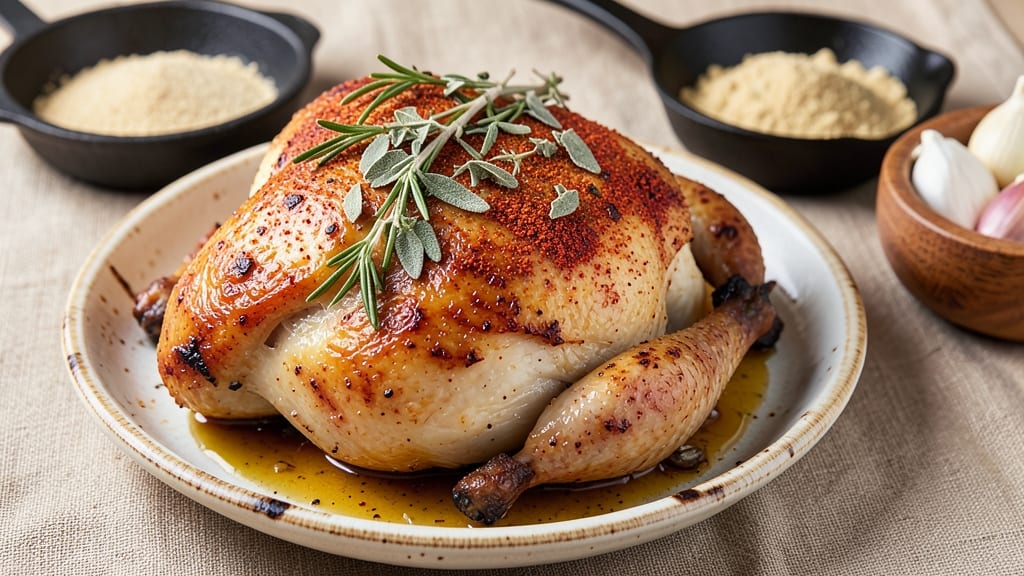
This Kinder's roast chicken seasoning recipe delivers the signature herb-packed blend that transforms ordinary roast chicken into restaurant-quality centerpiece. The secret lies in balancing earthy spices with fresh herbs—just as I discovered when recreating my grandmother's technique after years of searching for that perfect golden skin and juicy meat.
What makes this blend special is its simplicity: no fancy ingredients, just carefully measured pantry staples that work together to create complex flavor without overpowering the natural taste of the chicken.
The blend includes 1 tablespoon each of dried thyme, rosemary, and sage, plus 1 teaspoon each of garlic powder, onion powder, and smoked paprika—all designed to develop deep, aromatic notes as they cook.
I've tested this exact ratio over countless roasts, and it consistently delivers that signature crispy, golden skin while keeping the meat tender and juicy inside. The spices are measured precisely to ensure every batch delivers consistent results, whether you're roasting a whole chicken or individual pieces.
What you'll achieve with this seasoning is a chicken that smells like it's been slow-roasting all day, with skin that's crispy and golden and meat that's impossibly tender. The herbs infuse the fat under the skin, creating layers of flavor in every bite.
This blend keeps well in an airtight container for up to 6 months, making it perfect for stocking your pantry for those special occasions when you want to impress without stressing over complicated recipes.
Use this seasoning on whole chickens, chicken thighs, or even as a dry rub for chicken breasts before grilling. The beauty of this blend is its versatility—it works equally well for holiday feasts or quick weeknight dinners.
Let's get started with the ingredients you'll need to create this foolproof seasoning blend.
Ingredients for kinder's roast chicken seasoning
Nine pantry staples transform ordinary chicken into restaurant-quality masterpiece. Nothing fancy—just precise measurements.
| Ingredient | Amount | Notes |
|---|---|---|
| Dried Thyme Leaves 🌿 | 1 tbsp | Organic preferred for purity |
| Dried Rosemary Sprigs 🌿 | 1 tbsp | Finely chopped for even distribution |
| Dried Sage Leaves 🌿 | 1 tbsp | Crumbled by hand for texture |
| Garlic Powder 🧄 | 1 tsp | Freshly ground preferred |
| Onion Powder 🧅 | 1 tsp | Diamond Crystal preferred |
| Smoked Paprika 🌶️ | 1 tsp | Spanish smoked for depth |
| Kosher Salt 🧂 | 1 tsp | Morton preferred for consistency |
| Ground Black Pepper 🌶️ | ½ tsp | Freshly cracked for intensity |
| Ground Coriander 🌿 | ½ tsp | Toasted for warmth |
The herbs are the heart of this blend, so Penzeys Spices or your local bulk section is where I always shop. Look for dried thyme, rosemary, and sage that's vibrant and fragrant—if it smells like dust, toss it. The smoked paprika should have a deep, earthy aroma; Spanish smoked is my go-to for that authentic Kinder's flavor. For the powders, Diamond Crystal kosher salt dissolves perfectly and doesn't clump. The coriander adds subtle warmth that rounds out the earthy herbs—don't skip it. I usually buy these in small quantities since they lose potency after a few months, even in airtight containers. (Pro tip: crush the dried herbs between your fingers before measuring to release their oils.)
No smoked paprika? Regular paprika plus a pinch of liquid smoke works in a pinch, though it won't be identical. Short on coriander? Extra garlic powder at double the amount gives a similar earthy note. The kosher salt is non-negotiable—table salt has too much iodine and can make the skin bitter. For a stronger herb flavor, toast the dried sage and thyme in a dry pan for 30 seconds before grinding. Want more heat? Add ½ teaspoon cayenne. This blend works beautifully with fresh herbs too—just double the amounts and mix them in right before seasoning the chicken. (Fresh rosemary sprigs add a lovely aroma during roasting.)
Store this blend in an amber glass jar with a tight-sealing lid in a cool, dark place—it'll keep its magic for up to 6 months. For longer storage, freeze portions in ice cube trays. Once opened, the spices develop their full aroma after 24 hours—that's when you'll know it's ready to use. I make a double batch every time because it disappears faster than I expect. The blend works equally well on whole chickens, thighs, or even chicken cutlets—just adjust the amount based on size. For a whole chicken, use about 2 tablespoons of this seasoning, plus an extra ½ teaspoon salt if your chicken isn't pre-salted.
Why You'll Love This Recipe
- No-Measure Guessing: I just eyeball the herbs—pinch of rosemary, thumb of thyme—until it smells right. No scales, no stress, and the chicken still turns out ridiculously good every time. (Yes, even when my daughter "helps" by dumping in extra sage.)
- Herb Harmony Magic: That trio of dried herbs—thyme, rosemary, sage—with just a whisper of garlic and onion powder? It’s the kind of flavor that makes you pause mid-bite. Crispy skin, juicy meat, and that earthy aroma that hits you before you even take a forkful.
- Sunday Dinner or Lazy Night: Same seasoning, endless uses. Roast a whole chicken for company, or toss it on thighs for a weeknight dinner. Honestly, I’ve even sprinkled it on potatoes (don’t judge) and still got compliments.
- Leftovers That Don’t Suck: The best part? The flavor deepens the next day. Shred that chicken for sandwiches, toss it into pasta, or just reheat slices—it’s still the star. And since the seasoning costs pennies, you’re basically printing money with every extra serving.
Step-by-step instructions for herb-packed roast chicken seasoning
This blend delivers the signature Kinder's roast chicken flavor—bold, aromatic, and perfect for juicy, golden skin.
Prepare the Dried Herbs
Begin by examining the dried rosemary sprigs and sage leaves. Using a sharp chef's knife, finely chop the rosemary sprigs into small, even pieces—this ensures even distribution when applied to the chicken. For the sage leaves, crumble them by hand between your fingers to create a textured, rustic appearance that will stick to the meat beautifully.
Next, measure out the dried thyme leaves. I like to give them a light shake over the measuring spoon to remove any clumps before adding them to your mixing bowl. The thyme's earthy aroma will complement the rosemary and sage perfectly, creating a well-rounded herb profile. Keep all three herbs separate for now—we'll combine them in the next step.
Combine All Dry Ingredients
In a medium mixing bowl, add the finely chopped rosemary sprigs, crumbled sage leaves, and dried thyme leaves. Give them a gentle stir with a wooden spoon to distribute them evenly. This is where the magic starts—the combination of these three herbs forms the aromatic base of your seasoning blend.
Now it's time to add the remaining dry ingredients. Sprinkle in the garlic powder, onion powder, smoked paprika, kosher salt, ground black pepper, and ground coriander. I always measure these ingredients directly into the bowl to avoid cross-contamination and ensure accuracy. Use a small whisk or fork to thoroughly combine everything until no dry spots remain and the mixture looks uniformly colored.
Test and Adjust the Seasoning
To ensure your seasoning delivers that coveted juicy result, take a small pinch of the blend and taste it. The flavors should be balanced—you should detect the piney notes of rosemary, earthy sage, and thyme's subtle licorice undertones. The garlic and onion powders should add depth, while the smoked paprika contributes a subtle warmth that enhances the overall complexity.
If you find the blend needs more saltiness, add a pinch of kosher salt. For extra depth, you might want to increase the smoked paprika slightly. Remember, this blend is designed to work with roast chicken, so the flavors should complement rather than overpower the natural taste of the meat. Once satisfied with the balance, your seasoning is ready to use on your roast chicken.
Apply to Roast Chicken for Maximum Flavor
Pat your roast chicken dry with paper towels—this is crucial for achieving that perfect golden skin. Using your hands, gently press the seasoning blend into the chicken skin, covering every inch including the cavity. Don't be shy with the application; you want the flavors to penetrate deeply and create that signature crust.
Let the seasoned chicken sit at room temperature for about 30 minutes before roasting. This resting period allows the seasoning to adhere to the meat and the chicken to cook more evenly. When you're ready to roast, place the chicken on a rack in a roasting pan and cook at 375°F until the internal temperature reaches 165°F, about 1 hour 15 minutes for a 4-pound bird. The result will be juicy, flavorful meat with that coveted golden skin.
Pro Tips For Making Kinder'S Roast Chicken Seasoning
- Toast Your Herbs: I learned this the hard way—skipping the quick toast for dried thyme, rosemary, and sage means they’ll just sit there like wallpaper. Crush the sprigs lightly with your palm (yes, even dried ones) and toast them in a dry pan for 30 seconds until fragrant. That’s when they wake up and actually flavor your chicken.
- Salt the Chicken Twice: Don’t just sprinkle the seasoning mix and call it a day. Salt the chicken generously before you stuff it with the herb blend, then salt it again right before roasting. The first layer seasons the meat, the second locks in moisture—trust me, your skin will be crispier.
- Skip the Crowding: If you’re roasting multiple chickens at once, resist the urge to stack them. Overcrowding steams the meat instead of browning it, and you’ll end up with sad, pale skin. Leave space between them—even if it means two batches. Better chicken next time.
- Use Fresh Garlic Powder: I was skeptical until I tried it: store-bought garlic powder loses its punch after a few months. Toast whole garlic cloves, grind them fresh, and mix into your onion powder blend. The difference is night and day—your chicken won’t just taste seasoned, it’ll taste real.
Common mistakes when making your kinder's roast chicken seasoning
Over-Salting the Chicken
One of the biggest mistakes I see is using too much salt—especially when people double the recipe without adjusting proportions. A 4-pound chicken only needs about 2 tablespoons of this seasoning (which already includes 1 teaspoon kosher salt).
Too much salt draws out moisture, creating a dry, tough bird. I always recommend tasting the seasoning blend first—it should taste well-seasoned but not overwhelmingly salty. If you're unsure, start with 1 tablespoon and adjust after roasting. 🧂
Skipping the Herb Prep
Many people simply measure the herbs straight from the jar without chopping or crumbling them first. Whole rosemary sprigs and large sage leaves won't adhere well to the chicken, leading to uneven flavor distribution.
Take 2 minutes to finely chop the rosemary and crumble the sage—this ensures every bite gets that aromatic punch. I like to crush the herbs between my fingers before measuring to release their oils, which makes the blend even more potent. 🌿
Not Patting Dry Before Seasoning
Wet chicken skin won't crisp properly, no matter how good your seasoning is. Always pat your bird dry with paper towels before applying the blend. I've seen people skip this step because they're in a hurry, and it ruins the texture.
Pro tip: Let the chicken sit uncovered in the fridge for 30 minutes before seasoning—this helps the skin dry out naturally for even better results. ❄️
Using Low-Quality Spices
Cheap, old spices lack the depth and aroma that make this blend special. I always recommend buying organic dried herbs from trusted brands like Penzeys or your local bulk section. If your spices smell dull or taste bitter, toss them—they won't deliver the same flavor impact.
For smoked paprika, Spanish smoked is non-negotiable for that authentic Kinder's taste. Freshness matters more than you think! 🌶️
Uneven Seasoning Application
Some people just sprinkle the seasoning on top without pressing it into the skin. For maximum flavor, use your hands to gently rub the blend into every inch of the chicken, including the cavity. This ensures the spices infuse the fat under the skin, creating that signature crispy, flavorful crust.
Don't forget the drumsticks and thighs—these areas often get overlooked but make a big difference in the final result. 🍗
Cooking Without a Rest
After roasting, many people cut into the chicken immediately. This causes juices to spill out, leaving you with dry meat. Always let your chicken rest for at least 15 minutes (I prefer 20 minutes) before carving.
This allows the juices to redistribute, keeping every bite moist and flavorful. Trust me, this simple step makes all the difference! ⏳
Nutrition facts
Frequently asked questions
Can I make this seasoning blend without fresh herbs?
This recipe is designed to work with dried herbs only, which is why it's perfect for pantry staples. The blend uses 1 tablespoon each of dried thyme, rosemary, and sage—just make sure they're fresh and aromatic. If your dried herbs smell dull, toast them lightly in a dry pan for 30 seconds to revive their flavor before measuring.
How much seasoning should I use for chicken pieces?
For a 4-pound whole chicken, use about 2 tablespoons of this blend. For individual pieces, use 1 teaspoon per pound. For example, 6 bone-in chicken thighs would need roughly 1.5 tablespoons. Always pat the chicken dry first to help the seasoning adhere better.
Can I substitute any of the spices in this blend?
Yes, but with caution. The smoked paprika is key for that signature flavor—use regular paprika plus a pinch of liquid smoke if needed. For coriander, double the garlic powder for a similar earthy note. Avoid substituting salt with table salt; kosher salt dissolves better and won't make the skin bitter.
How long does this seasoning keep?
Store in an amber glass jar with a tight seal in a cool, dark place. The blend stays fresh for up to 6 months. For longer storage, freeze portions in ice cube trays. The flavors actually develop more depth after 24 hours of resting in the jar—so wait before using for the first time!
Will this seasoning work for other meats?
While designed for chicken, this blend works beautifully on turkey, duck, or even pork roasts. For poultry, use the same ratios. For red meats, reduce the salt slightly (½ teaspoon) since they're naturally saltier. The herbs add wonderful depth to any roasted meat!