
Side Dishes
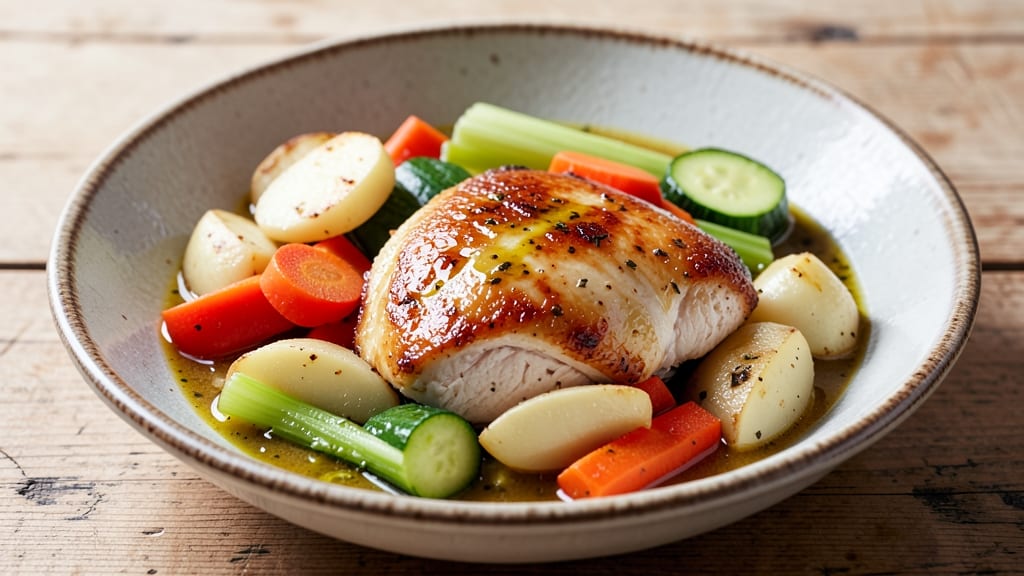
Transforming a simple Knorr Chicken and Garden Vegetables recipe into a one-pot meal prep masterpiece starts with the right balance of flavors and textures. This method elevates the classic dish by incorporating fresh ingredients and a foolproof technique that ensures every bite is packed with savory depth and vibrant vegetables.
The beauty lies in its simplicity—minimal prep, one pot, and a result that feels restaurant-quality without the fuss.
What sets this recipe apart is the customizable approach to seasoning and vegetables, allowing you to tailor it to your taste or dietary needs. Whether you're meal prepping for the week or whipping up dinner in under 30 minutes, the process is streamlined yet flexible.
The Knorr flavor base provides a solid foundation, while added herbs and fresh vegetables bring freshness and complexity. The dish delivers tender chicken, perfectly cooked vegetables, and a rich, aromatic broth—all in one pot.
By the end, you'll have a hearty, balanced meal that's nutritious, satisfying, and effortless to prepare. The one-pot method ensures minimal cleanup, making it ideal for busy schedules or lazy weeknights.
Each component—juicy chicken, tender vegetables, and flavorful broth—comes together seamlessly, creating a dish that's both comforting and impressive. Ready to master this meal prep game-changer?
This recipe isn’t just about convenience; it’s about elevating a pantry staple into something extraordinary. Whether you're feeding a family or meal prepping for yourself, the results are consistently delicious and adaptable. Let’s dive into the steps that turn this simple concept into a standout dish every time.
Ingredients for knorr chicken and garden vegetables
Transform simple pantry staples into a restaurant-quality one-pot meal with these essential ingredients.
| Ingredient | Amount | Notes |
|---|---|---|
| Knorr Chicken and Garden Vegetables Soup Mix 🍲 | 1 package | Standard 32-ounce package |
| Boneless, Skinless Chicken Breast 🍗 | 1 ½ lb | Cut into 1-inch cubes |
| Carrots 🥕 | 1 lb | Peeled, cut into 1-inch chunks |
| Russet Potatoes 🥔 | 1 ½ lb | Peeled, cut into 1-inch cubes |
| Celery Stalks 🧅 | 3 whole | Cut into 1-inch pieces |
| Zucchini 🥒 | 1 lb | Cut into 1-inch chunks |
| Yellow Onion 🧅 | 1 whole | Diced, medium size |
| Garlic Cloves 🧄 | 4 cloves | Minced, fresh preferred |
| Fresh Parsley 🌿 | ¼ cup | Chopped, for garnish |
| Extra-Virgin Olive Oil 🫒 | 2 tbsp | For sautéing vegetables |
| Chicken Broth 💧 | 4 cups | Low-sodium preferred |
| Fresh Thyme 🌿 | 1 tbsp | Leaves only, chopped |
| Bay Leaves 🌿 | 2 whole | Fresh preferred |
| Salt 🧂 | 1 tsp | Diamond Crystal kosher salt |
| Black Pepper 🌶️ | ½ tsp | Freshly ground |
The Knorr soup mix serves as the flavor foundation here, but don't rely on it entirely. For optimal results, supplement with fresh herbs—the thyme and bay leaves add depth that pre-mixed seasonings can't replicate. Whole Foods or local markets often carry high-quality dried herbs in small quantities, perfect for this recipe. The chicken breast should be uniformly cut into 1-inch cubes to ensure even cooking. Opt for free-range chicken if possible; it holds up better during the longer simmering process and delivers superior flavor. For the vegetables, prioritize fresh, firm produce—carrots should snap when bent, potatoes should feel dense, and zucchini should have a vibrant green hue.
No fresh thyme? Dried thyme at one-third the amount works in a pinch, but fresh is ideal. Substituting chicken broth? Low-sodium or homemade ensures the dish doesn't become overly salty. The Knorr mix can be swapped for homemade vegetable broth if you prefer a lighter base, though the seasoning profile will differ slightly. For the vegetables, feel free to customize: swap zucchini for green beans or bell peppers, or add frozen peas during the last 5 minutes of cooking. The olive oil is crucial for sautéing—use a high-quality extra-virgin to prevent burning and enhance flavor. If you're meal prepping, consider doubling the recipe and storing components separately before assembly.
This dish reheats beautifully—simmer on the stove for 5-7 minutes or microwave for 2-3 minutes with a splash of water. Store leftovers in an airtight container in the fridge for up to 5 days or freeze for 3 months. The vegetables will soften further upon reheating, so adjust cooking times slightly if you prefer them firmer initially. For meal prep, portion into individual containers with a small amount of broth to keep the chicken and vegetables moist. Garnish with fresh parsley just before serving to maintain vibrant color and freshness—it also adds a bright contrast to the rich, savory broth.
Why You'll Love This Recipe
- Soup in Minutes: I swear, this recipe feels like cheating—literally dump the Knorr mix into boiling water, toss in the chicken and chopped veggies, and 20 minutes later, you’ve got a steaming bowl. No measuring, no fuss, no stress.
- Umami Bomb: That Knorr mix isn’t just flavor—it’s a punch of garlic, onion, and herbs that turns simple chicken and carrots into something dangerously addictive. The potatoes soak up all the goodness, and the celery adds that bright crunch.
- Leftovers for Days: Between us, I make this on Sunday and eat it all week. The flavors only get better as the broth reduces, and it reheats like a dream. Pack it for lunch or freeze portions—no one will guess it’s this easy.
- Budget Dinner Hero: Skinless chicken breast stretches further than you’d think when simmered with the Knorr mix, and seasonal potatoes and carrots keep costs low. Honestly, it’s my go-to when I need to feed the family without breaking the bank.
Step-by-step instructions for Knorr chicken and garden vegetables recipe
This one-pot method delivers restaurant-quality soup with minimal cleanup and maximum flavor.
Sauté Vegetables and Chicken for Depth of Flavor
Heat the 2 tablespoons extra-virgin olive oil in a large Dutch oven or heavy pot over medium-high heat. Add the 1 whole yellow onion, 3 whole celery stalks, and 1 pound carrots, cooking for 5-6 minutes until the vegetables soften and begin to caramelize slightly at the edges. This step builds foundational flavor through the Maillard reaction.
Push the vegetables to one side of the pot and add the 1.5 pounds boneless, skinless chicken breast cut into 1-inch cubes. Cook for 4-5 minutes, stirring occasionally, until the chicken develops a light golden crust on all sides. The chicken should remain slightly pink in the center at this stage—it will finish cooking later in the liquid. Remove the chicken and set aside temporarily.
Build the Aromatic Base
To the same pot, add the 4 cloves minced garlic and 1 tablespoon fresh thyme, cooking for 30 seconds until fragrant. Immediately add the 1 pound zucchini cut into 1-inch chunks and the 1.5 pounds russet potatoes cut into 1-inch cubes. Stir to combine with the caramelized vegetables, then pour in the 4 cups chicken broth. Bring the mixture to a gentle boil over medium-high heat, then reduce to a simmer.
Add the 2 whole bay leaves, 1 teaspoon salt, and 0.5 teaspoon black pepper. Return the chicken to the pot, ensuring it's fully submerged in the broth. Here's the thing—simmering at this stage allows the chicken to cook gently while the vegetables absorb the broth's flavor. The broth should cover all ingredients by at least 1 inch—if not, add ½ cup water to maintain proper liquid levels.
Incorporate the Knorr Mix and Simmer
Sprinkle the 1 package Knorr Chicken and Garden Vegetables Soup Mix evenly over the simmering mixture, stirring gently to dissolve. The mix contains seasonings and stabilizers that will enhance the natural flavors of the vegetables and chicken. Let the soup simmer uncovered for 25-30 minutes over medium-low heat, stirring occasionally to prevent sticking.
You'll notice the vegetables softening and the broth thickening slightly as it reduces. The chicken should reach an internal temperature of 165°F—use a meat thermometer to check the thickest piece. If the broth reduces too much before the chicken is fully cooked, add ¼ cup water at a time to maintain the proper consistency. The goal is tender chicken and perfectly cooked vegetables without a watery finish.
Finish and Garnish for Presentation
Once the chicken is fully cooked and the vegetables are fork-tender, remove the 2 whole bay leaves and discard them. Taste the soup and adjust seasoning if needed—you may need an additional ¼ teaspoon salt or pinch of black pepper to balance the flavors. The Knorr mix provides a solid base, but fresh herbs and acidity can elevate it further.
To serve, ladle the soup into bowls and garnish each portion with ¼ cup chopped fresh parsley. The parsley adds a bright, fresh contrast to the rich, savory broth. For an extra touch, you can also drizzle a small amount of extra-virgin olive oil over each serving to enhance texture and add a subtle peppery note. This one-pot method ensures every bite is packed with flavor while keeping preparation simple and efficient.
Pro Tips For Making Knorr Chicken And Garden Vegetables
- Brown the Chicken First: That pale, rubbery chicken in your soup? Skip it. Sear the chicken breasts in a dry pan for 3-4 minutes per side before adding broth—it stays juicy and adds depth. I used to skip this, and the chicken always turned out bland and waterlogged.
- Dice Potatoes Evenly: Big chunks stay tough; tiny bits turn to mush. Cut potatoes into 1-inch cubes—big enough to hold shape but small enough to cook through. I learned this after serving a bowl with a single overcooked potato that tasted like glue.
- Simmer, Don’t Boil: The mix calls for "boiling," but trust me—gentle simmering keeps the veggies intact and the broth from getting cloudy. Once it reaches a rolling boil, drop the heat to medium-low and let it bubble softly. Your soup will taste cleaner, and the celery won’t turn to mush.
- Add Carrots Last: Toss carrots in 10 minutes before serving—they’ll stay crisp with a bright color instead of turning into a sad, limp pile. I used to add them at the start, and they’d always end up overcooked and dull. Ten minutes makes all the difference.
Common mistakes when making this recipe
Overcooking the Chicken
One of the most common mistakes is letting the chicken overcook during the simmering phase. Since you're starting with raw chicken breast, it’s easy to forget it’s still cooking in the broth. Use a meat thermometer to check the internal temperature—it should reach 165°F but not exceed it.
Overcooked chicken becomes dry and tough, ruining the dish’s tenderness. I’ve found that removing the chicken 5°F below the target temp and letting it rest in the broth helps it reach the perfect texture. 🌡️
Skipping the Sauté Step
The sautéing phase is where the magic happens—it builds depth of flavor through the Maillard reaction. Skipping this step means your soup will taste flat and one-dimensional. Don’t rush it: let the onions, celery, and carrots caramelize for 5-6 minutes before adding the chicken.
This step is non-negotiable for developing that rich, savory base. I’ve seen recipes where this was omitted, and the difference in flavor is night and day. 🔥
Ignoring the Knorr Mix Ratio
Treating the Knorr mix as an afterthought can lead to uneven seasoning. The package provides a balanced blend of herbs and spices, but using too much can make the dish taste overly salty or artificial.
Stick to the recommended amount—1 package per 4 cups of broth—and adjust with fresh herbs like thyme or parsley afterward. I’ve learned the hard way that adding extra mix doesn’t always mean better flavor; sometimes less is more. 💡
Not Adjusting Liquid Levels
Many cooks forget to monitor the broth’s consistency during simmering. If the liquid reduces too much before the chicken is fully cooked, the dish can turn out dry or the chicken may not finish cooking.
Keep an eye on the pot and add ¼ cup water as needed to maintain at least 1 inch of liquid above the ingredients. This ensures tender chicken and properly cooked vegetables without a watery finish.
I’ve had to rescue soups by adding extra broth or water mid-cook—don’t let that happen to you. ⚡
Using Low-Quality Chicken Broth
The broth is the soul of this dish, so using a low-quality or high-sodium broth can ruin the balance of flavors. Opt for low-sodium or homemade chicken broth to control the seasoning.
Store-bought broths often contain preservatives that can make the dish taste artificial. I’ve noticed that even a small amount of high-quality broth elevates the entire soup—it’s worth the investment. 💫
Forgetting to Rest the Chicken
After removing the chicken from the pot, it’s tempting to slice and serve immediately. However, letting it rest for 5-10 minutes allows the juices to redistribute, keeping the meat moist and tender. Skipping this step results in dry, stringy chicken.
I’ve seen this mistake turn a perfectly cooked dish into something disappointing—don’t let that happen. The extra wait time is worth it for juicy, flavorful bites. 💪
Nutrition facts
Frequently asked questions
Can I use frozen vegetables instead of fresh?
Frozen vegetables work perfectly for this recipe, especially if you're short on time. Use 1 cup frozen peas or 12 oz frozen mixed vegetables instead of fresh—just add them during the last 5 minutes of cooking to prevent mushiness. Frozen veggies retain their nutrients and save you chopping time.
How do I adjust the recipe for a slow cooker?
For a slow cooker, combine all ingredients (including the Knorr mix) and cook on low for 6-7 hours or high for 3-4 hours. The longer cook time tenderizes the chicken and vegetables naturally. Add ½ cup water if the mixture looks too thick during cooking. The slow cooker method is ideal for hands-off meal prep!
Is this recipe gluten-free or dairy-free?
The Knorr Chicken and Garden Vegetables mix is typically gluten-free and dairy-free, but always check the package label for updates. The recipe itself uses no gluten-containing ingredients, making it safe for most dietary restrictions. For extra assurance, verify the broth and Knorr mix are certified gluten-free if needed.
Can I make this dish spicier?
Add ½ teaspoon smoked paprika or ¼ teaspoon cayenne pepper when sautéing the vegetables, or stir in 1 tablespoon hot sauce at the end. For a smoky kick, include 1 teaspoon chipotle powder with the Knorr mix. Adjust to taste and serve with extra hot sauce if desired.
What if I don’t have a Dutch oven?
Any large, deep pot with a lid will work—even a 6-quart stockpot or heavy-bottomed saucepan. Just ensure it has enough capacity to accommodate all ingredients without overflowing. A non-stick pot can also help prevent sticking, especially when sautéing. The key is maintaining even heat distribution for consistent cooking.