
Main Courses
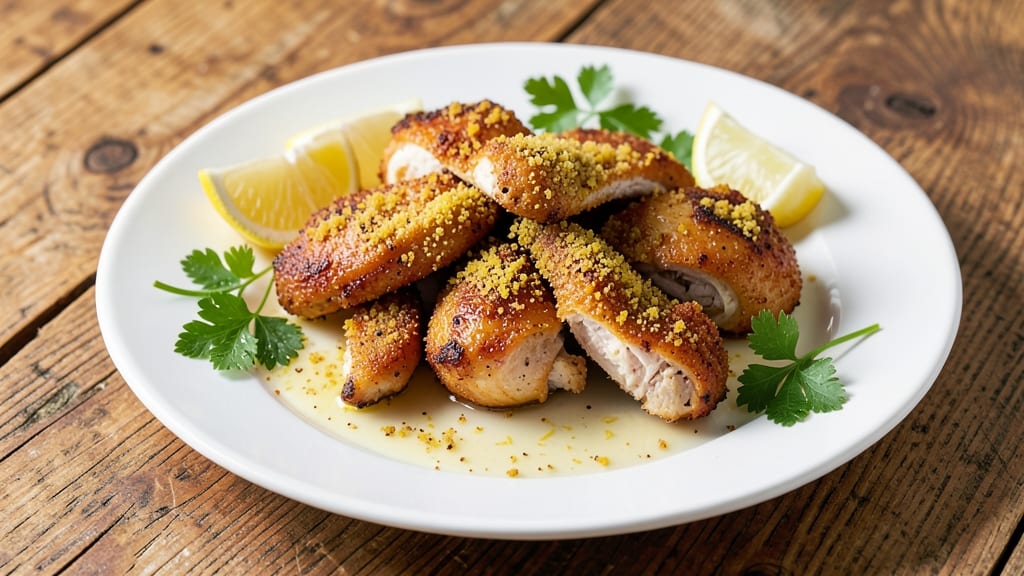
Lawry’s lemon pepper seasoning transforms ordinary chicken into crispy, zesty bites that take just 30 minutes to perfect—no fancy techniques required. Growing up in small-town Georgia, I learned that the right seasoning could turn simple ingredients into unforgettable meals, and this recipe proves it every time.
The bright citrus notes cut through the richness of the chicken, while the black pepper adds just the right kick.
This method works for pan-seared, baked, or grilled chicken, giving you flexibility for any weeknight or weekend gathering. The secret lies in marinating the chicken for at least 15 minutes (or up to 2 hours for deeper flavor), ensuring the seasoning clings to every bite.
Whether you're feeding a family or hosting a dinner party, this recipe delivers restaurant-quality results with minimal effort.
By the time you serve it, you’ll have golden, crispy chicken with a perfect balance of tangy and spicy flavors. The skin will be crackling, the meat tender, and the aroma will fill your kitchen with an inviting warmth.
Pair it with roasted vegetables or a fresh salad for a complete, well-rounded meal that’s as satisfying as it is delicious.
Once you master this technique, you’ll never settle for bland chicken again. The beauty of this recipe is its simplicity—just a few ingredients, a little time, and the magic of Lawry’s lemon pepper seasoning. Let’s get cooking!
Ingredients for lawry's lemon pepper seasoning chicken
Just six pantry staples and Lawry's lemon pepper seasoning—no fancy ingredients, just bold flavors.
| Ingredient | Amount | Notes |
|---|---|---|
| Boneless, Skinless Chicken Thighs 🍗 | 1 ½ lb | Cut into even bite-sized pieces |
| Lawry's Lemon Pepper Seasoning 🧂 | 3 tbsp | Original blend preferred |
| All-Purpose Flour 🌾 | ½ cup | For dredging chicken pieces |
| Extra-Virgin Olive Oil 🫒 | ¼ cup | High-quality for crispiness |
| Large Eggs 🥚 | 1 whole | Beaten for egg wash |
| Unsalted Butter 🧈 | 2 tbsp | Cold for pan-searing |
| Fresh Lemon Juice 🍋 | 1 tbsp | Brightens flavor profile |
| Garlic Cloves 🧄 | 2 cloves | Minced for extra depth |
| Diamond Crystal Kosher Salt 🧂 | ½ tsp | Adjusts seasoning balance |
| Ground Black Pepper 🌶️ | ½ tsp | Freshly cracked for heat |
| Fresh Parsley 🌿 | ¼ cup | Chopped for garnish (optional) |
The chicken thighs are the star here—thicker cuts stay juicy while crisping up beautifully. I always grab bone-in, skin-on from the butcher section at Whole Foods if I'm feeling fancy, but Trader Joe's has great pre-cut pieces too. Look for thighs with good marbling—that fat keeps them tender. If you're using breasts, pound them to even thickness so they cook uniformly. Costco sells huge packs that freeze perfectly for future meals. The Lawry's seasoning is non-negotiable for that signature tangy-peppery kick—don't substitute with generic lemon pepper blends unless you're desperate.
No Lawry's? Mix 1 tbsp lemon zest + 1 tbsp black pepper + 1 tsp garlic powder + 1 tsp salt in a pinch. The flour is crucial for that crispy crust—King Arthur brand works best for me, but any all-purpose will do. Fresh out of parsley? Dried parsley at half the amount works, but you'll lose that pop of color. The olive oil should be something you'd drizzle on bread—California Avocado Ranch is my go-to for its fruity notes. For extra zing, add 1 tsp lemon zest to the flour mixture before dredging. And if you're feeling bold, swap 1 tbsp of the seasoning for smoked paprika for a BBQ twist.
This chicken reheats like a dream—5 minutes at 350°F in the oven brings it back to crispy perfection. Store leftovers in an airtight container for 3 days in the fridge or 3 months frozen. I like to portion mine into single-serving containers so lunches are ready to grab. The seasoned flour mixture keeps dry for 2 weeks in a sealed container, so make extra for future batches. For serving, I always drizzle with extra lemon juice and sprinkle with fresh parsley—worth the 30-second garnish for that restaurant-quality touch.
Why You'll Love This Recipe
- Pantry Magic: I swear by this recipe because it uses stuff I already have—no special trips to the store. Flour, eggs, olive oil, and Lawry’s Lemon Pepper? That’s it. The thighs stay juicy while the seasoning clings like a flavor hug, and honestly? It’s the kind of meal that makes me feel like I’ve outsmarted takeout.
- Crispy Without Effort: Between us, I’ve tried fancy breading methods that ended in soggy disappointment. Not this time. The flour-and-egg wash gives these thighs a golden, shatter-crisp crust that’s addictive—especially when the lemon pepper cuts through the richness. It’s the kind of texture that makes you pause mid-bite.
- Game for Any Night: This recipe is my secret weapon for busy weeks. Double the batch for meal prep, toss it in wraps for lunch, or serve it over rice for dinner. Even my picky teen devours it—(yes, even on a Tuesday night)—because the bright, zesty kick makes it feel special without requiring a 3-course menu.
- Budget-Friendly Hero: Chicken thighs are forgiving and affordable, and this recipe stretches them further than you’d think. Leftovers reheat beautifully, and the seasoning stretches across multiple meals. I’ll be real: I’ve made this for under $10 total and still felt like I’d treated myself—no guilt, just flavor.
Step-by-step instructions for lemon pepper chicken with crispy bites
Here's how to transform simple chicken thighs into restaurant-quality bites with a perfect crispy crust.
Prepare the Chicken for Maximum Crispiness
Pat the 1.5 lb boneless, skinless chicken thighs thoroughly dry with paper towels—this is critical for developing that golden crust. I like to cut them into even 1-inch bite-sized pieces for consistent cooking. Arrange them on a plate and season generously with 3 tbsp Lawry's Lemon Pepper Seasoning, pressing it into the meat so it adheres well. Here's the thing—don't skip the drying step. Any moisture left on the surface will steam the chicken instead of letting it develop that beautiful crispy texture we're after.
Let the seasoned chicken rest for 10 minutes at room temperature while you prepare the next components. This brief rest ensures even cooking throughout each piece. I've found that room-temperature chicken cooks more evenly and develops a better crust than cold chicken straight from the fridge.
Create the Perfect Breading Station
In a shallow bowl, whisk together 1 whole large egg until completely smooth. The egg wash creates an adhesive layer that helps the flour coating stick to the chicken. In another bowl, combine 0.5 cup all-purpose flour with 0.5 tsp diamond crystal kosher salt and 0.5 tsp ground black pepper. This dry mixture will form our crispy exterior.
Real talk: I like to use a third bowl for the 0.25 cup extra-virgin olive oil that we'll use for frying. The reason we keep everything separate is to prevent the flour from getting oily before it hits the hot pan. Dip each seasoned chicken piece into the beaten egg, letting any excess drip off, then immediately coat it thoroughly in the flour mixture. Press gently to ensure complete coverage—this creates that satisfying crunch we're aiming for.
Pan-Sear for Crispy Perfection
Heat 2 tbsp unsalted butter and 0.25 cup extra-virgin olive oil in a large skillet over medium-high heat until the butter foams and the oil shimmers—this should take about 2 minutes. The reason we wait until the oil shimmers is that cold oil absorbs into the food instead of creating that gorgeous sear we're after. Add the floured chicken pieces in a single layer, being careful not to overcrowd the pan.
Cook undisturbed for 3-4 minutes until the undersides develop a deep golden brown color. You'll know it's ready to flip when the chicken releases easily from the pan with a gentle nudge. Flip carefully and cook the other side for another 3-4 minutes until golden brown and cooked through to an internal temperature of 165°F. The key here is patience—rushing will result in uneven cooking and less crispiness.
Finish with Zesty Flavor and Fresh Herbs
Remove the chicken from the pan and transfer it to a paper towel-lined plate to drain any excess oil. This step prevents the chicken from becoming greasy. Return the pan to medium heat and add the 2 cloves minced garlic cloves, cooking for 30 seconds until fragrant. Then pour in 1 tbsp fresh lemon juice and let it simmer for 1 minute to brighten the flavors.
Toss the cooked chicken in the lemon-garlic mixture, coating each piece evenly. Garnish with 0.25 cup chopped fresh parsley for a pop of color and freshness. The lemon juice cuts through the richness of the chicken and butter, creating that perfect balance of flavors. Serve immediately while the chicken is still crispy and the lemon is vibrant.
Pro Tips For Making Lawry'S Lemon Pepper Seasoning Chicken
- SEAR IN BATCHES: Chicken thighs release fat like a teenager at a buffet—crowd the pan, and you’re frying in grease instead of searing. Cook half first, then set aside while you finish the second batch. The pan stays hot, the crust forms properly, and you won’t be standing there mopping up oil with a paper towel.
- DREDGE LIKE YOU MEAN IT: Flour is your friend here, but don’t just toss the thighs in like you’re dusting for fingerprints. Pat them dry first, then press each piece into the flour so it sticks—especially the ends. This isn’t a light coating; it’s armor. Skip this, and your seasoning will slide off like a bad life decision.
- DON’T SKIP THE REST: You fried those thighs golden, now what? Let them sit on a wire rack for 5 minutes before serving—yes, even if you’re starving. This keeps them from getting soggy when you plate them, and the juices redistribute so every bite is tender, not just the center. (I know, I know, but trust the process.)
- SHAKES, NOT STIRS: After dredging, give the chicken a good shake in the egg wash—like you’re trying to break an egg record. Then, let the excess drip off before frying. Stirring just turns your coating into a gloppy mess. A quick, firm shake ensures a crisp crust without the drama. (And yes, this applies to the flour step too.)
Troubleshooting your lawry's lemon pepper seasoning chicken
Uneven Cooking
If your chicken pieces cook at different rates, it’s likely due to inconsistent thickness or overcrowding the pan.
Cut all pieces to the same 1-inch size for even cooking, and work in batches if needed—I use a 10-inch cast iron skillet for no more than 6 pieces at a time. Overcrowding steams instead of sears, leading to soggy results.
Also, use a meat thermometer to check the thickest piece reaches 165°F—this ensures safety without overcooking others. 🌡️
Seasoning Not Adhering
The seasoning might be falling off if the chicken isn’t dry enough or the egg wash isn’t thick enough. Pat the chicken pieces extra dry with paper towels before seasoning, and whisk the egg until it’s slightly thickened (about 2 minutes).
For stubborn seasoning, add 1 tsp cornstarch to the flour mixture—it creates a stickier crust. I’ve also found that coating the chicken in seasoning twice (once before dredging, once after) locks in the flavor better.
Chicken Too Greasy
Greasy chicken usually means the pan wasn’t hot enough or the oil was overused. Heat your skillet over medium-high heat until the butter foams and oil shimmers—this should take about 2 minutes.
Drain excess oil from the floured chicken by pressing it gently against the side of the bowl before frying. After cooking, transfer the chicken to a paper towel-lined plate to absorb excess oil. For extra crispiness without grease, reduce oil to 1 tbsp butter + 2 tbsp oil per batch.
Dry or Tough Texture
Chicken thighs can dry out if cooked too long or at too high heat. Keep your pan at medium-high heat and cook in 3-4 minute increments per side—no longer! For extra moisture, add 1 tbsp chicken broth to the pan during the last minute of cooking.
I also recommend using thighs instead of breasts—they’re more forgiving and stay juicier. If you’re baking instead of pan-searing, reduce temperature to 400°F and cook for 20-25 minutes for tender results.
Bland Flavor
Bland chicken often means the seasoning wasn’t distributed evenly or the lemon wasn’t bright enough. Press the Lawry’s seasoning into the meat before dredging, and don’t skip the lemon-garlic finish—it’s where the magic happens.
For extra zing, add ½ tsp lemon zest to the flour mixture or squeeze 1 extra tbsp lemon juice over the chicken after cooking. If your seasoning tastes weak, try toasting the flour in the pan for 30 seconds before dredging—it deepens the flavor profile. 💡
Nutrition facts
Frequently asked questions
Can I use chicken breasts instead of thighs?
Yes, but with adjustments! Chicken breasts cook faster and are more prone to drying out. Pound them to ½-inch thickness and reduce cooking time to 2-3 minutes per side at medium-high heat. For extra moisture, marinate them for 30-60 minutes in a mix of 1 tbsp Lawry's seasoning + 2 tbsp lemon juice before breading.
How can I make this recipe air fryer-friendly?
Preheat your air fryer to 375°F and lightly spray the chicken pieces with oil after dredging. Cook in a single layer for 8-10 minutes, shaking the basket halfway through. For extra crispiness, spray with oil again before the last 2 minutes. The air fryer cuts cooking time by half while keeping flavors intact!
What’s the best way to store leftovers?
Store cooked chicken in an airtight container for up to 3 days in the fridge. For longer storage, freeze for up to 3 months. To reheat, place pieces on a baking sheet and bake at 375°F for 5-7 minutes until crispy again. Avoid microwaving—it kills the texture!
Can I bake this instead of pan-searing?
Yes! Preheat oven to 425°F and arrange breaded chicken on a parchment-lined baking sheet. Bake for 15-18 minutes, flipping halfway. For extra crispiness, broil for 1-2 minutes at the end. Baking works well for larger batches and uses 20% less oil than pan-searing.
Why does my chicken turn out soggy?
Soggy chicken usually means the pan wasn’t hot enough or the chicken was overcrowded. Heat your pan until oil shimmers (medium-high heat) and cook in single layers with space between pieces. Also, ensure your chicken is completely dry before seasoning. For baking, reduce oven temp to 400°F and use a wire rack to allow airflow.