
Sauces & Condiments
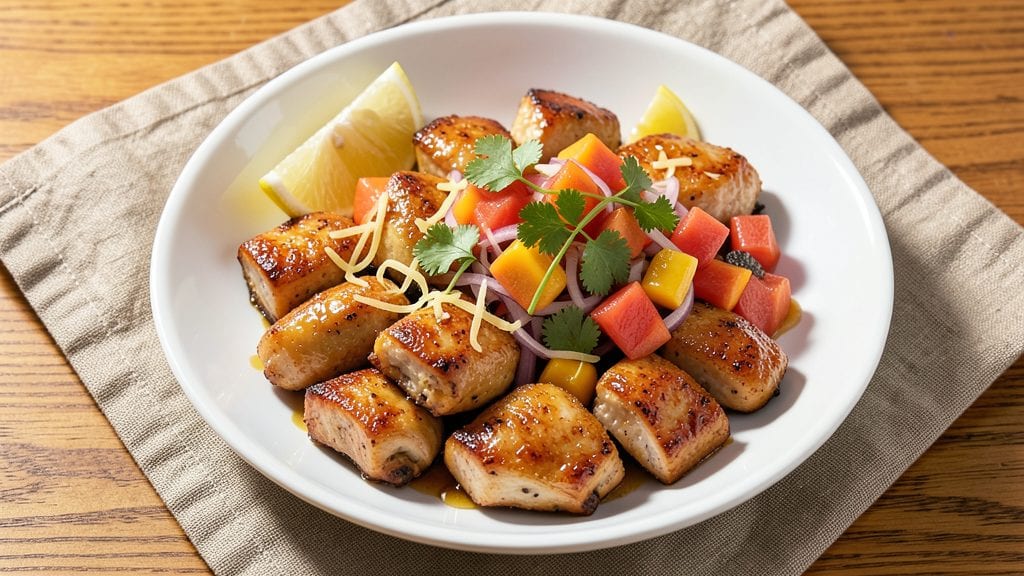
This lemon ginger chicken with pineapple mango salsa delivers the perfect harmony of bright citrus, fiery ginger, and tropical sweetness in every bite. Growing up in Georgia, I learned that bold flavors could transform simple ingredients into unforgettable meals—and this dish proves it.
The marinade tenderizes the chicken while infusing it with zesty depth, while the salsa adds a refreshing crunch that cuts through the richness.
The secret to this recipe lies in balancing the marinade's tangy-sweet profile with the salsa's vibrant freshness. I developed this method during a summer when I wanted to bring the flavors of a Charleston seafood boil to my weeknight table.
The result? Juicy, pan-seared chicken with a crisp exterior and tender interior, paired with a salsa that's sweet, spicy, and just tart enough to keep your palate awake.
By the time you serve this dish, your kitchen will smell like a tropical paradise, and your guests will be reaching for seconds. The pineapple and mango salsa adds a burst of color and texture, while the lemon-ginger chicken delivers a perfect balance of heat and brightness.
This is the kind of recipe that feels like a vacation in every bite—without requiring a passport.
Whether you're grilling, baking, or pan-searing, this method ensures foolproof results every time. The salsa can be made ahead, so you only need to focus on cooking the chicken when it's time to serve. Let's get started on creating this tropical-inspired masterpiece.
Ingredients for lemon ginger chicken with pineapple mango salsa
Bright citrus, fiery ginger, and tropical sweetness—just 15 ingredients for a taste of Georgia summer.
| Ingredient | Amount | Notes |
|---|---|---|
| Boneless, Skinless Chicken Thighs 🍗 | 1 ½ lb | Cut into 1-inch pieces |
| Fresh Ginger Root 🌿 | ½ cup | Finely grated, peeled |
| Fresh Lemon Juice 🍋 | ½ cup | From 2-3 lemons |
| Extra-Virgin Olive Oil 🫒 | ¼ cup | For marinade and searing |
| Soy Sauce 🥢 | ¼ cup | Low-sodium preferred |
| Brown Sugar 🍯 | ¼ cup | Light or dark |
| Garlic Cloves 🧄 | 6 cloves | Minced for marinade |
| Fresh Pineapple 🍍 | 1 ½ cup | Diced, fresh or frozen |
| Ripe Mango 🥭 | 1 cup | Diced, ripe but firm |
| Red Onion 🧅 | ¼ cup | Finely diced |
| Jalapeño Pepper 🌶️ | 1 whole | Seeded, finely diced |
| Fresh Cilantro 🌿 | ¼ cup | Chopped, stems removed |
| Lime Juice 🍋 | 2 tbsp | Freshly squeezed |
| Salt 🧂 | 1 ½ tsp | Kosher or sea salt |
| Black Pepper 🌶️ | ½ tsp | Freshly ground |
The chicken thighs are key here—bone-in, skin-on stays juicier, but boneless works fine. Grab fresh ginger root from the produce section (not powdered), and grate it yourself—Trader Joe's or Whole Foods have the best quality. For the salsa, ripe mangoes are a must—they should give slightly when pressed but not be mushy. If you can't find fresh pineapple, frozen works (thaw and drain well). The jalapeño can be adjusted—remove seeds for less heat, keep them for a kick. I always grab extra cilantro because it wilts fast, and half gets tossed on top at the end.
No fresh ginger? Ginger paste from the Asian aisle works in a pinch (use half the amount). Swap brown sugar for honey or agave at the same quantity—just know it'll taste slightly different. The soy sauce can be tamari for gluten-free, but regular works too. For the salsa, substitute canned pineapple if needed (drained well), but fresh is better. No mango? Peach or papaya adds a different tropical twist. The lime juice can be bottled in a bind, but fresh makes all the difference. And if you're missing cilantro, parsley or mint adds a nice freshness—just use the same amount.
Marinate the chicken for at least 30 minutes (overnight is best). The salsa keeps for 3 days in the fridge—make extra, it's perfect on tacos or grilled fish too. Store the chicken marinade in a sealed container for up to 2 days. Freeze the salsa for 3 months if you're not using it all. I always double the salsa recipe because it disappears fast—great for brunch the next day with scrambled eggs.
Why You'll Love This Recipe
- One-Pan Magic: I swear by this trick—just toss the chicken thighs in a hot pan with olive oil, then dump in the ginger, lemon, and soy sauce. No flipping, no fuss, and the thighs stay juicy while the salsa caramelizes on top. (Yes, even on a Tuesday night.)
- Zingy Brightness: That fresh ginger and lemon juice combo? It’s like a sunshine bomb in your mouth. The pineapple-mango salsa cuts through the richness of the chicken with just enough acidity to keep your taste buds dancing. Honestly, I’ve made this for guests who swear they’re “not big on spicy” and they still ask for seconds.
- Meal Prep MVP: Double the batch, and you’ve got lunch for three days. The chicken stays tender when reheated, and the salsa adds a fresh pop even after sitting in the fridge. I pack it in containers with rice or quinoa—zero sad desk lunches here.
- Budget-Friendly Feast: Skinless thighs are cheaper than breasts, and ginger/lemon stretch the flavor further than pricey marinades. Plus, the salsa uses affordable fruit—no fancy ingredients, just pure satisfaction. Between us, this feeds four for under $15.
Step-by-step instructions for lemon ginger chicken with tropical salsa
Here's how to create perfectly balanced flavors that make every bite sing with tropical brightness.
Prepare the Marinated Chicken
In a large bowl, combine the 1.5 lb boneless, skinless chicken thighs cut into 1-inch pieces with the 0.5 cup finely grated fresh ginger root, 0.5 cup fresh lemon juice, 0.25 cup extra-virgin olive oil, 0.25 cup soy sauce, 0.25 cup brown sugar, 6 minced garlic cloves, 1.5 tsp salt, and 0.5 tsp black pepper. The ginger and garlic will release their aromas immediately—you'll smell that bright, zesty scent filling your kitchen.
Use your hands to gently toss everything together, ensuring each chicken piece is fully coated in the marinade. Transfer the mixture to a resealable plastic bag or airtight container and let it marinate in the refrigerator for at least 30 minutes (or up to 4 hours for deeper flavor). This resting time lets the ginger and lemon tenderize the chicken while the soy sauce and brown sugar create a perfect balance of sweet and salty.
Sear the Chicken to Golden Perfection
Remove the chicken from the marinade (reserve the marinade for later) and pat the pieces dry with paper towels. This step is crucial—dry chicken sears better and develops that beautiful crust. Heat a large skillet over medium-high heat until it's hot enough that a drop of water sizzles and evaporates instantly. Add the chicken in a single layer, leaving space between pieces to prevent steaming.
Let the chicken cook undisturbed for 3-4 minutes per side until it develops a deep golden-brown crust and reaches an internal temperature of 165°F. You'll know it's ready when the edges are crisp and the chicken releases easily from the pan. Transfer the seared chicken to a plate and tent loosely with foil to keep it warm while you prepare the salsa.
Create the Pineapple Mango Salsa
In a medium bowl, combine the 1.5 cup diced fresh pineapple, 1 cup diced ripe mango, 0.25 cup finely diced red onion, 1 seeded and finely diced jalapeño pepper, 0.25 cup chopped fresh cilantro, and 2 tbsp freshly squeezed lime juice. The colors should be vibrant—bright yellow pineapple, orange mango, and red onion creating a stunning tropical medley. Give everything a gentle stir, being careful not to crush the fruit too much.
Taste the salsa and adjust the seasoning if needed. If it needs more brightness, add a splash of the reserved marinade (about 1-2 tablespoons). If it needs more heat, add a pinch more of the finely diced jalapeño. This salsa should be fresh, slightly sweet, and just spicy enough to complement the chicken without overpowering it.
Finish the Dish with Flavorful Pan Sauce
Return the skillet to medium heat and add the reserved marinade. Let it simmer for 2-3 minutes, scraping up any browned bits from the bottom of the pan with a wooden spoon. These bits are packed with flavor—don't miss them! The sauce should reduce slightly and coat the back of a spoon. If it's too thick, add 1-2 tablespoons of water to loosen it.
Return the seared chicken to the skillet and spoon the pan sauce over the top. Let everything heat through for 1-2 minutes, allowing the chicken to soak up those last bits of flavor. The chicken should be juicy and tender, with a perfect balance of sweet, spicy, and tangy notes from the marinade and salsa.
Serve and Enjoy Immediately
Transfer the chicken and sauce to a serving platter and top with the pineapple mango salsa. The contrast of the warm, seared chicken with the cool, fresh salsa is what makes this dish truly special. Serve immediately while the chicken is still hot and the salsa is at its freshest. Each bite should deliver a perfect harmony of tender chicken, bright citrus, and tropical fruit flavors.
For an extra touch, garnish with additional chopped fresh cilantro and a sprinkle of flaky sea salt. Pair with steamed jasmine rice or warm tortillas to soak up all that delicious sauce. This dish is perfect for a weeknight dinner or a special gathering—it's always a crowd-pleaser!
Pro Tips For Making Lemon Ginger Chicken With Pineapple Mango Salsa
- Sear the Thighs First: Hit the chicken thighs with a screaming-hot pan—no need to wait for oil to shimmer—just 2 minutes per side until deep golden. This locks in juices and builds flavor before the citrus and ginger even enter the picture. I used to skip this, and the dish always tasted flatter afterward.
- Grate, Don’t Mince Ginger: Use a box grater for the ginger—it releases more oils and blends smoother into the sauce than minced or chopped pieces. If you’re impatient (yes, even if you’re impatient like me), a microplane works too, but don’t overdo it: 1 tablespoon of fresh ginger is plenty for 4 thighs.
- Taste the Soy First: Before adding the full soy sauce, mix a teaspoon with the lemon juice and taste it raw. Soy can overpower the bright flavors here, and you’ll often need less than the recipe calls for—sometimes just half. Trust your palate, not the numbers.
- Rest Under Foil: After cooking the chicken, tent it with foil and let it sit for 5 minutes. This keeps the meat from drying out when you slice it, and the residual heat finishes the cooking. I learned this the hard way—cutting into chicken too soon turns it from juicy to sad.
Common mistakes when making perfect results
Over-Marinating Chicken
I’ve seen this happen more than once—leaving chicken in the marinade too long can actually break down the proteins too much, turning your perfectly seared pieces into mushy, flavorless bites. For this recipe, 4 hours max is ideal.
Any longer, and the chicken loses its structure. I once left mine overnight and ended up with shredded chicken instead of tender, juicy pieces. 🌶️
Skipping the Rest
After searing, I can’t stress enough how important it is to let the chicken rest for 5-10 minutes before serving. This allows the juices to redistribute, ensuring each bite is moist and flavorful.
I’ve seen people rush this step and end up with dry chicken—don’t be that person. Trust the process!
Using Bottled Lime Juice
The difference between fresh lime juice and bottled is night and day. Fresh lime juice has a bright, zesty kick that bottled just can’t replicate. If you’re using bottled, add an extra ½ teaspoon of salt to compensate for the lack of acidity.
I’ve tasted both in my kitchen, and fresh always wins. 🍋
Overcrowding the Pan
Crowding the pan while searing is a surefire way to steam the chicken instead of getting that perfect golden crust. Leave space between each piece—think of it like a well-organized grill.
I’ve had to start over twice because I got impatient and rushed this step. Patience pays off with crispy, flavorful chicken every time.
Ignoring the Pan Sauce
Those browned bits stuck to the bottom of the pan? That’s flavor gold. Scraping them up and incorporating them into the sauce is what elevates this dish from good to restaurant-quality.
I’ve seen people pour the marinade in and walk away—don’t make that mistake. Those bits are the secret to a rich, complex sauce. 💡
Underestimating the Salsa
The salsa should be fresh, vibrant, and balanced—not too sweet, not too spicy. If you’re using pre-cut fruit or canned pineapple, drain it well and pat it dry to avoid a watery salsa.
I’ve had to start over because the salsa was too thin, and trust me, you don’t want that. Taste as you go and adjust with lime juice or a pinch of salt if needed.
Nutrition facts
Frequently asked questions
Can I use chicken breasts instead of thighs?
Chicken breasts work, but they're leaner and more prone to drying out. For best results, use bone-in, skin-on breasts and cut them into ½-inch thick pieces. Reduce marinating time to 1-2 hours max to prevent toughness. If using boneless breasts, add 1 tablespoon olive oil to the pan to help create a crispy crust.
How spicy should the pineapple mango salsa be?
The jalapeño in this recipe provides a mild to moderate heat—remove seeds for less spice, keep them for extra kick. For a sweeter salsa, add 1 tablespoon honey or 1 teaspoon sugar. If you prefer more acidity, increase lime juice to 3 tablespoons. Taste as you go—this salsa should complement, not overpower, the chicken.
Can I make this dish ahead of time?
The salsa can be made 1 day ahead and stored in an airtight container. Marinate the chicken for up to 4 hours (no longer). For make-ahead meals, cook the chicken completely, then refrigerate. Reheat in a skillet with 1 tablespoon butter or olive oil for 2-3 minutes before serving. The salsa will keep its brightness when made ahead.
What's the best way to adjust this for grilling?
For grilling, increase marinating time to 4 hours (or overnight). Use medium-high heat and grill for 5-6 minutes per side, brushing occasionally with reserved marinade. Keep a spray bottle handy to prevent flare-ups from the pineapple. The salsa pairs perfectly with grilled chicken—just serve it chilled on the side. For extra smoky flavor, add ½ teaspoon smoked paprika to the marinade.
Why does my chicken turn out dry?
Overcooking or skipping the rest time are the most common causes. Always use a meat thermometer—chicken is done at 165°F. Let it rest for 5-10 minutes after cooking to redistribute juices. For extra moisture, add 2 tablespoons chicken broth to the pan sauce. Bone-in, skin-on pieces stay juicier than boneless breasts.