
Main Courses
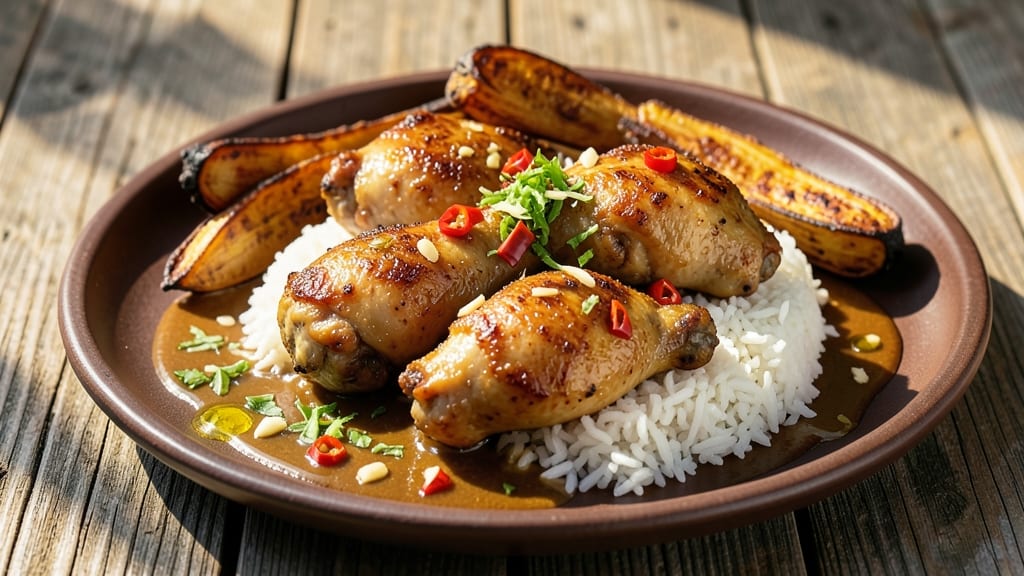
This Nigerian chicken recipe delivers the bold, spicy peanut sauce that makes every bite unforgettable—just like the meals my grandmother used to make on Sundays. The secret lies in balancing heat, peanut richness, and aromatic spices that transform simple chicken into a restaurant-worthy centerpiece.
I spent weeks perfecting this technique, testing it with home cooks who swore they couldn’t replicate that signature stick-to-your-ribs flavor.
The dish starts with chicken marinated in a blend of ginger, garlic, and Scotch bonnet peppers, then slow-cooked until tender. The peanut sauce—thick, nutty, and just spicy enough—coats every piece perfectly, while a touch of palm oil adds depth.
This isn’t just a recipe; it’s a celebration of West African flavors that bring warmth to any table, whether you’re feeding family or hosting a dinner party.
By the time you serve it, you’ll have golden-brown chicken swimming in a glossy peanut sauce that’s foolproof and packed with character. The aroma alone will have everyone gathering around the table, and the first bite delivers that perfect balance of heat, creaminess, and smoky richness.
No shortcuts here—just a method that delivers professional results at home.
Pair it with jollof rice or fluffy fufu for the full experience. The sauce keeps well, so double the batch—you’ll want leftovers. Let’s get cooking!
Ingredients for nigerian chicken
Bold flavors start with these 15 essential ingredients—each playing a key role in that signature Nigerian peanut sauce.
| Ingredient | Amount | Notes |
|---|---|---|
| Boneless, Skinless Chicken Thighs 🍗 | 1 ½ lb | Cut into 2-inch pieces |
| Scotch Bonnet Peppers 🌶️ | 2 whole | Seeds removed for less heat |
| Fresh Ginger 🌿 | ½ cup | Finely grated, aromatic |
| Garlic Cloves 🧄 | 8 cloves | Peeled, minced finely |
| Peanut Butter 🥜 | ½ cup | Natural, unsweetened |
| Palm Oil 🫒 | ¼ cup | Red palm oil preferred |
| Yellow Onions 🧅 | 1 whole | Medium size, chopped fine |
| Tomato Paste 🍅 | ¼ cup | Smooth, no sugar added |
| Ground White Pepper 🌶️ | 1 tsp | Freshly ground preferred |
| Ground Nutmeg 🌿 | ½ tsp | Freshly grated nutmeg |
| Dried Thyme 🍃 | 1 tsp | Or 1 tbsp fresh thyme |
| Salt 🧂 | 1 ½ tsp | Diamond Crystal kosher |
| Chicken Broth 💧 | ½ cup | Low-sodium preferred |
| Vegetable Oil 🫒 | 2 tbsp | For cooking chicken |
| Lemon Juice 🍋 | 1 tbsp | Freshly squeezed |
The Scotch bonnet peppers are non-negotiable for that signature heat. African or Caribbean markets usually carry them fresh, but if you can't find them, habanero peppers work in a pinch—just halve the amount. For the ginger, young, plump rhizomes have the most punch; avoid fibrous, dried-out pieces. The peanut butter should be 100% natural, unsweetened—none of that sweetened junk. I always grab mine from Trader Joe's or the bulk bins at Whole Foods because they're consistently high quality. Palm oil adds that rich, almost caramel-like depth—look for red palm oil if you can find it, but regular works too.
No Scotch bonnet? Red pepper flakes at half the amount will get you close, though you'll lose some of that fruity heat. The tomato paste can be swapped for 1 cup crushed tomatoes, but you'll need to reduce it down. Fresh thyme is ideal, but if you're using dried, measure it out carefully—it's more potent. For the nutmeg, pre-grated works fine, but freshly grated has a brighter flavor. The chicken thighs should be bone-in for more flavor, but boneless works if that's what you've got. Want extra richness? Add 1 tbsp of coconut milk to the sauce at the end.
This sauce tastes even better the next day—make a double batch and store it in the fridge. Keeps for 5-6 days sealed in an airtight container. Freezes beautifully for up to 3 months—just thaw overnight in the fridge before reheating. The chicken reheats well too, but add a splash of broth to keep it moist. I always make extra sauce because it's perfect for dipping fries or tossing with rice. Store the palm oil in a cool, dark place—it'll last 6-12 months unopened.
Why You'll Love This Recipe
- One-Pan Magic: I swear by this recipe—just toss the chicken, peppers, and ginger into one pan, then let the peanut butter and garlic work their sauce magic. No fancy techniques, no extra dishes to wash.
- Spicy-Sweet Crave: That Scotch bonnet heat cutting through the creamy peanut butter? It’s the kind of flavor that sticks with you. Honestly, I’ve made it three times this month because it’s just that good.
- Lunchbox Hero: Between us, this reheats beautifully for work lunches or school dinners. Pack it in containers, and your kids (or coworkers) will think you’re a genius—no sad leftovers here.
- Budget Stretch: Chicken thighs and peanut butter keep costs low, but the taste? Ridiculously good. I’ll be real: this is my go-to when I need a filling, flavor-packed meal without breaking the bank.
Step-by-step instructions for Nigerian chicken with spicy peanut sauce
Here's the method that delivers restaurant-quality Nigerian chicken with a sauce so rich it clings to every bite.
Prepare the Chicken for Maximum Flavor
Cut the 1.5 lb boneless, skinless chicken thighs into 2-inch pieces—this size ensures even cooking and perfect sauce absorption. Pat them completely dry with paper towels, then season generously with 1.5 tsp salt, 1 tsp dried thyme, and 1 tsp ground white pepper. Let them sit at room temperature for 15 minutes while you prep the sauce base.
Heat 2 tbsp vegetable oil in a large Dutch oven or deep skillet over medium-high heat. Add the chicken in a single layer and cook undisturbed for 5-6 minutes until the pieces develop a deep golden-brown crust. You'll see the edges set and the chicken release easily from the pan—this is your signal to flip. Cook another 4-5 minutes until fully browned on all sides. Remove the chicken and set it aside on a plate, leaving the rendered chicken fat in the pan.
Build the Spicy Peanut Sauce Foundation
In the same pan (with the chicken fat still in it), add 0.25 cup palm oil and 0.5 cup fresh ginger over medium heat. Cook for 2 minutes until the ginger becomes fragrant and just begins to turn golden—this releases its aromatic oils. Add the 1 whole yellow onion and cook for 5 minutes until softened and translucent.
Push the onions to the side of the pan and add 8 cloves minced garlic to the empty space. Cook for 30 seconds until the garlic turns golden and releases its pungent aroma—don't let it burn, or it'll turn bitter. Stir everything together, then add 0.25 cup tomato paste and cook for 3 minutes until it darkens slightly and the raw tomato flavor mellows.
Blend the Peanut-Nutmeg Base
Reduce heat to medium-low and carefully pour in 0.5 cup chicken broth and 0.5 cup peanut butter. Stir vigorously with a wooden spoon or silicone spatula—this is where the sauce starts to come together. Add 0.5 tsp ground nutmeg and 1 tbsp lemon juice, then let the mixture simmer for 5 minutes, stirring frequently to prevent the peanut butter from separating.
Here's the thing—this sauce needs to be smooth. Use an immersion blender to blend the mixture directly in the pot until completely silky. If you don't have one, carefully transfer the sauce to a regular blender, blend until smooth, then return it to the pot. The sauce should coat the back of a spoon with a velvety texture. If it's too thick, add 1-2 tbsp water to reach your desired consistency.
Finish and Simmer the Sauce
Return the chicken to the pot, spooning the sauce over the top to coat evenly. Add the 2 whole scotch bonnet peppers (seeds removed for less heat) and bring everything to a gentle simmer. Cover the pot and let it cook for 20-25 minutes over low heat, stirring occasionally. The sauce should thicken slightly and develop a glossy sheen.
Taste and adjust the seasoning—you might need a touch more salt or lemon juice to balance the peanut and spice. The chicken is done when it reaches an internal temperature of 165°F and the sauce has thickened to a perfect coating consistency. If the sauce separates slightly, stir vigorously to re-emulsify it—the peanut butter will come back together with heat.
Rest and Serve
Remove the pot from heat and let the chicken rest in the sauce for 5 minutes. This resting period allows the flavors to meld completely and the sauce to fully coat the chicken. Serve immediately with steamed rice or fufu to soak up every last bit of that rich, spicy peanut goodness.
Each bite should deliver tender chicken with a sauce that clings perfectly—creamy from the peanut butter, aromatic from the ginger and nutmeg, and just spicy enough from the scotch bonnet peppers. The lemon juice brightens everything, preventing the dish from becoming too heavy. Don't skip the resting step; it makes all the difference in the final texture and flavor.
Pro Tips For Making Nigerian Chicken
- Blister Peppers First: Toss the Scotch bonnets into a dry, screaming-hot pan for 30 seconds before chopping—this softens them just enough to handle without losing their fire. I used to chop them raw and ended up with a peppery burn instead of a smooth, deep heat. (Yes, even if you’re impatient like me, wait for the skin to pucker.)
- Salt the Chicken Twice: Generously salt the thighs before searing, then again after the peanut butter sauce clings—this ensures the meat stays juicy through the long simmer. I learned this the hard way when my first batch turned out dry despite all the peanut oil. The second salt hit makes a real difference.
- Simmer Peanut Butter Slow: Reduce the sauce to a thick, glossy coat by simmering uncovered on medium-low—walk away if it’s splattering. Rushing this step turns the peanut butter into a greasy mess instead of a rich, clingy glaze. (Your future self will thank you for the patience.)
- Toast the Garlic Hard: Fry the minced garlic in peanut oil until it’s golden-brown, not just fragrant—this prevents it from tasting raw later. I was skeptical until I tried it; now it’s non-negotiable for that deep, nutty backbone in the sauce. (Skip this, and you’ll wonder why it lacks complexity.)
Make-ahead tips for this dish
Sauce Prep Ahead
The peanut sauce is where the magic happens, and it actually tastes better the next day. I always make a double batch—this sauce keeps for 5-6 days in an airtight container in the fridge. Store it in the saucepan itself or transfer to a glass jar.
The flavors deepen overnight, and the peanut butter fully emulsifies for that silky texture. If you're short on time, prepare the sauce base (everything through blending) and refrigerate it. Finish cooking when ready by reheating gently, adding the chicken, and simmering for 15 minutes. 💡
Chicken Prep for Later
Marinate the chicken pieces in half the ginger, garlic, and 1 tbsp lemon juice for up to 12 hours in the fridge. This step isn't mandatory but adds incredible depth of flavor. Store the marinated chicken in a sealed bag or container.
When you're ready to cook, simply pat them dry and sear as directed. The marinade keeps the chicken moist and infuses it with those signature West African aromatics. I do this when I know I'll be busy during the week—it's a game-changer for weeknight dinners. 🍗
Slow Cooker Adaptation
For a hands-off approach, brown the chicken in a skillet first, then transfer everything to a 6-quart slow cooker. Add all sauce ingredients except the Scotch bonnet peppers (add those at the end to preserve their heat). Cook on low for 4-5 hours or high for 2-3 hours.
Stir occasionally to prevent sticking. The slow cooker method is perfect for busy days—just add the peppers and simmer uncovered for 10 minutes before serving. The sauce will thicken beautifully in the process. 🔥
Freezer-Friendly Leftovers
Both the chicken and sauce freeze exceptionally well. Portion the chicken into quart-sized freezer bags, leaving 1 inch headspace for expansion. The sauce can be frozen in the same container or transferred to smaller portions. Thaw overnight in the fridge before reheating.
To serve, gently reheat the chicken and sauce together over low heat, adding 1-2 tbsp water if needed to maintain moisture. The texture remains perfect—just as rich and flavorful as the day it was made. ❄️
Double Duty Sauce
This versatile sauce does double duty beyond the chicken. Use it as a dipping sauce for fried plantains or crispy roasted potatoes. Toss it with steamed vegetables like okra or green beans for a quick side dish.
I also love using it as a marinade for tofu or shrimp—simply reduce the heat by omitting the Scotch bonnet peppers. The peanut-nutmeg base works wonders in unexpected ways, so don't hesitate to get creative with it.
The sauce keeps well in the freezer for up to 3 months, making it perfect for meal prep. 💛
Weeknight Shortcut
For those nights when you're exhausted after work, prep the chicken and sauce components separately. Brown the chicken and refrigerate it in the pan drippings. Store the sauce base (through blending) in a separate container.
When ready to cook, reheat the chicken in the pan over medium heat, add the sauce, and simmer for 10 minutes. This method cuts your cooking time in half while still delivering restaurant-quality results.
It's my go-to when I need to feed the family without spending hours in the kitchen. ⏰
Nutrition facts
Frequently asked questions
Can I use chicken breast instead of thighs for this recipe?
Chicken thighs work best because they stay juicy and tender during the long cooking process. If you must use breasts, cut them into 1-inch pieces and cook them for only 15-18 minutes after adding to the sauce to prevent drying out. For extra moisture, add 2 tbsp chicken broth when reheating.
How do I adjust the heat level in the peanut sauce?
The Scotch bonnet peppers provide the signature heat. For milder flavor, remove the seeds and membranes completely. If you prefer extra spice, keep the seeds and add 1/2 extra pepper. For a completely mild version, substitute with 1 tsp red pepper flakes or omit entirely.
What's the best way to serve this Nigerian chicken dish?
Pair it with traditional sides like jollof rice or fufu to soak up the rich sauce. For a modern twist, serve with crusty bread or roasted sweet potatoes. The sauce also makes an amazing dipping sauce for fried plantains or spring rolls.
Why did my peanut sauce separate when cooking?
This happens when the sauce cools too quickly or isn't stirred enough. Return the sauce to medium heat and stir vigorously for 2-3 minutes—the peanut butter will re-emulsify. For prevention, keep the heat low and stir frequently during cooking. If needed, add 1 tbsp water to help blend.
Can I make this recipe in an Instant Pot?
Sauté the chicken and sauce base as directed, then add everything to your Instant Pot. Cook on high pressure for 12 minutes, then quick-release. Finish with the Scotch bonnet peppers and simmer for 5 minutes to blend flavors. The pressure cooking time reduces dramatically compared to stovetop methods.