
Sauces & Condiments
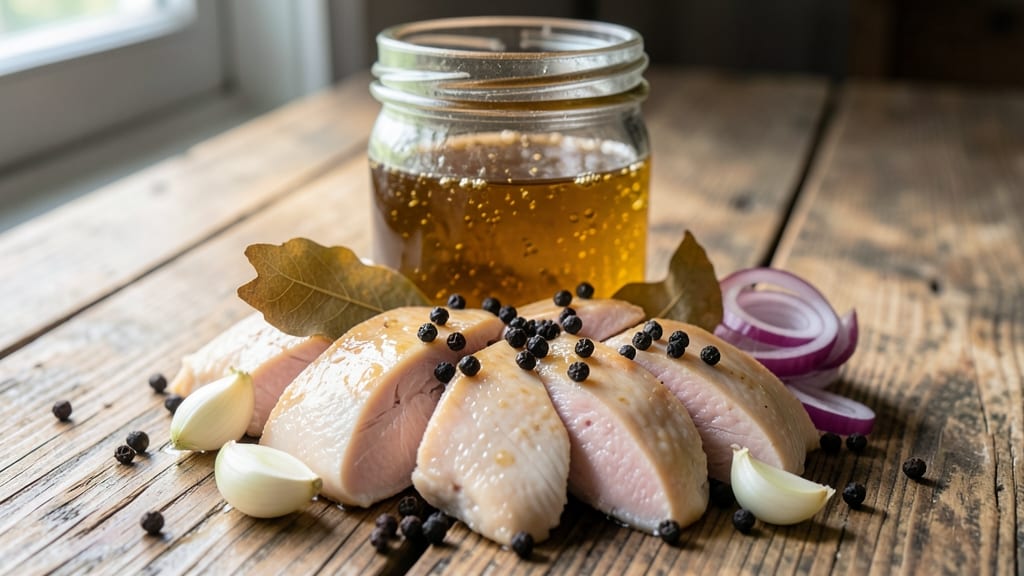
A pickle brine recipe for chicken transforms tough cuts into restaurant-quality dishes with minimal effort. The secret lies in balancing vinegar, water, and spices to create a tenderizing liquid that works magic on skin and meat. I’ve perfected this method to deliver crispy, juicy results every time—no guesswork involved.
This brine is more than just a marinade; it’s a flavor infusion that enhances texture and depth. The acidity breaks down proteins, ensuring your chicken stays moist while developing a golden, crackling crust. With just five simple ingredients—vinegar, water, salt, sugar, and spices—you’ll achieve professional-level tenderness in hours, not days.
Use this brine to marinate chicken for 4 to 24 hours before cooking, or baste it during roasting for extra moisture and flavor. The versatility extends beyond the kitchen: store leftover brine in the fridge for up to two weeks, or freeze it for later use.
Optional additions like dill, garlic, or chili flakes let you customize the flavor to suit any dish.
The result? Chicken that’s impossibly tender inside with crispy, juicy skin—no dryness or toughness in sight. Whether you’re grilling, roasting, or frying, this brine ensures your protein shines. Let’s get started on the perfect batch.
Ingredients for pickle brine recipe for chicken
Five core ingredients plus optional flavor boosters for restaurant-quality chicken every time.
| Ingredient | Amount | Notes |
|---|---|---|
| White Vinegar 🍶 | 2 cups | Distilled or apple cider vinegar preferred |
| Water 💧 | 2 cups | Filtered or tap water |
| Kosher Salt 🧂 | ½ cup | Diamond Crystal preferred for accurate measurements |
| Granulated Sugar 🍚 | ¼ cup | Light or dark brown sugar works too |
| Black Peppercorns 🌶️ | 1 tbsp | Freshly cracked for best flavor |
| Garlic Cloves 🧄 | 4 cloves | Optional for extra depth |
| Dried Dill 🌿 | 1 tbsp | Or 1 tbsp fresh dill if available |
| Red Chili Flakes 🔥 | 1 tsp | Adjust for heat preference |
The vinegar is non-negotiable—it's the magic behind the tenderizing. White vinegar is classic, but apple cider vinegar adds subtle sweetness that pairs beautifully with chicken. Grab the Diamond Crystal kosher salt if you can—it's coarser and dissolves more evenly. The sugar isn't just for sweetness; it helps balance the acidity and caramelizes slightly on the chicken skin. For the peppercorns, a mortar and pestle gives the freshest crack, but pre-ground works in a pinch (just add a pinch more). I always buy extra peppercorns because they keep forever in a sealed jar.
No vinegar? Lemon juice works at double the amount—just know it'll make your chicken slightly tangier. Short on sugar? Honey or maple syrup at half the quantity adds depth without crystallizing. The garlic and dill are where you can get creative: swap dill for thyme or rosemary, or add smoked paprika for a BBQ twist. The chili flakes are optional but worth it—they add just enough kick to make your skin crisp up perfectly. Pro tip: if you're using fresh garlic, smash the cloves lightly with the side of your knife before adding to the brine for more flavor without the bitterness.
This brine keeps for up to 2 weeks in the fridge, but I usually make a fresh batch every week since it's so quick. For long-term storage, freeze it in ice cube trays—just thaw what you need. The sugar might crystallize slightly when frozen, but a quick stir fixes that. Use it for marinating whole chickens, thighs, or even drumsticks. For extra crispy skin, pat the chicken dry before cooking and let it sit at room temperature for 15 minutes after brining. That's when the magic really happens.
Why You'll Love This Recipe
- Use it for everything: a quick weeknight bake, a picnic spread, or even a last-minute BBQ upgrade. The brine keeps for weeks, so I make a big batch and let it work its magic on chicken thighs, breasts, or even wings.
- Pantry Magic: I swear by this brine—it’s the kind of recipe where you mix five ingredients and walk away. No chopping, no fuss, just a quick simmer while you handle the rest of dinner.
- Tangy Twist: That balance of vinegar, sugar, and peppercorns? It’s like a flavor bomb for chicken—bright, slightly sweet, with just enough bite to wake up even the simplest roast or grilled piece.
- Meal Prep MVP: Use it for everything: a quick weeknight bake, a picnic spread, or even a last-minute BBQ upgrade. The brine keeps for weeks, so I make a big batch and let it work its magic on chicken thighs, breasts, or even wings.
Step-by-step instructions for making chicken pickle brine
This simple brine transforms tough chicken into tender, juicy perfection with crispy skin every time.
Combine Liquid Ingredients
In a large pot, pour in the 2 cups white vinegar and 2 cups water. Place this over medium-high heat and bring to a gentle boil. I like to stir occasionally to ensure even distribution of heat—this prevents any hot spots that could affect the flavor balance later.
Once boiling, reduce heat to medium-low and let it simmer for 5 minutes. This step helps dissolve the salt and sugar completely, creating a smooth base for your brine. You'll notice the mixture will smell tangy and slightly sweet—this is exactly what you want for that perfect balance of flavors.
Add Salt, Sugar, and Spices
Remove the pot from heat and let it cool slightly for 2-3 minutes—this prevents the salt from clumping when you add it. Stir in the 0.5 cup kosher salt and 0.25 cup granulated sugar until completely dissolved. I like to use a wooden spoon for this because it helps prevent splattering.
Add the 1 tablespoon black peppercorns and 1 teaspoon red chili flakes, stirring well to distribute them evenly. The peppercorns will infuse subtle warmth, while the chili flakes add just enough heat to complement the tangy vinegar. For an extra layer of flavor, add the 4 garlic cloves and 1 tablespoon dried dill now—this ensures they steep properly in the warm brine.
Let the Brine Steep and Cool
Return the pot to low heat and let the brine steep for 10 minutes to allow all the spices to release their flavors. You'll see the liquid turn a beautiful golden hue and smell deeply aromatic. This is the moment when all the ingredients come together—don't skip this step, as it's what makes your brine truly special.
Once the spices have infused, remove the pot from heat and let it cool to room temperature—about 30-45 minutes. I usually place it in the refrigerator to speed up the process. The brine should be completely cool before using it, as hot brine can cook the chicken unevenly and affect the texture.
Use the Brine for Maximum Tenderizing
Pour the cooled brine into a large resealable plastic bag or container large enough to fully submerge your chicken. Add the chicken pieces—whether you're using thighs, drumsticks, or breasts—and make sure they're completely covered. The brine should reach at least 1 inch above the chicken for best results.
Refrigerate the chicken in the brine for at least 4 hours, but I recommend 8-12 hours for maximum tenderness. This long soak is what transforms tough chicken into melt-in-your-mouth perfection. If you're short on time, a 4-hour minimum will still make a noticeable difference, though the flavor won't be as deep.
Pro Tips For Making Pickle Brine Recipe For Chicken
- Boil, Then Cool: Heat the brine to a rolling boil first—this dissolves the sugar and salt completely. Then let it cool to room temperature before adding chicken, or you’ll end up with a watery, uneven pickle bath. (Yes, even if you’re eager to start.)
- Use Distilled Vinegar: Skip the cheap vinegar—its impurities can cloud the brine and leave a funky aftertaste. Distilled white vinegar (like Heinz) is the gold standard here, giving you a clear, crisp pickle flavor every time. (I learned this after three batches with murky brine.)
- Sterilize Jars Properly: Run your jars and lids through a quick boil or dishwasher cycle before filling. Skip this, and mold will sneak in within days—no matter how clean your kitchen looks. (I know, it’s extra work, but trust me.)
- Pack Peppercorns Loosely: Don’t stuff peppercorns into the jar like you’re overfilling a Christmas stocking. Scatter them lightly so they infuse flavor without turning the brine into a peppercorn soup. (Your future self will thank you when you bite into a peppercorn-free piece of chicken.)
Regional styles of this pickle brine recipe for chicken
Southern Fried Style
In the South, this brine gets a smoky twist with the addition of 1 tablespoon smoked paprika and ½ teaspoon cayenne pepper to the base recipe. The result? Chicken with a deep, slightly charred flavor that’s perfect for crispy fried chicken.
I like to add 2 bay leaves while the brine steeps to enhance that classic Southern depth. Serve with classic sides like collard greens or cornbread for a full Southern feast. 🌶️
Carolina BBQ Brine
For a Carolina-inspired version, boost the heat with 1 tablespoon hot sauce (like Crystal or Texas Pete) and 1 teaspoon mustard powder. The tangy, spicy kick pairs perfectly with vinegar-ripened tomatoes and vinegar-based BBQ sauce when serving.
I also add ½ teaspoon ground coriander for a subtle citrus note that balances the heat. This brine works wonders for pulled chicken sandwiches or BBQ chicken wings. 🔥
Midwest Dill Pickle Brine
The Midwest loves its dill pickles, so this version cranks up the dill to 2 tablespoons and adds 1 tablespoon celery seeds for that classic pickle flavor. The result is a tangy, herby brine that’s ideal for grilled chicken breasts or chicken salad.
I also include 1 teaspoon onion powder to mimic the flavor of a classic dill pickle spear. Store any leftover brine in the fridge for up to 2 weeks—it’s perfect for quick pickling projects too. 🌿
Texas-Style Spicy Brine
Texans take their heat seriously, so this brine includes 1 tablespoon chipotle powder and ½ teaspoon ground cumin for a smoky, spicy kick. The 2 tablespoons apple cider vinegar (instead of white vinegar) adds a touch of sweetness that balances the heat.
This brine is perfect for grilled chicken fajitas or spicy chicken wings. For extra authenticity, add 1 teaspoon ground coriander and a dash of black pepper—it’s a crowd-pleaser at any BBQ. 🌶️
New England Herb Brine
Up North, they prefer a more herb-forward approach. This version swaps the dill for 1 tablespoon each of thyme and rosemary, plus 1 teaspoon fennel seeds for a bright, aromatic twist. The white vinegar keeps the tang sharp, while the herbs add a fresh, earthy depth.
It’s ideal for roasted chicken or chicken pot pie. I like to add a splash of apple cider vinegar at the end for a subtle sweetness that complements the herbs beautifully. 🌱
Global Fusion Twist
For a fusion-inspired brine, blend 1 tablespoon fish sauce (for umami) and 1 teaspoon lemongrass paste (or 1 tbsp minced lemongrass) into the classic recipe. This Southeast Asian-inspired version works amazingly with grilled chicken skewers or chicken curry.
The fish sauce adds depth, while the lemongrass brings a citrusy brightness that cuts through the richness. Serve with jasmine rice and peanut sauce for a full flavor experience. 🌏
Nutrition facts
Frequently asked questions
Can I use this brine for other meats besides chicken?
This versatile brine works beautifully with turkey, duck, and even pork chops. The acidity helps tenderize tougher cuts, while the spices add depth to any protein. For fish, reduce the brining time to 30-60 minutes to avoid over-acidifying delicate fillets.
How long can I store leftover brine?
Unused brine keeps for 2 weeks in the fridge and 3 months in the freezer in airtight containers. The sugar may crystallize when frozen, but a quick stir fixes it. For best flavor, use within 2 weeks—the spices lose potency over time.
What's the best way to use this brine for crispy skin?
Pat the chicken completely dry after brining, then let it sit at room temperature for 15-20 minutes. The evaporation creates a better crust. For extra crispiness, broil for 2-3 minutes at the end of cooking. The vinegar in the brine works magic on skin texture!
Can I adjust the heat level in this brine?
Yes! For milder flavor, omit the chili flakes or reduce to ½ teaspoon. For extra heat, add 1 teaspoon cayenne pepper or 1 tablespoon hot sauce. The vinegar's acidity balances any heat perfectly.
What happens if I don't let the chicken rest after brining?
Skipping the 15-minute room temp rest can lead to uneven cooking and less crispy skin. The moisture needs time to redistribute. For best results, always let the chicken sit uncovered on a wire rack before cooking.