
Sauces & Condiments
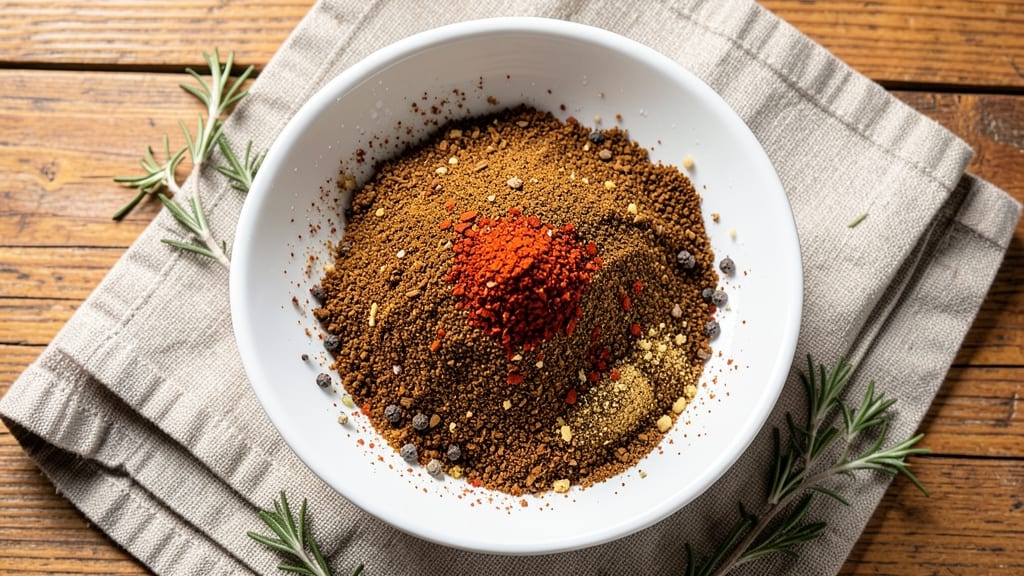
Creating a McCormick-style rotisserie chicken seasoning at home transforms store-bought chicken into something restaurant-worthy with just a sprinkle. This smoky garlic and herb blend cuts through the richness of rotisserie chicken, balancing its natural flavors with professional-level depth.
I developed this mix after years of perfecting seasonings for my farm-raised heritage birds—now you can replicate that same magic at your table.
The blend relies on precise measurements and quality spices: smoked paprika for warmth, garlic powder for savory punch, and dried herbs like thyme and rosemary for aromatic complexity. Unlike pre-packaged seasonings, this version lets you control the intensity—perfect for those who prefer milder or bolder profiles.
The key is toasting the spices lightly before mixing, which deepens their flavors and removes any bitterness.
Once mixed, this seasoning keeps for up to six months in an airtight container, making it a pantry staple for quick meals. Simply sprinkle it over rotisserie chicken before serving, or use it to elevate any poultry dish from ordinary to extraordinary.
The blend’s versatility extends beyond chicken—it works beautifully on turkey, roasted vegetables, or even popcorn for a savory twist.
For best results, store the seasoning in a cool, dark place away from moisture. A small batch makes 12 tablespoons, enough for multiple uses. This is the kind of homemade shortcut that proves professional flavor doesn’t require complicated techniques—just the right blend of spices and a little know-how.
Ingredients for rotisserie chicken seasoning mccormick
Nine simple spices transform store-bought rotisserie chicken into restaurant-quality magic.
| Ingredient | Amount | Notes |
|---|---|---|
| Smoked Paprika 🌶️ | 3 tbsp | High-quality smoked variety for depth |
| Garlic Powder 🧄 | 2 tbsp | Freshly ground preferred |
| Dried Thyme 🌿 | 1 ½ tbsp | French or English thyme ideal |
| Dried Rosemary 🌿 | 1 tbsp | Finely chopped preferred |
| Onion Powder 🧅 | 1 tbsp | Toasted for richer flavor |
| Ground Black Pepper 🌶️ | 1 tbsp | Freshly cracked preferred |
| Ground Coriander 🌿 | 1 tbsp | Lightly toasted for aroma |
| Salt 🧂 | 1 tbsp | Diamond Crystal kosher preferred |
| Ground Cumin 🌿 | ½ tbsp | Toasted for warmth |
| Ground Mustard 🌶️ | ½ tbsp | Dry, powdered form |
The smoked paprika is non-negotiable—Penzeys or McCormick smoked gives that authentic depth you can't get from regular paprika. I always grab mine from Whole Foods bulk bins because the flavor stays vibrant longer. The garlic powder should be freshly ground if possible, but pre-ground works in a pinch (just check the date—older than a year and it loses punch). For the herbs, dried thyme and rosemary from Italian markets often have more complexity than grocery store brands. Toast your spices lightly in a dry pan before mixing—this removes any bitterness and deepens the flavors (just 30 seconds over medium heat).
No smoked paprika? Substitute half with regular paprika and a pinch of liquid smoke—it's not identical, but gets you close. Running low on coriander? Cumin at double the amount works surprisingly well. The mustard adds a subtle tang that brightens everything—skip it if you're sensitive to flavors, but trust me, it belongs here. For a milder profile, reduce the smoked paprika by half and add an extra half teaspoon of salt. Want more heat? Add a pinch of cayenne. This blend is forgiving, but those toasted spices? That's where the magic happens.
Store this in an airtight glass jar in a cool, dark place—it'll keep for up to 6 months. I make a triple batch because it disappears fast: sprinkle over rotisserie chicken, mix into mashed potatoes, or even dust on popcorn for a savory kick. The toasted spices keep their aroma longer if you store them separately until ready to mix, but once combined, they're good to go for months. Freeze portions if you won't use them within a month—just thaw at room temperature before using.
Why You'll Love This Recipe
- No-Measure Guessing: I’ve made this so many times, I eyeball the spices now—just a shake of smoked paprika, a pinch of rosemary, and boom. The garlic powder alone makes it taste like you slaved over it, but honestly? Five minutes tops.
- Rotisserie Upgrade: That store-bought chicken gets a second life—crispy skin, juicy meat, and a savory depth from the thyme and onion powder. It’s the kind of flavor that makes you pause mid-bite, like, “Wait, did I just season this?”
- Leftover Hero: Season the whole bird, then shred it for tacos, salads, or sandwiches all week. Between us, the garlic-rosemary combo stays delicious even reheated—no sad, dry chicken here.
- Pantry Magic: Already have the spices? You’re golden. No fancy ingredients, no last-minute grocery runs. Just pull it out when you’re tired, and suddenly dinner feels like a hug. (Yes, even on a Tuesday night.)
Step-by-step instructions for creating McCormick-style rotisserie chicken seasoning
Here's how to blend these spices into a restaurant-quality seasoning that transforms ordinary chicken into showstopping rotisserie-style perfection.
Measure All Ingredients Precisely
Start by gathering all your ingredients and measuring them exactly as listed. I use a small bowl with a fine-mesh strainer to catch any stray spices that might stick to the measuring spoons. The smoked paprika should be the first ingredient you measure—the deep, smoky flavor forms the foundation of this blend.
For the garlic powder, I recommend using freshly ground if possible. The aroma difference is noticeable, especially when you're creating a seasoning meant to infuse meat with bold flavor. Weigh out the dried thyme and rosemary carefully—their earthy notes will balance the smokiness perfectly. Remember, these are the aromatic backbone of your blend, so don't skimp on the measurements.
Combine Dry Ingredients in a Mixing Bowl
Transfer all the measured ingredients to a medium-sized mixing bowl. I like to use a whisk for this step—it helps distribute the spices evenly and prevents clumping. Begin by adding the smoked paprika, garlic powder, dried thyme, and dried rosemary first. Give them a quick stir to start breaking up any potential lumps.
Next, add the onion powder, ground black pepper, and ground coriander. These ingredients should blend seamlessly with the initial mixture. The salt goes in last—this helps dissolve any residual moisture in the other spices and creates a more cohesive blend. Sprinkle it lightly over the top and gently fold it in with a rubber spatula to avoid creating a cloud of dust.
Toast the Spices for Enhanced Flavor
Transfer the blended spices to a dry skillet set over medium-low heat. I use a non-stick skillet for this step to prevent any spices from sticking and burning. Stir constantly with a wooden spoon for about 2-3 minutes until you notice a subtle aroma rising from the pan—this indicates the spices are beginning to toast.
Watch carefully as the spices transform from their raw state to a more aromatic form. You'll see tiny puffs of steam and smell the deep, toasty fragrance of the spices warming up. This step is crucial—it enhances the natural oils in the spices and creates a more complex flavor profile. Once you detect that rich, toasty aroma, remove the skillet from heat immediately to prevent burning.
Cool and Store for Maximum Freshness
Allow the toasted spices to cool completely in the skillet. I like to spread them out slightly to help them cool faster and maintain their toasted aroma. Once cooled, transfer the spices to an airtight container. A small glass jar with a tight-sealing lid works perfectly for this.
Shake the container gently to redistribute any settled spices at the bottom. This seasoning blend will keep its vibrant flavor for up to 3 months when stored in a cool, dark place. The toasted spices will continue to develop in flavor over time, making the seasoning even more complex as it ages. Label your container clearly—this blend is versatile enough for chicken, roasts, and even vegetables.
Pro Tips For Making Rotisserie Chicken Seasoning Mccormick
- TOAST THE SPICES FIRST: I learned this the hard way—skipping this step makes your seasoning taste flat. Lightly toast the smoked paprika and dried rosemary in a dry pan for 30 seconds until fragrant. That extra aroma makes all the difference when sprinkled on chicken.
- MEASURE BY VOLUME, NOT PINCHES: Dried rosemary and thyme are finicky—too much, and you’re chewing herbs. Use 1 teaspoon each for a standard rotisserie chicken (about 4–5 lbs). That’s the sweet spot for balanced flavor without overpowering.
- DON’T SKIP THE REST: After seasoning, let the chicken sit uncovered in the fridge for 15–30 minutes. This lets the spices cling to the skin instead of sliding off during cooking—no more flavor wasted.
- UPGRADE WITH WET HEAT: If your chicken tastes dry, brush it with a little olive oil or melted butter before seasoning. The fat helps distribute the spices evenly and keeps the meat juicy—trust me, it’s worth the extra 30 seconds.
Troubleshooting this recipe
Uneven Seasoning Distribution
If your seasoning clumps or doesn't stick evenly to the chicken, it's likely due to moisture in the spices or uneven application. I've found that toasting the spices in a dry skillet for 2-3 minutes removes excess moisture and prevents clumping.
For application, use a fine-mesh strainer to sprinkle the seasoning lightly over the chicken—this ensures even distribution without creating thick patches. 🌶️
Overpowering Smokiness
Too much smoked paprika can make your seasoning taste bitter or overwhelming. Start with 2 tablespoons instead of the full 3 tablespoons if you're sensitive to smoky flavors. Balance it with an extra ½ teaspoon of salt to enhance other flavors.
If you've already mixed the blend, reduce the amount you use by half for your next batch.
Dull or Bland Flavor
If your seasoning tastes flat, the spices may have lost their potency. Freshly ground spices make all the difference—I always check the expiration date on my dried herbs and spices.
Toasting them lightly before mixing revives their flavor. For a quick fix, add a pinch of ground cayenne or garlic powder to the blend to brighten it up.
Seasoning Loses Flavor Too Quickly
Exposure to light, heat, or moisture can degrade spices faster. Store your seasoning in an airtight glass jar in a cool, dark pantry—never in the fridge or freezer unless you're storing it long-term.
If your blend tastes weak after just a few weeks, try adding ½ teaspoon of citrus zest (like lemon or orange) to the mix for a fresh, bright note.
Chicken Tastes Too Salty
Salt is the most common culprit here. If your seasoning tastes overly salty, reduce the salt by ¼ teaspoon in future batches. For immediate use, mix the seasoning with 1 tablespoon of cornstarch or arrowroot powder before applying—this helps dilute the saltiness slightly.
Always taste your seasoning before applying it to the chicken to avoid over-salting.
Spices Stick to the Chicken Unevenly
This usually happens when the chicken isn't dry or the seasoning is applied too heavily in one spot. Pat the chicken dry with paper towels before seasoning, and use a light hand when sprinkling.
For extra adhesion, lightly brush the chicken with olive oil before applying the seasoning—this helps the spices cling evenly and enhances their flavor as they cook. 💡
Nutrition facts
Frequently asked questions
Can I use this seasoning on other meats besides chicken?
This blend works beautifully on turkey, duck, or even pork chops. The smoky garlic notes complement rich meats perfectly. For poultry, use 1 tablespoon per pound of meat. For pork, reduce to ½ tablespoon per pound to avoid overpowering the natural flavor.
How do I adjust the seasoning for a milder flavor?
Start by reducing the smoked paprika to 2 tablespoons and add an extra ½ teaspoon of salt to enhance other flavors. For an even milder taste, skip the ground mustard and coriander—they carry the most intensity. Always taste as you go!
Can I make a smaller batch of this seasoning?
Yes! Halve all ingredients for a 6-tablespoon batch, perfect for 2-3 uses. Store in a small airtight container. The proportions remain balanced, but the toasted spices will lose potency faster when stored in smaller quantities.
Why toast the spices before mixing?
Toasting enhances flavor by releasing essential oils and removing bitterness. A quick 2-3 minute dry toast in a skillet transforms raw spices into aromatic powerhouses. This step is especially important for paprika, garlic powder, and coriander—they develop deeper, more complex flavors when toasted.
How long before serving should I season rotisserie chicken?
Apply the seasoning 10-15 minutes before serving to let the spices adhere. For extra flavor, sprinkle it on 30 minutes before serving and keep the chicken warm in a 200°F oven while it absorbs the seasoning. Never apply it directly to hot chicken—it burns easily!