
Soups & Stews
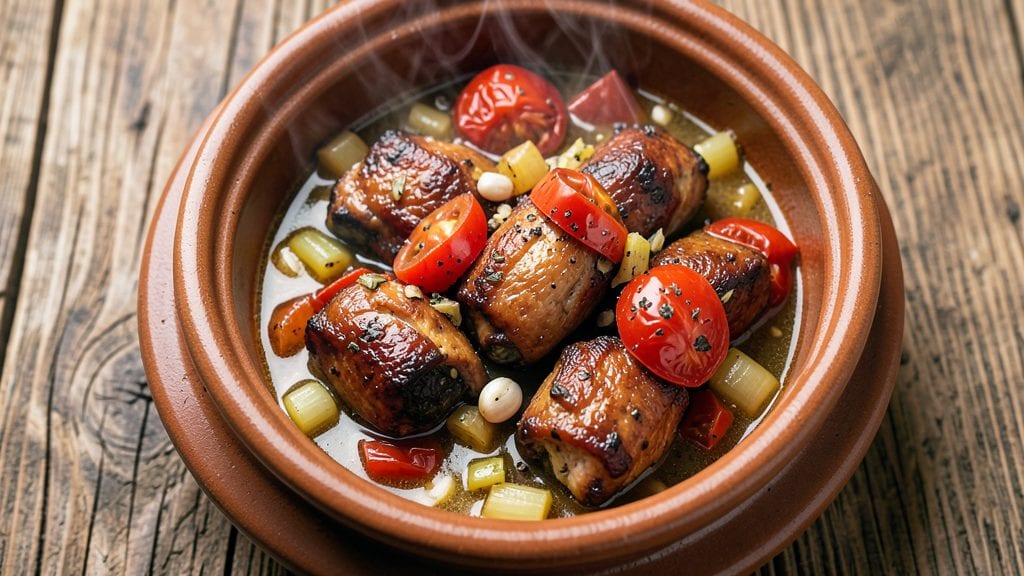
This stewed chicken gizzards recipe transforms tough, gamey offal into a rich, melt-in-your-mouth centerpiece that belongs at any Southern table.
Growing up in small-town Georgia, I learned gizzards weren't just scraps—they were the secret ingredient in my grandmother's slow-cooked stews, where their deep umami flavor became the heart of the dish. The key lies in proper preparation and patience, turning what many avoid into something truly special.
Mastering this dish means starting with clean, trimmed gizzards—no shortcuts—and building layers of flavor through slow simmering. A well-balanced blend of tomatoes, onions, and aromatic spices creates a sauce that tenderizes the meat while infusing it with homestyle warmth.
Unlike quick-cooked methods that leave gizzards tough, this recipe relies on low-and-slow braising to break down connective tissue, ensuring each bite is tender and deeply flavorful.
What you'll end up with is a golden-brown stew where gizzards fall apart at the touch of a fork, swimming in a velvety sauce that clings to every bite. The aroma alone—smoky, savory, and slightly sweet—will have your kitchen filled with anticipation.
This isn't just a side dish; it's a main event that transforms humble ingredients into something extraordinary. Ready to elevate your stew game?
Perfect for feeding a crowd or meal prepping, this recipe scales beautifully while maintaining its restaurant-quality depth. Pair it with crusty bread to soak up every last drop of that rich sauce, or serve alongside roasted potatoes for a complete homestyle meal.
Let's get cooking—your taste buds (and leftovers) will thank you.
Ingredients for stewed chicken gizzards
Sixteen ingredients, one slow-cooked transformation—gamey gizzards become melt-in-your-mouth perfection.
| Ingredient | Amount | Notes |
|---|---|---|
| Chicken Gizzards 🍗 | 1 ½ lb | Fresh, trimmed of fat and membrane |
| Yellow Onions 🧅 | 1 whole | Diced, medium size preferred |
| Garlic Cloves 🧄 | 6 cloves | Minced, fresh preferred |
| Celery Stalks 🥬 | 3 whole | Diced, fresh or frozen |
| San Marzano Tomatoes 🍅 | 2 cans | Crushed, 28 oz each |
| Chicken Broth 💧 | 2 cups | Homemade or quality low-sodium |
| Apple Cider Vinegar 🍎 | 2 tbsp | For brightness and tenderness |
| Smoked Paprika 🌶️ | 1 tbsp | For depth and smokiness |
| Ground Black Pepper 🌶️ | 1 tsp | Freshly cracked for potency |
| Bay Leaves 🌿 | 2 whole | Fresh if possible |
| Thyme Sprigs 🌿 | 2 whole | Fresh, stems removed |
| Olive Oil 🫒 | 2 tbsp | Extra-virgin for searing |
| All-Purpose Flour 🌾 | 2 tbsp | For dredging gizzards |
| Salt 🧂 | 1 ½ tsp | Diamond Crystal kosher salt |
| Butter 🧈 | 2 tbsp | Unsalted, for finishing |
Gizzards are the star, so source them fresh from a trusted butcher or poultry counter. Look for bright red, firm gizzards with minimal fat—local farms or specialty markets often have the best quality. Trim any remaining connective tissue or membrane before cooking, as these can make the meat tough. If you're nervous about the gamey flavor, don't be—proper preparation and slow cooking tame it beautifully. Costco or Whole Foods usually carry pre-trimmed gizzards if you want to skip this step. For the tomatoes, San Marzano cans are worth the splurge—they're sweeter and less acidic, letting the gizzards shine.
No San Marzano tomatoes? High-quality crushed tomatoes work, but avoid those with added salt or preservatives. Short on thyme? Dried thyme at half the amount is fine, but fresh adds a brightness dried can't match. The apple cider vinegar might sound odd, but it's key—it tenderizes the gizzards while adding a subtle tang. Substitute lemon juice in a pinch, but reduce to 1 tbsp. For the broth, homemade is ideal, but low-sodium store-bought works if you season it well. And if you're avoiding flour for dredging? Cornstarch or panko breadcrumbs work too, though flour gives the best texture.
This stew tastes even better the next day—plan ahead. Store leftovers in an airtight container in the fridge for up to 5 days, or freeze for 3 months. The sauce thickens as it cools, so add a splash of broth when reheating. For meal prep, double the batch—gizzards reheat beautifully and make for hearty lunches. If you're serving a crowd, keep the stew warm in a slow cooker on low. And trust me, the extra effort makes every bite worth it.
Why You'll Love This Recipe
- One-Pot Magic: I swear by this recipe—just toss everything in one pot, simmer, and walk away. The gizzards practically melt into tender perfection while the onions and celery soften into that sweet, caramelized base. No fancy techniques, no extra dishes.
- Deep Umami Bomb: That combo of San Marzano tomatoes and garlic? It’s like a flavor explosion in your mouth. The gizzards soak up all the rich, tangy goodness, giving you that hearty, restaurant-quality taste without the fuss.
- Leftover Goldmine: This stew gets even better the next day—yes, really. The flavors meld together, and the gizzards stay juicy. I make a big batch on Sundays and eat it all week, reheating with a splash of water to keep it moist.
- Budget Powerhouse: Gizzards are the secret weapon for stretching meals without breaking the bank. A few dollars buys enough for four servings, and the onions, celery, and tomatoes bulk it up into a filling, satisfying dish that feels special.
Step-by-step instructions for stewed chicken gizzards
Here's how to transform tough gizzards into melt-in-your-mouth perfection with deep, savory flavor.
Prepare the Gizzards for Cooking
Rinse the 1.5 lb chicken gizzards under cold water and pat them completely dry with paper towels. This step is crucial—any moisture left on the gizzards will prevent them from browning properly and could make your stew watery. Using a sharp chef's knife, trim away any remaining fat or membrane from the surface. I like to make a small slit in each gizzard if they're particularly thick—this helps them cook more evenly.
Place the trimmed gizzards in a bowl and season generously with the 1.5 tsp salt and 1 tsp ground black pepper. Toss them gently to ensure even coating. Next, dredge each gizzard lightly in the 2 tbsp all-purpose flour, shaking off any excess. This creates a delicate crust that will brown beautifully in the olive oil. Let them sit for 5 minutes while you prepare the aromatics—this resting period helps the flour adhere better.
Build the Flavor Base
Heat the 2 tbsp olive oil in a large Dutch oven over medium heat. Add the diced 1 whole yellow onion, diced 3 whole celery stalks, and minced 6 cloves garlic cloves. Cook for 8-10 minutes, stirring occasionally, until the vegetables soften and the garlic becomes fragrant. You'll know they're ready when the onions are translucent and the celery has broken down slightly—this forms the aromatic foundation of your stew.
Stir in the 1 tbsp smoked paprika and cook for an additional 30 seconds until the spices are toasted and their aroma fills your kitchen. This step develops the smoky depth that makes this dish so special. Immediately add the 2 tbsp apple cider vinegar and let it cook for 1 minute, allowing the acid to brighten the vegetables. Then pour in the 2 cans crushed San Marzano tomatoes and scrape up any browned bits from the bottom of the pot—this technique, called deglazing, captures all the flavor that would otherwise be lost.
Simmer the Gizzards Until Tender
Carefully add the seasoned gizzards to the Dutch oven, nestling them among the vegetables. Pour in the 2 cups chicken broth, making sure the gizzards are mostly submerged. The liquid should come about halfway up the sides of the gizzards. Add the 2 whole bay leaves and 2 whole thyme sprigs, then bring the mixture to a gentle simmer over medium-low heat. Here's the key: maintain a steady, gentle bubble—you're not looking for a rolling boil that would toughen the gizzards.
Cover the pot and let the gizzards simmer for 1 hour and 15 minutes. After the first 45 minutes, stir the stew once to distribute the flavors evenly. The gizzards are done when they're fork-tender and the cooking liquid has reduced slightly, creating a rich, velvety sauce. You'll know they're ready when they pull apart easily with minimal resistance and the sauce clings to them beautifully. If the liquid reduces too much before the gizzards are tender, add a splash of water or broth to maintain the proper consistency.
Finish with Butter and Rest
Remove the bay leaves and thyme sprigs from the stew. Stir in the 2 tbsp unsalted butter, allowing it to melt completely and create a glossy finish. The butter adds richness and helps emulsify the sauce, giving it that luxurious mouthfeel. Taste the stew and adjust the seasoning if needed—you might want to add a pinch more salt or a splash of apple cider vinegar to brighten the flavors.
Let the stewed gizzards rest for 10 minutes before serving. This resting period allows the flavors to meld completely and the gizzards to reabsorb any juices that might have escaped during cooking. Serve the gizzards hot, spooning them over crusty bread or with your favorite sides. The result should be tender, flavorful gizzards with a sauce that's rich, slightly tangy, and perfectly balanced.
Pro Tips For Making Stewed Chicken Gizzards
- SCORE THE GIZZARDS: Slash each gizzard lengthwise with kitchen shears before cooking—this prevents curling and guarantees even cooking. I used to skip this, and half the batch always ended up tough; now they break apart like butter.
- SWEAT THE AROMATICS LOW: Cook onions, garlic, and celery in batches if needed—don’t crowd the pan. After burning three batches, I finally figured out that a hot pan with space lets them soften without scorching. (Yes, even if you’re impatient like me.)
- CRUSH THE TOMATOES: Dump whole San Marzano tomatoes into a hot pan and let them burst open first—no need to peel or chop. The skins soften into the stew, and you save 10 minutes of prep. (Your future self will thank you.)
- SKIP THE BOIL: After browning the gizzards, deglaze with a splash of wine or broth, then immediately add the aromatics. Boiling them first makes them rubbery; this keeps them tender. (I know, I know—but trust the process.)
Pro cooking tips for perfect results
Dutch Oven Mastery
Your Dutch oven isn't just a pot—it's the secret weapon for this recipe. I swear by my Lodge 6.5-quart with its tight-fitting lid, which locks in moisture while allowing gentle steam to tenderize the gizzards.
Preheat it empty on the stove for 5 minutes before adding oil—this ensures even heat distribution from the start. The heavy cast iron also retains heat beautifully, so you'll spend less time monitoring the temperature once the stew is simmering. 🔥
Deglazing Like a Pro
Never skip the deglazing step after browning your aromatics—this is where 50% of the flavor develops. After the onions and celery soften, add the apple cider vinegar and let it bubble vigorously for 1 full minute.
The acid not only brightens the vegetables but also begins breaking down the gizzards' connective tissue. Then scrape every last bit from the bottom with a wooden spoon—those browned bits are pure umami gold. I keep a small offset spatula dedicated to this purpose in my kitchen. 💫
The 45-Minute Stir
At the 45-minute mark, give your stew a gentle stir—this isn't just about mixing, it's about repositioning the gizzards in the liquid. The ones floating on top might be browning too quickly, while those at the bottom could be undercooked.
Use a long wooden spoon to lift them all to the surface, then let them settle back down. This ensures even cooking and prevents any single gizzard from becoming overdone.
Pro tip: If you notice the sauce reducing too quickly, add ¼ cup hot broth to maintain the proper consistency. ⏰
Butter Finish Secrets
The final 2 tablespoons of butter do more than just add richness—they create a silky sauce texture by emulsifying the stew's natural fats. Swirl it in gently over low heat until completely melted, then let it sit for 30 seconds before stirring.
This allows the butter to coat the gizzards directly, creating that restaurant-quality sheen. For extra depth, I sometimes add ½ teaspoon of fresh thyme leaves at this stage—it's the little touches that make home cooking feel special. 🧈
Slow Cooker Adaptation
Short on time? Your slow cooker can handle this beautifully. After searing the gizzards and building the flavor base in a skillet, transfer everything to the slow cooker and cook on LOW for 6 hours or HIGH for 3 hours.
The key difference is you'll need to add ½ cup extra broth to account for the slower evaporation. I use my Hamilton Beach 6-quart with the lid slightly ajar during the final hour to let excess moisture escape—this prevents a watery finish. 💡
Gamey Flavor Control
If your gizzards still taste too gamey after cooking, don't despair—it's fixable. Add 1 teaspoon of sugar or 1 tablespoon of honey to the sauce during the final 10 minutes of cooking. The sweetness balances the umami while enhancing the overall depth of flavor.
For an extra boost, stir in 1 teaspoon of fish sauce (trust me, it works wonders) or a splash of dry sherry. The goal is to create harmony, not mask the natural taste entirely. 🌶️
Nutrition facts
Frequently asked questions
Why do I need to trim the fat from chicken gizzards before cooking?
Trimming fat ensures your stew develops a rich, velvety sauce instead of a greasy one. The fat can make the meat tough and the broth cloudy. Plus, excess fat can cause uneven cooking—trimmed gizzards absorb flavors more evenly and become fork-tender. Always remove any yellow membrane or connective tissue too; it never softens properly.
Can I use frozen chicken gizzards instead of fresh?
Yes, but thaw them properly first! Place them in a sealed bag and submerge in cold water for 20-30 minutes, changing the water halfway. Never thaw at room temperature—it encourages bacterial growth. For best results, pat them completely dry after thawing to prevent a watery stew.
How do I know when the gizzards are fully cooked?
They're done when they're fork-tender and pull apart easily with minimal resistance. The internal temperature should reach 165°F. Look for golden-brown edges and a sauce that's thickened but still clings to the meat. If they're still rubbery after 1 hour 15 minutes, add ¼ cup broth and simmer 15 more minutes.
What can I make with leftover stewed gizzards?
Transform leftovers into gizzard pot pie (add mashed potatoes and cheese), gizzard sandwiches with slaw, or gizzard-stuffed peppers. For quick meals, shred the gizzards into pasta sauce or taco filling. Store in an airtight container for up to 5 days or freeze for 3 months—they reheat beautifully!
Can I substitute chicken broth with something else?
Use beef broth for deeper richness or vegetable broth for a lighter version. For extra umami, try 1 cup mushroom broth or even 1 cup white wine (reduce by half first). Just remember: broth quality directly impacts flavor—never use low-sodium bouillon powder as a shortcut.