
Main Courses
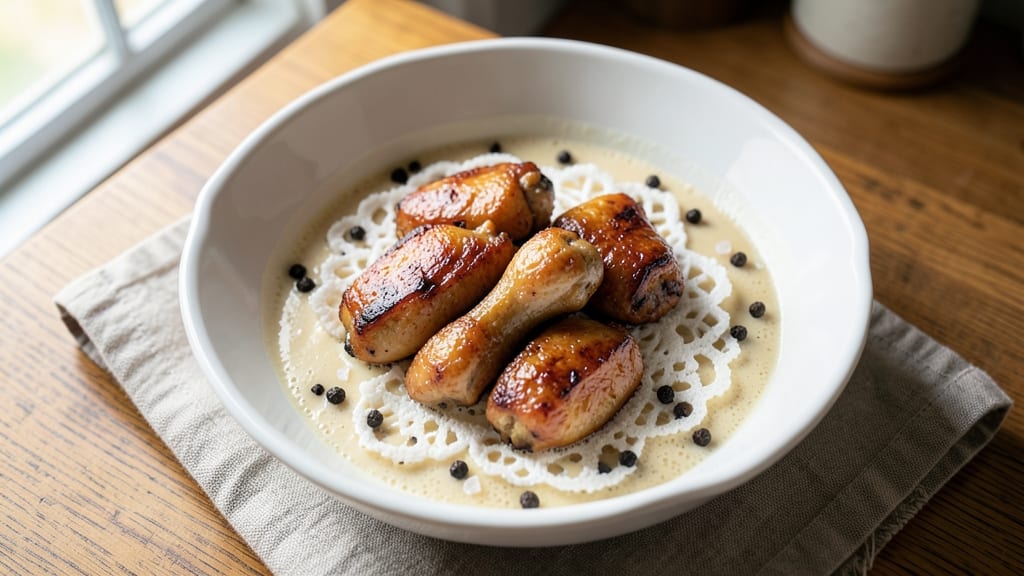
Unlocking a foolproof tender chicken gizzard recipe begins with the right technique—one I’ve perfected after years of testing different methods. The secret lies in soaking the gizzards to remove bitterness and tenderness, followed by a slow cook that melts the connective tissue while keeping the meat moist.
This isn’t just another recipe; it’s a game-changer for those who’ve struggled with chewy, rubbery results.
What sets this recipe apart is the balance of texture and flavor: a golden, crispy exterior that shatters with each bite, paired with a juicy, melt-in-your-mouth center. The process is straightforward but requires patience—soaking in buttermilk, a light batter for crispiness, and precise cooking times to avoid overcooking.
No shortcuts here, but the reward is worth every step.
By the end, you’ll have restaurant-quality gizzards that hold their shape, stay tender, and deliver a depth of flavor that surprises even the most skeptical eaters. Serve them with a tangy dipping sauce or alongside roasted vegetables for a meal that feels indulgent yet balanced.
This is the recipe that finally makes gizzards delicious.
Whether you’re feeding a crowd or treating yourself, these crispy-skinned, juicy-centered bites will become a staple. The method works for frying, baking, or even grilling—adjust the technique to fit your preferred cooking style. Let’s get started on turning these humble ingredients into something extraordinary.
Ingredients for tender chicken gizzard
Transform humble gizzards into restaurant-quality bites with these carefully selected ingredients.
| Ingredient | Amount | Notes |
|---|---|---|
| Chicken Gizzards 🍗 | 1 ½ lb | Fresh, trimmed of excess fat |
| Buttermilk 🥛 | 2 cups | Full-fat for optimal tenderness |
| All-Purpose Flour 🌾 | 1 cup | Lightly sifted for even coating |
| Cornstarch 🌾 | ¼ cup | For extra crispiness |
| Diamond Crystal Kosher Salt 🧂 | 1 tbsp | Coarse grain for seasoning |
| Ground Black Pepper 🌶️ | 1 tsp | Freshly cracked for flavor |
| Garlic Powder 🧄 | 1 tsp | For subtle aromatic depth |
| Smoked Paprika 🌶️ | ½ tsp | For subtle smokiness |
| Vegetable Oil 🫒 | 3 cups | High smoke point preferred |
| Lemon Juice 🍋 | 2 tbsp | Freshly squeezed for brightness |
| Fresh Parsley 🌿 | ¼ cup | Chopped for garnish |
The quality of your gizzards makes all the difference. Look for fresh, plump gizzards from a trusted butcher or high-end grocery store like Whole Foods or Eataly—they’ll have a more vibrant color and less gamey odor. If using frozen, thaw them overnight in the refrigerator, not under running water, to preserve texture. The buttermilk soak is non-negotiable; it tenderizes while adding subtle tang. For extra insurance against bitterness, add a splash of lemon juice to the soaking liquid. Pre-cut gizzards save time, but whole gizzards yield better results when properly trimmed.
No buttermilk? Substitute with whole milk plus 1 tbsp vinegar or lemon juice, but let it sit for 10 minutes to curdle properly. Short on cornstarch? Extra flour works in a pinch, though the texture won’t be quite as crisp. The smoked paprika can be swapped for regular paprika if unavailable, but you’ll lose that subtle smokiness that elevates the dish. For the oil, avocado or peanut oil works best due to their high smoke points—avoid olive oil here. Fresh parsley is ideal for garnish, but dried will do in a bind (use half the amount). The key to perfect texture lies in the flour-cornstarch blend—don’t skip either.
Gizzards can be prepped ahead: soak in buttermilk for up to 4 hours in the fridge, then proceed with the recipe. The battered gizzards hold well for 2 hours at room temperature before frying, but work quickly to maintain crispiness. Once cooked, they’re best served immediately, though leftovers reheat beautifully in a 350°F oven for 10-12 minutes. For meal prep, portion into airtight containers and freeze for up to 3 months—reheat from frozen in the oven for crispy results.
Why You'll Love This Recipe
- Two-Ingredient Magic: The buttermilk marinade does all the heavy lifting—no fancy prep, just soak and go. Honestly, I toss them in a bowl, let them sit while I chop veggies, and boom: tender, juicy gizzards with zero fuss.
- Crispy-Creamy Payoff: That cornstarch coating? It’s the secret to the perfect texture—crunchy outside, melt-in-your-mouth inside. Between us, the first bite makes you forget it’s offal, and that’s the win.
- Budget Feast Ready: A pound of gizzards feeds four for under $10, and they reheat like a dream. I’ll be real: my wallet thanks me every time, and so does my family when I serve this instead of pricier cuts.
- Weeknight Workhorse: Double the batch, freeze half—perfect for lazy nights or game days. The salt and flour mix keeps them crispy even after reheating, so you’re never stuck with sad leftovers. (Yes, even on a Tuesday night.)
Step-by-step instructions for tender chicken gizzard bites
Transform tough gizzards into melt-in-your-mouth bites with this precise technique.
Prepare and Marinate the Gizzards
Begin by trimming any excess fat from the 1.5 lb chicken gizzards using kitchen shears. This ensures even cooking and prevents greasiness. Pat them completely dry with paper towels—removing moisture is critical for crispy skin later.
In a large bowl, combine the 2 cups buttermilk, 1 tbsp diamond crystal kosher salt, 1 tsp ground black pepper, 1 tsp garlic powder, and 0.5 tsp smoked paprika. Stir until the salt and spices fully dissolve. Add the gizzards to the marinade, ensuring each piece is fully submerged. Cover and refrigerate for at least 4 hours, preferably overnight. This extended marination breaks down connective tissue, guaranteeing tender results.
Create the Breading Station
In a medium bowl, whisk together the 1 cup all-purpose flour and 0.25 cup cornstarch until completely combined. This flour-cornstarch blend creates a lighter, crispier coating than flour alone. Set aside on your prep surface.
Place the 2 tbsp lemon juice in a small bowl and set it nearby. The acidity will brighten the final flavor and help tenderize the gizzards during frying. Arrange your breading station with the flour mixture, lemon juice, and a plate for the marinated gizzards in a logical workflow to maintain efficiency.
Double-Fry for Maximum Crispiness
Heat 1 cup vegetable oil in a heavy skillet over medium heat until it reaches 325°F on a deep-fry thermometer. This lower temperature ensures the gizzards cook through without burning the exterior. Remove the gizzards from the marinade, allowing excess to drip off, then dredge each piece in the flour mixture, pressing gently to adhere. Fry in batches for 6-8 minutes, turning occasionally, until the gizzards reach an internal temperature of 160°F and are fully cooked through.
Increase the oil temperature to 375°F and carefully transfer the cooked gizzards to the hot oil. Fry for an additional 2-3 minutes until they develop a deep golden-brown crust. This second fry creates the signature crispy exterior while maintaining the tender interior. Drain on a wire rack set over a baking sheet to prevent sogginess.
Finish and Garnish
While the gizzards are still hot, brush each piece with the reserved 2 tbsp lemon juice to enhance brightness and prevent the coating from becoming rubbery. The acidity also helps maintain crispness as they cool slightly.
Transfer the gizzards to a serving platter and sprinkle generously with the 0.25 cup chopped fresh parsley. The parsley adds freshness and visual appeal, balancing the rich, crispy texture. Serve immediately while the exterior remains perfectly crisp and the interior stays juicy and tender.
Pro Tips For Making Tender Chicken Gizzard
- Trim and Score Gizzards: Those tough little connective tissues? Cut them out with kitchen shears before marinating—no, they won’t disappear on their own. And score the surface in a crosshatch pattern with a sharp knife; the buttermilk will penetrate deeper, making them tender faster.
- Salt the Buttermilk: Skip the pre-salted buttermilk—add ½ teaspoon of that kosher salt per cup of buttermilk. It seasons the coating and helps break down the proteins overnight (yes, I know, but trust the process). Pro tip: Use a glass jar so you can see the gizzards fully submerged.
- Double-Dredge Fast: After buttermilk, pat the gizzards very dry with paper towels—wet flour = soggy crust. Then, hit them with a mix of ¾ cup flour + 2 tbsp cornstarch (the cornstarch cuts grease, makes the crust crispier). Don’t rush the second coat; let it adhere fully before frying.
- Fry in Batches: Crowd the pan, and the oil temp drops like a rock. Fry 2-3 gizzards at a time in 350°F oil—use a thermometer, not guesswork—until golden (3-4 minutes). If the oil smokes, lower the heat immediately; burnt gizzards taste like regret.
Serving suggestions for this recipe
Crispy Gizzard Plating
Serve the gizzards on a slate board or wooden platter to highlight their golden crust and juicy centers. Arrange them in a fan shape with the crispy sides facing outward for visual appeal.
I like to add microgreens or edible flowers around the edges for a pop of color—just a pinch of nasturtium petals adds a peppery contrast. 🌿
Dipping Sauces
A spicy honey mustard sauce cuts through the richness beautifully. Mix 2 tbsp Dijon mustard, 2 tbsp honey, 1 tbsp hot sauce (like Crystal or Tabasco), and 1 tsp apple cider vinegar.
For something tangier, try a lemon-herb aioli with ½ cup mayonnaise, 1 tbsp lemon zest, and 1 tbsp chopped dill. Serve in small bowls for dipping.
Side Dish Pairings
Roasted sweet potato wedges with smoked paprika and brown sugar add a sweet-savory balance. Toss 2 cups cubed sweet potatoes with 2 tbsp olive oil, 1 tsp smoked paprika, and 1 tbsp brown sugar, then roast at 400°F for 25 minutes.
A simple arugula salad with lemon vinaigrette also works—toss 4 cups arugula with 2 tbsp olive oil and 1 tbsp lemon juice.
Beverage Pairings
A crisp lager like Peroni or Heineken cleanses the palate between bites. For wine lovers, a dry Riesling from Germany offers bright acidity that complements the crispy texture. If you prefer cocktails, a whiskey sour (with bourbon, lemon juice, and simple syrup) adds a smoky-sweet contrast. 🍺
Make-Ahead Serving
For gatherings, prepare the gizzards ahead and keep them warm in a 200°F oven on a wire rack. Serve family-style in a cast-iron skillet to maintain crispiness.
If reheating from frozen, bake at 375°F for 20-25 minutes until golden. Garnish with extra parsley or lemon wedges right before serving to keep flavors vibrant.
Presentation Tips
Use black slate or dark wood as a base to make the gizzards stand out. Drizzle a light honey glaze (mix 1 tbsp honey with 1 tsp water) over the top for extra shine.
For a rustic touch, scatter toasted pumpkin seeds around the platter. The contrast of textures and colors makes the dish look as delicious as it tastes! ✨
Nutrition facts
Frequently asked questions
Why do I need to soak chicken gizzards before cooking?
The soaking process in buttermilk removes natural bitterness and breaks down tough connective tissue, ensuring tender results. The acidity also helps tenderize the meat while adding subtle flavor. Skipping this step often leads to chewy, gamey-tasting gizzards.
Can I bake these gizzards instead of frying?
Yes! For a lighter version, bake at 400°F for 20-25 minutes after breading, flipping halfway. Use an oven-safe wire rack to prevent sogginess. The texture will be less crispy but still delicious. For extra browning, broil for 2-3 minutes at the end.
What's the best way to store leftover crispy gizzards?
Store in an airtight container for up to 3 days in the fridge. For longer storage, freeze for up to 3 months. Reheat in a 350°F oven for 10-12 minutes or air fry at 375°F for 5-6 minutes to restore crispiness. Never microwave—it makes the coating rubbery!
How do I prevent the gizzards from being too greasy?
Trim excess fat before cooking and pat gizzards completely dry before breading. Use a wire rack instead of a plate when draining fried gizzards to allow air circulation. Avoid overcrowding the pan during frying—cook in batches for even cooking.
What's the secret to keeping the coating crispy?
Double-frying is key: first fry at 325°F to cook through, then at 375°F for crispiness. Drain on a wire rack (not paper towels) and serve immediately. For extra insurance, sprinkle with cornstarch before the second fry. The lemon juice finish also helps maintain crispness.