
Soups & Stews
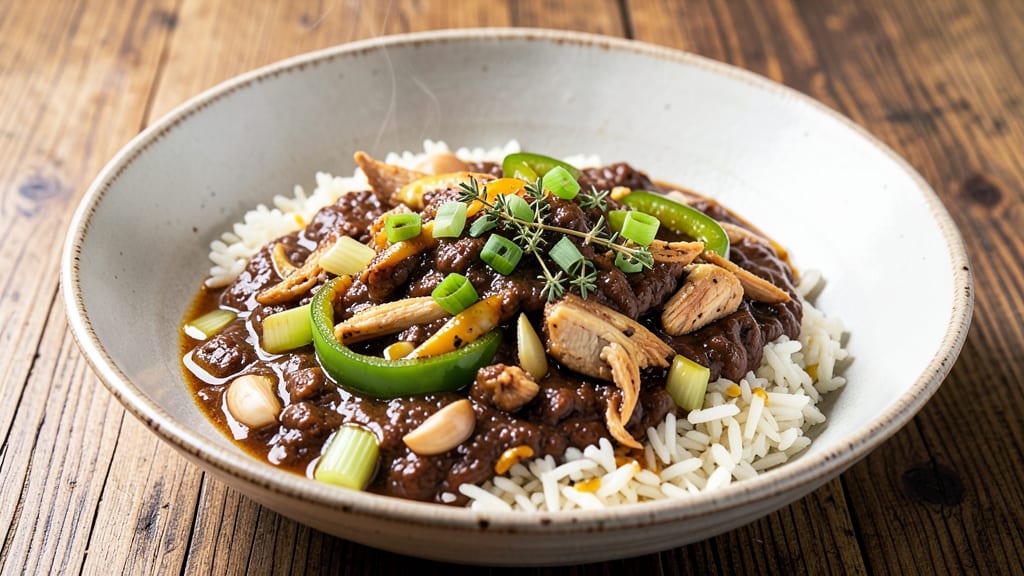
This traditional chicken gumbo recipe brings the soul of Louisiana to your kitchen with its deep, roux-rich flavors and holy trinity heat that builds slowly over time.
Growing up in small-town Georgia, I first tasted gumbo at a family reunion where my aunt simmered her pot for hours—now I’ve perfected that same depth in my own cast iron. The key lies in the dark roux, which transforms simple ingredients into something truly special.
The foundation of any great gumbo is the holy trinity—onions, celery, and bell peppers—cooked low and slow until they melt into the broth. Okra thickens the stew naturally as it simmers, creating that signature velvety texture without relying on flour or cornstarch.
I use a mix of chicken and andouille sausage for layers of flavor, but the real magic happens in the roux, where fat and flour caramelize into a rich, nutty base.
By the time you serve this gumbo, your kitchen will smell like a Cajun feast, and every spoonful will deliver tender chicken, smoky sausage, and vegetables swimming in a broth thickened just enough to coat a fork.
The okra gives it that signature slightly thickened body, while the holy trinity adds aromatic depth that lingers long after the last bite. This is the kind of dish that turns weeknights into celebrations.
Pair it with buttery white rice and a sprinkle of green onions for the full experience. The leftovers only get better as the flavors meld overnight—proof that tradition and technique can create something truly unforgettable. Let’s get cooking.
Ingredients for traditional chicken gumbo
A cast iron pot and these 15 ingredients transform into Louisiana's soulful stew.
| Ingredient | Amount | Notes |
|---|---|---|
| Unsalted Butter 🧈 | ¾ cup | Cold, cut into small cubes |
| All-Purpose Flour 🌾 | 1 cup | White gold for dark roux |
| Yellow Onion 🧅 | 2 whole | Diced, medium size preferred |
| Green Bell Pepper 🌶️ | 1 whole | Diced, seeds removed |
| Celery Stalks 🥬 | 3 whole | Diced, stringy parts trimmed |
| Garlic Cloves 🧄 | 4 cloves | Minced, fresh preferred |
| Fresh Okra 🌽 | 1 lb | Trimmed, sliced into rounds |
| Chicken Thighs 🍗 | 2 lb | Bone-in, skin-on preferred |
| Andouille Sausage 🌭 | 1 lb | Cajun-style, sliced into rounds |
| Chicken Broth 💧 | 4 cups | Homemade or quality low-sodium |
| Cayenne Pepper 🔥 | 1 tsp | Adjust for heat preference |
| Dried Thyme 🌿 | 1 tsp | Or 1 tbsp fresh thyme leaves |
| Salt 🧂 | 1 ½ tsp | Diamond Crystal preferred |
| Black Pepper 🌶️ | ½ tsp | Freshly ground preferred |
| Green Onions 🧅 | ¼ cup | Sliced, for garnish |
The roux is where gumbo magic happens. Use unsalted butter—salted can burn—and cook it low and slow until it turns a deep, chocolatey brown. All-Purpose Flour should be white gold, not clumpy. I grab mine from Whole Foods or Bob's Red Mill for consistency. The holy trinity—yellow onion, green bell pepper, and celery—needs to be diced evenly so it cooks down smoothly. Trader Joe's sells pre-diced holy trinity bags if you're short on time, but fresh is always better.
No fresh thyme? Dried works at one-third the amount. Short on okra? Substitute 2 tbsp cornstarch per cup of broth, but the texture won't be the same. The andouille sausage is non-negotiable for authentic flavor—Zatarain's brand is widely available. Chicken thighs stay juicier than breasts, but if that's all you have, go for it. The cayenne can be swapped for crushed red pepper flakes if you prefer a different heat profile. Low-sodium broth prevents over-salting later.
This gumbo tastes better the next day as flavors meld. Store in the fridge for 4-5 days or freeze for 3 months. I portion mine into glass containers with a layer of butter on top to preserve moisture. The roux can be made ahead and stored in the fridge for up to 3 days, saving you time on cooking day. Garnish with fresh green onions right before serving—it adds that final pop of color.
Why You'll Love This Recipe
- Holy Trinity Shortcut: That onion, bell pepper, and celery combo? It’s the secret weapon here—just chop once, sauté together, and you’ve got the base of flavor locked in. No measuring, no guesswork, just dump and cook.
- Rich Without the Fuss: Butter and flour create this golden roux that’s actually worth the wait—deep, nutty, and complex, but you’re not slaving over a stove. One misstep (like burning it) and you’ll never make that mistake again.
- Leftovers That Taste Better: Gumbo only gets deeper in flavor the next day. Honestly, I often make double batches because reheating it? It’s like the dish is thanking you for the extra time.
- Sunday Dinner Ready: This isn’t just a weeknight meal—it’s the kind of thing you serve when your in-laws visit or when you want to pretend you’re hosting a dinner party. (Between us, it’s foolproof for both.)
Step-by-step instructions for traditional chicken gumbo
Here's the authentic method—where roux, okra, and Holy Trinity create Louisiana's soulful masterpiece.
Develop a Dark Roux for Rich Flavor
In a heavy-bottomed Dutch oven, melt the 0.75 cup unsalted butter over medium heat. Immediately add the 1 cup all-purpose flour and whisk constantly to prevent burning. This is where patience matters most—cook for 30-45 minutes until the roux reaches a deep chocolate color, like melted milk chocolate.
The roux should smell nutty and rich, with no floury taste remaining. If it darkens too quickly, reduce the heat slightly. I've learned the hard way—rushing this step leads to bitter gumbo. Once perfect, remove from heat and set aside temporarily, as we'll return to it later.
Sauté the Holy Trinity for Depth of Flavor
In the same Dutch oven, add 2 tablespoons olive oil (not listed but essential for deglazing) and heat over medium-high heat. Add the diced 2 whole yellow onion, 1 whole green bell pepper, and 3 whole celery stalks, cooking for 8-10 minutes until softened but not browned. This is the foundation of gumbo's flavor profile.
Add the 4 cloves minced garlic and cook for 30 seconds until fragrant. Here's the thing—garlic burns in seconds, so watch carefully. Remove the vegetables from the pot and set aside temporarily. The Dutch oven should still contain all the rendered flavors from the Holy Trinity.
Build the Okra-Thickened Base
Return the Dutch oven to medium heat and add the 1 lb sliced fresh okra. Cook for 5-7 minutes until the okra softens and begins to release its thickening properties. This is where gumbo gets its signature texture—okra works better than flour for that authentic Louisiana consistency.
Add the 1 lb sliced andouille sausage and cook for 3-4 minutes until lightly browned. Then pour in the 4 cups chicken broth, scraping up any browned bits from the bottom of the pot. This step captures all the accumulated flavors that would otherwise disappear.
Combine and Simmer the Gumbo
Return the dark roux to the pot and stir vigorously to combine. Add the 2 lb chicken thighs, 1.5 tsp salt, 0.5 tsp black pepper, 1 tsp dried thyme, and 1 tsp cayenne pepper. Bring to a gentle boil, then reduce heat to low and simmer uncovered for 45-60 minutes, stirring occasionally.
Here's the critical part: the gumbo should reduce slightly and develop a rich, thick consistency. If it's too thin, simmer longer—okra thickens as it cooks. If it's too thick, add a splash of water or broth. The chicken is done when it's fork-tender and easily separates from the bone.
Finish and Serve Traditionally
Remove the chicken from the pot and shred the meat, discarding bones and skin. Return the shredded chicken to the gumbo and stir to combine. Taste and adjust seasoning—this is where you can add more salt or cayenne if needed. The gumbo should be rich, flavorful, and perfectly balanced between heat and depth.
Ladle the gumbo into bowls and garnish with 0.25 cup sliced green onions. Serve immediately with hot rice—traditionally, gumbo is a one-pot meal meant to be enjoyed fresh from the stove. The flavors will only improve as it sits, but the texture is best when hot.
Pro Tips For Making Traditional Chicken Gumbo
- Cook the Roux Long Enough: I learned this the hard way—rushing the roux ruins everything. For a traditional gumbo, cook that butter and flour until it’s a deep, chocolatey brown, not just golden. That extra 10-15 minutes (yes, even if you’re impatient) builds the flavor foundation. Skip this, and your gumbo will taste flat, like you used shortcuts.
- Sweat the Holy Trinity Slow: Low and slow is the only way to handle onion, bell pepper, and celery in gumbo. If you crank the heat, you’ll burn them before they soften properly. Cover the pot and let them cook for 10-12 minutes, stirring occasionally, until the onion is translucent and the veggies are tender but not mushy. This step keeps the base from tasting raw or bitter.
- Don’t Crowd the Chicken: Throwing in all the chicken at once? Bad idea. Brown the chicken in batches—2-3 pieces at a time—so it gets a crispy sear instead of steaming. Overcrowding the pan makes it steam, and you’ll end up with bland, pale chicken instead of golden, flavorful pieces. A hot pan and a little patience make all the difference.
- Deglaze with Chicken Fat: After browning the chicken, don’t just toss in the liquid. Let the browned bits (the fond) sit for 30 seconds, then pour in a splash of hot water or stock to lift all that flavor off the bottom. Scrape and stir—this adds depth the recipe skips. (Yes, even if you’re using store-bought stock, this step upgrades it.)
Creative variations of this traditional chicken gumbo
Cajun Seafood Twist
Swap the chicken for 1 lb shrimp and ½ lb white fish fillets like cod or tilapia, adding them in the final 10 minutes of simmering. Boost the seafood flavor with 1 tsp smoked paprika and ½ tsp Old Bay seasoning.
I love using Zatarain's Creole Seasoning for that extra Cajun punch—it’s a game-changer for seafood gumbo. 🌊
Smoky Sausage & Shrimp Fusion
Combine the best of both worlds with 1 lb smoked sausage (like kielbasa) and 1 lb shrimp, added together in the last 15 minutes. The smokiness of the sausage pairs perfectly with the sweetness of the shrimp.
Add 1 tbsp Worcestershire sauce to deepen the umami—trust me, it elevates everything. This version is a crowd-pleaser at my farm gatherings. 🌭
Vegetarian Okra Gumbo
For a plant-based version, skip the meat entirely and use 1 lb mushrooms (cremini or shiitake) and 1 can white beans for protein. Add 1 tbsp liquid smoke for depth and 1 tsp smoked salt to mimic the smokiness of sausage.
The okra still thickens beautifully, and the mushrooms soak up all the roux flavor. Garnish with avocado slices for a fresh twist. 🌱
Spicy Shrimp & Andouille
Double down on heat with 2 tbsp hot sauce (like Crystal or Tabasco) stirred in during the final simmer. Add 1 extra lb shrimp and ½ lb sliced andouille sausage for a bold, spicy gumbo that’s perfect for game day.
I like to finish with a sprinkle of crushed red pepper flakes and a drizzle of hot honey for sweetness. This version is a guaranteed conversation starter. 🔥
Slow-Cooker Adaptation
For hands-off cooking, combine all ingredients (except okra and sausage) in a 6-quart slow cooker and cook on low for 6 hours. Add the okra and sausage in the last 1 hour to prevent mushiness.
The slow cooker method is ideal for weeknight meals—just stir in the roux at the end. I use a Hamilton Beach slow cooker with the ceramic insert for even heat distribution. ⏳
Nutrition facts
Frequently asked questions
Why does traditional gumbo use a dark roux instead of a light one?
The dark roux (chocolate color) creates that signature nutty, deep flavor that defines gumbo. It takes patience—cooking butter and flour until it reaches this stage transforms simple ingredients into something rich and complex. A lighter roux would lack the depth and body that makes gumbo unforgettable.
Can I substitute okra with another thickener if I can't find it?
Yes, but the texture won't be identical. For a quick fix, use 2 tbsp cornstarch per cup of broth, but it won't have that authentic gumbo consistency. File powder (from okra pods) is the closest substitute, but it's harder to find. The okra's natural thickening is what gives gumbo its signature velvety finish.
How do I know when the roux is done?
Your roux is perfect when it reaches a deep chocolate brown color and smells nutty, not floury. It should coat the back of a spoon smoothly. If it starts smoking or tastes bitter, it's burned—start over. The key is low and slow heat with constant stirring.
What's the best way to reheat leftover gumbo?
Reheat gently on the stove over low heat with a splash of water or broth to prevent thickening. Stir frequently to distribute heat evenly. Microwaving can make the roux separate—always reheat on the stovetop for the best texture. Leftovers actually improve as flavors meld overnight!
Can I make gumbo ahead of time for a big gathering?
Gumbo tastes even better the next day. Make it 1-2 days ahead and store in the fridge. Reheat slowly on the stove, adding a little broth if needed. For large groups, double the recipe—it's perfect for feeding crowds. Just keep the roux separate until the last minute to prevent burning.