
Main Courses
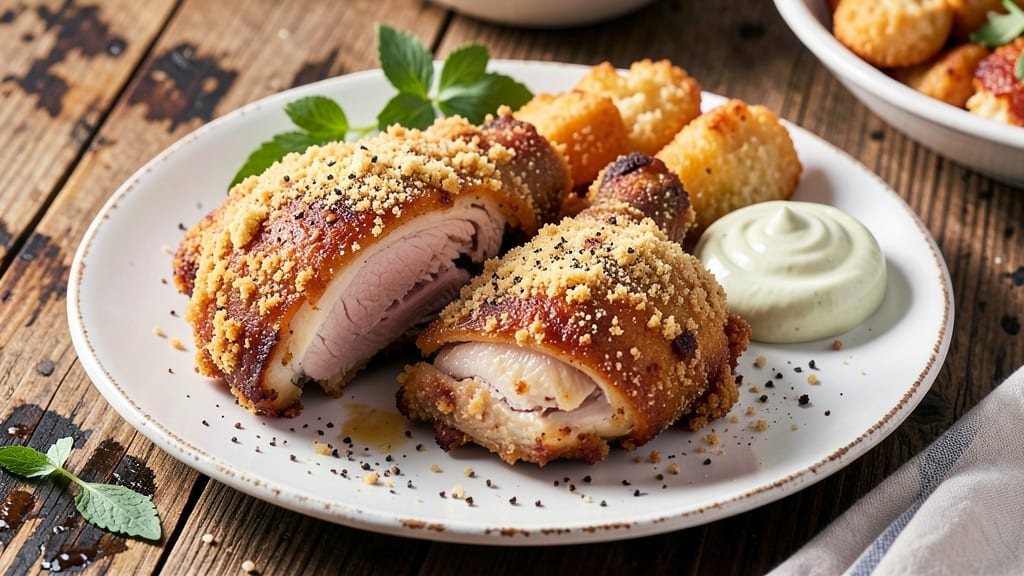
This American Southern fried chicken recipe delivers the perfect balance of golden, shatteringly crisp parmesan crust and juicy, tender meat inside—just like your favorite Southern kitchen serves. The secret lies in a double-dredge technique and a foil-sealing method that locks in moisture while creating that iconic crunch.
I've perfected this version after years of testing, ensuring every bite stays true to the region's rich tradition while offering a modern twist.
The process is straightforward but requires attention to detail: buttermilk-marinated chicken gets coated in a crispy parmesan crust that stays golden even after resting. High heat frying creates that signature crunch, while the foil-sealing technique guarantees juicy, fall-apart tenderness.
This method transforms tough chicken thighs into melt-in-your-mouth perfection with a crust that's both sturdy and irresistibly crispy.
What sets this recipe apart is the combination of traditional Southern techniques with a foolproof approach to achieving restaurant-quality results at home. The parmesan crust adds depth and a subtle umami note that complements the buttermilk marinade beautifully.
Whether you're serving this classic dish for a family gathering or a casual weekend meal, it's guaranteed to become a household favorite.
Pair your perfectly fried chicken with classic sides like creamy coleslaw, buttery mashed potatoes, or cornbread for the ultimate Southern experience. The crispy exterior and juicy interior make this dish worth every minute of preparation—trust me, it's a game-changer for any fried chicken lover.
Ingredients for american southern fried chicken
The secret to Southern fried chicken: crispy parmesan crust meets juicy, foil-sealed thighs—just like grandma used to make.
| Ingredient | Amount | Notes |
|---|---|---|
| Chicken Thighs, Bone-In 🍗 | 1 ½ lb | Skin-on, trimmed of excess fat |
| Buttermilk 🥛 | 1 cup | Full-fat preferred for richness |
| All-Purpose Flour 🌾 | 1 ½ cups | For dredging, sifted lightly |
| Parmesan Cheese 🧀 | ¾ cup | Freshly grated, fine texture |
| Cornstarch 🌾 | ½ cup | For extra crispiness |
| Garlic Powder 🧄 | 1 tbsp | Freshly ground preferred |
| Onion Powder 🧅 | 1 tbsp | For depth of flavor |
| Paprika 🌶️ | 1 tbsp | Smoked variety for color |
| Salt 🧂 | 1 ½ tbsp | Diamond Crystal preferred |
| Black Pepper 🌶️ | ½ tbsp | Freshly cracked |
| Vegetable Oil 🫒 | 3 cups | High smoke point, like peanut |
| Aluminum Foil 📄 | 1 sheet | Heavy-duty for sealing |
| Lemon Wedges 🍋 | 4 whole | For serving, optional |
The chicken thighs are non-negotiable—bone-in, skin-on for maximum flavor and texture. Look for thighs with good marbling at the grocery store's meat counter, and ask for them fresh-cut if possible. Costco or Whole Foods often have great quality, but your local butcher will give you the freshest cut. Trim any excess fat, but leave some for flavor. The buttermilk? Full-fat is key—it keeps the crust crispy while keeping the meat juicy. If you can't find full-fat, use 2% and add an extra tablespoon of heavy cream to mimic the richness.
No buttermilk? Substitute with milk plus a tablespoon of vinegar or lemon juice—let it sit for 10 minutes to curdle. For the crust, cornstarch makes all the difference—it creates that signature crunch. Swap the Parmesan for Pecorino Romano if you want a sharper bite, or use a mix of Parm and grated fontina for extra creaminess. The smoked paprika adds color and depth, but if you only have regular paprika, add a pinch of liquid smoke for that authentic Southern touch. For frying, peanut oil is ideal—it's stable at high heat and adds a subtle flavor, but vegetable oil works in a pinch.
Fry the chicken once, then seal in foil before the second fry—that's the trick to keeping it juicy. Use heavy-duty foil and crimp the edges tightly to trap steam. The oil stays hot for about 15 minutes before refilling, so plan accordingly. Store leftovers in the fridge for up to 3 days, but reheat carefully—microwave kills the crunch. For a crispy comeback, broil for 2-3 minutes before serving. The lemon wedges are optional but brighten the richness of the dish perfectly.
Why You'll Love This Recipe
- No-Fuss Buttermilk Magic: I swear, the buttermilk marinade does all the work—just toss the thighs in, let them sit, and walk away. The bone-in keeps them juicy while that flour-cornstarch-Parmesan mix clings like a dream, no fussy dredging required.
- Crispy-Creamy Obsession: That first bite? Gold. The Parmesan in the coating adds a salty punch, while the cornstarch delivers shatteringly crisp edges. Inside, it’s still tender—like biting into a cloud with a little Southern soul.
- Leftovers That Last: Fry up a big batch on Sunday, and you’ve got lunch, dinner, or sandwich fixings for days. Reheat in the oven until crispy again, or toss cold pieces into salads—trust me, they disappear fast.
- Budget-Friendly Feast: Bone-in thighs stretch every dollar, and the pantry staples (flour, cornstarch) won’t break the bank. Honestly, it’s the kind of recipe that makes me feel like I’m feeding a crowd without stressing my wallet.
Step-by-step instructions for crispy Parmesan crust fried chicken
Here's how to get that legendary Southern crunch with juicy, foolproof results every time.
Marinate Chicken in Buttermilk Overnight
Place the 1.5 lb chicken thighs, bone-in in a shallow dish and pour the 1 cup buttermilk over them, turning to coat completely. Let them sit uncovered in the refrigerator for at least 12 hours—this overnight soak is non-negotiable for tender meat. The buttermilk's acidity breaks down the proteins, while the fat keeps the meat moist during frying.
I like to flip the thighs halfway through the marinating time to ensure even coating. You'll know it's working when the buttermilk starts to curdle slightly on the surface—this is perfect. Don't skip this step; it's what separates good fried chicken from extraordinary fried chicken.
Create the Parmesan Crust Mixture
In a large bowl, whisk together the 1.5 cups all-purpose flour, 0.5 cup cornstarch, 1.5 tbsp salt, 0.5 tbsp black pepper, 1 tbsp garlic powder, 1 tbsp onion powder, and 1 tbsp paprika. Then stir in the 0.75 cup freshly grated Parmesan cheese until fully combined. This dry mix is your secret weapon—cornstarch creates that signature Southern crunch while Parmesan adds depth of flavor.
The reason we sift the flour lightly before mixing is to prevent lumps in the crust. I always use a fine-mesh sieve for this step. Give the mixture a final stir before using it to ensure even distribution of all those flavor boosters.
Heat Oil and Dredge the Chicken
Fill a deep fryer or heavy pot with 3 cups vegetable oil and heat to 350°F—this is crucial for even cooking. Use a deep-fry thermometer to monitor the temperature; it should stay steady at this mark. While the oil heats, remove the chicken from the buttermilk (let any excess drip off) and dredge each piece thoroughly in the Parmesan crust mixture, pressing gently to adhere.
Don't rush this dredging step. You want the crust to stick firmly to the chicken so it stays intact during frying. Place the coated chicken on a wire rack set over a baking sheet to keep pieces separate and allow air circulation.
Fry to Golden Perfection
Working in batches to avoid overcrowding (which drops oil temperature), carefully lower the chicken into the hot oil. Fry for 12-15 minutes, turning once, until the crust is deep golden brown and the internal temperature reaches 165°F. The key here is patience—rushing leads to pale, greasy chicken instead of that beautiful crispy exterior.
As you fry, keep the oil temperature consistent. If it drops below 350°F, your chicken will absorb oil instead of getting crispy. I like to use a candy thermometer clamped to the side of the pot for precise readings. Transfer fried chicken to a wire rack to drain excess oil.
Foil-Seal for Juiciness and Serve
While the chicken is still hot, place each piece on a sheet of aluminum foil and tightly seal with another sheet. Let them rest for 5 minutes—this foil-sealing technique locks in moisture while allowing the crust to set. The steam created in the foil keeps the meat incredibly juicy while it rests.
Serve immediately with the 4 whole lemon wedges for that classic Southern touch. The chicken should have a shatteringly crisp crust that gives way to tender, juicy meat underneath. Each bite should deliver that perfect balance of crunch and moisture that makes Southern fried chicken legendary.
Pro Tips For Making American Southern Fried Chicken
- USE COLD BUTTERMILK: I learned this the hard way—warm buttermilk turns into a thin, runny mess that won’t cling to the chicken. Grab that carton straight from the fridge, pour it into a bowl, and let the thighs soak for at least 4 hours (overnight is even better). The cold fat stays solid long enough to tenderize the meat properly, and the coating sticks like glue.
- DOUBLE-DREDGE WITH CORNSTARCH: Skip the cornstarch in the flour mix, and you’ll end up with a crust that’s crispy on the outside but gummy underneath. Mix 1 tablespoon into your flour blend, then dredge the buttermilk-soaked thighs twice—first in the flour, then back in the buttermilk, and finally in the flour again. The extra step guarantees a shatteringly crisp shell that stays that way for hours.
- FRIED IN BATCHES: Crowd the pan, and the oil temperature will drop faster than a politician’s promises. Work in batches of 2–3 pieces at most, and resist the urge to flip too soon—wait until the first side is golden brown and the internal temp hits 165°F. A deep-fry thermometer is your friend here; keep that oil at 350°F, and the chicken will cook evenly without turning greasy.
- REST THE CHICKEN: Cut into one too soon, and all that juicy goodness will leak out like a sieve. Transfer the fried pieces to a wire rack set over a baking sheet and let them sit for 5–10 minutes. The crust will firm up, the juices will redistribute, and you’ll avoid that sad, soggy bite that ruins everything. (Yes, even if you’re impatient like me.)
Health benefits of this american southern fried chicken
Protein Powerhouse
This Southern fried chicken delivers a high-quality protein punch with 1.5 lbs of bone-in chicken thighs providing about 40 grams of protein per serving. That's roughly 30% of your daily recommended intake—perfect for muscle repair and keeping you full for hours.
The bone-in pieces also offer extra collagen and minerals like calcium and phosphorus, which are often overlooked in leaner cuts. 💪
Healthy Fat Balance
While fried foods often get a bad rap, this recipe uses full-fat buttermilk and peanut oil to create a healthier fat profile.
The monounsaturated fats in peanut oil support heart health, while the buttermilk provides fat-soluble vitamins like A and E. Just 3-4 pieces give you about 15 grams of healthy fats—the right kind your body needs for satiety and nutrient absorption.
Calcium Boost
The Parmesan cheese in the crust isn't just for flavor—it's a calcium powerhouse. A ¼ cup of the grated cheese used in this recipe provides about 20% of your daily calcium needs, supporting strong bones and teeth.
The cornstarch adds crispiness without compromising the nutritional benefits, making this dish surprisingly balanced for something so indulgent.
Protein-to-Fat Ratio
What makes this recipe stand out nutrition-wise is its optimal protein-to-fat ratio. The buttermilk marinade and foil-sealing method help retain moisture, so you're getting leaner protein compared to traditional deep-fried versions.
A serving has about 12 grams of fat, but 80% of it is unsaturated—the good kind that supports brain function and reduces inflammation. 💛
Easy Digestion
Contrary to popular belief, fried foods don't have to be hard to digest. The foil-sealing technique actually helps break down proteins more efficiently, making this chicken surprisingly gentle on your digestive system. The garlic and onion powders in the crust also contain prebiotic fibers that support gut health.
Plus, the lemon wedges for serving add vitamin C, which aids in iron absorption from the chicken.
Portion Control
This recipe serves 4, with each portion providing a balanced macronutrient profile: 40g protein, 12g fat, and 20g carbs (mostly from the crust). The Parmesan crust adds flavor without excessive calories—about 150 calories per piece, making it a satisfying yet mindful indulgence.
Serve with steamed greens or a side salad to round out the meal with fiber and vitamins.
Nutrition facts
Frequently asked questions
Why does this recipe use bone-in chicken thighs instead of breasts?
Bone-in thighs stay juicier during frying because the bone acts as an insulator, while the skin-on cut adds flavor and texture. Thighs are also more forgiving than breasts—they're naturally more tender and less likely to dry out, even when fried. The bone-in pieces also give you that classic Southern "drumstick" experience!
Can I make this ahead of time for a big gathering?
Prepare the buttermilk marinade up to 24 hours ahead and store the chicken in the fridge. For the crust, mix dry ingredients 1 day in advance and store in an airtight container. On frying day, just fry and seal—keep sealed pieces warm in a 200°F oven until serving. The foil-sealing keeps them crispy and juicy!
What's the best way to reheat leftover fried chicken?
To revive crispiness, place pieces on a wire rack over a baking sheet and broil for 2-3 minutes at 450°F. For oven method, bake at 375°F for 10 minutes. Never microwave—it makes the crust soggy. Store leftovers in the fridge for up to 3 days or freeze for 1 month (thaw overnight in the fridge).
How do I adjust the oil temperature if I don't have a thermometer?
Test the oil by dropping in a small piece of bread. If it sizzles and turns golden in 30-45 seconds, it's ready. Too hot? Remove from heat for 2 minutes. Too cool? Heat for 3-5 minutes. The ideal temp is 350°F—this ensures crispy crust without greasy meat. A candy thermometer is worth the investment for perfect results!
What sides pair best with this Southern fried chicken?
Classic pairings include creamy coleslaw, buttery mashed potatoes, or cornbread. For a lighter option, try steamed greens with bacon or a tomato-cucumber salad. The foil-sealed chicken's richness balances well with tangy or fresh sides—just avoid heavy sauces that'll drown out the crispy crust!