
Main Courses
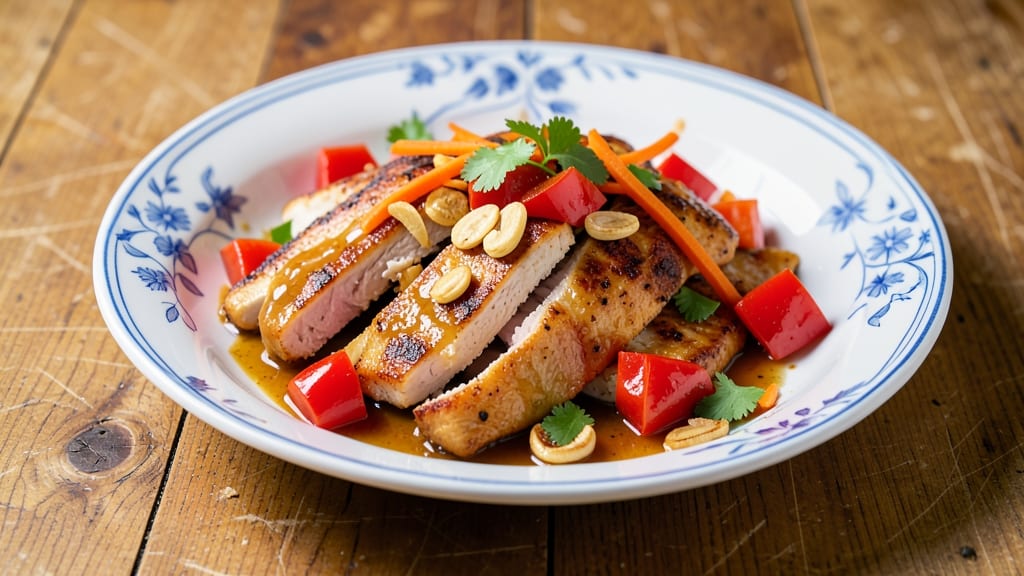
Transforming a simple pan of chicken into a restaurant-worthy stir-fry using Campbell’s broth is the kind of kitchen magic that makes weeknights feel special. The secret lies in balancing quick, high-heat cooking with a velvety sauce that clings to every bite—no wok required.
I developed this recipe after years of perfecting stir-fry techniques, and it delivers that same smoky, savory depth without the fuss of traditional methods.
What sets this dish apart is the sauce: a rich, umami-packed blend of Campbell’s chicken broth, soy sauce, and a touch of honey, simmered until it thickens just enough to coat the chicken and vegetables perfectly.
The high-heat stir-fry technique keeps the chicken tender-crisp while the sauce absorbs into the ingredients, creating a harmonious balance of textures and flavors. It’s the kind of dish that feels indulgent but comes together in under 30 minutes.
By the time you’re done, you’ll have golden-brown chicken pieces, vibrant vegetables, and a glossy sauce that ties everything together—all achieved with minimal cleanup. The aroma alone will have everyone gathered at the table, and the first bite delivers that perfect mix of smoky, savory, and slightly sweet.
This is the kind of recipe that turns a simple weeknight dinner into something memorable.
Serve it over steamed jasmine rice or noodles for a complete meal, or pair it with a side of steamed greens for a lighter option. The beauty of this dish is its adaptability—swap in your favorite vegetables, adjust the sauce to your taste, and make it your own.
Let’s get cooking!
Ingredients for campbell's chicken stir fry
Pantry staples meet one-pan magic for this velvety Campbell's chicken stir-fry.
| Ingredient | Amount | Notes |
|---|---|---|
| Boneless, Skinless Chicken Breast 🍗 | 1 ½ lb | Cut into 1-inch strips |
| Campbell's Chicken Broth 🍲 | 1 cup | Low-sodium preferred |
| Soy Sauce 🍶 | ⅓ cup | Low-sodium preferred |
| Honey 🍯 | 1 tbsp | Wildflower for floral notes |
| Cornstarch 🌾 | 1 tbsp | For sauce thickening |
| Vegetable Oil 🫒 | 2 tbsp | High smoke point |
| Garlic Cloves 🧄 | 4 cloves | Minced for aroma |
| Bell Peppers 🌶️ | 2 cups | Assorted colors, diced |
| Carrots 🥕 | 1 cup | Julienned for texture |
| Snow Peas 🌱 | ½ cup | Fresh or frozen |
| Sesame Oil 🫒 | 1 tsp | For finishing aroma |
| Toasted Sesame Seeds 🌾 | 1 tbsp | For garnish |
| Green Onions 🧅 | 3 whole | Sliced for freshness |
| Salt 🧂 | ½ tsp | Adjust to taste |
| Black Pepper 🌶️ | ¼ tsp | Freshly ground |
The Campbell’s broth is the secret weapon here—low-sodium version keeps the dish from getting too salty. Grab a can from any grocery store aisle; it’s the same one you’d use for soups. For the bell peppers, mix colors—red for sweetness, yellow for brightness, green for crunch. The carrots? Baby carrots work great if you’re short on prep time, just cut them into matchsticks. I always keep a bag of frozen snow peas in the freezer for days like this—they thaw fast and add that perfect pop of color.
No Campbell’s broth? Chicken bouillon granules dissolved in water works in a pinch, but add a splash of soy sauce to mimic the depth. Swap soy sauce for coconut aminos if you’re avoiding sodium. The honey can be subbed with brown sugar or maple syrup, though honey’s floral notes are ideal. For the peppers, zucchini or mushrooms add great texture if you’re out of veggies. And if you’re missing sesame oil? Toast the seeds in a dry pan first—they’ll release their aroma even without the oil.
This sauce thickens fast—keep it warm on low heat while you stir-fry the chicken. The dish reheats beautifully, so double the sauce if you’re feeding a crowd. Store leftovers in the fridge for 4 days or freeze for 3 months. I always make extra because it’s perfect for lunches—just toss with rice and microwave. The sesame seeds? Toast them fresh before garnishing—they’ll smell amazing and add that restaurant-quality crunch.
Why You'll Love This Recipe
- Pantry Magic: I swear by this one when my fridge is bare. That can of Campbell’s chicken broth? It’s the secret weapon—just toss in sliced chicken, a splash of soy sauce, and a drizzle of honey, then let the cornstarch give it that glossy, restaurant-worthy finish. No fancy ingredients, no stress.
- Honey-Soy Bliss: The combo of soy sauce and honey is chef’s kiss—sweet, salty, and just a little umami from the broth. The chicken stays juicy (no dry, sad bites here), and that glossy sauce? It clings like it’s meant to be there. Honestly, I’ve tried fancier stir-fries, but this one hits every time.
- Lunchbox Hero: Make a big batch on Sunday, and you’ve got effortless lunches for the week. The sauce thickens perfectly when reheated, and the chicken holds up—no soggy takeout vibes. My kids actually ask for leftovers, and that’s saying something.
- Budget Win: This recipe costs me about $12 for four servings. Chicken breast is lean, the broth is cheap, and the honey adds richness without breaking the bank. Plus, it’s one of those meals where you can stretch it with veggies (frozen peas or bell peppers work great) if you’re feeling extra thrifty.
Step-by-step instructions for Campbell's chicken stir fry
Here's how to create a restaurant-quality stir fry with velvety sauce using just one pan.
Prep the Chicken and Vegetables
Cut the 1.5 lb boneless, skinless chicken breast into 1-inch strips. This size ensures even cooking and perfect bite-sized pieces. While you're prepping, dice the 2 cups of bell peppers into even ½-inch pieces—mix colors for visual appeal and balanced flavor. Julienne the 1 cup of carrots into thin matchsticks about 2 inches long for quick cooking and texture contrast.
Peel and mince the 4 cloves of garlic cloves, then slice the 3 whole green onions into ½-inch pieces. Keep the snow peas whole—they'll add a satisfying crunch. Place all prepped ingredients in separate bowls until ready to use. Here's the thing—don't skip this prep step. Precise cutting means everything cooks at the same rate and you avoid mushy vegetables.
Cook the Chicken Until Fully Done
Heat 1 tablespoon of vegetable oil in a large skillet or wok over medium-high heat until shimmering. Add the chicken strips in a single layer, leaving space between each piece. Cook undisturbed for 3-4 minutes until the bottoms turn golden brown and crispy. This initial sear locks in juices and builds flavor. Flip the chicken and cook another 3-4 minutes until the internal temperature reaches 165°F.
Remove the chicken to a plate and keep warm. If needed, add the remaining 1 tablespoon of vegetable oil to the pan—you'll want enough to accommodate all your vegetables without overcrowding. The reason we cook the chicken first is simple: it takes the longest and needs that initial sear to stay juicy. Don't rush this step—undercooked chicken ruins everything.
Stir-Fry the Vegetables
Add the minced garlic cloves to the hot pan and stir for 30 seconds until fragrant. Immediately add the diced bell peppers, julienned carrots, and snow peas. Stir-fry for 4-5 minutes over high heat, stirring constantly, until the vegetables soften but still retain their bright color and crisp texture. You're aiming for al dente here—vegetables should be tender but not mushy.
Season with the 0.5 teaspoon of salt and 0.25 teaspoon of black pepper, tossing to coat evenly. The vegetables should be hot and sizzling in the pan. If they're sticking, add a splash of water and scrape up any browned bits from the bottom—this adds incredible depth of flavor to your sauce. This is where the magic happens: quick cooking preserves color and texture while building flavor.
Create the Velvety Sauce
Pour in the 1 cup of Campbell's chicken broth and 0.33 cup of soy sauce, scraping up any browned bits from the pan. Bring to a gentle simmer, then stir in the 1 tablespoon of honey and 1 tablespoon of cornstarch mixed with 2 tablespoons of water. Cook for 2-3 minutes until the sauce thickens to a glossy, velvety consistency that coats the back of a spoon.
Return the chicken to the pan and toss everything together until the chicken is fully coated in the sauce. The sauce should cling beautifully to both the chicken and vegetables. Taste and adjust seasoning if needed—you might want to add a bit more soy sauce for saltiness or honey for sweetness. This sauce is the star of the dish, so don't be shy about tasting as you go.
Finish and Serve
Remove from heat and drizzle with 1 teaspoon of sesame oil, tossing gently to distribute. Garnish with 1 tablespoon of toasted sesame seeds and sliced green onions. The sesame oil adds a nutty aroma that wafts through the kitchen, while the sesame seeds provide a delightful crunchy contrast to the tender chicken and vegetables.
Serve immediately over steamed rice or noodles, letting everyone scoop up that luscious sauce. The dish should be hot, vibrant, and packed with contrasting textures—crisp vegetables, tender chicken, and that silky sauce. This stir fry comes together faster than you'd think, but every step matters for that restaurant-quality result you're after.
Pro Tips For Making Campbell'S Chicken Stir Fry
- Prep Chicken Thin: Slice the chicken breast against the grain into ¼-inch strips—thinner than you think. I used to fight this step, but those stubborn thick pieces turn rubbery while the sauce gets glossy. A sharp knife and a steady hand make this easier than it looks.
- Slurry the Cornstarch: Mix the cornstarch with cold broth first, then add the rest—this prevents clumping like a stubborn child refusing to share. Stir it smooth before pouring, or you’ll end up with lumpy sauce that ruins the whole dish. (Yes, I’ve done it.)
- Don’t Rush the Sear: Let the chicken hit the pan hot and dry for 2-3 minutes before adding sauce—this builds flavor and keeps it from turning soggy. I learned this the hard way after serving pale, mushy chicken that tasted like broth.
- Balance the Honey: Taste the sauce before serving—if it’s too sweet, add a splash of soy sauce or a pinch of salt. The Campbell’s broth is salty, so don’t assume the honey’s sweetness is the only thing to balance. (I’ve ruined stir-fries this way.)
Wine and beer pairings for this campbell's chicken stir fry
Crisp White Wine
For this dish, I always reach for a dry Riesling or Sauvignon Blanc—both cut through the sauce’s richness while complementing the soy and honey notes. A New Zealand Sauvignon Blanc with its zesty citrus and herbal undertones is my go-to; it refreshes the palate between bites.
If you prefer something lighter, a German Riesling (off-dry or Kabinett) adds a touch of sweetness that mirrors the honey in the sauce. 🍷
Light-Bodied Red
If you’re avoiding white wine, a Pinot Noir from Oregon or Burgundy works beautifully. Its bright acidity and red fruit flavors balance the stir-fry’s umami without overpowering it.
Look for a Pinot Noir with earthy notes—it’ll echo the garlic and sesame in the dish. Avoid bold reds like Cabernet; they’ll clash with the sauce’s delicate sweetness.
Asian-Inspired Beer
A Japanese lager like Sapporo or Asahi is my top beer pairing—its crisp, clean profile lets the stir-fry’s flavors shine. For something hoppier, try a Belgian witbier (like Hoegaarden) with its coriander and orange peel notes, which complement the sesame and honey.
Avoid heavy IPAs; they’ll drown out the dish’s subtle complexity. 🍺
Non-Alcoholic Options
For a mocktail, I blend sparkling water, lime juice, and a splash of soy sauce over ice—it mimics the dish’s savory-sweet balance. For a richer option, try ginger beer with a dash of honey and sesame seeds on top. Both options keep the meal’s vibrant energy without alcohol.
Pro Pairing Tip
Serve wine or beer slightly chilled—45-50°F for whites, 55-60°F for reds—to enhance their freshness against the warm stir-fry. I always pour a small glass first to taste the harmony between the dish and drink. The goal? A sip that makes the stir-fry taste even better. 💡
Nutrition facts
Frequently asked questions
Can I use chicken thighs instead of breasts for this stir fry?
Chicken thighs stay juicier and add richer flavor. For best results, cut them into 1-inch pieces and cook them for 5-6 minutes per side until golden and the internal temperature reaches 165°F. The skin-on version adds extra crispiness, but remove it before stir-frying if preferred.
How do I make this sauce thicker or thinner?
For a thicker sauce, mix 1 extra tablespoon of cornstarch with 2 tablespoons of water and stir into the simmering sauce. For a thinner sauce, add 1-2 tablespoons of warm Campbell's broth or water. The sauce should coat the back of a spoon but remain glossy—adjust gradually while tasting.
Can I prepare this stir fry ahead of time?
Yes, but with a few tips. Cook the chicken and vegetables separately, then store them in the fridge for up to 2 days. Reheat the sauce separately, then combine everything in a pan over medium heat for 3-4 minutes to warm through. The sauce may thicken further when reheated—add a splash of water if needed.
What if I don't have Campbell's broth?
No problem! Use 1 cup of water with 1 teaspoon of chicken bouillon powder or 1 chicken bouillon cube (crushed). For deeper flavor, add ½ teaspoon of soy sauce to mimic the umami depth of Campbell's broth. The dish will still taste delicious—just slightly lighter.
Why did my vegetables turn mushy?
Overcrowding the pan or cooking at too low heat causes this. Always stir-fry vegetables in batches if needed, and keep the heat at high. Cook them for only 4-5 minutes—they should stay vibrant and slightly crisp. For extra texture, add snow peas or bell peppers last, as they cook faster.