
Main Courses
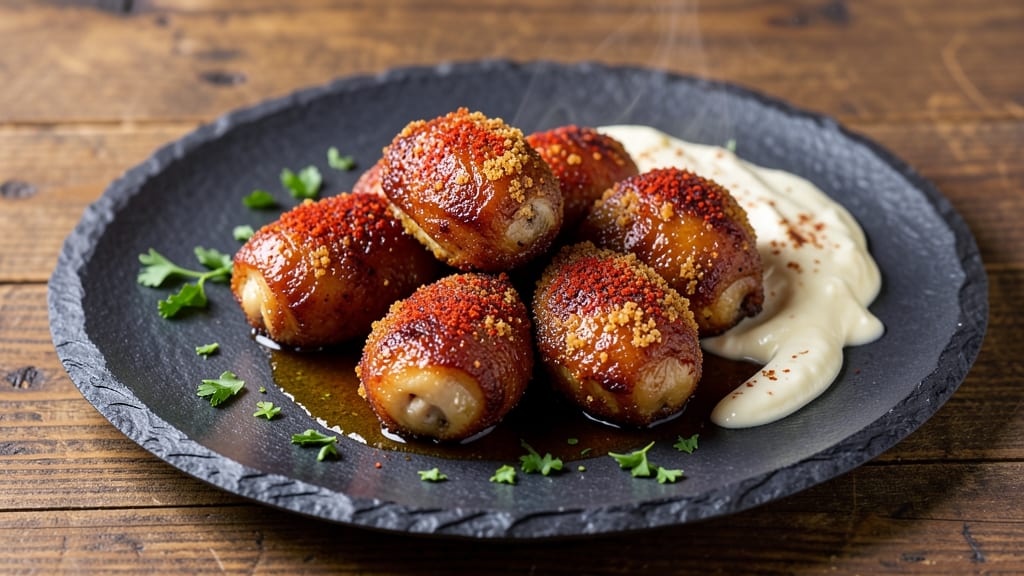
Transforming chicken gizzards into crispy golden bites with juicy hearts is a game-changer for anyone craving restaurant-quality fried chicken without the fuss. This recipe delivers perfectly seasoned, deep-fried gizzards that stay tender inside while developing an irresistible crunch on the outside—no shortcuts, just precise technique.
I developed this method after years of experimenting with frying techniques, and it never fails to impress.
The secret lies in thorough preparation: cleaning the gizzards properly and marinating them in buttermilk for at least 2 hours (overnight works best) ensures maximum tenderness and flavor absorption.
A double-dredge in seasoned flour creates that signature crispy crust, while careful temperature control in the oil guarantees even cooking every time. This isn't just fried chicken—it's a foolproof method that transforms tough cuts into melt-in-your-mouth perfection.
By the time you serve these golden-brown gizzards, your table will be filled with the aroma of freshly fried poultry, the sight of crispy edges glistening under the light, and the satisfaction of a dish that's both impressive and satisfying.
The juicy hearts remain tender despite the crispy exterior, making each bite worth the effort. Serve with classic sides like coleslaw or hush puppies for the full experience.
This recipe works equally well for weeknight dinners or special occasions, and the leftovers reheat beautifully in the oven. Whether you're a seasoned cook or new to frying, these crispy golden bites will become a staple in your meal rotation. Let's get started on creating your perfect batch.
Ingredients for chicken gizzard fry
Essential ingredients for transforming tough gizzards into crispy, juicy fried perfection.
| Ingredient | Amount | Notes |
|---|---|---|
| Fresh Chicken Gizzards 🍗 | 1 ½ lb | Cleaned, trimmed of connective tissue |
| Buttermilk 🥛 | 2 cups | Full-fat for optimal tenderness |
| All-Purpose Flour 🌾 | 2 cups | White, fine-ground preferred |
| Cornstarch 🌽 | ¼ cup | For extra crispiness |
| Diamond Crystal Kosher Salt 🧂 | 1 ½ tbsp | Coarse grain for texture |
| Smoked Paprika 🌶️ | 1 tbsp | For rich, smoky depth |
| Garlic Powder 🧄 | 1 tbsp | Freshly ground preferred |
| Ground Black Pepper 🌶️ | ½ tbsp | Freshly cracked for intensity |
| Onion Powder 🧅 | 1 tsp | Enhances savory profile |
| Vegetable Oil 🫒 | 3 cups | High smoke point preferred |
| Lemon Wedges 🍋 | 4 whole | For serving, fresh squeezed |
| Fresh Parsley 🌿 | ¼ cup | Chopped, for garnish |
The gizzards are the star, so source them from a trusted butcher or reputable poultry supplier. Look for bright red color and firm texture—avoid any with grayish hues or off odors. Local farms or specialty markets often carry the freshest cuts. For optimal results, purchase gizzards 1-2 days before cooking and store them in the coldest part of your fridge. The buttermilk should be full-fat for maximum tenderness—no low-fat substitutes. If you're short on time, substitute whole milk with 1 tbsp vinegar or lemon juice for a quick marinade.
No buttermilk? Whole milk plus 1 tbsp vinegar mimics its tangy properties. For extra crispiness, blend half flour, half cornstarch in your seasoning mix. Penzeys or McCormick offer high-quality smoked paprika—avoid the generic brands. Fresh parsley can be swapped for dried parsley at one-third the amount, but fresh adds vibrant color. The vegetable oil should have a high smoke point (375°F+)—avocado or peanut oil work exceptionally well. If you're concerned about frying, air-fryer liners can help contain mess while achieving similar results.
Cleaned gizzards keep 2 days in the fridge before marinating. The buttermilk marinade works best 4-24 hours—longer isn't better. After frying, maintain crispiness by keeping gizzards on a wire rack over paper towels to prevent sogginess. Leftovers reheat beautifully in a 350°F oven for 10-15 minutes—just add a splash of water to the pan for extra moisture. For meal prep, store fried gizzards in an airtight container with parchment between layers to preserve texture for up to 3 days
Why You'll Love This Recipe
- No Chopping Needed: I swear by this—just trim the gizzards, no dicing, no fuss. The buttermilk marinade does all the work while I sip my coffee.
- Crispy-Creamy Magic: That cornstarch flour mix? It’s the secret—golden crunch outside, tender inside. The kosher salt finish? Chef’s kiss.
- Game for Game Day: Serve with ranch or spicy mayo, and it’s tailgate gold. Or toss in a lunchbox—kids won’t even notice it’s organ meat.
- Pantry Goldmine: Gizzards are cheap, and this recipe stretches them far. Leftovers? Reheat in the air fryer—still crispy, still addictive.
Step-by-step instructions for chicken gizzard fry
Here's the method for achieving that perfect balance of crispy exteriors and juicy centers.
Prepare the Gizzards for Maximum Crispiness
Begin by thoroughly rinsing the 1.5 lb fresh chicken gizzards under cold water and patting them completely dry with paper towels. This drying step is critical—any moisture left on the surface will prevent proper browning. Trim away any visible connective tissue or silver skin using a sharp knife, as these can make the finished product tough.
Next, create a marinade by combining the 2 cups buttermilk, 1.5 tbsp diamond crystal kosher salt, 1 tbsp smoked paprika, 1 tbsp garlic powder, 0.5 tbsp ground black pepper, and 1 tsp onion powder in a large resealable bag. Add the gizzards and massage the marinade into the meat, ensuring every surface is coated. Seal the bag and refrigerate for at least 4 hours, or preferably overnight. This extended marinating time tenderizes the gizzards and builds flavor depth.
Create the Battering Station
In a large bowl, whisk together the 2 cups all-purpose flour and 0.25 cup cornstarch. This combination creates a lighter, crispier coating than flour alone. Add the remaining marinade from the bag (discard any excess liquid) and stir until you have a smooth, thick batter with the consistency of heavy cream. The batter should coat the back of a spoon but still hold its shape when drizzled.
Heat the 3 cups vegetable oil in a deep fryer or heavy-bottomed pot to 350°F. Use a thermometer to monitor the temperature—this precision ensures even cooking without burning. The oil should be hot enough to maintain this temperature consistently when the gizzards are added. Keep the batter and gizzards nearby for quick assembly.
Fry to Golden Perfection
Remove the gizzards from the marinade, allowing any excess to drip off. Working in batches to avoid overcrowding, dip each gizzard into the batter, letting any excess drip off before carefully placing it into the hot oil. Fry for 4-5 minutes on the first side until golden brown, then flip and fry for another 4-5 minutes until the second side reaches the same deep golden color. The gizzards are done when they float freely in the oil and register 165°F internally.
Real talk: Don't rush this step. You're looking for that deep golden color that indicates proper crisping. If the gizzards brown too quickly, lower the oil temperature by 10°F and adjust cooking time accordingly. Transfer fried gizzards to a paper towel-lined plate to drain excess oil as you work.
Rest and Serve
Let the fried gizzards rest for 5 minutes before serving. This brief rest allows the internal juices to redistribute, preventing them from escaping when you cut in. The exterior will remain crispy while the interior stays tender and juicy—this is where the magic happens.
Garnish each serving with the 4 whole lemon wedges and sprinkle with the 0.25 cup chopped fresh parsley. Serve immediately with your choice of dipping sauce—traditional options include spicy mayo or tangy buttermilk ranch. The contrast of crispy exterior, juicy interior, and bright citrus creates an unforgettable combination that delivers on both promises of this recipe.
Pro Tips For Making Chicken Gizzard Fry
- SCORE THE GIZZARDS: Grab a sharp knife and slice each gizzard lengthwise—not crosswise—so the meat stays intact and absorbs the buttermilk evenly. I used to flatten them like cutlets, but they’d tear when frying. This way, they hold together like they’re supposed to.
- DREDGE IN STAGES: Toss gizzards in flour first, shake off excess, then dip in buttermilk, then another light flour coating mixed with cornstarch. The extra step locks in crispiness without drowning in batter. Yes, it’s messy, but the crust stays golden instead of soggy.
- FRIE IN BATCHES: Overcrowding the pan steams the gizzards instead of frying them. Work in small batches—no more than 3 pieces at a time—and keep the oil at 350°F. I learned this after pulling out greasy, unevenly cooked gizzards that tasted like they’d been boiled.
- REST BEFORE FRIING: Let the floured gizzards sit in the buttermilk for at least 20 minutes in the fridge. The acid tenderizes the meat and lets the coating adhere better. Skipping this step means your crust will flake off like sad, dry breadcrumbs.
Troubleshooting great chicken gizzard fry
Gizzards Too Tough
If your fried gizzards turn out tough instead of tender, the issue likely stems from insufficient marinating time. The buttermilk needs at least 4 hours to work its magic—overnight is ideal. I also recommend using full-fat buttermilk exclusively, as low-fat versions lack the necessary fat content to tenderize properly.
For extra insurance, add 1 tbsp baking soda to the marinade; this chemical tenderizer breaks down proteins for 30 minutes before rinsing off. 💪
Breading Won't Stick
A common frustration is breading that falls off during frying. This happens when gizzards aren't fully dried or the batter is too thin. First, ensure you've patted the gizzards completely dry with paper towels.
Second, let them sit uncovered in the fridge for 10 minutes after marinating to dry any surface moisture. For the batter, it should be thick enough to coat the back of a spoon—if it drips off immediately, add 1 tbsp more flour and mix well. 🍞
Oil Temperature Issues
Uneven cooking or burnt exteriors usually point to oil temperature problems. Always use a thermometer to monitor—350°F is your target. If the oil smokes excessively, it's too hot; if gizzards absorb oil instead of browning, it's too cool.
I recommend using a deep fryer thermometer like the Thermoworks Smoke for accuracy. Keep the oil between 340-360°F throughout cooking, adjusting heat as needed. A heavy-bottomed Dutch oven helps maintain stable temperatures better than lightweight pots. 🌡️
Greasy Exteriors
Fried gizzards that feel soggy or overly greasy often result from overcrowding the fryer. Never fry more than 2-3 gizzards at a time—this ensures proper heat circulation and even browning. After frying, transfer gizzards to a wire rack set over a baking sheet lined with paper towels.
This allows excess oil to drip away while keeping the exterior crisp. For extra crispiness, sprinkle with 1 tsp cornstarch immediately after frying before serving. ⚡
Uneven Cooking
When some gizzards cook faster than others, it's usually due to size variations. Sort your gizzards by size before frying—this ensures even cooking times. For larger gizzards, increase fry time by 30-60 seconds per side.
Smaller pieces may cook in 3-4 minutes per side. If you notice one side browning faster, rotate your frying basket 90 degrees halfway through cooking to promote even heat distribution. 🔄
Marinade Not Working
If the marinade seems ineffective, check your buttermilk's freshness—sour or old buttermilk loses its tenderizing power. For maximum effectiveness, add 1 tbsp hot sauce or 1 tsp cayenne pepper to the marinade for extra flavor penetration.
Also, ensure your gizzards are fully submerged in the marinade; use a resealable bag and massage them thoroughly. If using store-bought buttermilk, shake the container vigorously before measuring to redistribute any separated fat. 🥛
Nutrition facts
Frequently asked questions
Why do I need to marinate chicken gizzards before frying?
The buttermilk marinade works like magic—it breaks down tough muscle fibers, making the gizzards tender and juicy. The acidity in buttermilk also helps create that perfect crispy crust. For best results, marinate at least 4 hours or overnight in the fridge.
Can I use frozen chicken gizzards for this recipe?
but thaw them properly first! Place frozen gizzards in a sealed bag and submerge in cold water for 15-20 minutes, changing the water every 5 minutes. Once thawed, follow the same cleaning and marinating steps as fresh gizzards. Never thaw at room temperature—this promotes bacterial growth.
What's the best way to clean chicken gizzards before cooking?
Rinse thoroughly under cold water, then remove any connective tissue or silver skin with a sharp knife. The key is patting them completely dry with paper towels—this ensures maximum crispiness. For extra cleanliness, soak in cold water for 10 minutes before marinating.
How do I keep fried gizzards crispy when reheating?
Reheat in a 350°F oven for 10-15 minutes on a wire rack (not a plate) to allow air circulation. Add a splash of water to the pan for extra moisture. For microwave reheating, cover with a damp paper towel and heat in 30-second bursts—this prevents sogginess better than continuous heating.
What's the secret to perfectly crispy breading?
The magic is in the cornstarch! Mixing 2 cups flour + 0.25 cup cornstarch creates a lighter, crispier coating. Also, keep your frying oil at 350°F—any hotter and it burns, any cooler and it gets greasy. Fry in small batches (never more than 2-3 gizzards at once) for even browning.