
Main Courses
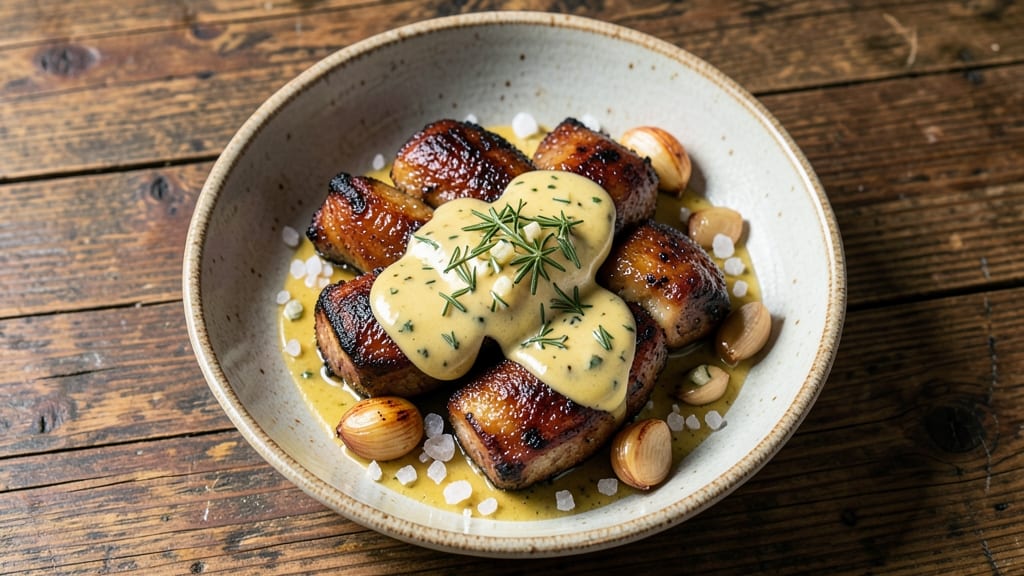
Transforming chicken gizzards into a crispy, golden centerpiece is one of those cooking triumphs that turns humble ingredients into something extraordinary. After years of perfecting my grandmother’s Sunday roast chicken techniques, I’ve adapted them to create this foolproof method for achieving restaurant-quality texture at home.
The key lies in proper preparation—cleaning, scoring, and a high-heat sear—that unlocks their full potential.
This recipe delivers perfectly crispy gizzards with tender interiors, all achieved through a simple yet precise method: scoring the gizzards, seasoning generously, and pan-searing in herbed butter until golden brown.
What makes this technique special is how it balances simplicity with professional results—no fancy equipment required, just patience and attention to detail during the cooking process. The herbed butter adds layers of flavor that elevate these often-overlooked offal cuts into a showstopping main course.
By the time you plate these crispy gizzards, you’ll have a dish that’s rich in texture and flavor—crispy on the outside, tender within, and infused with aromatic herbs. They pair beautifully with roasted vegetables, mashed potatoes, or a fresh salad to complete the meal.
This method transforms a simple protein into something truly special, proving that even the less familiar cuts can become centerpieces of your table.
The best part? This recipe is designed to work for home cooks of all skill levels, with clear steps that ensure consistent results every time.
Whether you're cooking for a family dinner or treating yourself to a hearty meal, these crispy pan-seared gizzards will deliver satisfaction that rivals any restaurant dish. Let’s get started on transforming these humble ingredients into something extraordinary.
Ingredients for chicken gizzard
Transform humble gizzards into crispy, restaurant-worthy bites with these carefully selected ingredients.
| Ingredient | Amount | Notes |
|---|---|---|
| Fresh Chicken Gizzards 🍗 | 1 ½ lb | Cleaned, trimmed of fat, scored |
| Unsalted Butter 🧈 | ½ cup | Cold, cubed for herbed butter |
| Fresh Rosemary 🌿 | 1 tbsp | Finely chopped, organic preferred |
| Fresh Thyme 🌿 | 1 tbsp | Leaves only, stems removed |
| Garlic Cloves 🧄 | 4 cloves | Minced, fresh preferred |
| Diamond Crystal Kosher Salt 🧂 | 1 ½ tbsp | Fine grain for even seasoning |
| Freshly Ground Black Pepper 🌶️ | 1 tsp | Cracked peppercorns preferred |
| Extra-Virgin Olive Oil 🫒 | 1 tbsp | High smoke point for searing |
| All-Purpose Flour 🌾 | ¼ cup | For dredging, sifted |
| Fresh Lemon Juice 🍋 | 1 tbsp | Brightens flavor profile |
| Heavy Cream 🥛 | ¼ cup | Optional for pan sauce |
| Fresh Parsley 🌿 | ¼ cup | Chopped, for garnish |
The quality of your gizzards makes all the difference—look for bright red, firm cuts with minimal connective tissue. Whole Foods Market or local butcher shops often carry the freshest options, though the frozen section at Costco works perfectly if you're prepping ahead. Always clean them thoroughly by soaking in cold water with a splash of lemon juice for 10 minutes, then pat completely dry. The rosemary and thyme should be vibrant green, not wilted—Trader Joe's sells excellent dried blends if fresh isn't available, though fresh herbs elevate the dish significantly. For the butter, European-style unsalted (like Plugrá) melts more cleanly than American brands, creating a superior herbed compound.
No fresh rosemary? Dried works at half the amount, but toast it lightly in a dry pan first to intensify the flavor. Short on thyme? Substitute with equal parts oregano, though the earthy notes differ slightly. The garlic can be pre-minced from a jar in a pinch, but fresh yields a brighter taste. For the flour, King Arthur or Bob's Red Mill brands dredge best without clumping. If you're avoiding dairy, olive oil can replace the butter in the herbed compound—just reduce by 1 tbsp to account for lower fat content. The lemon juice is non-negotiable for brightness; bottled won't cut it—always use freshly squeezed.
Store cleaned gizzards in an airtight container with paper towels for up to 3 days in the fridge, or freeze for 3 months for later use. The herbed butter compound keeps 5 days in the fridge, though it's best used immediately for maximum flavor. Once cooked, gizzards reheat beautifully—400°F oven for 10 minutes restores crispiness. Portion the sauce separately if making ahead, as it thickens upon reheating. For presentation, arrange the gizzards on a parchment-lined tray and garnish with parsley just before serving to maintain vibrant color.
Why You'll Love This Recipe
- Pan-Fry Magic: I swear by this method—just sear the gizzards in butter until golden, then finish with garlic and herbs. No fancy techniques, no waiting for hours. That crispy exterior melts into tender meat in minutes.
- Herb-Packed Punch: Between the rosemary’s piney kick and thyme’s earthy warmth, this dish tastes like a fancy bistro. The garlic? Oh, it’s the cherry on top—simple, but ridiculously good when caramelized just right.
- Leftovers Reinvented: Make a double batch and turn tomorrow’s dinner into today’s lunch. Shred the cooled gizzards into pasta, or chop them for a hearty sandwich. (Yes, even my picky teenager asks for seconds.)
- Budget Game-Changer: Gizzards cost a fraction of chicken thighs, but they pack just as much flavor. I buy them in bulk, freeze half, and still have protein-rich meals ready when I need them—no guilt, no waste.
Step-by-step instructions for crispy pan-seared chicken gizzards
Master this technique for restaurant-quality gizzards with perfectly crisp exteriors and tender interiors.
Prepare the Herbed Butter Compound
In a small mixing bowl, combine the cold, cubed unsalted butter with the finely chopped fresh rosemary, fresh thyme leaves, minced garlic cloves, 1 tablespoon of the diamond crystal kosher salt, and the freshly ground black pepper. Mix gently with a fork until the herbs and garlic are evenly distributed throughout the butter mixture.
This herbed butter will serve two purposes: it creates a flavorful crust during searing and provides a rich, aromatic finish to the finished dish. Let the mixture sit at room temperature for 10 minutes to soften slightly before using. The butter should be pliable but not melted—this ensures proper adhesion to the gizzards during cooking.
Score and Season the Chicken Gizzards
Using a sharp chef's knife, score the surface of each fresh chicken gizzard in a crosshatch pattern without cutting all the way through. This creates surface area for better browning and helps render fat more efficiently. Pat the gizzards completely dry with paper towels—moisture is the enemy of crispy results.
Season both sides generously with the remaining 0.5 tablespoon of diamond crystal kosher salt. The seasoning should adhere visibly to the scored surfaces. Let the gizzards sit at room temperature for 15 minutes while you prepare the cooking station. This resting period allows the salt to penetrate slightly, enhancing flavor without over-salting the exterior.
Create the Dredge and Sear the Gizzards
Place the 0.25 cup of all-purpose flour in a shallow dish and lightly dredge each gizzard, shaking off any excess. Heat the extra-virgin olive oil in a large skillet over medium-high heat until shimmering but not smoking—you want the oil to reach approximately 350°F. The oil should be hot enough to sizzle when a gizzard is added.
Working in batches to avoid overcrowding, add the gizzards to the skillet and cook undisturbed for 3-4 minutes per side until golden brown and crispy. Press down gently on each gizzard during the first minute to prevent curling. Transfer the cooked gizzards to a paper towel-lined plate to drain excess oil while you finish the remaining batches.
Finish with Herbed Butter and Lemon
Reduce the heat to medium and add the prepared herbed butter to the same skillet. Tilt the skillet slightly and spoon the melted butter over the cooked gizzards, coating them evenly. Cook for an additional 1-2 minutes until the butter bubbles and the gizzards are fully enveloped in flavor.
Remove the skillet from heat and stir in the fresh lemon juice. The acidity cuts through the richness of the butter, brightening the overall flavor profile. Let the gizzards rest for 5 minutes before serving to allow the juices to redistribute. Garnish each serving with chopped fresh parsley for a pop of color and freshness.
Optional Creamy Pan Sauce (For Serving)
Return the skillet to medium-low heat and add the heavy cream, scraping up any browned bits from the bottom. Simmer gently for 2-3 minutes until the sauce thickens slightly to a velvety consistency. Taste and adjust seasoning with additional salt or pepper if needed. This sauce pairs beautifully with the crispy gizzards, adding a luxurious finish.
Serve the gizzards immediately with the creamy pan sauce drizzled generously over the top. The combination of crispy exteriors, tender interiors, and rich herbed butter creates a dish that's both satisfying and elegant. Each bite delivers a perfect balance of textures and flavors.
Pro Tips For Making Chicken Gizzard
- SCORE THE GIZZARDS: Use a sharp knife and cut a shallow crosshatch on both sides—this keeps them flat and lets the butter and herbs soak in deeper. I learned this the hard way after serving rubbery gizzards that looked like they’d been wrapped in plastic.
- SEAR HOT AND LOW: Start with a screaming-hot pan, but once the gizzards release their juices, drop the heat to medium-low. High heat after that just steams them instead of browning. Sounds weird, but it works: crispy outside, tender inside every time.
- SALT THE GARLIC: Toss the minced garlic cloves with a pinch of salt before adding them to the butter—it blooms flavor instantly and prevents them from burning. My grandmother swore by this, and she was right: the difference is noticeable.
- DEGLAZE WITH WHITE WINE: After browning, splash in 2 tablespoons of dry white wine (or even chicken stock) to scrape up the fond. It cuts through the richness of the butter and adds depth without extra effort. Skip this, and you’re missing a free flavor boost.
Serving suggestions for chicken gizzard
Classic Southern Sides
For a true Southern-style spread, serve these crispy gizzards alongside creamy mashed potatoes—I like using Yukon Gold potatoes boiled until tender, then mashed with butter, warm milk, and a touch of cream. The richness of the potatoes balances the gizzards' herbed butter perfectly.
Add a side of collard greens cooked low and slow with smoked turkey neck and a splash of apple cider vinegar for tangy depth. 🥔
Fresh Contrast Pairings
Brighten the plate with a cucumber and tomato salad dressed with red wine vinegar, olive oil, and fresh dill. The cool crunch cuts through the richness beautifully. I also recommend roasted Brussels sprouts tossed with balsamic glaze and a sprinkle of pecans for texture.
For a lighter option, try arugula salad with shaved Parmesan and a lemon vinaigrette.
Carbohydrate Companions
If you prefer heartier sides, cornbread made with sharp cheddar and jalapeños adds a satisfying bite. I use King Arthur cornmeal for the best texture.
For a more elegant touch, serve with truffle-infused polenta—simmer 1 cup polenta with 4 cups chicken broth, then stir in 1 tbsp truffle oil and a pat of butter. The earthy notes complement the herbed butter beautifully. 🌽
Sauce Elevations
For an extra-special touch, drizzle the gizzards with spicy honey mustard—mix 2 tbsp Dijon mustard, 1 tbsp honey, and ½ tsp cayenne pepper. Alternatively, a chipotle crema made with sour cream, chipotle powder, and lime juice adds smoky heat.
Both sauces work perfectly with the creamy pan sauce mentioned in the recipe. 🌶️
Beverage Pairings
Pair these gizzards with a bold red wine like Cabernet Sauvignon—its tannins stand up to the rich flavors. For beer lovers, a hoppy IPA cuts through the butter beautifully.
If you prefer non-alcoholic options, sparkling lemonade with a rosemary sprig adds refreshing contrast. The effervescence cleanses the palate between bites. 🍷
Nutrition facts
Frequently asked questions
Why do I need to score the chicken gizzards before cooking?
Scoring creates surface area for better browning and helps render fat more efficiently during cooking. The crosshatch pattern also prevents curling while searing, ensuring even crispiness on all sides. This simple step transforms tough gizzards into tender, golden bites.
Can I use frozen chicken gizzards for this recipe?
Yes, but thaw them completely first in the refrigerator overnight. Pat them very dry after thawing—excess moisture prevents crispy results. For best texture, avoid using gizzards straight from the freezer without proper thawing.
What's the best way to store leftover cooked gizzards?
Let them cool completely, then store in an airtight container with parchment paper between layers. They keep for 3 days in the fridge or 3 months in the freezer. Reheat at 400°F for 10 minutes to restore crispiness.
How do I know when the oil is hot enough for searing?
Test with a small piece of gizzard—it should sizzle vigorously and turn golden in 30 seconds. The oil should be 350°F (medium-high heat). If it bubbles gently without browning, wait a minute longer.
Can I substitute butter with olive oil in the herbed compound?
For a dairy-free version, replace butter with olive oil but reduce by 1 tbsp (since it's less fatty). Use extra-virgin olive oil for best flavor, though the texture will be slightly different. The herbs will still infuse beautifully.