
Sauces & Condiments
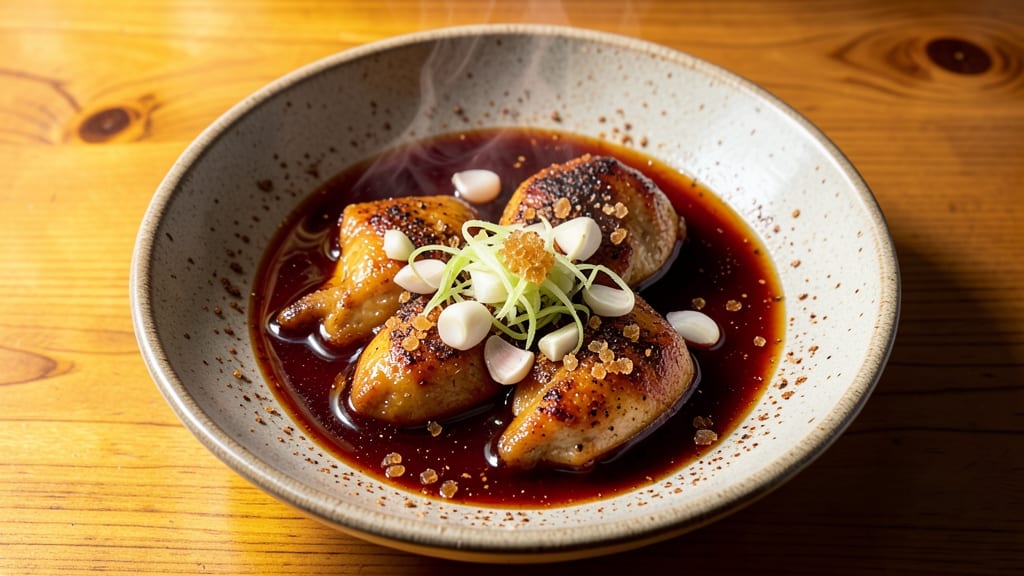
Transforming gamey chicken hearts into restaurant-quality bites starts with this chicken heart marinade recipe—a bold blend of acid, umami, and aromatic spices designed to tenderize while infusing deep flavor.
The secret lies in balancing vinegar and soy sauce to break down proteins, while garlic, ginger, and smoked paprika create layers of complexity that turn tough cuts into melt-in-your-mouth perfection. I developed this marinade after years of experimenting with offal, and it consistently delivers results that rival high-end butcher shops.
This marinade works its magic through a 30-minute minimum soak, though longer marinating (up to 4 hours) deepens the flavor profile further. The acidity not only tenderizes but also neutralizes any lingering gamey notes, leaving behind a clean, savory canvas ready for searing or grilling.
Professional chefs swear by this technique for transforming underutilized cuts into showstopping dishes—no special equipment required beyond a bowl and a whisk.
What you’ll achieve is chicken hearts with a caramelized exterior and a juicy, flavorful interior that pairs beautifully with bold sauces or simple seasoning.
The marinade’s balance of sweet, salty, and smoky notes ensures every bite is memorable, whether you’re serving them as an appetizer, main course, or hearty addition to tacos. The best part?
This marinade doubles as a versatile base for other offal cuts, making it a game-changer for home cooks and professional kitchens alike.
Ready to elevate your offal game? Let’s dive into the ingredients and techniques that will turn chicken hearts into a standout dish. The process is straightforward, but the results are anything but ordinary—this is the marinade that transforms the unexpected into the extraordinary.
Ingredients for chicken heart marinade
Nine ingredients transform tough chicken hearts into melt-in-your-mouth perfection.
| Ingredient | Amount | Notes |
|---|---|---|
| Red Wine Vinegar 🍷 | ½ cup | High-quality, dry variety preferred |
| Soy Sauce 🥢 | ½ cup | Use low-sodium for better control |
| Garlic Cloves 🧄 | 6 cloves | Freshly minced, not pre-minced jar |
| Fresh Ginger 🌿 | 2 tbsp | Finely grated, peel included |
| Smoked Paprika 🌶️ | 1 tbsp | High-quality, not pre-mixed |
| Brown Sugar 🍚 | 2 tbsp | Light or dark, packed |
| Olive Oil 🫒 | ¼ cup | Extra-virgin for best flavor |
| Honey 🍯 | 1 tbsp | Raw, unfiltered preferred |
| Salt 🧂 | 1 ½ tsp | Diamond Crystal kosher preferred |
| Black Peppercorns 🌶️ | 1 tsp | Freshly cracked, not ground |
The vinegar and soy sauce are non-negotiable for tenderizing—Bragg's apple cider vinegar and Kikkoman soy sauce are my go-tos, but any dry red wine vinegar and quality soy sauce will work. For the garlic, freshly minced is essential—pre-minced jars lack the punch. Ginger should be freshly grated too; the zest adds brightness. Smoked paprika from Penzeys or Trader Joe's delivers the deepest flavor, but regular paprika works in a pinch. The brown sugar caramelizes beautifully during searing, creating that coveted crust. If you're buying whole peppercorns, crack them fresh with a mortar and pestle—ground pepper loses potency quickly.
No red wine vinegar? White wine vinegar or lemon juice works in a bind, though the flavor profile shifts slightly. Short on soy sauce? Coconut aminos or tamari add umami without the sodium. Want to cut the sugar? Maple syrup at half the amount keeps things balanced. The honey can be swapped for agave or date syrup if you're avoiding refined sugar. For extra depth, add 1 tsp fish sauce—trust me, it elevates the umami. If you're marinating other offal like livers or sweetbreads, reduce the vinegar to 1/4 cup to avoid over-acidifying delicate cuts. Always taste as you go—this marinade is flexible but needs balance.
This marinade keeps 5-7 days in the fridge, sealed tightly in a glass jar. The flavors actually deepen over time, so don't rush to use it all. For longer storage, freeze in ice cube trays—thaw what you need and toss the rest. The acidity means it won't last forever, but it's perfect for batch cooking. If you're prepping for a crowd, double the batch—it's worth the extra effort. The marinade works best at room temperature, so let it sit for 10 minutes before using. And if you've got leftover marinade after soaking the hearts? Reduce it into a glaze—it's amazing drizzled over grilled chicken or seared scallops.
Why You'll Love This Recipe
- Five-Ingredient Magic: I swear by this marinade—just vinegar, soy, garlic, ginger, and smoked paprika. No fancy pantry runs, no measuring cups that never seem to fit. Honestly, I keep the ingredients in a jar on my spice shelf so I can toss it together while the coffee brews.
- Umami Bomb: That red wine vinegar cuts through the richness of chicken hearts while the soy sauce and smoked paprika give it a deep, savory punch. The fresh ginger? It’s the secret—adds a bright, zesty kick that makes this marinade ridiculously addictive.
- Weeknight to Weekend: Use it for quick stir-fries on Tuesday or slow-braised dishes on Sunday. Between us, I’ve even drizzled the leftover marinade over grilled chicken thighs—works every time. It’s the kind of flavor that doesn’t quit, no matter the occasion.
- Budget Boost: Chicken hearts are cheap, and this marinade stretches them into something special. I make a double batch, marinate extra, and freeze it—then thaw as needed. My wallet and my taste buds thank me. (Yes, even on a Tuesday night.)
Step-by-step instructions for chicken heart marinade
This marinade transforms tough chicken hearts into tender, flavor-packed bites with deep umami complexity.
Combine Acidic and Salty Foundations
In a medium mixing bowl, whisk together the 0.5 cup red wine vinegar and 0.5 cup soy sauce until fully blended. This acid-salt combination breaks down connective tissues while building the marinade's signature depth. The vinegar's tanginess will mellow as it sits, while the soy sauce introduces that essential umami punch that gamey meats crave.
Here's the thing—don't skip the whisking. You want these liquids to emulsify slightly so they cling to the chicken hearts during the marinating process. If you see any separation later, just give it a quick stir before using. This is your flavor base, and getting these two ingredients properly integrated ensures maximum penetration into the meat.
Incorporate Aromatics and Sweet Balance
Add the 6 minced garlic cloves, 2 tablespoons finely grated fresh ginger, and 1 tablespoon smoked paprika to the vinegar-soy mixture. Stir vigorously to distribute the paprika evenly—this spice carries the smoky depth that will become your marinade's signature. The garlic and ginger bring fresh, bright notes that cut through the richness of the soy sauce.
Next, whisk in the 2 tablespoons brown sugar and 1 tablespoon honey. This isn't just for sweetness—it creates a subtle caramelization when the marinade cooks, adding another layer of complexity. The sugar also helps tenderize the meat through osmotic action. I like to use light brown sugar here because it dissolves more completely than dark, giving you a smoother marinade.
Finish with Fat and Seasoning
Stream in the 0.25 cup olive oil while whisking continuously. This creates an emulsified marinade that will coat the chicken hearts thoroughly. The olive oil carries the other flavors and helps prevent the vinegar from drying out the meat. Use extra-virgin olive oil here—its peppery notes complement the smoked paprika beautifully.
Finally, add the 1.5 teaspoons salt and 1 teaspoon freshly cracked black peppercorns. The salt enhances all the flavors while helping to break down proteins, and the pepper adds a subtle heat that wakes up the palate. Give everything one final stir until completely homogeneous. The marinade should have a thick, syrupy consistency—if it's too thin, let it sit for 10 minutes to thicken slightly before using.
Marinate for Maximum Tenderization
Place the chicken hearts in a resealable plastic bag or shallow dish and pour the marinade over them. Make sure each piece is thoroughly coated. Seal the bag or cover the dish and refrigerate for at least 4 hours, though I recommend marinating overnight for best results. The acid in the vinegar needs time to work its magic on the connective tissues.
Here's what I do—after the initial 4 hours, I give the hearts a quick stir in their marinade to ensure even exposure. This is particularly important if you're using larger hearts. The marinade should penetrate all the way through, transforming the texture from tough to fork-tender. When ready to cook, you'll know it's worked because the hearts will have absorbed some of the marinade's color and will smell noticeably more aromatic.
Pro Tips For Making Chicken Heart Marinade
- Mince the Ginger Fine: Chicken hearts are tough, so you need every bit of ginger’s punch to tenderize them. Use a microplane or the side of your knife to turn it into a paste—no big chunks hiding in the marinade. I learned this the hard way when my first batch had ginger shards that didn’t break down, leaving me with uneven texture.
- Balance the Vinegar: Red wine vinegar packs a punch, and too much will overwhelm the soy and paprika. Start with 2 tablespoons per cup of soy, then taste—add a splash more only if the marinade tastes flat. My grandmother swore by this ratio, and she was right: the acid needs the soy to mellow it out.
- Pound the Garlic First: Whole garlic cloves won’t infuse properly, and you’ll end up with bland marinade pockets. Smash each clove with the flat side of your knife before mincing—this releases more flavor and ensures even distribution. Sounds weird, but it works: the marinade tastes deeper, and the hearts absorb the aroma better.
- Marinate Overnight, Not Just Hours: Chicken hearts need time to transform from chewy to melt-in-your-mouth tender. If you’re short on time, at least 4 hours helps, but 12-24 hours is where the magic happens. I skip this when I’m lazy, but the dish is noticeably better when I don’t—especially with the ginger and vinegar working their tenderizing magic.
Troubleshooting perfect results
Acid Overload Warning
If your chicken hearts turn mushy or develop a slimy texture after marinating, you’ve likely over-acidified them. The red wine vinegar and soy sauce combo is potent—never exceed 0.5 cup total acid for 1 pound of hearts.
For delicate cuts, reduce vinegar to ¼ cup and marinate for only 30-60 minutes to avoid protein breakdown. I’ve seen this happen when people double the marinade without adjusting the ratio—always measure carefully. 🌡️
Uneven Color Absorption
When some hearts stay pale while others darken unevenly, it’s usually a coating issue. The marinade needs to cling to every surface. After marinating, gently pat the hearts dry with paper towels and use a pastry brush to redistribute any pooled marinade.
For stubborn spots, let them sit uncovered in the fridge for 10 minutes to help the marinade cling better. I’ve found that plastic bags work better than glass bowls for even distribution.
Bland Flavor Outcome
If your finished hearts taste flat despite marinating, the issue is often under-seasoning or stale ingredients. Always use freshly cracked black pepper and Penzeys smoked paprika—pre-ground spices lose potency quickly. Taste your marinade before applying; it should be bold, not mild.
For extra depth, add 1 tsp fish sauce to the marinade. I’ve also noticed that using cold marinade (straight from the fridge) can dull flavors—let it sit at room temperature for 10 minutes before using.
Marinade Separation
If your marinade splits into oily and vinegary layers, it’s a sign of improper emulsification. Whisk vigorously when combining the olive oil and acidic ingredients—this creates a stable emulsion. For stubborn separation, blend the marinade briefly with an immersion blender.
The brown sugar and honey help stabilize the mixture, so ensure they’re fully dissolved. If separation occurs after marinating, stir the hearts in the marinade before cooking to redistribute flavors evenly.
Overly Gamey Taste
If the marinade didn’t neutralize the gamey flavor, you likely didn’t marinate long enough. The 30-minute minimum is critical—this gives the acid time to break down compounds causing the gaminess. For stubbornly gamey hearts, extend marinating to 4-6 hours or add 1 tbsp lemon juice to the marinade.
I’ve also found that soaking hearts in milk for 30 minutes before marinating helps mellow the flavor, though this step is optional.
Dry or Tough Texture
Dry chicken hearts after marinating usually mean the acid overworked the proteins or the marinade wasn’t balanced. Ensure your marinade has enough olive oil (at least ¼ cup per pound of hearts) to protect the meat.
If using a shallow dish for marinating, cover it loosely with plastic wrap to prevent drying. For extra tenderness, add 1 tsp baking soda to the marinade—it helps break down connective tissue without adding flavor. I’ve had great results with this trick for tougher cuts.
Nutrition facts
Frequently asked questions
Can I use this marinade for other types of offal?
This marinade works beautifully for other gamey meats like chicken livers or beef hearts. For more delicate cuts, reduce the vinegar to ¼ cup and marinate for only 30-60 minutes to avoid over-acidifying. The umami-packed base makes it perfect for transforming tough or strong-flavored proteins into something tender and delicious.
How long can I marinate chicken hearts in this blend?
The minimum marinating time is 30 minutes, but for best results, marinate for at least 4 hours or overnight. The acid needs time to tenderize the meat while balancing any gamey flavors. If you marinate longer than 6 hours, the texture may become slightly mushy, so stick to the 4-6 hour window for ideal results.
What if I don’t have red wine vinegar?
No problem! You can substitute white wine vinegar or lemon juice in a 1:1 ratio, though the flavor profile will shift slightly. For a deeper umami kick, add an extra ½ teaspoon fish sauce to compensate for the vinegar difference. The key is maintaining the acid balance—just don’t skip it entirely, as the acid is crucial for tenderizing.
Can I reuse leftover marinade?
Yes, but with caution. Leftover marinade can be reduced into a glaze for drizzling over grilled meats or seared scallops. However, never reuse it on raw meat after it’s touched cooked food to avoid cross-contamination. For extra safety, reserve ¼ cup of the marinade before adding it to the chicken hearts—this portion can be safely used for cooking without risk.
Why does my marinade separate when I add olive oil?
Separation happens when the oil and acidic ingredients aren’t properly emulsified. Whisk vigorously when combining them, and add the brown sugar and honey first—they help stabilize the mixture. If separation occurs, stir the marinade before applying it to the chicken hearts or blend briefly with an immersion blender to recombine. The olive oil is essential for moisture, so don’t skip it!