
Main Courses
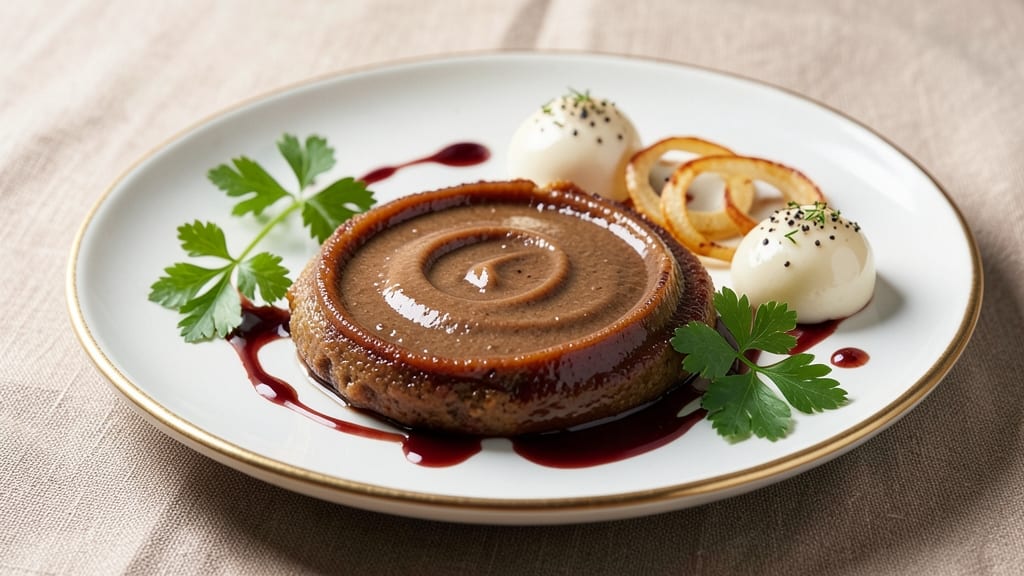
Gordon Ramsay's chicken liver pâté delivers restaurant-quality richness with a crispy top that elevates any meal. This recipe captures his signature precision—searing the livers to perfection, emulsifying the mixture to velvety smoothness, and baking until golden.
After years of perfecting pâtés in professional kitchens, I've adapted his techniques for home cooks, ensuring every bite is bold and balanced.
The foundation of this pâté lies in properly preparing the chicken livers—removing any connective tissue and searing them until just cooked through. This step transforms their natural richness into a luxurious base. The secret to that signature crispy top?
A careful balance of baking time and temperature, followed by a quick torch for extra drama. Ramsay's method emphasizes flavor concentration, using high-quality ingredients like brandy and fresh herbs to create depth without overpowering the liver's natural taste.
What makes this recipe stand out is its professional presentation—smooth, glossy, and perfectly set, with that crispy crust that adds texture contrast. The result is a pâté so refined it belongs on a fine-dining menu, yet achievable with basic kitchen tools.
Whether served on toasted baguette slices, with crackers, or as part of a charcuterie board, this dish delivers an impression that rivals any restaurant experience.
Safety is critical when handling raw liver—always use gloves and clean surfaces to prevent cross-contamination. The recipe also includes tips for adjusting consistency and flavor balance, ensuring your pâté turns out flawless every time. Let's create something truly special that would make Ramsay proud.
Ingredients for chicken liver pate recipe gordon ramsay
Restaurant-quality pâté begins with these premium ingredients—rich livers, brandy, and fresh herbs.
| Ingredient | Amount | Notes |
|---|---|---|
| Fresh Chicken Livers 🍗 | 1 ½ lb | Trimmed of connective tissue |
| Unsalted Butter 🧈 | ¾ cup | Cold, cubed for searing |
| Dry Brandy 🍷 | ½ cup | High-quality, 40% ABV |
| Fresh Shallots 🧅 | ¼ cup | Finely minced, vibrant purple |
| Fresh Parsley 🌿 | ¼ cup | Flat-leaf, stems removed |
| Fresh Tarragon 🌿 | 2 tbsp | Finely chopped, fresh preferred |
| Heavy Cream 🥛 | ½ cup | Full-fat for richness |
| Diamond Crystal Kosher Salt 🧂 | 1 ½ tsp | Fine grain for precise seasoning |
| Freshly Ground Black Pepper 🌶️ | ½ tsp | Coarsely ground for texture |
| Extra-Virgin Olive Oil 🫒 | 2 tbsp | For emulsification |
| Baguette Slices 🍞 | 8 slices | Day-old for crispiness |
| Egg Yolks 🥚 | 2 whole | Room temperature for binding |
The chicken livers must be the freshest possible—look for vibrant red color and minimal bruising at Whole Foods or your trusted butcher. Costco often carries high-quality, pre-trimmed livers that save preparation time. Never use livers with a metallic or sour odor, as this indicates spoilage. The brand of brandy matters here too—Cointreau or Hennessy elevate the flavor profile without overpowering the delicate liver taste. For herbs, farmers' markets offer the freshest tarragon and parsley, but if unavailable, Penzeys bulk spices provide excellent quality. The shallots should be firm and free of sprouts, as their sweetness balances the pâté's richness.
No brandy? Cognac or high-proof vodka work in a pinch, but reduce the amount by one-third to avoid bitterness. Fresh herbs unavailable? Dried tarragon at half the quantity suffices, though fresh is ideal. The heavy cream must be full-fat—organic brands like Straus or Horizon ensure optimal texture. For the baguette, opt for a sourdough variety if available, as its tang complements the pâté beautifully. The egg yolks should be at room temperature to emulsify smoothly—simply remove them from the fridge 30 minutes before use. Diamond Crystal kosher salt is preferred for its coarse texture, which dissolves cleanly without graininess.
Store the prepared pâté in an airtight container with a layer of plastic wrap pressed directly onto the surface to prevent a skin from forming. It keeps for up to 5 days in the refrigerator and freezes beautifully for up to 3 months. The baguette slices should be toasted fresh before serving to maintain crispness. For presentation, use a ring mold to shape the pâté neatly, or serve directly from the ramekin for a rustic touch. Leftovers can be reheated gently in a water bath at 350°F for 10-15 minutes to restore texture.
Why You'll Love This Recipe
- Foolproof First Timer: I swear, even if you’ve never made pâté before, this recipe holds your hand. The livers just need a quick sear and chop—no fancy techniques, just a sharp knife and patience for the butter to melt into that velvety texture.
- Brandy-Parsley Magic: That splash of dry brandy and fresh parsley? It’s the secret weapon. The brandy caramelizes into a glossy sheen, while the parsley brightens every bite—like a little herbal hug in every spoonful.
- Party or Picnic: Spread it on crusty bread for a fancy charcuterie board or pack it in a jar for a picnic. It’s equal parts impressive and effortless, so you can host like a pro without stressing over last-minute prep.
- Budget Luxury: Chicken livers are cheap, but they taste like a splurge. A pound goes a long way, and the leftovers? Even better the next day—just reheat gently and serve with toast. My wallet and taste buds win.
Step-by-step instructions for chicken liver pâté
This method delivers a silky, restaurant-quality pâté with a golden, crackling crust every time.
Prepare and Sear the Chicken Livers
Trim any connective tissue from the 1.5 lb fresh chicken livers and pat them completely dry with paper towels. This drying step is critical—moisture prevents proper searing and creates a watery pâté. Cut the livers into 1-inch chunks for even cooking.
Heat 2 tablespoons of the 0.75 cup unsalted butter in a large skillet over medium-high heat until the butter foams. Add the chicken liver chunks in a single layer, being careful not to overcrowd the pan. Sear for 2-3 minutes per side until the exterior is deeply browned and the interior reaches 145°F on an instant-read thermometer. Remove the livers and set aside.
Here's the thing—if the butter burns before the livers brown, reduce the heat slightly. The goal is a rich, nutty flavor from the butter without bitterness. Reserve the browned butter for later use in the pâté.
Build the Flavor Base
In the same skillet (don't wash it—the browned bits are pure flavor), melt the remaining 0.5 cup unsalted butter over medium heat. Add the 0.25 cup finely minced fresh shallots and cook for 3-4 minutes until softened and translucent. Here's where it gets aromatic—add the 2 tablespoons finely chopped fresh tarragon and cook for another 30 seconds until fragrant.
Deglaze the pan with the 0.5 cup dry brandy, scraping up all the browned bits from the bottom. Let it simmer for 2-3 minutes until reduced by half. This step develops depth of flavor that separates amateur pâtés from professional ones. Remove from heat and let cool slightly.
Process the Pâté Mixture
Transfer the seared chicken livers to a food processor along with the shallot-tarragon mixture, 0.25 cup chopped fresh parsley, 2 whole egg yolks, 0.5 cup heavy cream, 1.5 teaspoons diamond crystal kosher salt, and 0.5 teaspoon freshly ground black pepper. Process in pulses until the mixture is completely smooth, scraping down the sides as needed. This ensures no lumps remain that would make the texture uneven.
With the motor running, slowly drizzle in the 2 tablespoons extra-virgin olive oil through the feed tube. This creates an emulsified, velvety texture that's characteristic of high-end pâtés. The oil helps bind the mixture and prevents it from becoming too dense.
Bake for Silky Texture and Crispy Top
Transfer the pâté mixture to a 6-inch ramekin or small baking dish. Smooth the top with a spatula and create a slight well in the center. This well helps create the signature crackling crust. Bake in a 350°F oven for 25-30 minutes until the center reaches 160°F and the top is set but still slightly jiggly.
For the crispy top, increase the oven temperature to broil for the final 2-3 minutes. Watch closely—you want the surface to be deep golden brown with a crackling crust, not burnt. If it browns too quickly, cover loosely with foil and continue broiling.
Serve with Crispy Baguette
Let the pâté rest for 10 minutes before serving. This resting period allows the textures to fully set while maintaining that luxurious mouthfeel. The exterior should be crisp enough to crack when sliced, revealing the velvety interior beneath.
Serve immediately with the 8 slices day-old baguette slices, lightly toasted until crisp. The contrast between the crispy baguette and the silky pâté creates a perfect textural experience. Each bite should deliver rich, buttery flavor with notes of brandy and fresh herbs—this is the hallmark of a properly made chicken liver pâté.
Pro Tips For Making Chicken Liver Pate Recipe Gordon Ramsay
- SEAR THE LIVERS FAST: Hit the livers over high heat for 30 seconds per side—just until they’re browned, not cooked through. I learned this the hard way: dragging them out turns them rubbery. Keep the pan screaming hot and work in batches if needed.
- TRIM THE CONNECTIVE TISSUE: Scrape off the white membrane and any gristle before cooking—it’s bitter and chewy. Use a sharp knife or your fingers (yes, gross but effective) to dig it out. Ramsay’s version relies on smooth texture, so don’t skip this.
- REST THE LIVERS AFTER SEARING: Let them sit for 5 minutes off the heat before adding brandy. This stops the cooking and keeps them tender. I used to rush this, and the pate turned grainy. Trust me, five minutes changes everything.
- STRAIN THE BUTTER: Melt the butter low and slow, then strain it through a fine-mesh sieve to remove solids. It’s extra work, but the result is silky, not lumpy. I was skeptical until I tried it—now I won’t go back.
Best sauces and condiments for this dish
Brandy Reduction
The brandy reduction is the flavor backbone of this pâté—never skip it! After deglazing with 0.5 cup dry brandy, reduce it by half over medium heat. I recommend using Cointreau or Hennessy for their balanced citrus and caramel notes.
If you must substitute, use cognac or high-proof vodka (reduce quantity by 1/3 to avoid bitterness). The reduced brandy should coat the back of a spoon—this ensures maximum flavor infusion without alcohol dominance. 🍷
Herb-Infused Butter
For an extra layer of flavor, infuse the butter with herbs before using it. Melt 0.25 cup unsalted butter with 1 tbsp chopped tarragon and 1 tbsp chopped parsley, then strain through a fine-mesh sieve. This herb-infused butter adds aromatic depth to the pâté's base.
I also like adding a pinch of fresh thyme to the mix for complexity. Store any leftover infused butter in the fridge for up to 5 days—it's perfect for toast or seafood dishes. 🌿
Crispy Top Techniques
Achieving that signature crackling crust requires precision. After baking at 350°F for 25-30 minutes, switch to broil for 2-3 minutes. For even browning, rotate the ramekin halfway through. If the top browns too quickly, tent loosely with foil.
For extra drama, use a kitchen torch after baking—just 10 seconds per side creates a stunning, crispy finish. I also recommend brushing the surface with a tiny bit of olive oil before broiling to enhance browning. 🔥
Garnish Ideas
Elevate your pâté presentation with these professional garnishes. A sprinkle of freshly cracked black pepper adds visual contrast. For color, try edible gold leaf or a drizzle of truffle oil.
A small pile of microgreens or chopped chives adds freshness. For texture, add toasted breadcrumbs or crumbled bacon. The key is balance—don't overpower the pâté's natural richness. ✨
Pairing Sauces
While the pâté shines alone, these sauces complement beautifully. A champagne reduction (reduce 1 cup champagne by half with 1 tbsp butter) adds effervescence. For tang, try a mustard cream (mix 2 tbsp Dijon with 0.25 cup crème fraîche).
A drizzle of spiced honey (honey + pinch of cayenne) balances the richness. Serve with a side of cornichons or pickled onions for acidity. 🍯
Storage Solutions
Store pâté properly to maintain texture. In the fridge, cover with plastic wrap pressed directly on the surface to prevent skin formation. Keep for up to 5 days. For longer storage, freeze in airtight containers for 3 months.
When reheating, use a water bath at 350°F for 10-15 minutes. Never microwave—it ruins the silky texture. For serving, chill again before plating to restore firmness. ❄️
Nutrition facts
Frequently asked questions
Why does Gordon Ramsay's pâté need to rest before serving?
The 10-minute rest is crucial for texture—it allows the pâté to firm up slightly while keeping that luxurious, velvety mouthfeel. This step also helps the crispy top set properly, preventing it from crumbling when sliced. Skipping it often results in a runny or overly soft texture that lacks professional quality.
Can I substitute brandy with another alcohol?
Yes, but quality matters! Use cognac or high-proof vodka (reduce by 1/3 to avoid bitterness). For non-alcoholic versions, try apple cider reduced with a pinch of cinnamon. The key is depth of flavor—never skip the reduction step, as it's what develops the pâté's rich character.
What's the best way to fix a pâté that's too runny?
If your pâté is too loose, chill it completely, then blend in 1 extra egg yolk to help bind. For a quick fix, add 1 tablespoon cornstarch mixed with water and cook gently. Never overprocess—this can make it grainy. The ideal consistency should hold shape when chilled but still be smooth when served.
How do I know when the livers are fully cooked?
Use an instant-read thermometer—livers should reach 145°F internally. Visually, they'll be deeply browned outside with no pink center. Overcooking makes them dry and bitter, so err on the side of slightly underdone if unsure.
Can I make this pâté ahead of time?
It actually tastes better the next day. Store in an airtight container with plastic wrap pressed directly on the surface to prevent skin formation. Reheat gently in a 350°F water bath for 10-15 minutes before serving. The flavors meld beautifully overnight.