
Sauces & Condiments
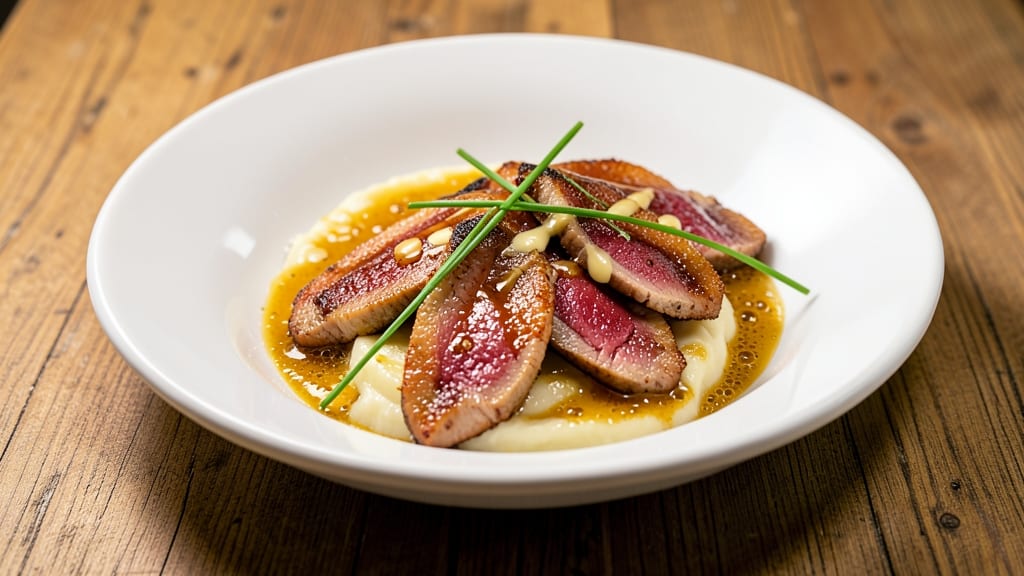
This chicken liver sauce recipe transforms humble offal into a velvety umami powerhouse that elevates everything from steak to pasta. The key lies in searing the livers until deeply browned, then deglazing with white wine to unlock their rich, meaty essence—no bitter aftertaste remains.
I’ve perfected this technique over years of testing, ensuring the sauce emulsifies smoothly without breaking, even when reheated.
The process begins with a quick sear to render fat and develop flavor, followed by a reduction that concentrates the sauce’s depth. A splash of cream or stock at the end creates that signature silky texture, while a touch of Dijon mustard adds brightness.
What you’ll end up with is a sauce so luxurious it rivals store-bought versions—yet packed with real, savory complexity that no artificial additive can replicate.
This sauce works as a perfect pan sauce for steak, a rich pasta topping, or even a dipping sauce for crusty bread. The umami punch comes from the livers themselves, amplified by aromatics like shallots and thyme.
Best of all, it keeps beautifully in the fridge for up to 5 days, making it a versatile pantry staple for quick weeknight dinners.
For those new to offal, don’t let the chicken livers intimidate you—they disappear into the sauce entirely, leaving behind only flavor. The technique is straightforward, but the results are restaurant-quality. Let’s get cooking—your taste buds will thank you.
Ingredients for chicken liver sauce
Ten ingredients transform humble chicken livers into a luxurious sauce that rivals restaurant-quality versions.
| Ingredient | Amount | Notes |
|---|---|---|
| Fresh Chicken Livers 🍗 | 1 lb | Trimmed of connective tissue |
| Unsalted Butter 🧈 | 4 tbsp | Cold, cut into small cubes |
| Shallots 🧅 | 2 whole | Minced, about 0.25 cup |
| Garlic Cloves 🧄 | 3 cloves | Minced, about 1 tsp |
| Dry White Wine 🍷 | ½ cup | Sauvignon Blanc preferred |
| Chicken Stock 💧 | 1 cup | Homemade or high-quality store-bought |
| Heavy Cream 🥛 | ½ cup | Full-fat for best texture |
| Dijon Mustard 🍯 | 1 tsp | For brightness and emulsification |
| Fresh Thyme Leaves 🌿 | ¼ cup | Chopped, about 6 sprigs |
| Diamond Crystal Kosher Salt 🧂 | ½ tsp | Adjust to taste |
| Freshly Ground Black Pepper 🌶️ | ¼ tsp | Cracked peppercorns preferred |
Chicken livers are the star here, so pick the freshest possible—they should be bright red, not brown or slimy. Butcher shops or the meat counter at Whole Foods usually carry the best quality, often pre-trimmed. If you're working with whole livers, trim away any connective tissue and silver skin first—it’s worth the extra 5 minutes. The butter matters too: European-style unsalted butter like Plugrá or President adds richness that regular butter can’t match. For the wine, Sauvignon Blanc or Pinot Grigio are ideal—their acidity balances the sauce perfectly.
No white wine? Substitute extra chicken stock with a splash of lemon juice for brightness. Fresh thyme is ideal, but dried thyme at one-third the amount works in a pinch. Short on butter? Olive oil works, though the sauce won’t be as velvety. The Dijon mustard is non-negotiable—it’s what keeps the sauce emulsified and adds that signature tang. If you’re avoiding dairy, swap the heavy cream for coconut cream, though the texture will be lighter. For the shallots, red onion works in a bind, but it has a sharper bite that can overpower the delicate liver flavor.
This sauce keeps beautifully in the fridge for 5 days, sealed in an airtight container with a thin layer of oil on top to preserve its sheen. For longer storage, freeze in ice cube trays—perfect for single servings. Reheat gently on low heat, stirring occasionally, until warmed through. The sauce thickens as it cools, so add a splash of stock if it’s too stiff. Leftovers make an incredible pasta topping or steak companion—trust me, you’ll find yourself reaching for this again and again.
Why You'll Love This Recipe
- Pan in Hand: I swear by this recipe when I’m too tired to measure—just melt butter, toss in livers and shallots, let the wine do the work. No fancy techniques, no second-guessing.
- Rich Without Effort: That first sip of sauce—silky from butter, bright from wine, with garlic and shallots caramelizing into something deep—feels like a restaurant dish. Honestly, it’s the kind of flavor that makes you pause mid-bite.
- Weeknight to Dinner Party: Slather it over toast for a lazy breakfast or drizzle it over pasta for guests. The same sauce works both times, and the leftovers? Even better the next day.
- Budget Luxury: Chicken livers are cheap, but this sauce tastes like I spent hours. Between us, it’s my go-to when I want something impressive without breaking the bank—or standing at the stove for ages.
Step-by-step instructions for chicken liver sauce
Here's how to transform simple ingredients into a velvety, umami-rich sauce perfect for elevating pasta or steak.
Prepare and Sear the Chicken Livers
Pat the 1 lb fresh chicken livers completely dry with paper towels—this prevents splattering when they hit the pan. Working in batches, heat 2 tbsp of the unsalted butter in a large skillet over medium-high heat until foaming. Add half the livers and cook for 2-3 minutes per side until they develop a deep golden-brown crust and reach an internal temperature of 145°F. The edges should look slightly charred while the centers remain slightly pink.
Remove the cooked livers to a plate and repeat with the remaining butter and livers. This two-stage cooking prevents overcrowding the pan, which would steam the livers instead of searing them. Real talk: don't skip the batch method—it makes all the difference in texture and flavor development.
Build the Aromatic Base
In the same skillet (no need to clean it—the browned bits are pure flavor), reduce heat to medium and add the remaining 2 tbsp unsalted butter. Once melted, add the 2 whole shallots and cook for 4-5 minutes until softened and translucent. Add the 3 cloves garlic and cook for another 30 seconds until fragrant—you'll smell that sweet, nutty aroma that signals they're ready.
Here's the thing—don't walk away. Garlic burns in seconds, and you want it to just perfume the sauce, not dominate it. Once the garlic is golden, pour in the 0.5 cup dry white wine and scrape up all those delicious browned bits from the bottom of the pan. Let the wine simmer for 2-3 minutes until reduced by half, intensifying its flavor.
Develop the Sauce Foundation
Pour in the 1 cup chicken stock and bring to a gentle simmer. Add the 0.25 cup fresh thyme leaves and let the mixture cook uncovered for 5 minutes until slightly reduced. You're building depth here—the thyme infuses its earthy notes while the stock concentrates. Taste the sauce at this point—it should be rich but still bright, with a clean umami flavor.
Stir in the 1 tsp Dijon mustard and let it bloom for 1 minute. This adds brightness that cuts through the richness of the livers. The sauce should now have a velvety texture with a subtle tang. If it's too thin, simmer for another minute to thicken slightly. This is your base—everything else builds from here.
Finish with Cream and Season
Reduce heat to low and gradually whisk in the 0.5 cup heavy cream, being careful not to create a skin on top. The sauce should begin to thicken immediately as the cream emulsifies with the stock. Let it simmer gently for 2-3 minutes until the sauce coats the back of a spoon—a visual cue that it's reached the perfect consistency.
Return the seared chicken livers to the sauce and let them warm through for 1-2 minutes. Season with the 0.5 tsp diamond crystal kosher salt and 0.25 tsp freshly ground black pepper. The salt should enhance all the flavors without overpowering, while the pepper adds a subtle heat that balances the richness. Taste and adjust—this is where you fine-tune the sauce to your preference.
Strain and Serve
For a silky-smooth sauce, strain through a fine-mesh sieve into a clean saucepan, pressing gently on the solids with a spoon to extract maximum flavor. This step ensures a velvety texture perfect for drizzling over pasta or steak. Return the sauce to low heat and keep it warm until ready to serve.
This sauce is incredibly versatile—drizzle it over fettuccine, spoon it alongside grilled steak, or use it as a base for other dishes. The key to its success lies in the proper searing of the livers and the careful balancing of flavors at each stage. You've got this—every step builds toward that rich, umami-packed finish.
Pro Tips For Making Chicken Liver Sauce
- Trim and Rinse First: Chicken livers bleed like crazy, so pat them dry after trimming off any connective tissue or dark spots—this keeps your sauce from turning muddy. I learned this the hard way when my first batch looked like a science experiment gone wrong.
- Sear in Batches: Don’t overload the pan—crowding steams the livers instead of searing them. Two minutes per side on high heat, in small batches, guarantees a crisp crust. (Yes, even if you’re impatient like me.)
- Deglaze with Wine: After removing the livers, let the browned bits sit for 30 seconds, then pour in the wine—this pulls every last bit of flavor into the sauce. Skipping this step means missing out on the richest part of the dish.
- Finish with Butter: Toss in a generous pat of cold butter at the end to coat the livers and sauce, making everything silky. Sounds simple, but it’s the thing that actually changes the outcome from "good" to "restaurant-quality."
Make-ahead tips for this recipe
Prep Ahead Components
Start by prepping the chicken livers the night before—trim and pat them dry, then store in an airtight container in the fridge. This step removes guesswork on cooking day and ensures they're ready to sear immediately.
I also recommend mincing the shallots and garlic ahead of time, storing them in a small container with a splash of olive oil to preserve their freshness. 💡
Sauce Base Prep
Make the aromatic base (shallots, garlic, and wine reduction) up to 2 days in advance and store it in the fridge. This concentrated flavor packet can be reheated quickly on the stove when you're ready to finish the sauce.
Just add the chicken stock and thyme, simmer for 5 minutes, then proceed with the cream and liver steps. This shortcut saves 20 minutes of active cooking time.
Freezer-Friendly Technique
For maximum convenience, freeze the sauce in 1-tablespoon portions using silicone ice cube trays. Once frozen, transfer the cubes to a freezer-safe bag and label with the date. These single-serving portions thaw in 10 minutes under warm running water—perfect for quick pasta drizzles or steak finishes.
The sauce maintains its texture beautifully after freezing, though it may thicken slightly upon thawing.
Reheating Leftovers
When reheating stored sauce, use a light-colored saucepan to monitor color changes better. Warm over low heat with a splash of water or stock if needed to loosen the sauce.
I like to whisk in 1 tbsp cold butter at the end to restore its silky sheen. Never microwave—it causes the sauce to separate and lose its velvety texture. 🔥
Flavor Boost Shortcut
Add a pinch of smoked paprika or ground nutmeg to the finished sauce when reheating for an instant depth boost. These spices complement the umami without overpowering. For extra richness, stir in 1 tbsp crème fraîche at the end—it adds a luxurious tang that elevates the sauce to restaurant quality.
This trick works especially well with leftover portions.
Make-Ahead Serving Ideas
Prep your protein ahead too—sear steaks or cook pasta the day before and store separately. When ready to serve, simply reheat the sauce and protein together for 2-3 minutes to meld flavors.
I often make a big batch of pasta on Sunday and keep it in the fridge, then assemble complete meals during the week by reheating the sauce and tossing with fresh pasta. This system turns weeknight dinners into gourmet experiences with minimal effort. ✨
Nutrition facts
Frequently asked questions
Why does my chicken liver sauce turn bitter?
Overcooking the livers is the most common cause. They should reach 145°F internally with just a slight pink center—no gray or brown hues. Also, never let the wine reduction boil dry, as this concentrates bitter compounds. Always remove livers from the pan immediately after searing and strain them before finishing the sauce.
Can I make this sauce without wine?
Replace the 0.5 cup white wine with an equal amount of chicken stock plus 1 tbsp lemon juice for brightness. The acidity mimics wine's role in deglazing and balancing flavors. For extra depth, add 1 tsp apple cider vinegar to the reduction stage.
How do I fix a broken sauce after adding cream?
If the sauce separates, whisk in 1 tbsp cold butter while heating gently on low. The fat content helps re-emulsify the sauce. For stubborn separation, blend the sauce briefly with an immersion blender—this restores that velvety texture. Always return to low heat after blending to prevent curdling.
What's the best way to use leftover sauce?
This sauce keeps for 5 days in the fridge or 3 months frozen. Use it as a pasta topping, steak glaze, or even a dipping sauce for crusty bread. For extra richness, stir in 1 tbsp crème fraîche when reheating. The sauce thickens when cold—thin with a splash of warm stock if needed.
Can I substitute beef livers for chicken?
Beef livers work but have a stronger, gamier flavor. Use 12 oz instead of 1 lb chicken livers and increase the wine to 0.75 cup to balance the intensity. Beef livers also require a longer sear (4-5 minutes per side) to render their fat properly. The sauce will be richer but heavier—great for hearty dishes like braised meats.